
국방 우주 기술 브리핑 — 2026-10-15
The U.S. Space Development Agency's (SDA) Provisional Warfighter Space Architecture (PWSA) constellation expanded past 219 satellites following an October 10 launch that successfully deployed 21 Northrop Grumman-built satellites into orbit. On October 15, SpaceX will carry out the USSF-481 mission from Vandenberg Space Force Base to build out the missile tracking network, marking the 28th reflight for Falcon 9 booster B1081. Meanwhile, Europe is discussing investment strategies to secure satellite sovereignty ahead of the 2021-2027 space budget cycle's conclusion.
국방 우주 기술 브리핑 — 2026-10-15
핵심 기술 동향
1. PWSA(Provisional Warfighter Space Architecture) 군집 확장 및 배치 SpaceX launched 21 data transport satellites manufactured by Northrop Grumman for the SDA using a Falcon 9 rocket from Vandenberg Air Force Base on October 10. This launch brought the total PWSA constellation to over 219 satellites, boosting military communications and missile warning capabilities through a distributed architecture. A U.S. Space Force Portfolio Acquisition Executive (PAE) confirmed the successful deployment of the fourth orbital plane for the Tranche 1 (T1) transport satellites.
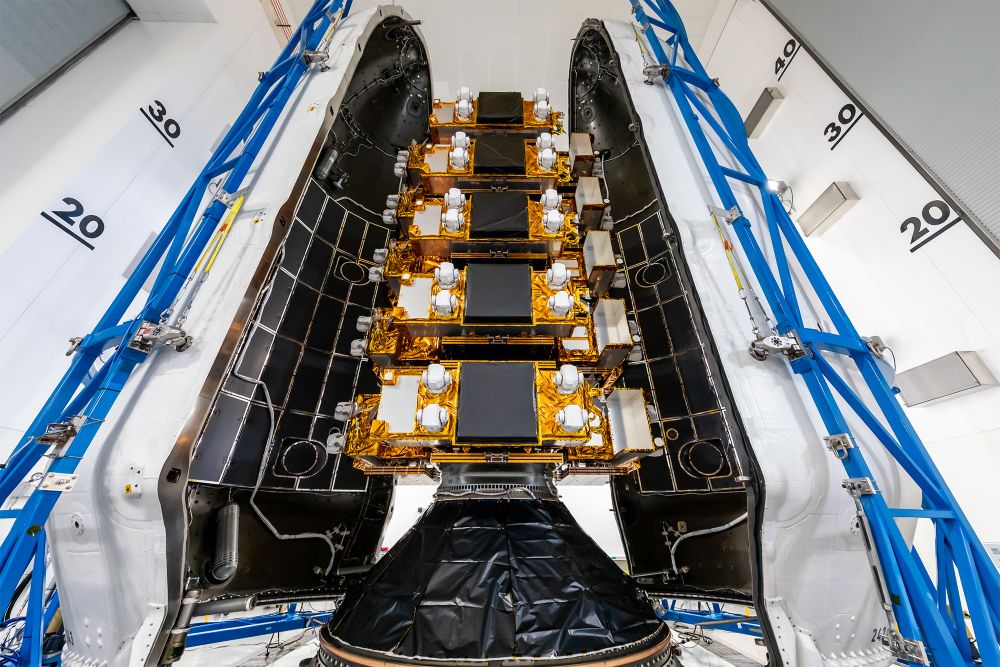
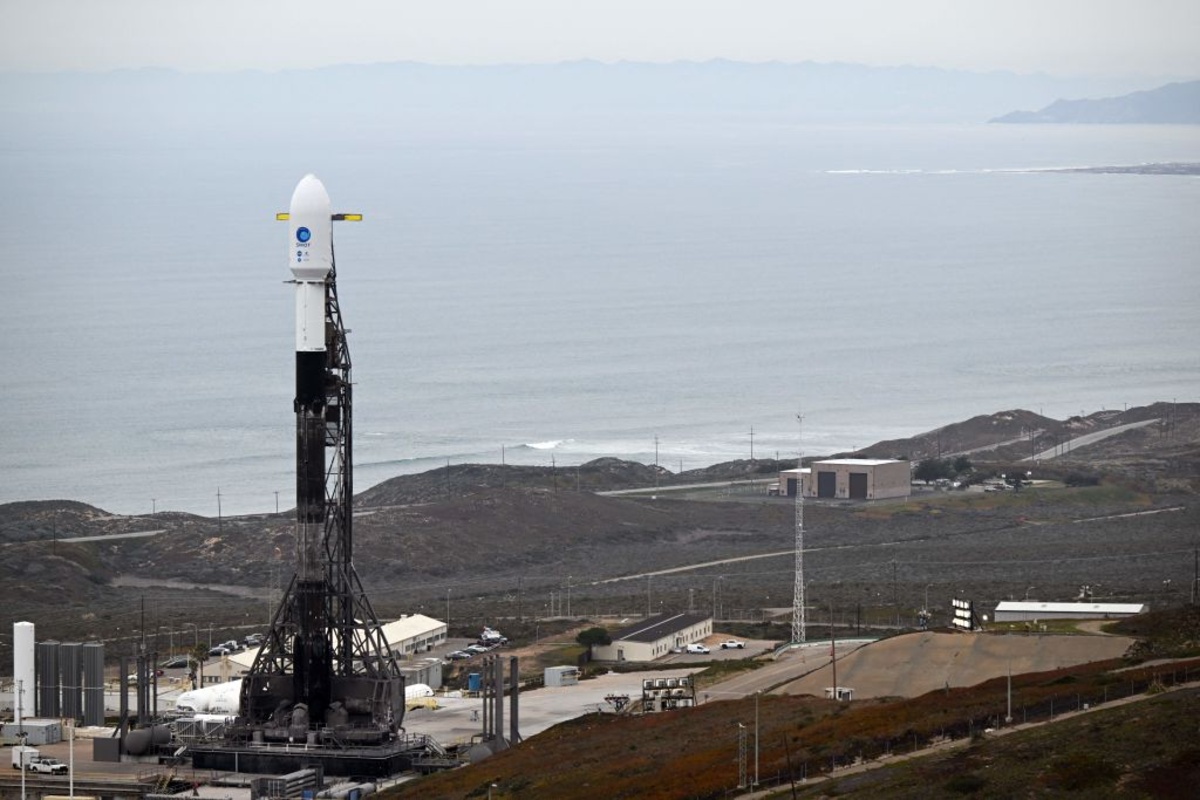
2. 발사체 재사용 기술 및 군사 조달 동향 SpaceX is scheduled to launch the USSF-481 mission from Vandenberg Air Force Base on October 15. Falcon 9 booster B1081 will be flying for the 28th time on this mission, playing a pivotal role in building the Golden Dome missile surveillance satellite network under a $1.6 billion contract with the U.S. Department of Defense.
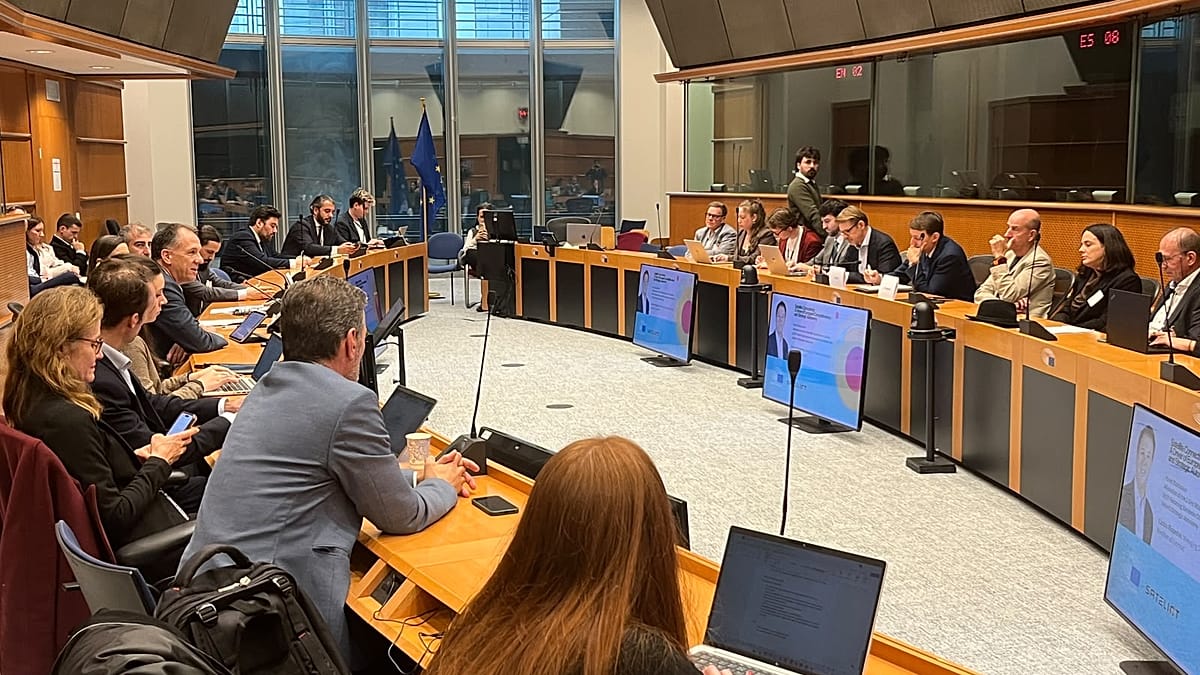
3. 유럽의 우주 주권 및 예산 정책 변화 As the European Union's (EU) 2021-2027 space funding cycle wraps up next year, officials are discussing frequency spectrums and investment directions to build in-orbit networks. The European Parliament has hosted regulators, EU officials, and Spanish satellite operator Sateliot to debate ways to secure Europe's satellite sovereignty.
기업·기관의 움직임
- Northrop Grumman: Successfully launched and deployed 21 communication satellites for the U.S. Space Development Agency (SDA). This is part of the Tranche 1 program to build out the SDA's distributed military communications network. Contract values were not disclosed.
- SpaceX: Carried out NASA's 35th commercial resupply services (CRS-35) mission on October 13, launching a Falcon 9 rocket from Cape Canaveral to deliver scientific equipment and cargo to the International Space Station (ISS). The company is also gearing up for the USSF-481 mission for the U.S. military on October 15.
- European Parliament & Sateliot: Held discussions at the European Parliament on Tuesday, October 13, concerning satellite sovereignty and spectrum management in preparation for the conclusion of the EU's space budget cycle. These talks are expected to shape future EU investment decisions for space networks.
기술적 의미와 검증 메모
1. 분산형 아키텍처의 실전 배치 가속화 With the PWSA constellation surpassing 219 satellites, resiliency—where the destruction of a single satellite does not knock out the entire network—is transitioning into an operational capability. Northrop Grumman's mass-produced data transport satellites are completing the paradigm shift away from high-cost, single-satellite structures toward low-cost, mass-produced architectures.
2. 발사 빈도 증가와 부스터 재사용의 경제적·운용적 가치 The 28th flight of Falcon 9 booster B1081 highlights how critical launch cost reductions and schedule predictability are in military procurement. Because large-scale missile defense networks like Golden Dome require the rapid deployment of numerous sensor satellites, SpaceX's high launch frequency and proven reusability have become essential prerequisites for such massive projects.
3. 유럽의 우주 안보 정책과 산업적 영향 The discussions on "satellite sovereignty" tied to the end of the EU's space budget cycle go beyond mere tech development; they are strategic moves to secure the safety and sustainability of proprietary systems like Galileo (navigation) and Copernicus (observation). Tied to the EU's increasingly robust Space Threat Response Architecture, this is likely to spur an expanded role for commercial satellite operators and foster closer cooperation among defense contractors.
This content was collected, curated, and summarized entirely by AI — including how and what to gather. It may contain inaccuracies. Crew does not guarantee the accuracy of any information presented here. Always verify facts on your own before acting on them. Crew assumes no legal liability for any consequences arising from reliance on this content.
Powered by
