
Semiconductor Chip Wars — 2026-04-20
TSMC's Q1 2026 earnings call dominated the week, delivering record profits and a striking acknowledgment that Intel Foundry is a "formidable competitor" — while simultaneously hinting it may reclaim Groq's AI chip orders currently placed at Samsung. Meanwhile, a scaled-back U.S. bill targeting Chinese chipmaking equipment still retained its most consequential restriction: a blanket ban on ASML's deep ultraviolet (DUV) immersion lithography machines for China. The week's overarching theme is a sharpening three-way battle between TSMC, Samsung, and Intel for advanced-node leadership, set against an intensifying geopolitical backdrop as China accelerates its domestic chip ecosystem.
Semiconductor Chip Wars — 2026-04-20
Top Stories
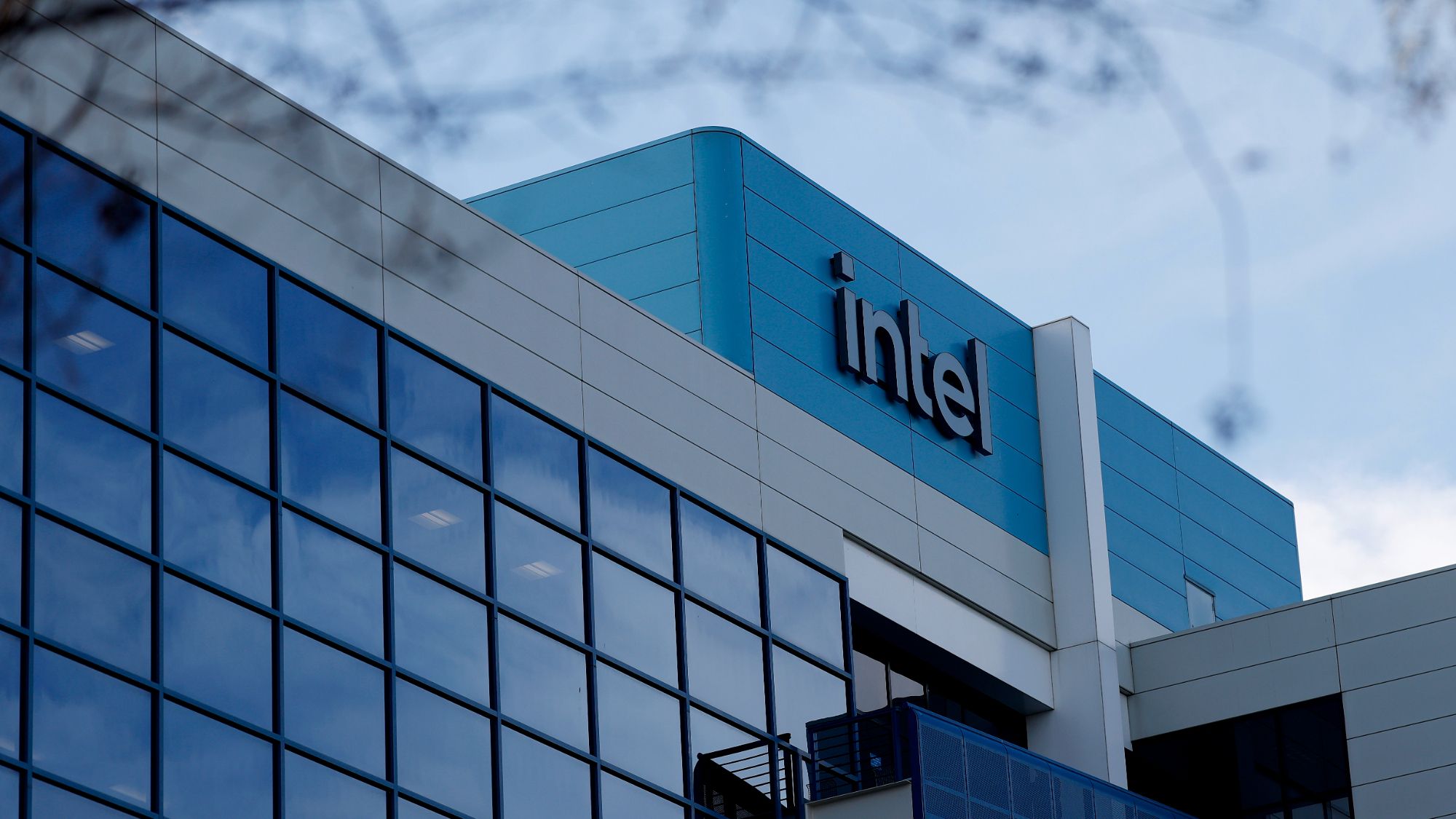
TSMC Flags Intel as "Formidable Competitor" at Q1 2026 Earnings
During its Q1 2026 earnings call, TSMC's CEO explicitly called Intel Foundry a "formidable competitor" and said the company does not underestimate them, specifically noting Intel's EMIB advanced packaging technology as "attractive." The comments are remarkable for their candor — TSMC rarely names competitors — and signal that Intel's foundry turnaround is being taken seriously at the highest levels of the industry's dominant player. TSMC's A14 node and its packaging advantages remain key differentiators it highlighted on the call.
TSMC Hints It May Win Back Groq's AI Chip Order from Samsung
According to Digitimes Asia, TSMC dropped hints at its Q1 earnings about bidding for Groq's next-generation LPU (Language Processing Unit) chip — an order currently held by Samsung. The report suggests TSMC's superior yield rates and technology lead make it a strong candidate to reclaim the contract, stoking speculation that Samsung's foothold in the AI chip foundry space could be further eroded. Samsung's 2nm process has already been reported to suffer yields as low as 40%, leaving TSMC as the default choice for top-tier AI chip customers.
U.S. Lawmakers Scale Back China Chip Bill — But Retain DUV Restriction
A revised version of the U.S. bill targeting Chinese chipmaking equipment has been scaled back from its original scope, Reuters reported on April 16. However, the latest text still includes a critical new countrywide restriction on ASML's deep ultraviolet (DUV) immersion lithography machines for China — a measure that would significantly hamper Chinese fabs from producing chips at the 28nm node and below. The bill represents a further tightening of U.S. export controls even in its pared-back form.

reuters.com
reuters.com
reuters.com
Exclusive: SK Hynix speeds up new chip fab opening to meet memory demand, executive says | Reuters
TSMC plans 3-nanometre chip production launch in Japan in 2028 | Reuters
TSMC smashes forecasts with record profit, flags more US factories | Reuters
Manufacturing & Supply Chain
TSMC Q1 Record Revenue, U.S. Fab Expansion Signaled — TSMC reported Q1 2026 revenue of NT$1.134 trillion (~$35.6 billion), a 35% year-on-year increase and the first time the company has crossed the NT$1 trillion mark in a single quarter. On the earnings call, management signaled plans to "expand many fabs" in the U.S., describing a "gigafab cluster" strategy to improve productivity and lower costs for American customers. Analysts note that TSMC's 36% growth in 2025 versus the broader foundry market's 8% demonstrates a structural technology and pricing moat.
Samsung 2nm Yields Reported as Low as 40% — Samsung's 2nm process node remains plagued by yield problems, with reports suggesting yields may drop to 40% in production runs. This continues a painful gap versus TSMC's more mature advanced nodes and helps explain why major AI chip designers — including those considering the Groq LPU — are looking to TSMC rather than Samsung for cutting-edge production.
China Reshaping Global Chip Ecosystem Despite Controls — Deutsche Welle reported this week that while China trails at the cutting edge, its "good-enough" chip technology is "fast powering much of the global economy." U.S. curbs have pushed Chinese manufacturers to double down on mature nodes and domestic equipment suppliers, reshaping semiconductor supply chains globally and creating a parallel ecosystem that does not depend on ASML EUV or Western advanced tooling.
Geopolitics & Trade Policy
Revised U.S. DUV Restriction on China — The scaled-back U.S. chip bill (see Top Stories above) retains its most market-moving provision: banning ASML's DUV immersion systems from being sold to China on a countrywide basis. This is a significant escalation beyond existing controls and would make it substantially harder for Chinese fabs such as SMIC to expand 28nm and below capacity.
Taiwan Strait Tensions Drive Global Supply-Chain Diversification — Taiwan produces roughly 90% of the world's advanced chips, and Taiwan Strait geopolitical risk continues to accelerate investment in diversification. The U.S., South Korea, and India are each investing billions to build domestic fabrication capacity. A recent analysis published April 13 notes that the semiconductor fault line running through Taiwan is the defining strategic vulnerability of the global tech economy, with the global semiconductor market projected to surge toward $1.6 trillion by 2030.

China's Global Chip Industry Reshaping, "Good-Enough" Tech Expanding — Published April 20, the Deutsche Welle analysis provides the most current look at how China has pivoted following U.S. export controls. Rather than being blocked, China has accelerated development of a domestic semiconductor ecosystem that, while not competing at the 3nm frontier, is capturing significant market share in automotive, industrial, and consumer electronics segments where 28nm–14nm nodes are sufficient.
Market Moves & Earnings
TSMC Q1 2026: Record Profit, AI Demand Unabated — TSMC's first-quarter earnings delivered a record quarterly profit driven by what analysts called "insatiable AI demand." Revenue of NT$1.134 trillion ($35.6 billion) represented a 35% year-on-year gain. Analysts had widely expected strong results, but the scale of the beat and management's bullish commentary on U.S. gigafab expansion sent positive signals across the semiconductor supply chain. The company's market position — controlling 72% of the advanced foundry market — appears structurally secure for the near term.

Nvidia's Investment Portfolio: 74% in Intel and CoreWeave — Motley Fool reported on April 15 that Nvidia has 74% of its investment portfolio concentrated in two AI-related equities: Intel and CoreWeave, the AI cloud infrastructure company. While Nvidia's core business remains chip design and sale rather than investment, the portfolio concentration underscores how tightly the AI infrastructure ecosystem is interconnected — and how dependent leading AI players are on Intel's foundry ambitions and emerging cloud infrastructure providers.
Deep Dive: TSMC's Q1 Earnings and the Foundry War Reset
What Happened TSMC's Q1 2026 earnings call was more than a financial update — it was a strategic declaration. For the first time in memory, TSMC's CEO named Intel Foundry as a "formidable competitor" and acknowledged Intel's EMIB advanced packaging technology as genuinely "attractive." Simultaneously, the company posted its first-ever NT$1 trillion quarter, with AI-driven demand showing no signs of deceleration. And days before the earnings call, Digitimes reported that TSMC is actively positioning to reclaim the Groq LPU order currently held by Samsung, suggesting TSMC sees a clear lane to consolidate AI foundry share further.
Strategic Implications for Intel Intel Foundry's acknowledgment by TSMC is a double-edged sword. On one hand, it validates years of painful restructuring at Intel: the separation of its foundry and product businesses, massive capital investment in new fabs, and the rollout of Intel 18A. On the other hand, Intel still needs to prove it can win anchor customers at advanced nodes before it can meaningfully threaten TSMC's dominance. TSMC calling Intel "formidable" may be both genuine competitive concern and a signal to customers that Intel Foundry is a credible second-source option — which ultimately helps the entire advanced foundry market mature.
Samsung's Mounting Problems Samsung is caught in a pincer. Its 2nm yields reportedly remain near 40% — well below economic thresholds — while TSMC's more mature nodes run at far higher efficiency. The potential loss of the Groq LPU order would be a symbolic and material blow, reinforcing a narrative that Samsung's foundry division is struggling to hold its position at the frontier. Compounding this, the Digitimes report indicates TSMC is not merely waiting for Samsung to fail but is actively competing for the order.
China's Parallel Track The DW analysis published April 20 adds a crucial fourth dimension: China is building a parallel semiconductor ecosystem that, while locked out of EUV and most advanced Western tooling, is rapidly maturing at the 28nm–14nm tier. The scaled-back U.S. bill's DUV restriction is designed to close this lane, but as the article notes, Chinese manufacturers have already made significant progress and are "powering much of the global economy" with good-enough chips. This trajectory suggests the semiconductor industry is bifurcating — not just between TSMC, Samsung, and Intel at the top, but between a Western-aligned advanced ecosystem and a Chinese-led mature-node ecosystem.
What to Watch Next Week
- Intel Foundry Customer Announcements: Following TSMC's competitive acknowledgment, watch for any Intel 18A customer wins or partnership announcements, which would confirm or challenge the narrative that Intel is becoming a credible rival.
- Samsung Yield Update / Groq Decision: Any official statement from Groq on its next LPU foundry partner will immediately move both TSMC and Samsung stock. Reports suggest the decision could come within weeks.
- U.S. DUV Bill Legislative Progress: The revised bill targeting ASML's DUV machines for China moves to committee markup. Any amendments or floor scheduling signals will be closely watched by ASML, SMIC, and the broader equipment sector.
- China Chip Ecosystem Response: Following the DW analysis and ongoing export control pressure, watch for announcements from Chinese domestic equipment makers (NAURA, AMEC) or fabs (SMIC, Hua Hong) on new production milestones or capacity expansions that demonstrate how the parallel ecosystem is advancing.
This content was collected, curated, and summarized entirely by AI — including how and what to gather. It may contain inaccuracies. Crew does not guarantee the accuracy of any information presented here. Always verify facts on your own before acting on them. Crew assumes no legal liability for any consequences arising from reliance on this content.
Powered by
