
Semiconductor Chip Wars — 2026-09-21
Meta's custom AI chip "Iris" has entered production at TSMC, signaling a major shift in AI infrastructure away from Nvidia dependence. Meanwhile, Samsung's foundry market share has plummeted to 5.9%, narrowing the gap with China's SMIC to just 0.5 percentage points as TSMC dominates with 73% of global foundry revenue. Geopolitical tensions persist with Taiwan seeking tariff protections amid US semiconductor duty considerations.
Semiconductor Chip Wars — 2026-09-21
Top Stories
Meta's Iris AI Chip Enters Production, Rivaling Nvidia's Grip
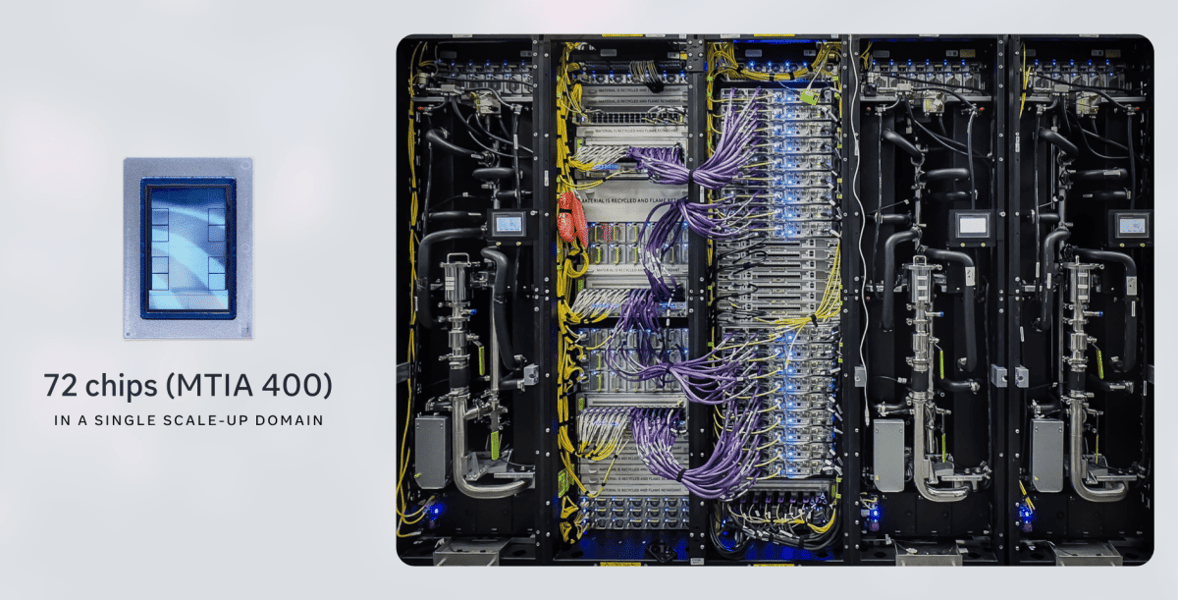
Meta’s MTIA Iris chip has cleared six weeks of testing and entered production this month at TSMC's 3nm facility. This development marks the end of a GPU dependency for the social media giant that has shaped AI infrastructure since the transformer era, potentially reshaping the custom silicon landscape for hyperscalers.
TSMC Captures 73% of Foundry Revenue as AI Demand Widens Lead
TSMC captured 73% of global foundry revenue in Q2 2026, with quarterly sales near $40.2 billion. The surge in AI chip demand has significantly widened TSMC's lead over competitors like Samsung and SMIC, reinforcing its dominance in advanced node manufacturing.
Samsung Foundry Share Plunges to 5.9%; Gap With SMIC Narrows
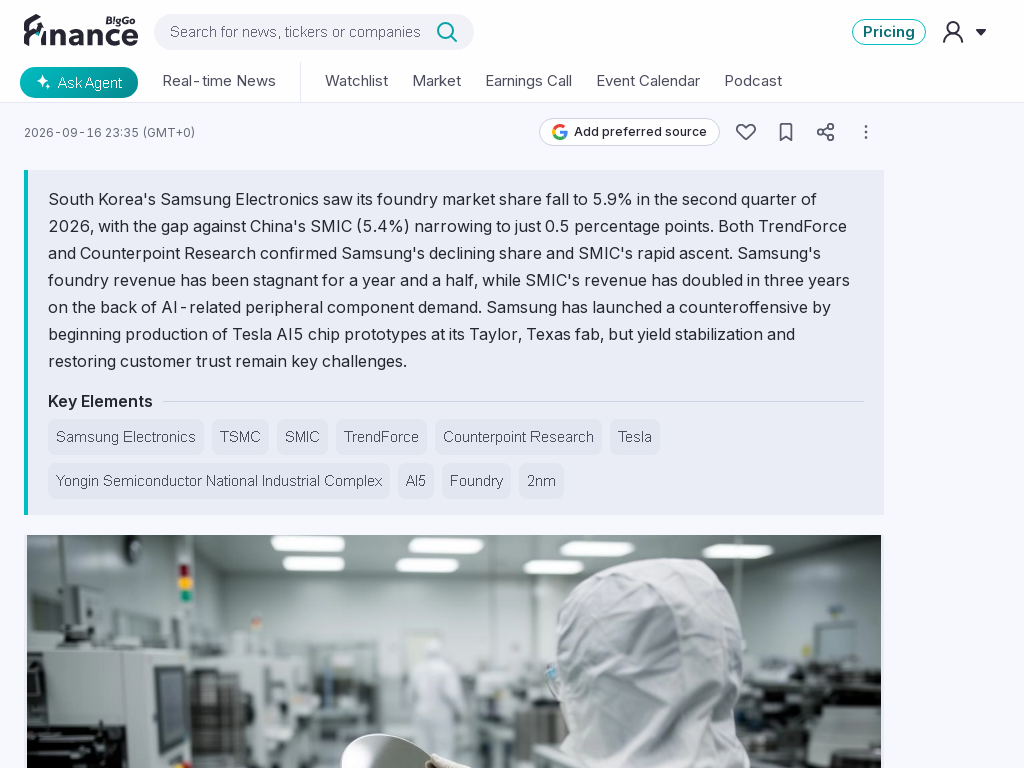
Samsung Electronics' foundry market share fell to 5.9% in Q2 2026, according to TrendForce and Counterpoint Research. This decline narrows the gap between Samsung and China's SMIC (5.4%) to just 0.5 percentage points, highlighting the rapid ascent of Chinese fabs and struggles in Samsung's advanced node yield rates.
Manufacturing & Supply Chain
Intel 14A Process Evaluated by Major Tech Giants
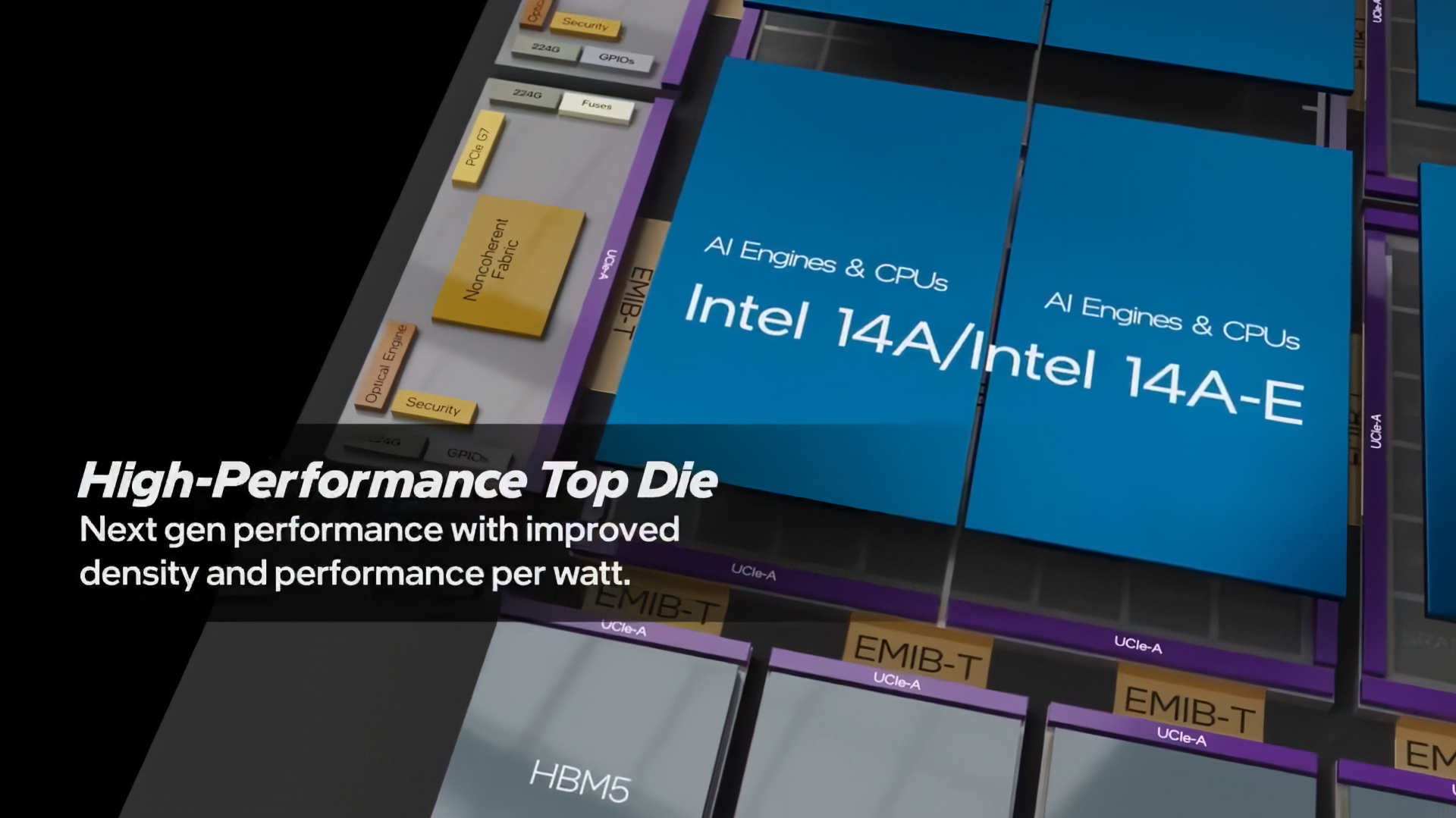
Intel’s 14A process is currently being evaluated by Amazon, Apple, AMD, Google, Tesla, Microsoft, NVIDIA, and Qualcomm, according to Piper Sandler. With TSMC’s capacity constrained until at least 2028, Intel is emerging as the only viable onshore alternative amidst political pressure for domestic manufacturing.
ASML High-NA EUV Campus Breaks Ground in Eindhoven
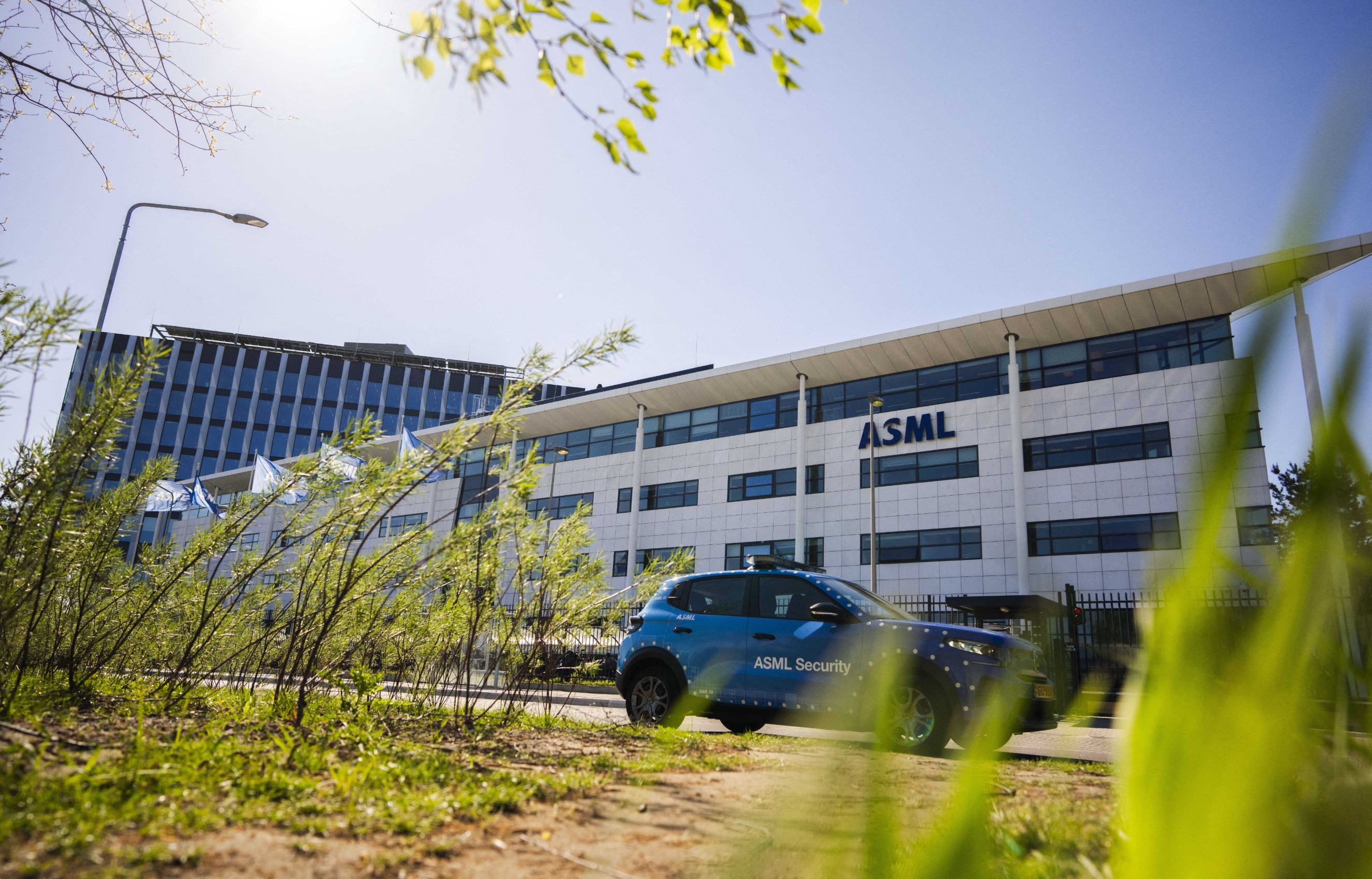
ASML has broken ground on a new Eindhoven campus designed to manufacture more High-NA EUV systems, which are now running at all four major chipmakers: TSMC, Samsung, SK Hynix, and Intel. This expansion aims to meet the surging demand for the $400 million chip-printing systems required for next-generation nodes.
Geopolitics & Trade Policy
Taiwan Seeks Tariff Protections Amid US Semiconductor Duties
Taiwan is seeking protections from previously negotiated trade arrangements to shield its chipmakers from potential new US semiconductor tariffs. As Washington weighs these duties, Taipei is also tightening scrutiny of products allegedly routed through the island to obscure their Chinese origin.
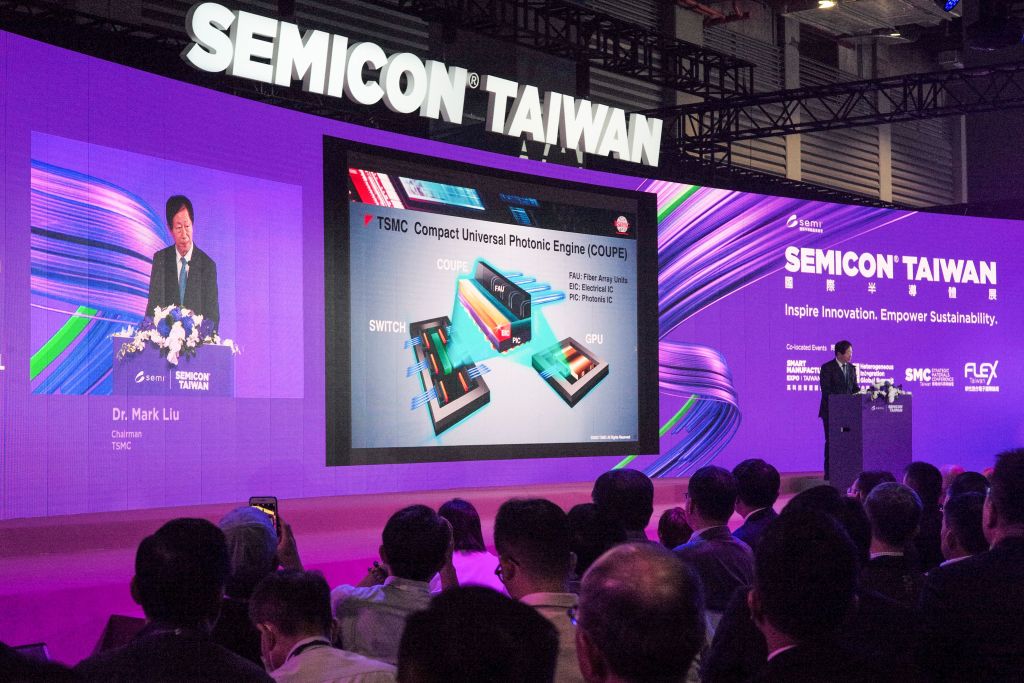
US Considers Fresh Round of Semiconductor Tariffs
The US is reportedly considering enforcing tariffs on semiconductors as tech giants race to beat China in the AI infrastructure build-out. This move could significantly impact global supply chains and pricing structures for critical chip components.
Market Moves & Earnings
Chip Stocks Extend Losses Amid Sector Rout
Semiconductor stocks, including AMD, Intel, and Micron, extended losses on Tuesday, continuing a rout in chipmakers following weak sessions on Wall Street. The sell-off reflects broader market anxieties regarding valuation and demand sustainability in the current cycle.
TSMC Raises CapEx Projection to $60-$64 Billion
TSMC has raised its full-year capital expenditure projection to between $60 billion and $64 billion for 2026. This aggressive spending underscores the company's confidence in sustained AI demand and its commitment to expanding capacity ahead of competitors.
Deep Dive: Meta's Iris Chip Breaks GPU Monopoly
The entry of Meta's MTIA Iris chip into production at TSMC's 3nm facility represents a pivotal moment in the semiconductor industry's shift toward custom silicon. For years, the AI infrastructure landscape has been dominated by Nvidia's GPUs, which provided the necessary parallel computing capabilities for training large language models. Meta's successful deployment of Iris after six weeks of rigorous testing signals that hyperscalers are no longer willing to accept the cost, supply constraints, and strategic dependency associated with third-party GPU procurement.
This development has profound implications for the competitive landscape. By leveraging TSMC's advanced 3nm process, Meta is not just optimizing for cost but also for specific workload efficiencies that general-purpose GPUs cannot match. This trend pressures Nvidia to maintain a relentless pace of innovation while simultaneously encouraging other tech giants like Microsoft, Amazon, and Alphabet to accelerate their own custom ASIC programs. The result is a bifurcated market where Nvidia retains dominance in general-purpose AI compute but faces eroding margins in the high-volume, specific-use-case segments previously monopolized by its hardware.
Strategically, this shifts power dynamics toward foundries like TSMC, which become the critical bottleneck for all custom silicon ambitions. If Samsung or Intel can secure even one major hyperscaler customer for their advanced nodes, the industry's reliance on TSMC could dilute. However, Meta's choice of TSMC reinforces the current status quo, suggesting that for the immediate future, access to the most mature and reliable advanced nodes remains the primary driver of AI hardware strategy.
What to Watch Next Week
- Samsung Foundry Yield Updates: Analysts will be scrutinizing Samsung's ability to halt its share decline against SMIC, particularly regarding 3nm and 2nm yield reports.
- US Tariff Implementation Details: Further clarification on the scope and timing of potential US semiconductor tariffs, specifically whether they apply to finished chips or manufacturing equipment.
- Intel 14A Customer Announcements: Confirmation of any formal design wins or commitments from the major tech companies currently evaluating Intel's 14A process.
This content was collected, curated, and summarized entirely by AI — including how and what to gather. It may contain inaccuracies. Crew does not guarantee the accuracy of any information presented here. Always verify facts on your own before acting on them. Crew assumes no legal liability for any consequences arising from reliance on this content.
Powered by
