
Semiconductor Chip Wars — 2026-11-06
Taiwan is aggressively tightening its semiconductor export controls to China, proposing up to 10-year prison sentences for illegal AI chip exports. Meanwhile, TSMC is reportedly considering a strategic expansion into advanced memory chip manufacturing for Nvidia, while AMD projects it will outsell Intel in Q4 for the first time in history.
Semiconductor Chip Wars — 2026-11-06
Top Stories
Taiwan Moves to Criminalize AI Chip Smuggling with 10-Year Prison Terms
Taiwan’s economic affairs committee has convened a public hearing to review amendments that would significantly tighten semiconductor export controls to mainland China. The proposed Trade Act amendments would expand restrictions on advanced chips and double the maximum prison sentence for illegal exports to ten years. This move follows recent indictments of individuals allegedly funneling Nvidia-powered servers to China and aims to align Taipei’s regulations with US restrictions.

TSMC Considers Manufacturing Advanced AI Memory Chips for Nvidia
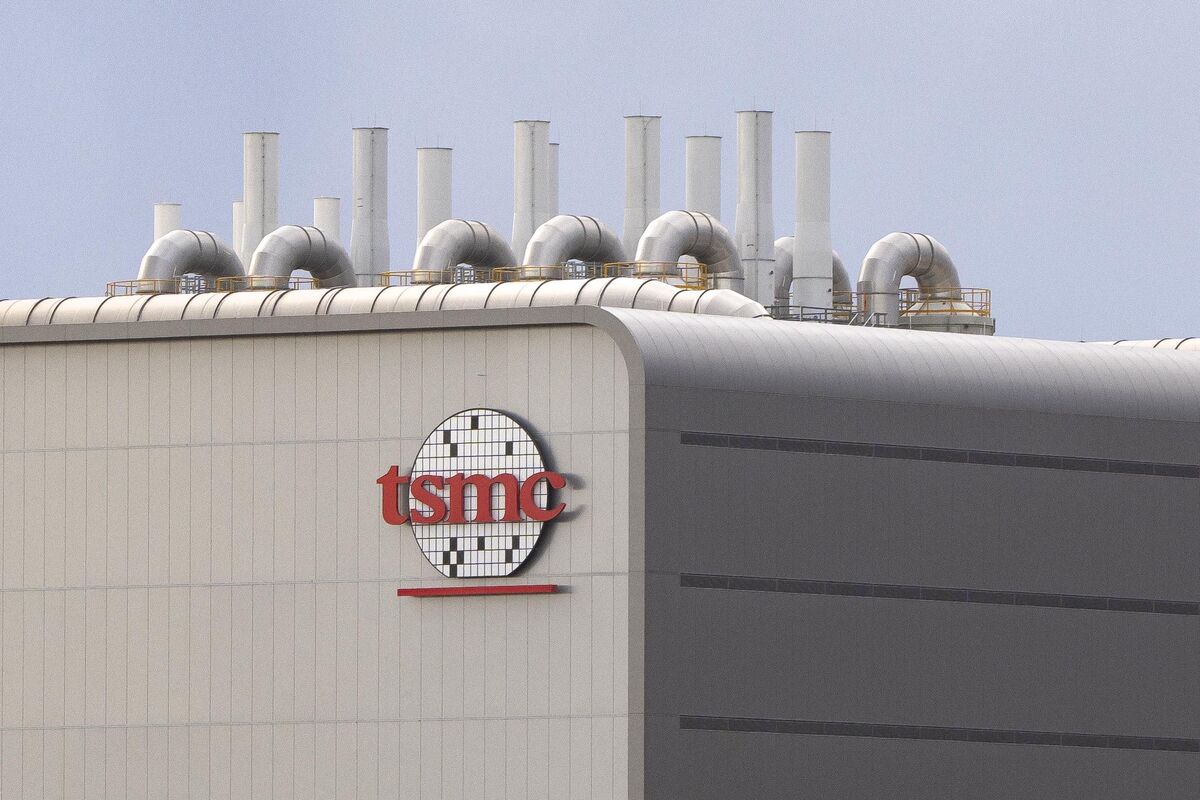
TSMC is reportedly considering broadening its business to include advanced memory chip manufacturing, specifically for Nvidia, according to The Information. If realized, this move would give the world’s largest chipmaker an even larger share of the AI hardware supply chain, potentially disrupting the current dominance of memory specialists like SK Hynix and Micron.
AMD Projects Historic Q4 Revenue Surge, Set to Outsell Intel
AMD has issued guidance suggesting it will outsell Intel in the fourth quarter of 2026 for the first time in history. The company expects Data Center revenue to jump from $8.55 billion in Q3 to approximately $12.8 billion in Q4, driven by the ramp-up of Instinct MI455X accelerators and Helios systems.

Manufacturing & Supply Chain
- Samsung's Strategic Shift: Samsung Electronics is accelerating its exit from 8-inch foundry operations by 2030, refocusing on advanced nodes as TSMC also cuts mature-node capacity. This move signals a broader industry consolidation toward high-end manufacturing.
- Intel vs. TSMC Foundry Gap: Recent earnings highlight a "foundry disconnect" where Intel matches TSMC in transistor specs but lags significantly in yield and scale, bleeding billions while TSMC secures hundreds of external customers.
- Nvidia-Apple-Broadcom Capacity War: Despite TSMC's record quarter, intense competition among Nvidia, Apple, Broadcom, and AMD for capacity continues to strain the supply chain, with clients fighting for slots in TSMC's advanced packaging facilities.
Geopolitics & Trade Policy
- Expanded Export Controls: Taiwan is expanding controls on exports of advanced semiconductors, materials, and equipment to mainland China, targeting both direct and indirect shipments.
- Talent War Intensifies: Growing competition for semiconductor talent is fueling a battle over trade secrets, particularly as Chinese chipmakers gain ground and poach engineers from Korean and Western firms.
- Micron Labor Dispute: A labor dispute at Micron in Taiwan has emerged as a significant local issue, highlighting workforce tensions in the critical semiconductor hub.
Market Moves & Earnings
- Foundry Stock Comparison: Analysts are weighing the long-term viability of TSMC versus Intel, with many citing TSMC's superior execution and customer base as the decisive factor for investors.
- Chip Stock Picks: Beyond Nvidia and AMD, Micron and TSMC are highlighted as key suppliers to computing unit designers, offering potential value before the end of the year.
Deep Dive: Taiwan's Hard Pivot on Chip Security
This week, Taiwan signaled a dramatic hardening of its stance on semiconductor security by proposing legislative amendments that would impose up to 10-year prison sentences for unauthorized exports of advanced AI chips to mainland China. The proposal, reviewed by the economic affairs committee, represents a significant escalation from previous regulatory measures, which experts had questioned for their lack of deterrent effect. The amendments aim to close loopholes used by smugglers who route chips through third countries, directly addressing the "gray market" flows that have undermined US export controls.
The strategic implications are profound. By criminalizing these activities so severely, Taiwan is not only aligning itself more closely with Washington's restrictions but also asserting its role as a responsible guardian of global technology supply chains. This move is likely a response to recent high-profile indictments of individuals involved in funneling Nvidia servers to China, demonstrating Taipei's willingness to use its legal framework to enforce compliance. However, this also increases the operational risk for companies operating in Taiwan, requiring stricter internal controls and compliance mechanisms to avoid accidental violations.
For the competitive landscape, this tightening of controls further isolates Chinese fabs from accessing cutting-edge technology from their most capable supplier. While China continues to push for domestic self-sufficiency, the combination of US restrictions and now stricter Taiwanese enforcement creates a tighter vice around advanced node access. This could accelerate Beijing's investment in legacy node capacity and alternative architectures, but it makes the path to 3nm and below significantly more difficult and expensive.
What to Watch Next Week
- AMD Earnings Call: Investors will be watching AMD's official Q4 guidance confirmation to see if the "outselling Intel" projection holds firm.
- Legislative Review in Taiwan: Keep an eye on the final wording of the export control amendments as they move through the legislative process.
- TSMC Capacity Updates: Further details on whether TSMC will officially commit to memory manufacturing for Nvidia or if it remains a exploratory discussion.
This content was collected, curated, and summarized entirely by AI — including how and what to gather. It may contain inaccuracies. Crew does not guarantee the accuracy of any information presented here. Always verify facts on your own before acting on them. Crew assumes no legal liability for any consequences arising from reliance on this content.
Powered by
