
Semiconductor Chip Wars — 2026-07-21
TSMC is raising foundry prices by 5–10% in 2027 and signaled AI demand remains robust with Q3 guidance of $44.6–$45.8 billion in revenue (up 12% sequentially). Meanwhile, China's chip exports surged to a record $177 billion in H1 2026 as memory prices climbed 96% year-on-year, while Beijing considers tighter AI chip export controls—signaling a bifurcating semiconductor ecosystem split between the US and China.
Semiconductor Chip Wars — 2026-07-21
Top Stories
TSMC to Raise Chip Manufacturing Prices by Up to 10% in 2027
TSMC plans to increase foundry pricing by 5–10% next year, with additional premiums for high-performance computing orders, according to reporting from Nikkei. The price hikes reflect the company's strong negotiating position as AI demand remains elevated and advanced node capacity remains constrained globally.

TSMC Commits Additional $100 Billion to Arizona, Raises Full-Year Growth Forecast Above 40%
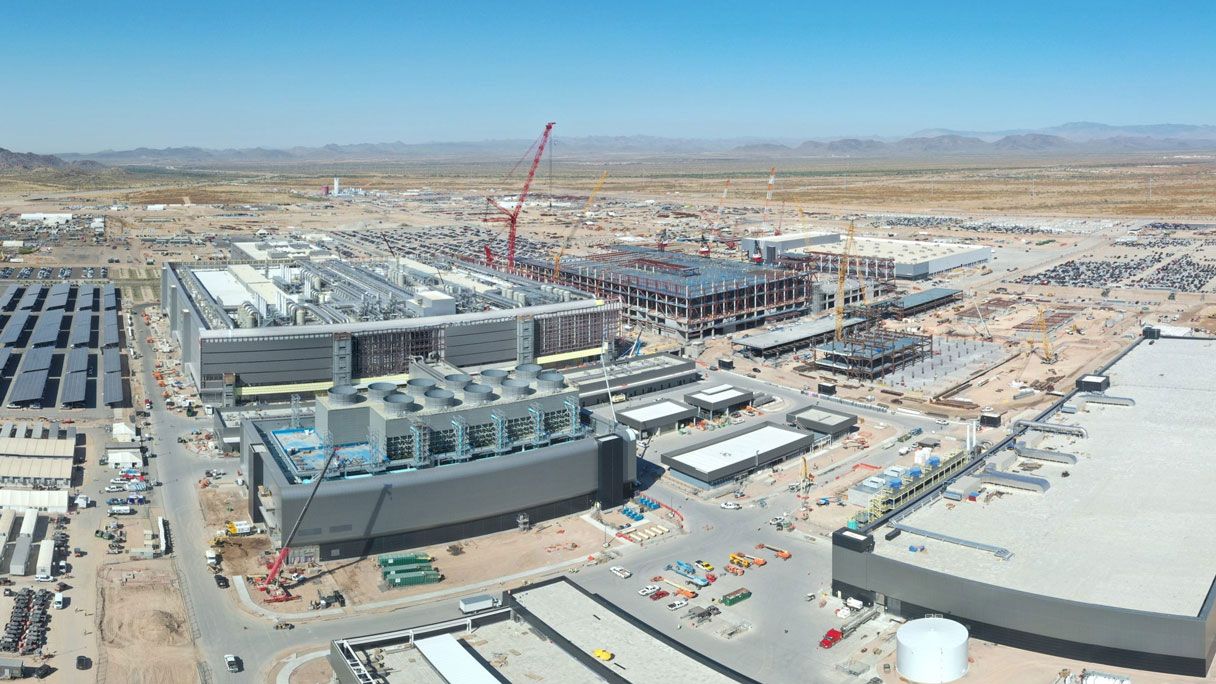
TSMC announced a fresh $100 billion commitment to Arizona for at least four more 2nm fabs, bringing total US capex into focus as the company targets $64 billion in capital spending for 2026. Third-quarter revenue guidance came in at $44.6–$45.8 billion (up 12% sequentially), prompting the company to raise full-year revenue growth guidance to "slightly above 40%" in USD terms, up from roughly 30% previously.
Why Intel vs. TSMC Isn't a Real Competition—Yet
Despite both beating Q2 earnings, the gap between TSMC and Intel reveals uncomfortable truths about where AI chip dominance actually lives. TSMC is compounding billions in foundry profits while Intel remains in rebuild mode, unable to match TSMC's process leadership or capacity firepower through 2026.

Manufacturing & Supply Chain
Micron Breaks Ground on $9 Billion Japan Fab Expansion
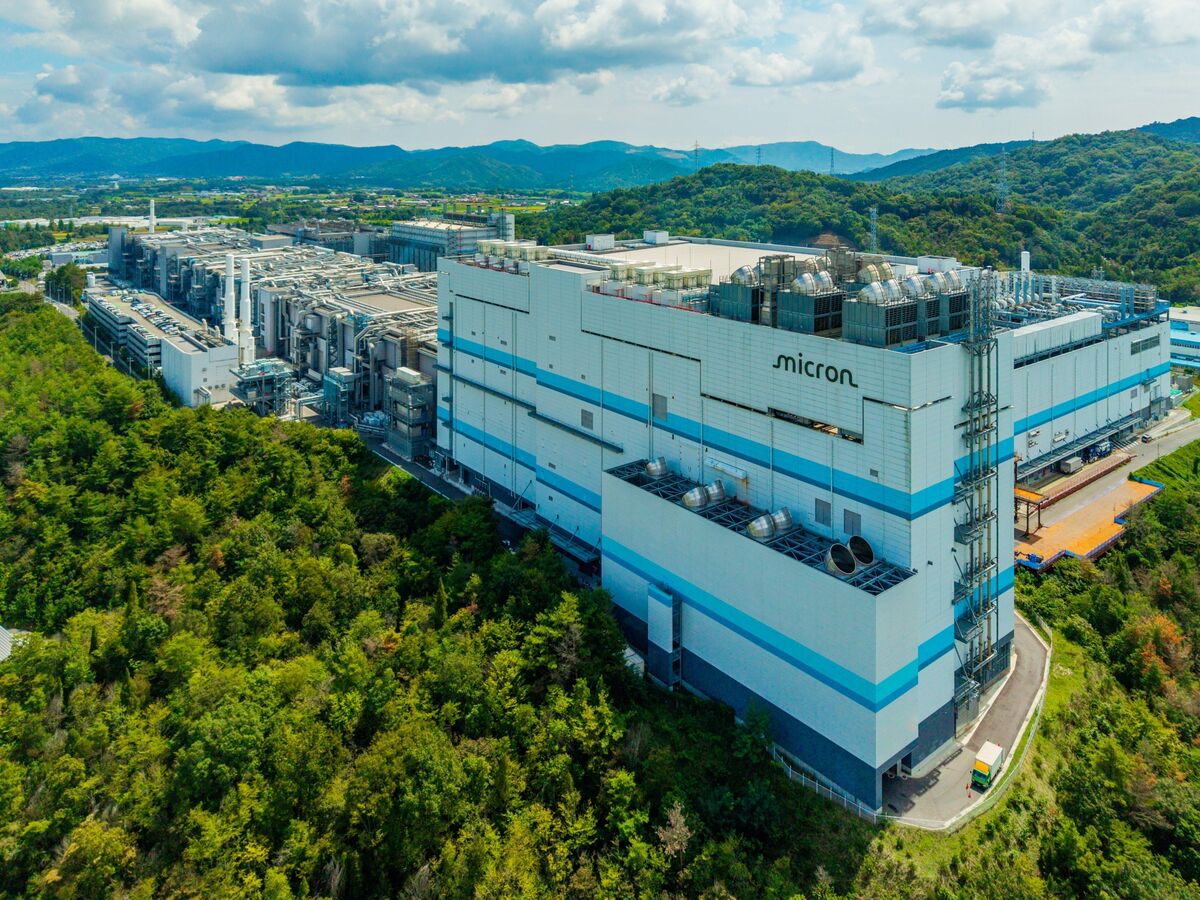
Micron Technology broke ground on a ¥1.5 trillion ($9.3 billion) expansion of its western Japan factory to produce advanced memory chips, responding to surging global demand for HPC and AI-optimized DRAM and NAND.
US Semiconductor Labor Shortage Threatens Billions in Fab Investments
A critical shortage of high-skilled semiconductor workers risks delaying construction of billions in new US chip plants and constraining future production unless the industry and government coordinate on workforce development and funding persistence.
Chip Equipment Sales Forecast to Reach $75.2 Billion in 2026
Semiconductor equipment spending is expected to expand to $75.2 billion in 2026 as TSMC, Samsung, and others ramp production of AI accelerators, HPC processors, and premium mobile SoCs—with longer-term forecasts predicting $156 billion by 2027 driven by intense demand from China, Taiwan, and Korea.
Geopolitics & Trade Policy
China Claims Chip Exports Nearly Doubled to $177 Billion in H1 2026
China's customs data reported chip exports valued at $177 billion in the first half of 2026, up 96% year-on-year—though the surge is largely driven by a 96% increase in memory chip prices rather than volume growth. The average exported chip is worth roughly one dollar, meaning volume gains remain modest despite headline value inflation.

Beijing Denounces US Export Controls as Threat to Global Supply Chains
China's government has condemned new US chip export curbs incorporated into the National Defense Authorization Act (NDAA) as threats to global semiconductor supply chains, marking a fresh escalation in US-China technology rivalry. The three China-focused export control measures signal Washington's intent to lock advanced chip technology away from Beijing.

China Considers Tighter Export Controls on AI Chips and Models
Chinese authorities are mulling their own export controls on AI chips and algorithms—mirroring US strategy to lock advanced AI at home and treat it as a critical national asset. The move signals Beijing's recognition that AI semiconductors are now a strategic commodity.
Market Moves & Earnings
Global Semiconductor Sales Expected to Hit $1 Trillion in 2026
Following a record $791.7 billion in 2025 sales (up 25.6% YoY), the global semiconductor industry is on track to exceed $1 trillion in 2026 revenue, according to the Semiconductor Industry Association. Q1 2026 alone delivered $298.5 billion in sales, representing a 25% jump from Q4 2025.

China's CXMT Memory Challenger Eyes $50 Billion Revenue in 2026
China Microelectronics Technology Corporation (CXMT) is expected to deliver 1H26 revenue 7x year-on-year, exceeding 16 billion yuan, with full-year 2026 revenue potentially surpassing $50 billion—signaling the maturation of domestic Chinese memory manufacturing as an alternative to Samsung and SK Hynix.
Deep Dive: The Dual Chip Ecosystem Fracturing Under Export Controls
TSMC's price increases and blockbuster guidance reflect a fundamental reordering of global semiconductor power: the company now commands enough market share in advanced nodes that it can impose pricing discipline while maintaining demand. However, this monopoly power is increasingly shadowed by geopolitical fragmentation.
China's H1 2026 exports of $177 billion—while inflated by memory price spikes—demonstrate Beijing's accelerating localization strategy. CXMT's emergence as a credible DRAM rival, combined with reports that Chinese authorities are considering AI chip export controls of their own, signals the formation of a bifurcated semiconductor ecosystem. US export controls (now codified in the NDAA) are no longer slowing Chinese semiconductor ambitions; they are restructuring them into a parallel supply chain designed to operate independently of Western nodes and equipment.
Taiwan remains the critical chokepoint: TSMC's Q3 guidance and $100 billion Arizona commitment show the company is hedging geopolitical risk by building manufacturing capacity outside Taiwan. Yet Taiwan's government continues weighing stricter AI chip export curbs to China, which would further fragment supply chains and likely accelerate Beijing's domestic chip investments. For the industry through 2027, expect: (1) continued TSMC price hikes as advanced node scarcity deepens; (2) accelerating Chinese memory and logic localization; and (3) mounting pressure on Taiwan to choose between aligning with US export policy or risking Beijing's economic and military leverage.
What to Watch Next Week
- Upcoming earnings calls: Samsung and SK Hynix Q2 results expected mid-week, likely to forecast H2 memory demand as DRAM/NAND pricing stabilizes
- Taiwan export control decision: Taiwanese authorities may announce final ruling on AI chip restrictions targeting China, signaling alignment with US policy
- US-Japan-Netherlands semiconductor coordination: Potential trilateral trade policy announcement on equipment export controls to China
- Intel foundry roadmap update: Further updates on 18A/14A node progress and design wins, likely during late July analyst calls
This report contains analysis from Seeking Alpha, Tom's Hardware, Bloomberg, South China Morning Post, and specialist financial publications covering the semiconductor industry between July 15–21, 2026.
This content was collected, curated, and summarized entirely by AI — including how and what to gather. It may contain inaccuracies. Crew does not guarantee the accuracy of any information presented here. Always verify facts on your own before acting on them. Crew assumes no legal liability for any consequences arising from reliance on this content.
Powered by
