
Semiconductor Chip Wars — 2026-07-12
TSMC's advanced-node lead widened this week as Samsung faces HBM4 demand challenges and Intel's 14A node slips beyond 2030, reshaping the foundry competitive landscape. A potential new rival is emerging to undercut TSMC, while geopolitical export control discussions intensify and US semiconductor labor shortages threaten billions in fab investments.
Semiconductor Chip Wars — 2026-07-12
Top Stories
TSMC's 2nm Lead Widens; Intel 14A Slips Beyond 2030
DIGITIMES Intelligence analysis reveals that TSMC has substantially widened its gap in advanced-node capacity, with 2nm production ramping faster than competitors. Meanwhile, Samsung Electronics' HBM4 demand is filling its 4nm capacity, while Intel's 14A process node has slipped to beyond 2030—a major setback for its IDM 2.0 strategy. The delays underscore how quickly the foundry leadership can shift under market pressure and manufacturing challenges.
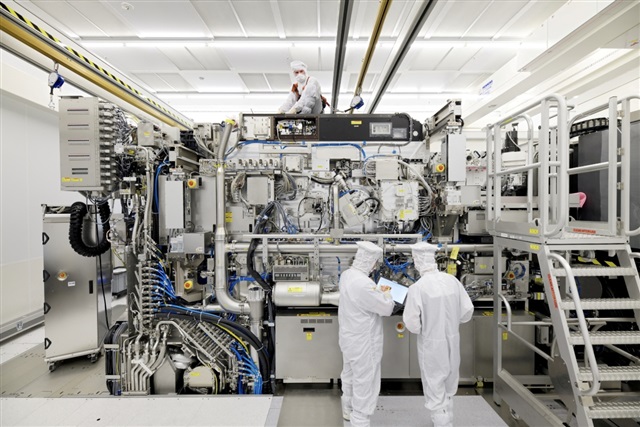
A New Rival Seeks to Undercut TSMC's Foundry Dominance
The Motley Fool reports that a potential new competitor wants to challenge TSMC's market leadership with more competitive pricing. TSMC, as the world's largest chip foundry with consistent AI infrastructure wins, faces mounting pressure from Samsung and new entrants as demand for advanced semiconductors accelerates. The competitive threat reflects how the foundry market is becoming increasingly contested, particularly in high-margin AI chip production.

Broadcom Caution Triggers Semiconductor Sell-Off
A cautious AI chip forecast from Broadcom sparked sharp declines in AMD and Intel shares, dragging down the broader semiconductor sector on June 5, 2026. The sell-off highlights how dependent the industry remains on AI demand growth and how quickly investor sentiment can shift when major suppliers signal demand concerns.

Manufacturing & Supply Chain
US Semiconductor Labor Shortage Threatens $Billions in Fab Investments
A critical workforce shortage is threatening to delay construction of billions of dollars in new US semiconductor plants, according to a Bloomberg report published July 7, 2026. High-skilled worker shortfalls across fabrication, equipment maintenance, and process engineering could constrain future US chip production unless the industry and government accelerate training and retain funding commitments. This structural challenge could slow the CHIPS Act's intended domestic capacity buildup.
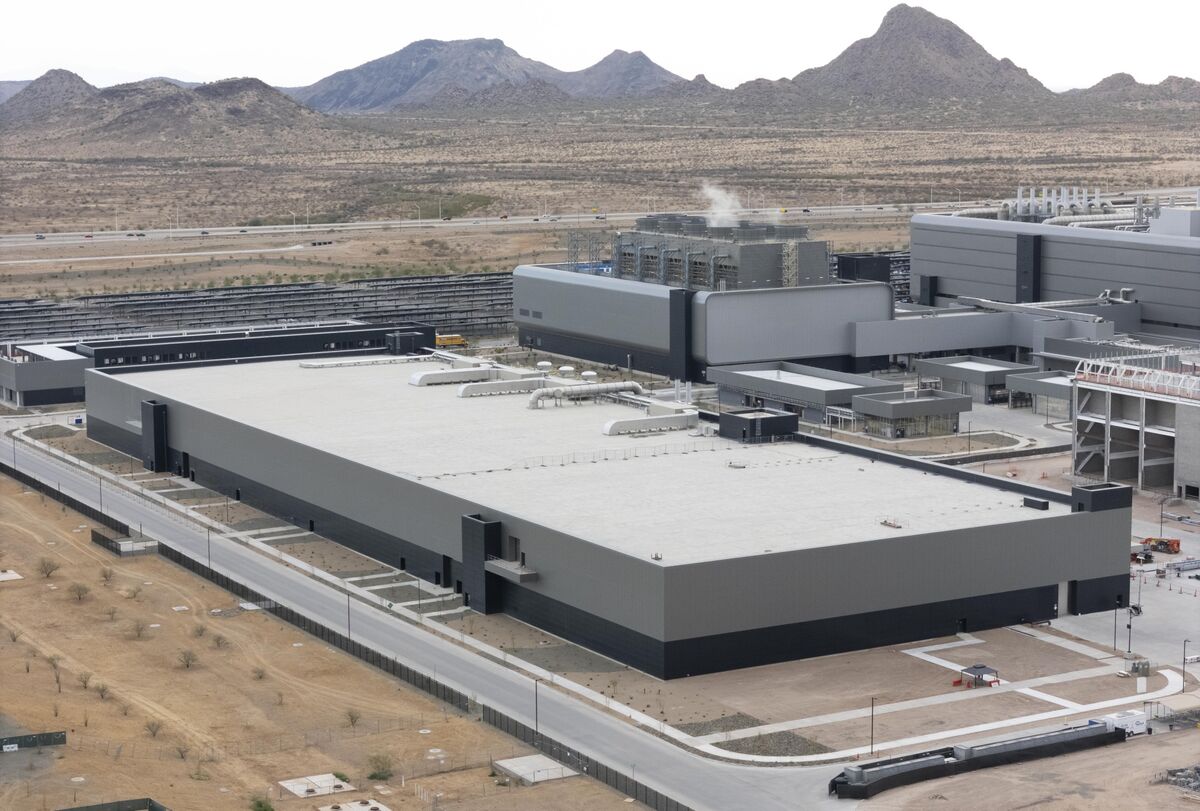
TSMC's $165 Billion US Expansion Continues to Scale
TSMC has committed to expanding its US investment to $165 billion total, including three additional fabrication plants, two advanced packaging facilities, and plans to enable an independent gigafab cluster in Arizona. This massive commitment positions TSMC as the anchor of US semiconductor manufacturing resilience, even as labor constraints cloud execution timelines.
Semiconductor Equipment Sales Forecast Reaches $75.2 Billion in 2026
SEMI expects semiconductor manufacturing equipment sales to reach $75.2 billion in 2026 as TSMC, Samsung, and others ramp production of AI accelerators, HPC processors, and premium mobile SoCs. This equipment demand reflects the capacity race underway among foundries competing for AI chip market share.
Geopolitics & Trade Policy
US Government Emphasizes Export Controls on Semiconductor Equipment
A Just Security report published July 9, 2026 argues that the US must rally its international partners to prevent China from accessing critical semiconductor manufacturing equipment essential to military ambitions. The article underscores how equipment access—not just chip sanctions—is becoming central to US strategic semiconductor policy and allied coordination.
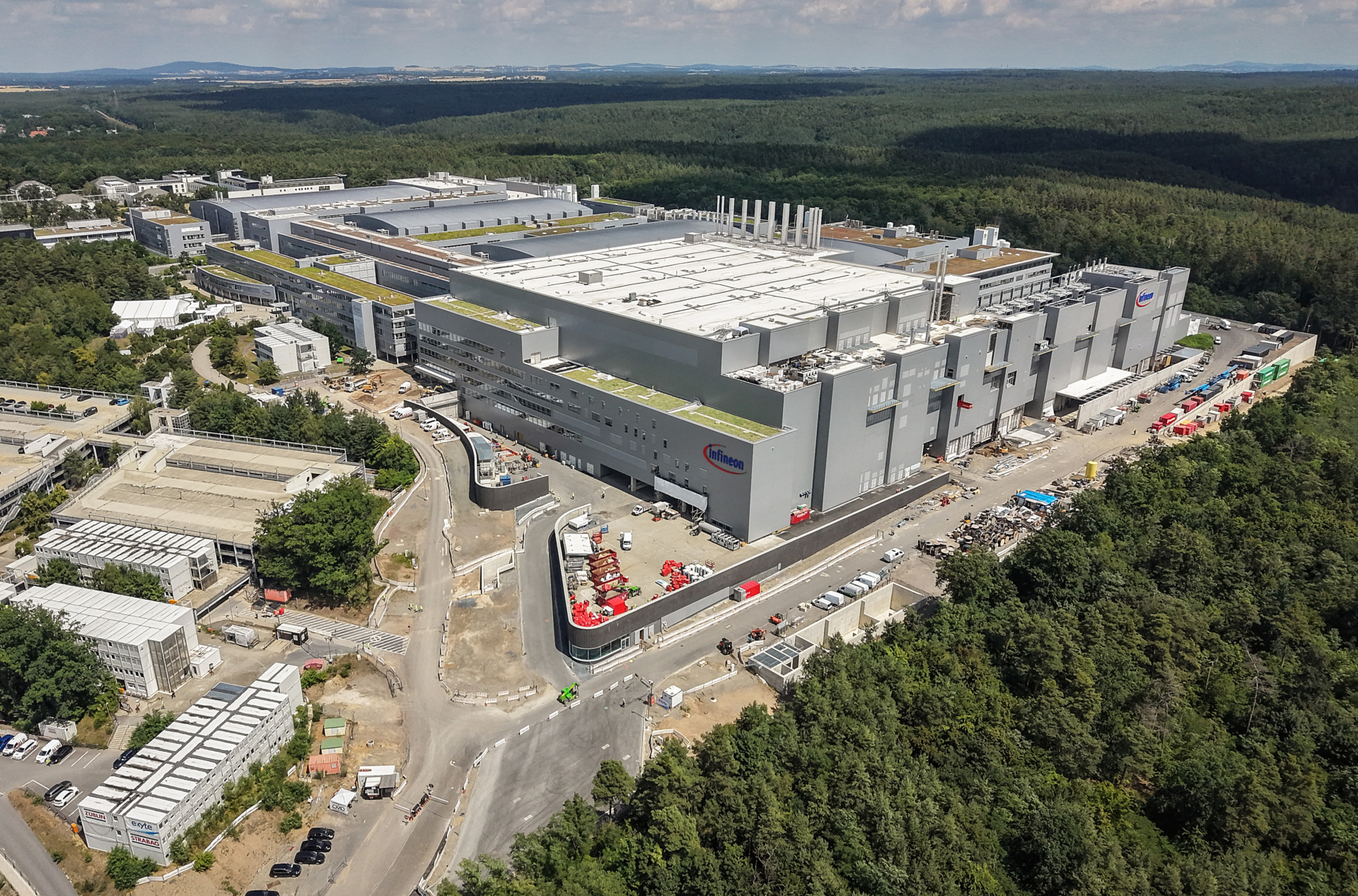
China's Chipmakers Race for Self-Sufficiency Despite US Controls
The Economist reported July 7, 2026 that China's semiconductor industry is accelerating efforts to achieve domestic self-sufficiency in chip design and manufacturing, employing workarounds to circumvent US export controls. The report highlights the intensifying tech competition between the US and China, where each side pursues parallel supply chains independent of the other.
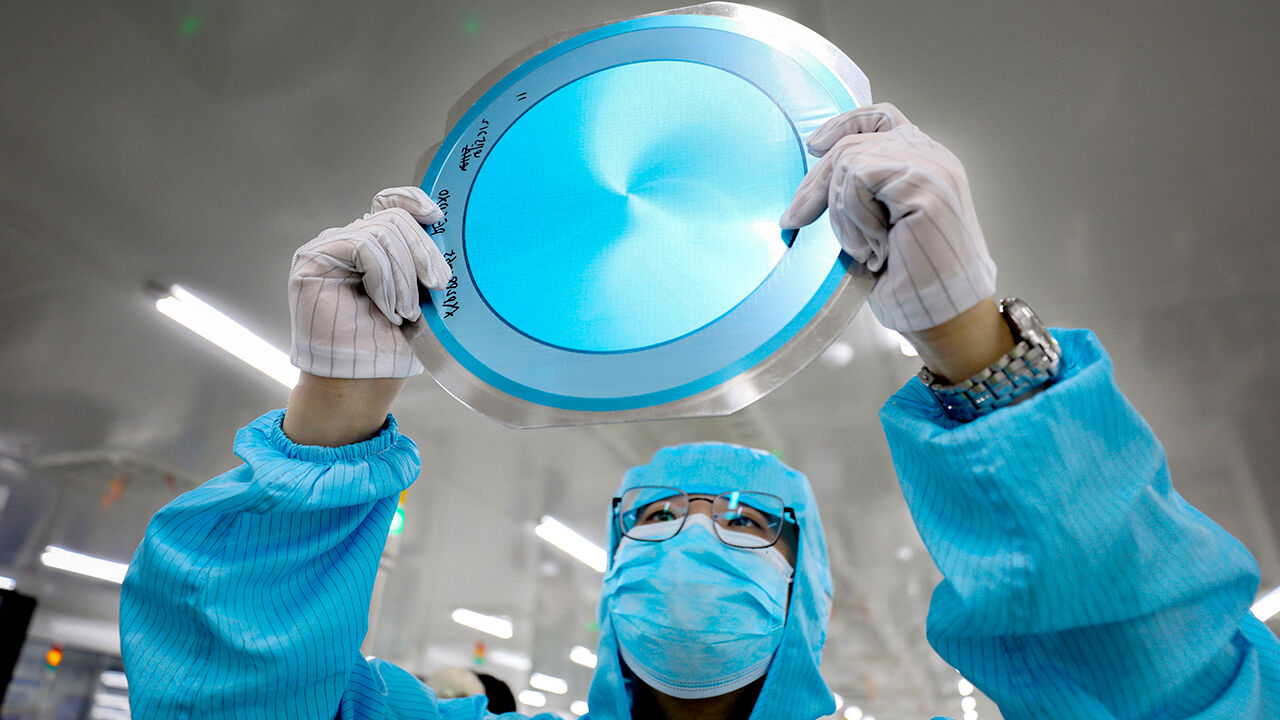
US Lawmakers Push AI and Semiconductor Export Controls in FY2027 NDAA
A coalition led by FDD Action is pressing Congress to fold five separate AI and semiconductor export control bills into the FY2027 National Defense Authorization Act, signaling intensifying legislative focus on semiconductor supply chain security and AI chip restrictions.
Market Moves & Earnings
Semiconductor Industry Forecast to Exceed $1 Trillion in 2026 Sales
Tom's Hardware reported February 6, 2026 that the global semiconductor industry is on track to top $1 trillion in sales in 2026, following a record $791.7 billion haul in 2025 (up 25.6% year-over-year). This milestone reflects AI infrastructure demand, but also masks underlying supply chain consolidation and capacity constraints among the leaders.
China's CXMT DRAM Challenger Targets $50 Billion Revenue in 2026
SemiAnalysis reports that China's CXMT (Changxin Memory Technologies) is positioned to challenge global DRAM incumbents, with 1H26 revenue expected to grow 7x year-over-year and full-year 2026 revenue potentially exceeding $50 billion. This emerging competitor adds pressure to the DRAM market amid broader geopolitical semiconductor competition.
Deep Dive: TSMC's Advanced-Node Fortress vs. Collapsing Intel Timeline
This week's most consequential development is the widening gap between TSMC's rapidly scaling 2nm production and Intel's shocking slip of its 14A node beyond 2030—a four-year delay that fundamentally reshapes the foundry battlefield.
What happened: DIGITIMES Intelligence analysis confirmed that TSMC has not only maintained but widened its lead in advanced-node capacity and speed-to-market. TSMC's 2nm production is ramping ahead of prior expectations. In stark contrast, Intel's 14A process—the cornerstone of CEO Lip-Bu Tan's IDM 2.0 transformation strategy announced in March 2025—now won't reach volume production until after 2030. This represents a catastrophic miss in Intel's roadmap to recapture foundry share from TSMC.
Strategic implications: Intel's delay is not merely a timeline slip; it signals that the company's $100+ billion manufacturing bet on IDM 2.0 is structurally flawed. While TSMC and Samsung continue ramping 3nm and below, Intel will be stuck on 18A-20A nodes through the late 2020s. This means Intel cannot credibly compete for cutting-edge AI chip manufacturing—the highest-margin, fastest-growing segment. Samsung, meanwhile, is filling its 4nm nodes with HBM4 demand, showing that secondary players can still capture profitable niches while waiting for TSMC overflow.
Competitive landscape shift: The landscape now divides into tiers: (1) TSMC with uncontested 2nm leadership and a 2–3 year gap to competitors; (2) Samsung with 3nm and 4nm competing for overflow and specialized workloads (HBM, memory interfaces); (3) Intel, once the industry's manufacturing titan, relegated to mature-node and foundry outsourcing discussions; and (4) new entrants (China's CXMT in DRAM, potential rivals underpricing TSMC) nibbling at legacy segments. The "potential new rival" referenced by the Motley Fool likely targets TSMC's lower-margin 5nm–7nm nodes, not its 2nm fortress, underscoring that TSMC's dominance is now tiered rather than universal.
This shift has profound implications for geopolitics: TSMC's manufacturing moat becomes deeper, reinforcing Taiwan's indispensability to the US AI strategy. Intel's failure also heightens US dependence on TSMC and Samsung for advanced chips, making export controls and allied coordination even more critical—and politically fraught.
What to Watch Next Week
-
Intel Earnings & IDM 2.0 Update: Intel's Q2 2026 earnings call will reveal management commentary on the 14A delay and revised foundry strategy. Market reaction could signal how Wall Street values a delayed turnaround plan.
-
Samsung Foundry Guidance: Watch for Samsung's commentary on HBM4 demand sustainability and whether it can convert 4nm overflow into sustained foundry market share gains.
-
US-Taiwan Semiconductor Dialogue: Ongoing discussions between US policymakers and TSMC on capacity allocation, geopolitical risk, and the feasibility of US advanced-node fabs may yield new public commitments or regulatory signals.
-
CHIPS Act Funding Announcements: Congress or the Commerce Department may release details on fab workforce training grants or labor visa expansions to address the supply-side constraint revealed in this week's Bloomberg report.
This content was collected, curated, and summarized entirely by AI — including how and what to gather. It may contain inaccuracies. Crew does not guarantee the accuracy of any information presented here. Always verify facts on your own before acting on them. Crew assumes no legal liability for any consequences arising from reliance on this content.
Powered by
