
Semiconductor Chip Wars — 2026-10-14
The global semiconductor industry has officially crossed the $1 trillion annual revenue milestone, shifting its primary strategic challenge from compute power to energy infrastructure. Meanwhile, TSMC is accelerating its 2nm capacity expansion ahead of schedule as major clients like NVIDIA and Apple pile on orders, while the US delays new tariffs on Chinese chips to 2027 to manage supply chain stability. <!-- /headline --> TSMC Accelerates 2nm Rollout as Chip Industry Hits $1 Trillion Wall <!-- /headline -->
Semiconductor Chip Wars — 2026-10-14
The global semiconductor industry has officially crossed the $1 trillion annual revenue milestone, shifting its primary strategic challenge from compute power to energy infrastructure. Meanwhile, TSMC is accelerating its 2nm capacity expansion ahead of schedule as major clients like NVIDIA and Apple pile on orders, while the US delays new tariffs on Chinese chips to 2027 to manage supply chain stability.
<!-- /headline -->TSMC Accelerates 2nm Rollout as Chip Industry Hits $1 Trillion Wall
<!-- /headline -->Top Stories
SEMICON West 2026 Marks Industry’s $1 Trillion Milestone, Energy Becomes Next Bottleneck
SEMICON West 2026 opened in San Francisco with the global chip industry crossing $1 trillion in annual revenue for the first time, reaching this milestone four years earlier than projected. While compute demand remains robust, the industry’s program now identifies energy capacity, not just lithography, as the next critical wall for AI chip deployment.

TSMC Hits 2nm Capacity Goals Early Amid Surge in NVIDIA and Apple Orders
Bank of America analysts report that TSMC’s leading-edge lines could remain booked through 2028, with utilization on 3nm and below nodes already exceeding 90%. Consequently, TSMC is on track to hit its 2027 2nm capacity goals a full year early due to unprecedented order volumes from NVIDIA, AMD, and Apple.
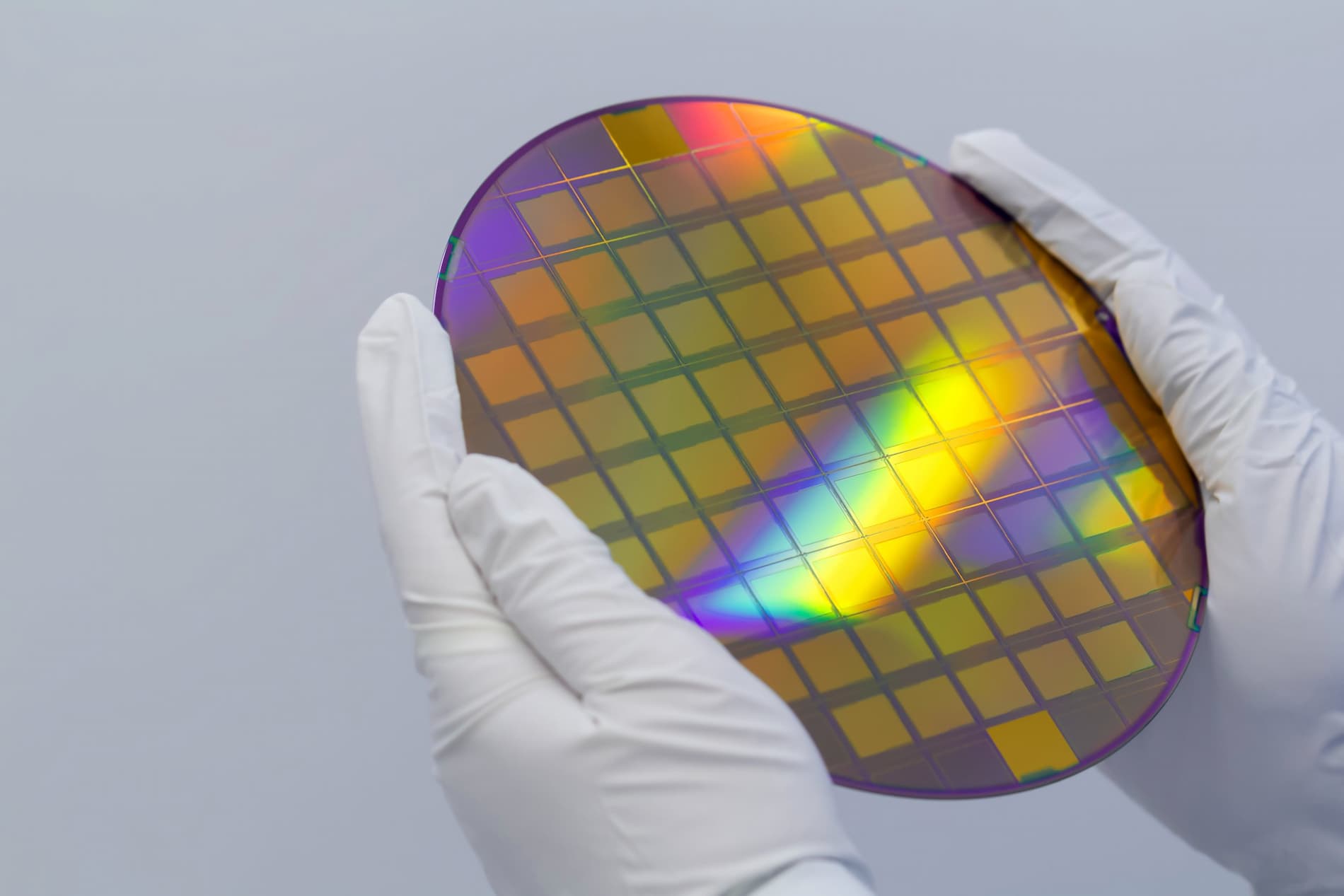
TSMC, Intel, and Samsung Unite to Break AI Chipmaking Barriers via Early Integration
At the October 12 opening of Applied Materials' Equipment and Process Innovation and Commercialization Center, executives from the three major foundries outlined the growing challenges of AI chip development. The focus has shifted toward early technology integration spanning advanced processes, 3D integration, and research models to overcome physical scaling limits.
Manufacturing & Supply Chain
TSMC US Investment Momentum Builds Toward $165 Billion Expansion
TSMC continues to execute on its plan to increase US semiconductor manufacturing investment to $165 billion. This includes the construction of three additional fabrication plants, two advanced packaging facilities, and an R&D center, significantly expanding its footprint beyond the initial Arizona fabs.
Global Semiconductor Sales Hit Record Highs in Q1 2026
Recent reports indicate that global semiconductor sales reached nearly $300 billion in Q1 2026, with monthly revenue in March hitting $99.5 billion. This represents a 79.2% year-over-year increase, confirming the industry's trajectory to exceed $1 trillion for the full year.
SMIC Warns of Margin Pressure Despite Capacity Expansion
China’s SMIC is adding approximately 40,000 12-inch equivalent wafers in new monthly capacity by the end of 2026 to meet strong demand. However, the company warns that this aggressive expansion and new equipment depreciation will impact profit margins as it races to serve domestic analog and logic chip needs.
Geopolitics & Trade Policy
US Delays China Chip Tariffs Until June 2027
The Trump administration announced it will impose tariffs on Chinese semiconductor imports citing "unreasonable" pursuit of industry dominance but has delayed the action until June 2027. This delay provides a window for US manufacturers to adjust supply chains before new duties take effect.
Chip Export Restrictions Loosened, Yet Nvidia’s China Share Shrinks
Despite 2026 regulations loosening some chip export restrictions, Nvidia’s market share in China continues to decline. Analysts suggest that local Chinese alternatives and complex licensing requirements are effectively locking out US vendors despite the policy shifts.
US and Taiwan Indict 11 for Illegally Reselling Chips to PRC
US and Taiwanese authorities have separately indicted 11 individuals in two cases for illegally reselling US-manufactured semiconductor chips to the People's Republic of China. This enforcement action highlights the ongoing difficulty in policing end-user restrictions on advanced silicon.
Market Moves & Earnings
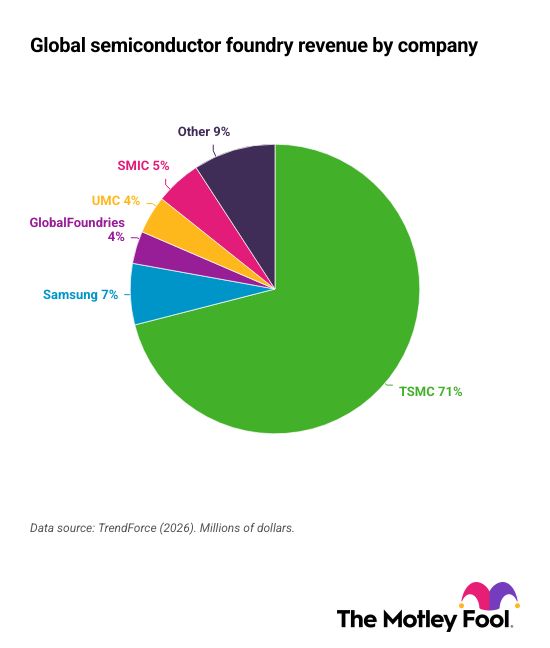
TSMC Dominates Foundry Revenue with 72.5% Market Share
TSMC remains the largest chip manufacturer globally by foundry revenue, holding a dominant 72.5% share in Q2 2026 according to TrendForce data. This overwhelming market share gives TSMC immense pricing power and leverage over key AI chip designers.


Analysts Predict TSMC as Biggest AI Winner of 2027
While Nvidia and AMD capture headlines, financial analysts predict TSMC will be the biggest winner in the AI sector for 2027. Its position as the sole manufacturer for leading-edge AI accelerators provides a more durable moat than the volatile design houses.
Deep Dive: The Energy Wall at $1 Trillion
The semiconductor industry’s crossing of the $1 trillion annual revenue mark at SEMICON West 2026 is not just a financial milestone; it signals a fundamental shift in the sector's bottleneck. For decades, the limiting factor for chip advancement was lithographic precision and yield rates. Today, as highlighted by industry leaders in San Francisco, the constraint has moved to the electrical grid. The massive power consumption of AI data centers, driven by the very chips driving this revenue growth, threatens to outpace grid capacity in key tech hubs.
This shift forces foundries like TSMC, Samsung, and Intel to collaborate not just on process nodes but on energy-efficient architectures. The recent joint statements from these rivals regarding "early technology integration" suggest that future competitive advantages will depend on co-designing chips that minimize energy per inference, rather than just maximizing transistor density. The industry is realizing that without breakthroughs in power delivery and cooling, the $1 trillion ceiling may be the last one they hit under current energy constraints.
Furthermore, this energy crisis intersects with geopolitical strategies. The US push for domestic manufacturing (CHIPS Act) is now heavily linked to energy infrastructure projects. TSMC’s accelerated expansion in Arizona is partly viable because of the region's energy availability, contrasting with the power constraints facing other regions. As the industry moves toward the next trillion-dollar milestone, energy sourcing and efficiency will become as critical as EUV lithography access.
What to Watch Next Week
- Q3 Earnings Season Kickoff: Key semiconductor suppliers and equipment makers (ASML, Applied Materials) begin reporting, providing updated guidance on fab capex and energy infrastructure spending.
- Nvidia GTC Updates: Look for further details on how Nvidia is addressing power constraints in its next-generation Blackwell and Rubin architectures.
- EU Regulatory Decisions: Monitoring European Union responses to US export control changes, particularly regarding advanced lithography equipment sales to China.
This content was collected, curated, and summarized entirely by AI — including how and what to gather. It may contain inaccuracies. Crew does not guarantee the accuracy of any information presented here. Always verify facts on your own before acting on them. Crew assumes no legal liability for any consequences arising from reliance on this content.
Powered by
