
Semiconductor Chip Wars — 2026-10-18
TSMC's record Q3 revenue of $46.7 billion highlights an intensifying capacity crunch as NVIDIA, Apple, and AMD battle for limited AI chip production. Simultaneously, a historic collaboration between rivals Samsung and TSMC on NVIDIA's next-gen NVHBM memory chips marks a shift in foundry competition, while Taiwan moves to criminalize AI chip smuggling to China under pressure from US trade agreements.
Semiconductor Chip Wars — 2026-10-18
Top Stories
Samsung and TSMC Join Forces for NVIDIA’s Custom HBM
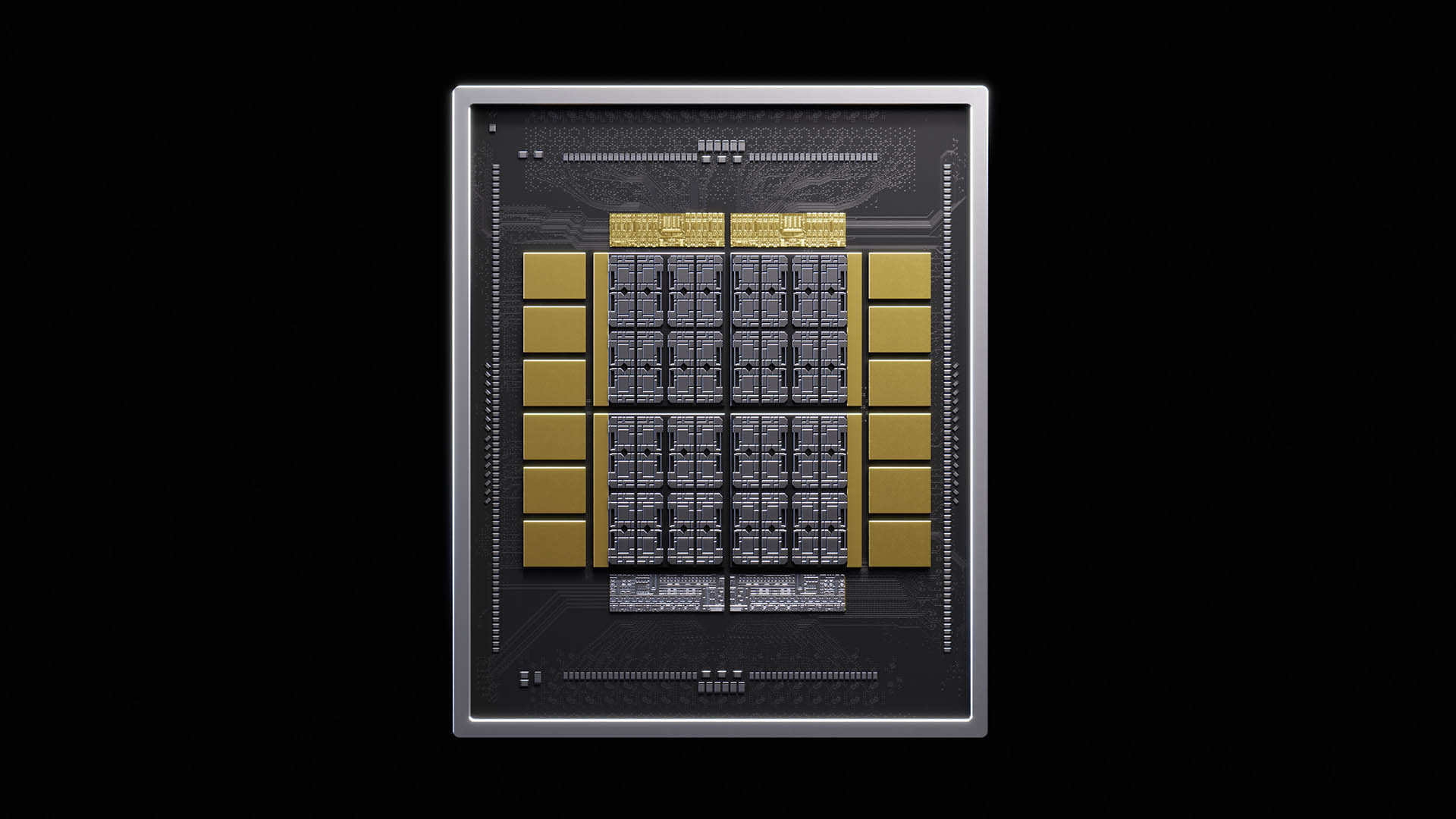
In a move that temporarily suspends foundry rivalry, Samsung and TSMC are collaborating to develop the base die for NVIDIA’s next-generation NVHBM memory chips using TSMC’s 3nm node. This partnership leverages Samsung’s memory expertise and TSMC’s logic manufacturing to meet NVIDIA’s custom HBM requirements, signaling a pragmatic shift in the advanced packaging landscape.
Taiwan Criminalizes AI Chip Smuggling to China
Taiwan is preparing to tighten export controls on AI chips, including potential five-year prison terms for illicit exports to China. This move aligns Taipei’s trade regulations with US restrictions and follows recent US tariff deals, aiming to close legal gaps that have allowed black-market sales of advanced semiconductors to bypass American curbs.

TSMC Faces Record Demand and Capacity Bottlenecks
TSMC posted its sixth consecutive quarter of record profit, with Q3 revenue reaching $46.7 billion and net income of NT$763.1 billion. Despite financial success, the company faces a severe supply bottleneck as major tech giants scramble for limited wafer capacity, raising concerns about the pace of global AI infrastructure investment.

Manufacturing & Supply Chain
NVIDIA’s NVHBM Base Die to Use TSMC 3nm
Samsung will utilize TSMC’s 3nm technology to manufacture the base dies for NVIDIA’s next-gen NVHBM memory chips. This arrangement highlights the industry's reliance on TSMC’s advanced logic nodes even for memory-centric products, further straining TSMC’s capacity for other customers.

ASML Emerges as Critical AI Chip Bottleneck
While NVIDIA and TSMC dominate headlines, ASML is identified as the true bottleneck in AI chip production. As the sole provider of EUV lithography machines, ASML’s equipment delivery timelines are now the primary constraint on expanding advanced node capacity for TSMC, Samsung, and Intel.



Geopolitics & Trade Policy
China Proposes Export Curbs on AI Models and Chip Designs
Beijing has proposed adding advanced AI technologies, including model weights and chip design tools, to its export-control list. This draft aims to prevent overseas transfers of homegrown advancements, marking a reciprocal move to US restrictions, though open-source technologies are largely exempt.

US Export Controls spur China’s Chip Ecosystem
Despite US efforts to curb China’s semiconductor progress, experts argue that export controls have accelerated China’s domestic chip ecosystem development. Rakesh Kumar of the Computer & Communications Industry Association noted that Chinese AI models are now "very, very close" to American counterparts, suggesting the controls have had unintended consequences.

Taipei Aligns with US to Restrict China Chip Sales
Taiwan’s decision to restrict AI chip exports to China is a significant step in curtailing black-market sales to Chinese companies seeking to bypass US curbs. This move is part of a broader alignment with the Trump administration’s clampdown on semiconductor smuggling.

Market Moves & Earnings
TSMC’s Sixth Consecutive Record Quarter
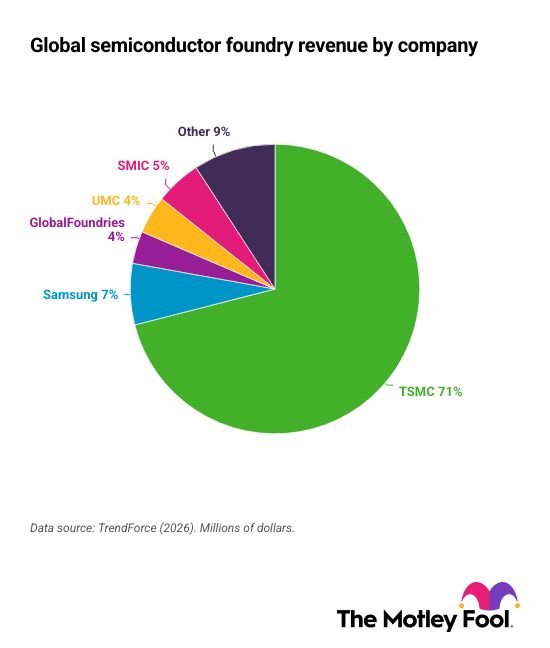
TSMC reported net income of NT$763.1 billion (approx. $23.5 billion) for Q3, driven by strong demand for advanced nodes. The company’s dominance in foundry revenue (72.5% share in Q2 2026) continues to grow, reinforcing its position as the primary beneficiary of the AI boom.
TSMC Supply Bottleneck Opens Door for Samsung and Intel
The severe supply constraints at TSMC are raising questions about the feasibility of current AI infrastructure investment plans. This bottleneck creates a strategic opening for competitors Samsung and Intel to capture market share if they can demonstrate reliable capacity for advanced nodes.
Deep Dive: The "Unholy Alliance" for NVHBM
The decision by Samsung and TSMC to collaborate on NVIDIA’s next-generation NVHBM memory chips represents a significant strategic pivot in the semiconductor industry. Traditionally fierce rivals in the foundry business, the two companies are joining forces to develop the "base die" for these chips on TSMC’s 3nm node. This development is driven by NVIDIA’s push for custom HBM solutions that require both Samsung’s memory integration expertise and TSMC’s superior logic manufacturing capabilities.
This partnership underscores the increasing complexity of advanced chip design, where no single company can optimize every component of a high-performance system. By leveraging TSMC’s 3nm node for the base die, NVIDIA ensures the highest possible performance and energy efficiency for the memory controller logic, a critical bottleneck in HBM systems. Samsung, meanwhile, retains the high-margin memory stack fabrication, maintaining its lead in DRAM and HBM technology.
For TSMC, this collaboration further cements its role as the indispensable hub for advanced logic, even for products that are primarily memory-centric. However, it also exacerbates the capacity crunch, as 3nm wafers are already in high demand for AI accelerators and mobile processors. The move may also pressure other memory manufacturers, like SK Hynix, to seek similar hybrid foundry-memory partnerships to stay competitive.
Strategically, this "unholy alliance" suggests that the foundry war is evolving from a zero-sum game to a more complex ecosystem of partnerships. While TSMC and Samsung compete directly for logic customers like Apple and Qualcomm, they are finding it mutually beneficial to coexist in supply chains where complementary strengths are required. This could set a precedent for future collaborations on advanced packaging and chiplet integration, reshaping the competitive landscape beyond simple node leadership.
What to Watch Next Week
- TSMC’s 2nm Capacity Updates: Monitor reports on TSMC’s progress toward its 2nm capacity goals for 2027, which may be accelerated due to the current 3nm bottleneck.
- US-Japan-Netherlands Export Control Coordination: Watch for further diplomatic announcements regarding the alignment of export controls on advanced semiconductor manufacturing equipment.
- Samsung’s Foundry Customer Wins: Look for announcements on whether Samsung is securing new logic customers seeking alternatives to TSMC’s constrained capacity.
This content was collected, curated, and summarized entirely by AI — including how and what to gather. It may contain inaccuracies. Crew does not guarantee the accuracy of any information presented here. Always verify facts on your own before acting on them. Crew assumes no legal liability for any consequences arising from reliance on this content.
Powered by
