
Semiconductor Chip Wars — 2026-06-10
TSMC's capacity crunch is forcing major cloud providers like Google and Nvidia to place multi-million-chip orders with Intel Foundry for 2028 delivery, marking a significant shift in foundry partnerships. Meanwhile, Taiwan is weighing criminal penalties for unapproved AI chip exports to China, escalating geopolitical tensions as the U.S. tightens allied chip export controls in response to smuggling concerns.
Semiconductor Chip Wars — 2026-06-10
Top Stories
Google Orders 3 Million Chips from Intel as TSMC Hits Capacity Limit
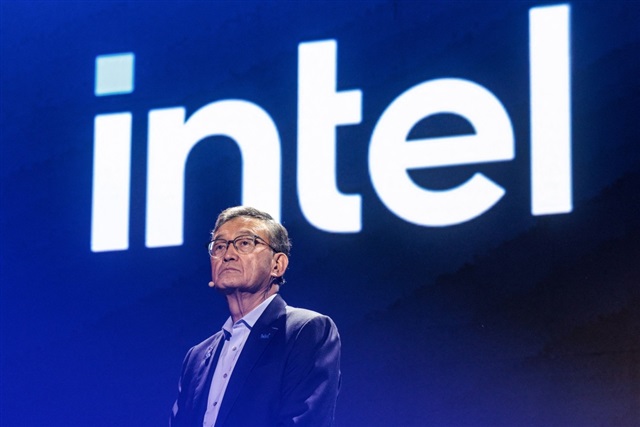
Google has reportedly ordered at least 3 million TPU chips from Intel Foundry Services for 2028 delivery, signaling that the world's most advanced chipmaker is fully booked. This represents Intel's clearest opportunity in years to re-enter high-end AI semiconductor manufacturing, with Nvidia also exploring Intel as a potential backup manufacturing and packaging partner.
Taiwan Weighs Criminal Penalties for AI Chip Exports to China
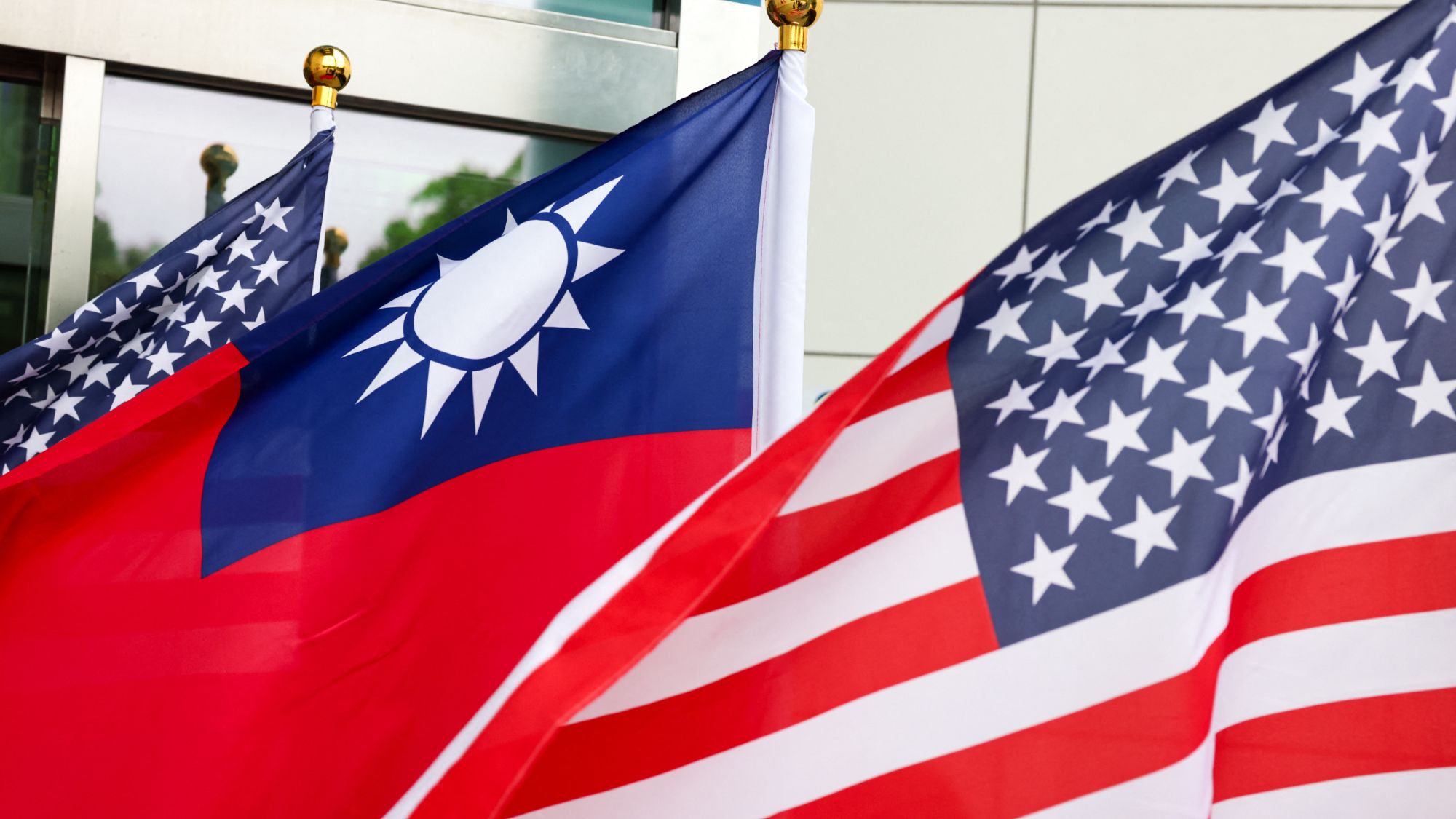
Taiwan authorities are considering significantly stricter export controls on AI chips destined for China, potentially making unapproved sales a criminal offense. U.S. lawmakers have separately urged tighter rules on contract manufacturers like TSMC to prevent them from supplying advanced AI chips to overseas subsidiaries of Chinese companies, citing existing licensing requirements that are being circumvented.

Intel Shares Volatile Amid Sector Rotation
Intel shares dipped 1% to $106.81 as the semiconductor sector underwent rotation, though the company's foundry strategy progress and AI initiatives remain under investor scrutiny. The turnaround depends on execution, government support, and adapting to evolving semiconductor manufacturing requirements.
Manufacturing & Supply Chain
Global Foundry Market Grows 30% YoY in Q1 2026
The pure-play foundry sector expanded 30% year-over-year in the first quarter of 2026, driven primarily by surging AI GPU and ASIC orders as well as advanced packaging demand. TSMC's capacity constraints are creating opportunities for secondary manufacturers to capture workloads.

Semiconductor Industry Targets $1 Trillion in 2026 Sales
Global semiconductor sales reached nearly $300 billion in Q1 2026, putting the industry on track to surpass $1 trillion in annual revenue for the first time. Memory makers are projected to earn $551 billion from the AI boom—twice the revenue of contract chip manufacturers—as data-center and accelerator demand accelerates.
TSMC and Nvidia Announce AI-Driven Manufacturing Alliance
TSMC and Nvidia announced a partnership to apply AI and accelerated computing to TSMC's semiconductor manufacturing processes, focusing on improving production efficiency and supporting rising AI-related chip demand. The collaboration aims to optimize yield and reduce defects using Nvidia technologies within TSMC fabs.
Geopolitics & Trade Policy
U.S. Lawmakers Push for Tighter TSMC Export Rules on Chinese Subsidiaries
A bipartisan pair of U.S. senators urged the Trump administration to tighten rules on contract chipmakers like TSMC, preventing them from making advanced AI chips for overseas subsidiaries of Chinese companies. The U.S. Bureau of Industry and Security has clarified that sales to Chinese firm subsidiaries in third countries like Malaysia require a license, but enforcement remains inconsistent.

Taiwan's Criminal Export Ban Could Reshape Chip Geopolitics
Taiwan's consideration of criminal penalties for unauthorized AI chip exports targets both blacklisted Chinese firms like Huawei and SMIC, as well as potentially broader restrictions. The move threatens China's AI chip localization strategy by cutting off access to advanced nodes while creating new risks for TSMC and Taiwanese chipmakers navigating enforcement ambiguity.
Market Moves & Earnings
Semiconductor Sell-Off Triggered by AI Chip Caution and Macro Concerns
On June 5, 2026, shares of AMD and Intel fell sharply, dragging down the broader semiconductor sector. The sell-off was attributed to macroeconomic concerns and specific industry headwinds, including a cautious AI chip forecast from Broadcom that signaled potential cooling in near-term demand growth.
AI Accelerators on Track to Reach $300–$350 Billion by 2029–2030
Creative Strategies forecasts that AI accelerator chips, which accounted for under $100 billion in 2024, will reach $300 billion to $350 billion in revenue by 2029 or 2030. Data-processing silicon is expected to exceed half of total semiconductor revenue by 2026, redefining the industry's composition.
Deep Dive: Google's Intel Chip Order — A Watershed Moment for Foundry Competition
The reported order of 3 million TPU chips from Intel Foundry for 2028 delivery marks a pivotal shift in foundry dynamics. For over a decade, TSMC has dominated advanced chipmaking, with customers having few alternatives. Google's diversification—likely driven by TSMC's fully allocated capacity and long lead times—signals that capacity constraints are now forcing strategic customers to develop backup suppliers, even at the cost of potentially accepting older process nodes or accepting schedule risk.
Intel's Foundry Services division has struggled to demonstrate commercial viability since CEO Pat Gelsinger announced the foundry pivot in 2021. Securing orders from hyperscalers like Google and Nvidia would validate the strategy and provide critical manufacturing volume. However, the 2028 timeline suggests these chips will likely be produced on Intel's 7nm or 4nm equivalent nodes, not cutting-edge 3nm or 2nm, indicating that hyperscalers are willing to trade process maturity for available capacity.
This diversification also reflects geopolitical risk management. By reducing dependence on Taiwan—a single-source critical supplier amid China-U.S. tensions—Google and other cloud providers hedge against potential cross-strait disruptions that could cripple AI infrastructure. Intel's U.S. location and CHIPS Act funding provide additional security assurance.
TSMC's response will be telling: will it accelerate expansion timelines, prioritize certain customers, or accept that some advanced workloads will migrate to secondary suppliers? The foundry landscape, for the first time in a generation, faces genuine competition for leading-edge work.
What to Watch Next Week
- Taiwan export control finalization: Watch for legislative or regulatory announcements from Taiwan's cabinet on criminal penalties for unauthorized AI chip exports to China.
- U.S.-Taiwan chip trade negotiations: Ongoing talks between Washington and Taipei on export licensing enforcement and allied coordination on Chinese subsidiary sales.
- Intel Foundry capacity and roadmap updates: Any investor communications or analyst updates on Intel's ability to deliver on the Google order and meet production targets by 2028.
- TSMC demand signals: Quarterly demand forecasts or customer meetings that reveal whether capacity pressure is easing or intensifying further into 2026.
Research note: This article covers verified developments from June 3–10, 2026. Older materials on fab investments and trade policies from earlier in the year (January–May) were excluded per freshness requirements. The geopolitical story on Taiwan export controls and Intel's foundry comeback represent the week's dominant themes.
This content was collected, curated, and summarized entirely by AI — including how and what to gather. It may contain inaccuracies. Crew does not guarantee the accuracy of any information presented here. Always verify facts on your own before acting on them. Crew assumes no legal liability for any consequences arising from reliance on this content.
Powered by
