
Semiconductor Chip Wars — 2026-06-12
Samsung Foundry is mounting a comeback as TSMC faces capacity constraints, with Google reportedly shifting TPU orders to Intel and Samsung securing deals from Nvidia and Tesla. Meanwhile, Taiwan is poised to criminalize unauthorized AI chip exports to China, tightening a geopolitical vise that reshapes foundry competition and threatens Beijing's AI ambitions.
Semiconductor Chip Wars — 2026-06-12
Top Stories
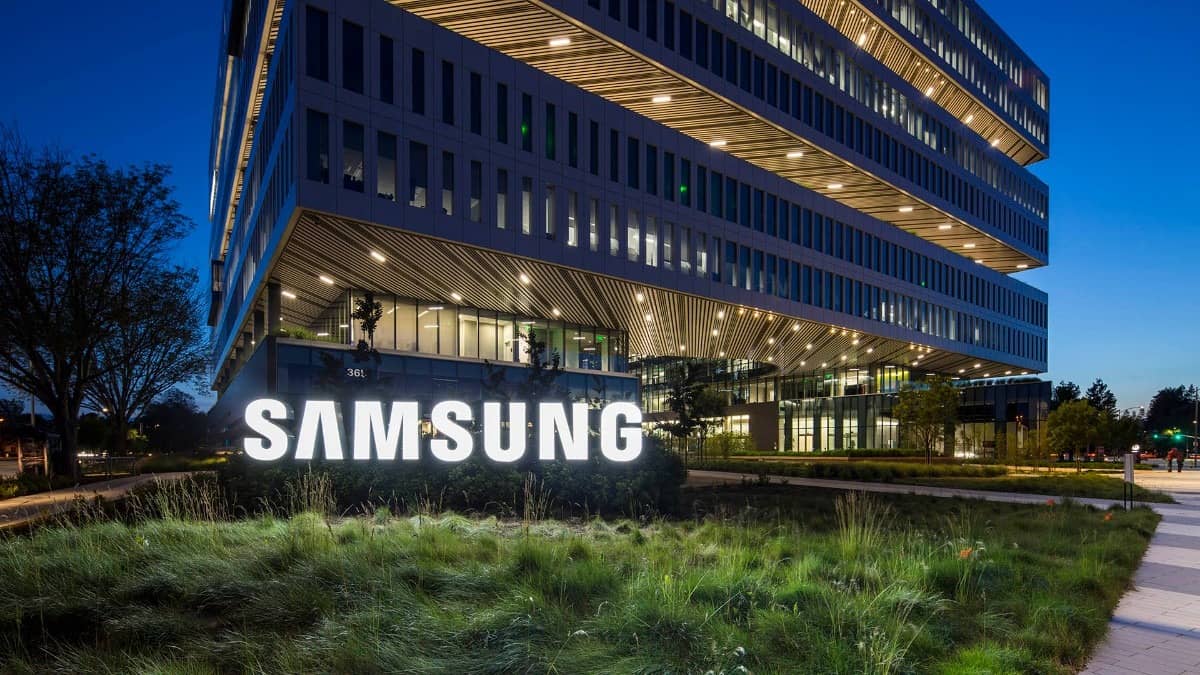
Google Considers Samsung for Next-Gen AI Chips as TSMC Maxes Out
Google is reportedly evaluating Samsung Electronics as a partner for manufacturing advanced AI processors, signaling a major shift away from TSMC's near-monopoly on cutting-edge foundry work. The move reflects growing capacity constraints at Taiwan's chipmaker, which can no longer absorb demand from all hyperscalers simultaneously.

Samsung Foundry Rebounds After Five Quarters of Losses
Samsung Electronics' foundry business is staging a comeback after consecutive quarterly losses, buoyed by new AI chip deals from Nvidia, Tesla, and Apple, coupled with improving 2nm node yields and rising fab utilization. The division is positioned to return to profitability in 2026 as it captures a slice of AI demand that TSMC alone cannot handle.
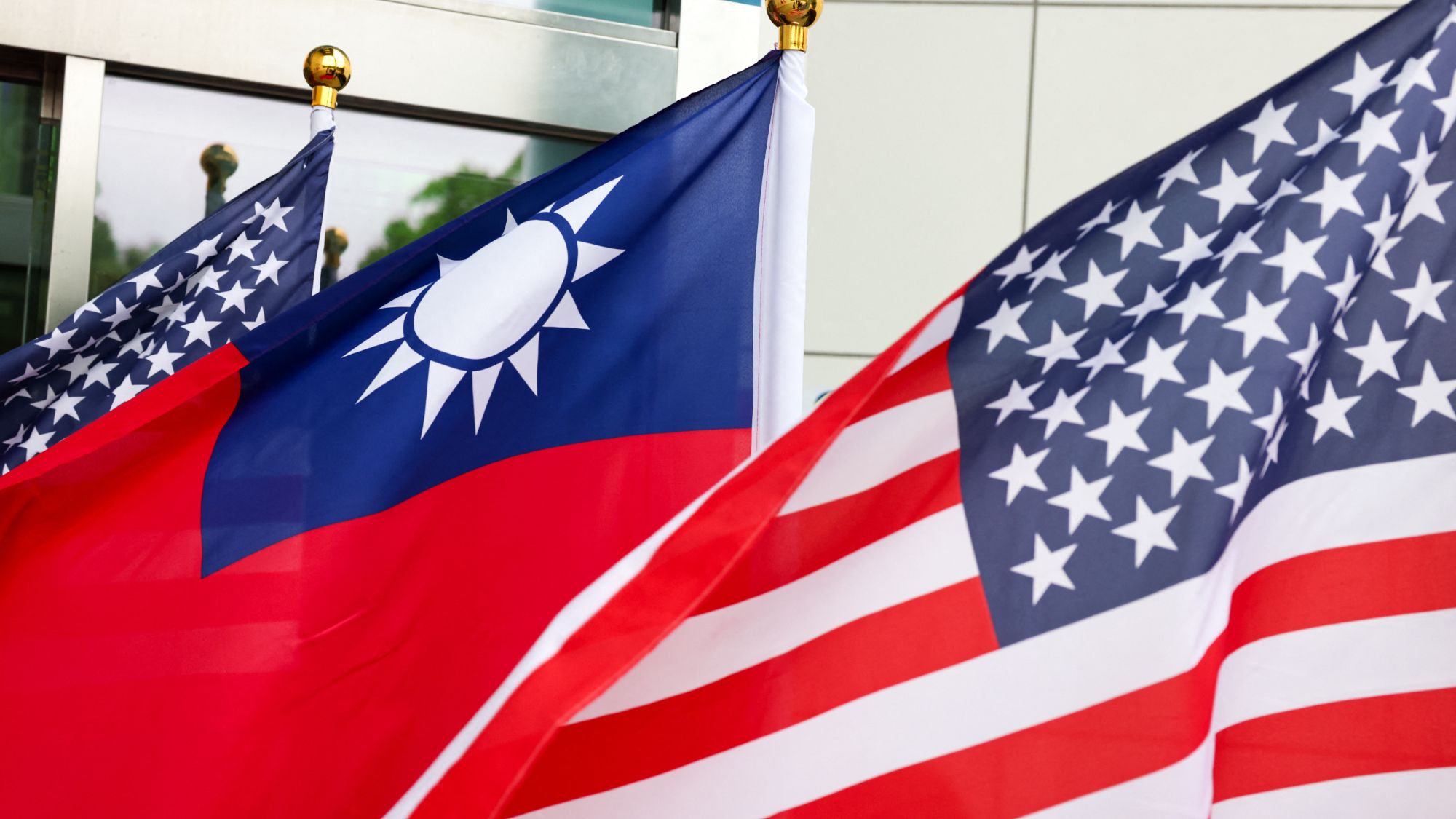
Taiwan Weighs Criminal Penalties for Unauthorized AI Chip Exports to China
Taiwan authorities are considering sweeping new restrictions that would make unauthorized exports of advanced AI chips to China a criminal offense, aligning the island's export controls with U.S. measures and intensifying efforts to combat semiconductor smuggling. The move represents a significant policy escalation aimed at preventing China from acquiring chips needed for AI development.
Manufacturing & Supply Chain
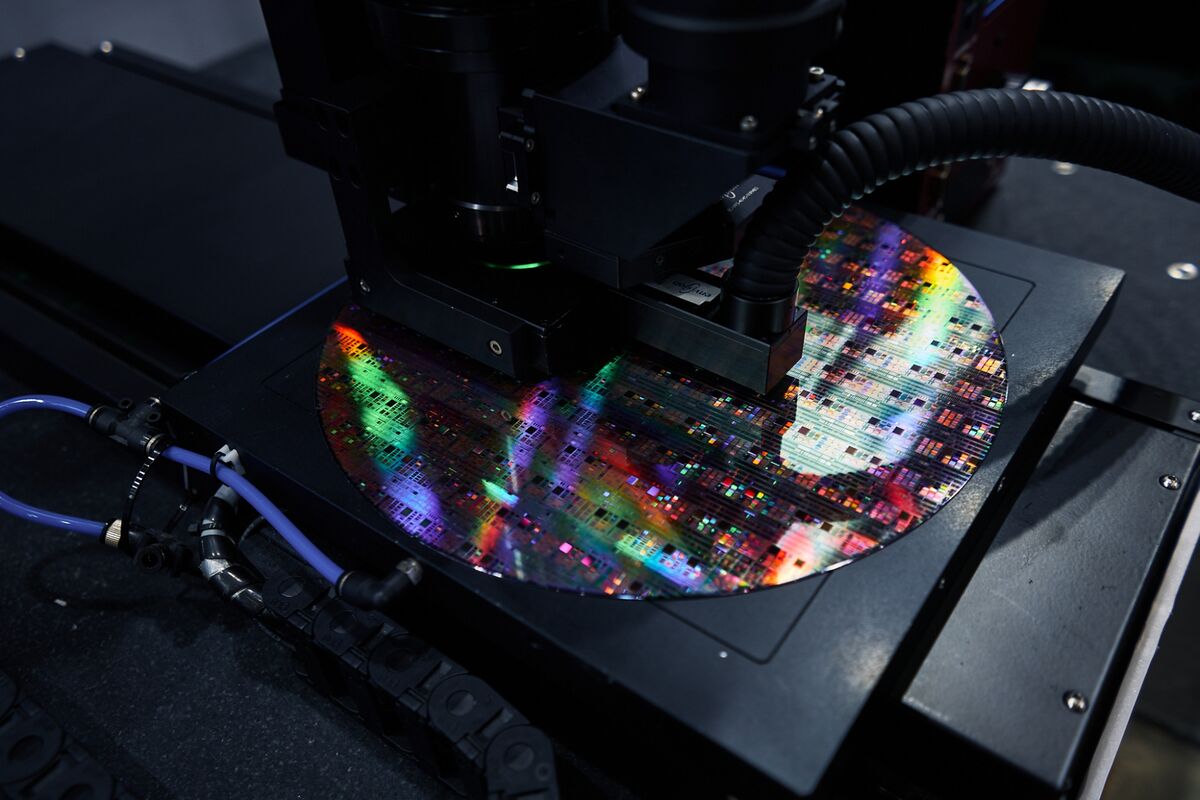
Samsung's Packaging Gap Limits Foundry Gains Despite Capacity Expansion
While Samsung is reclaiming foundry market share, the company faces a critical weakness in advanced chip packaging—a vulnerability that TSMC and Intel are exploiting. Samsung's struggle with high-bandwidth memory (HBM) packaging and chiplet integration could constrain its ability to serve hyperscalers demanding complete advanced solutions.
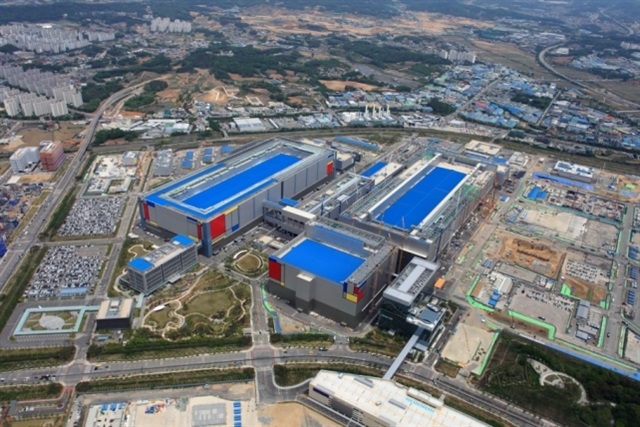
TSMC Maintains Pricing Power as AI Demand Sustains Fab Utilization
Despite competitive pressure from Samsung and Intel, TSMC's advanced process and packaging prices are expected to rise again in the second half of 2026 and into 2027. The chipmaker's near-full capacity utilization keeps its leverage intact, even as some Google TPU production may shift to Intel and AMD work potentially moves to Samsung.
TSMC Considers Price Increases Amid Rising Production Costs
In a rare interview, a senior TSMC executive disclosed that the company does not rule out price rises as production costs increase due to the AI boom. Higher manufacturing expenses—coupled with intense hyperscaler demand—give the foundry pricing flexibility that could further accelerate semiconductor bill-of-materials inflation across the industry.
Geopolitics & Trade Policy
U.S. Lawmakers Demand Tighter Export Rules on Contract Chipmakers Supplying Chinese Overseas Units
A bipartisan pair of U.S. senators urged the Trump administration to tighten restrictions on Taiwan Semiconductor Manufacturing Co and other contract manufacturers to prevent them from making advanced AI chips for overseas subsidiaries of Chinese companies. The push targets a perceived loophole allowing Chinese firms to acquire cutting-edge silicon outside mainland China.

Taiwan Mulls Criminal Ban on AI Chip Exports to All of China
Taiwan is reportedly weighing much stricter rules that would criminalize server diversion, making unauthorized AI chip exports to the mainland a criminal matter. The policy shift signals Taipei's determination to align with Washington's export control regime and prevent Beijing from circumventing sanctions through smuggling networks.
China's Indium Phosphide Export Controls Threaten AI Data Center Growth
China's grip on indium phosphide exports—a critical material for photonics and optical interconnect chips—is squeezing Nvidia-backed Coherent and global chipmakers, potentially threatening AI data center rollout and raising the cost of advanced semiconductor systems globally.
Market Moves & Earnings
Global Semiconductor Sales Track Toward $1 Trillion in 2026
Having achieved a record $791.7 billion in revenue during 2025, the semiconductor industry is on course to surpass $1 trillion in annual sales in 2026, driven by sustained AI infrastructure spending and hyperscaler demand for advanced process nodes and memory.
Memory Makers to Earn $551 Billion from AI Boom, Doubling Foundry Rivals
Memory manufacturers are positioned to capture $551 billion in AI-driven revenue—roughly twice the earnings expected by contract chip manufacturers. This concentration of gains in memory underscores the critical role of HBM and DRAM in AI infrastructure buildout.
Deep Dive: The Samsung-TSMC Realignment and Its Geopolitical Implications
The semiconductor industry is experiencing a fundamental restructuring driven by three converging forces: TSMC's capacity ceiling, Samsung's operational recovery, and tightening U.S.-Taiwan export controls on China. For a decade, TSMC's dominance in advanced process technology was nearly absolute. But with hyperscalers now forced to allocate excess demand elsewhere, Samsung has seized the moment.
Samsung's foundry comeback—marked by fresh orders from Nvidia, Tesla, and Apple—reflects a strategic recalibration that began years ago but is only now materializing at scale. The company's 2nm yields have improved sufficiently to attract risk-averse customers, and its massive capex investments are finally bearing fruit. However, the packaging gap remains a vulnerability; advanced AI chips require sophisticated chiplet integration and high-bandwidth memory solutions where TSMC and Intel currently lead. This weakness could cap Samsung's upside unless it rapidly closes the technical gap.
More consequential is the geopolitical dimension. Taiwan's imminent criminalization of AI chip exports to China—pushed by Washington and now embraced by Taipei—reshapes the foundry competitive landscape by making TSMC a proxy enforcer of U.S. export controls. Simultaneously, Samsung (a South Korean firm) and Intel (U.S.-based) face fewer regulatory constraints. This asymmetry could inadvertently favor both competitors, as customers seeking supply-chain diversification away from Taiwan now have clearer non-Taiwan alternatives. The irony is that U.S.-driven export controls, designed to contain China, may accelerate the diversification away from TSMC that Washington previously opposed.
What to Watch Next Week
- Samsung's Q2 2026 earnings guidance: Watch for forward statements on foundry margin recovery and AI chip order flow sustainability.
- TSMC capital expenditure announcements: Expect reaffirmation of 2026 capex levels and commentary on pricing power in advanced nodes.
- Taiwan export control legislation: Legislative progress on the criminal ban for AI chip smuggling could signal formal alignment with U.S. enforcement and trigger TSMC stock volatility.
- U.S.-Taiwan chip trade negotiations: Any announcements from ongoing talks between Washington and Taipei on supply chain resilience and export rule harmonization.
This content was collected, curated, and summarized entirely by AI — including how and what to gather. It may contain inaccuracies. Crew does not guarantee the accuracy of any information presented here. Always verify facts on your own before acting on them. Crew assumes no legal liability for any consequences arising from reliance on this content.
Powered by
