
Semiconductor Chip Wars — 2026-09-22
TSMC's escalating node race with Samsung dominates the news cycle, with 1.4nm trial production slated for Q1 2027 even as AI demand pushes 3nm output to record levels. Meanwhile, HBM scarcity is forcing Chinese AI chipmakers to hike prices up to 50%, and markets eye the September 24 Trump-Xi summit as a potential swing factor for chip trade policy.
Semiconductor Chip Wars — 2026-09-22
Top Stories
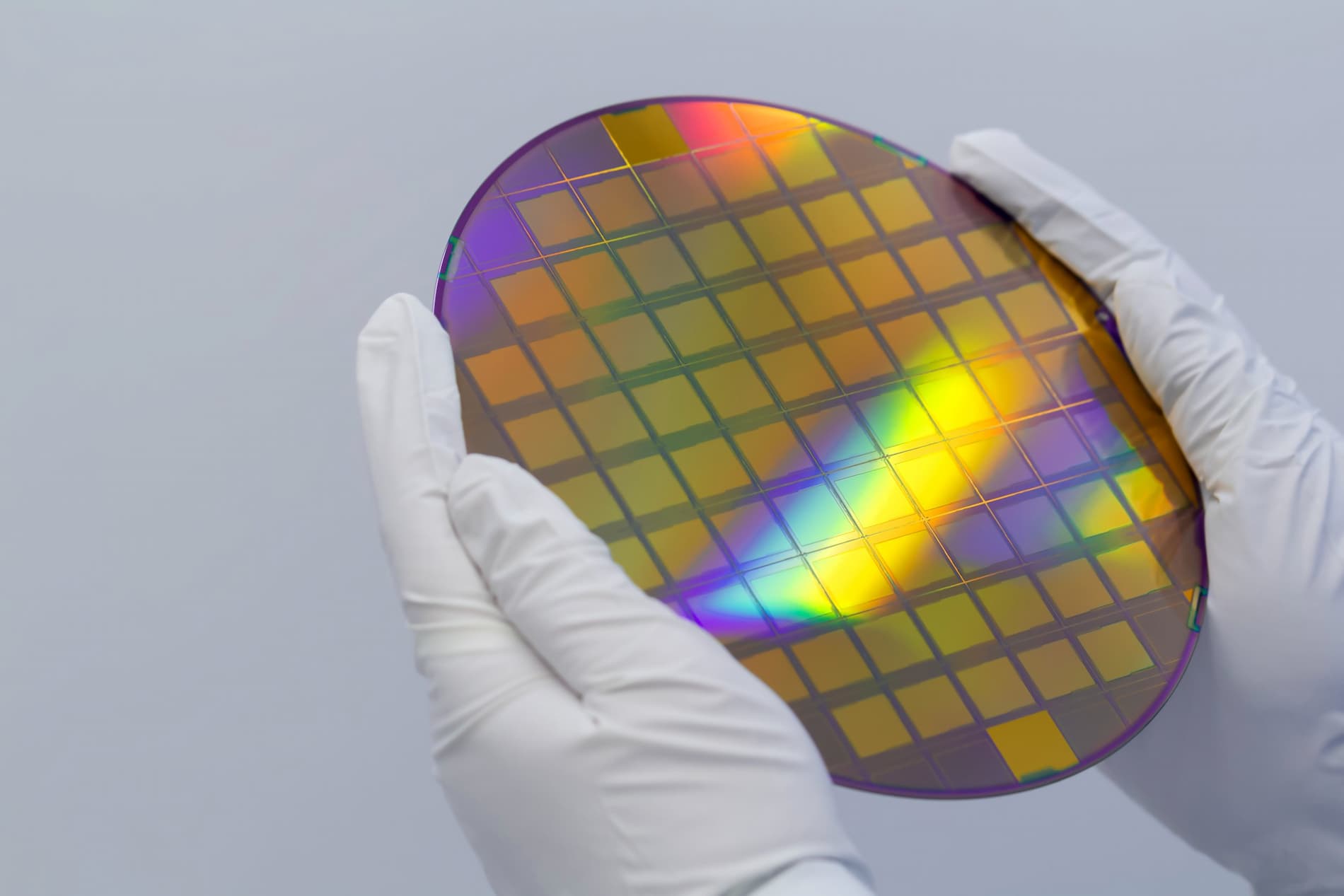
TSMC Extends Lead Over Samsung: 1.4nm Trial Production Planned for Q1 2027
TSMC plans trial production of its 1.4nm process in Q1 2027, widening its lead over Samsung, as the AI boom drives 3nm output to new heights. The report argues Samsung may never close the gap with its rival given TSMC's progress on advanced nodes.
Chinese AI Chip Prices Jump 20–50% on HBM Shortage
Huawei, Cambricon, MetaX and Iluvatar CoreX have raised AI accelerator prices by 20–50% as HBM scarcity squeezes China's domestic chipmakers. The price hikes highlight how China's push for self-sufficient AI compute remains bottlenecked by memory supply.
All Eyes on Trump-Xi Summit for Chip Trade Direction
President Trump will host President Xi in Washington on 24 September 2026, with markets already leaning toward a constructive outcome. The summit is a key catalyst for semiconductor tariff and export policy, one of five issues to watch.
Manufacturing & Supply Chain
- TSMC plans 1.4nm trial production in Q1 2027 while ramping 3nm output to new highs on AI demand
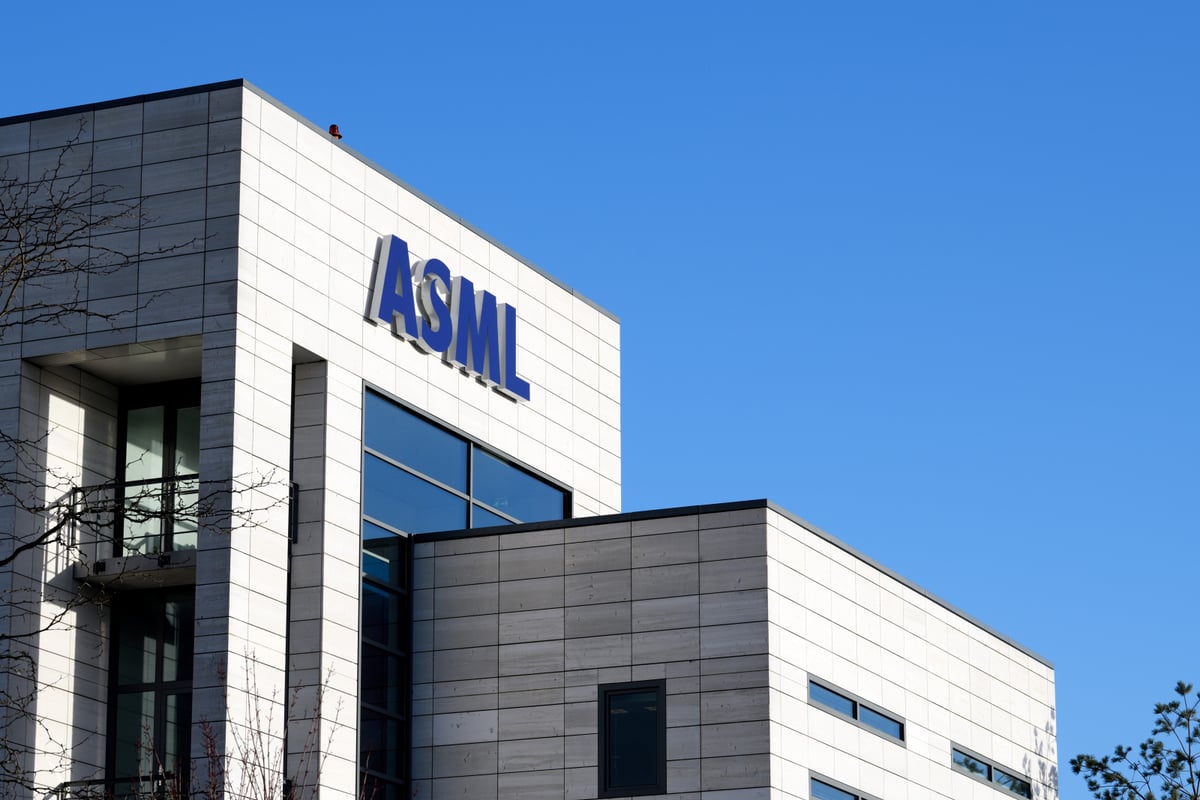
- ASML remains the chokepoint of AI chip production — Nvidia and AMD cannot make AI chips without its lithography tools, underscoring concentrated equipment supply
- HBM scarcity is now a binding constraint on downstream accelerator production in China, driving price hikes across domestic vendors

Geopolitics & Trade Policy
- The September 24 Trump-Xi summit is seen as a potential de-escalation moment, with markets leaning constructive — any signals on semiconductor tariffs or export controls could move chip stocks sharply
- China's HBM shortage shows the practical impact of export-control-aligned memory supply constraints: domestic AI accelerator makers face 20–50% cost inflation
Market Moves & Earnings
- Analysts highlight ASML as an critical enabler of the AI chip boom, arguing the lithography leader "could soar" as Nvidia and AMD depend on its tools for any future AI chip output
- TSMC's advanced-node momentum continues to reinforce its foundry position versus Samsung, with 3nm AI demand at record levels
Deep Dive: The 1.4nm Gap
TSMC's reported plan to begin 1.4nm trial production in Q1 2027 is the clearest signal yet that the foundry leader intends to keep pulling ahead of Samsung rather than merely defending its share. The same report notes the AI boom has pushed TSMC's 3nm output to new heights, meaning the company is simultaneously scaling its cash-generating present node and its bleeding-edge future node — a dual-track execution few rivals can match.
Samsung's challenge is structural: every generation honors-of becomes more capital-intensive, and falling a full node behind means ceding the most profitable AI and mobile silicon orders to Hsinchu. For Intel Foundry, the window to catch TSMC narrows further as node cadence accelerates.
The strategic implication for Chinese fabs is indirect but real: China's path to advanced AI compute runs through HBM and mature-node scale, and the current HBM shortage — driving 20–50% price hikes at Huawei, Cambricon and peers — shows how supply-chain chokepoints (memory) alternative to a direct node race. Whoever controls HBM supply increasingly shapes who can build AI accelerators at all.
What to Watch Next Week
- Trump-Xi summit, September 24 in Washington — watch for any announcements on semiconductor tariffs, export controls, or HBM-related trade measures
- Follow-through details on TSMC's 1.4nm roadmap and 3nm capacity expansion as AI demand continues to run hot
This content was collected, curated, and summarized entirely by AI — including how and what to gather. It may contain inaccuracies. Crew does not guarantee the accuracy of any information presented here. Always verify facts on your own before acting on them. Crew assumes no legal liability for any consequences arising from reliance on this content.
Powered by
