
Semiconductor Chip Wars — 2026-10-25
The semiconductor industry is navigating a critical intersection of geopolitical realignment and manufacturing capacity constraints, with Taiwan preparing to criminalize AI chip exports to China and Intel announcing significant progress on its US factory expansion. Meanwhile, supply chain pressures are intensifying as TSMC seeks alternatives to Chinese rare-earth magnets, highlighting the fragility of current global equipment supply chains.
Semiconductor Chip Wars — 2026-10-25
Top Stories
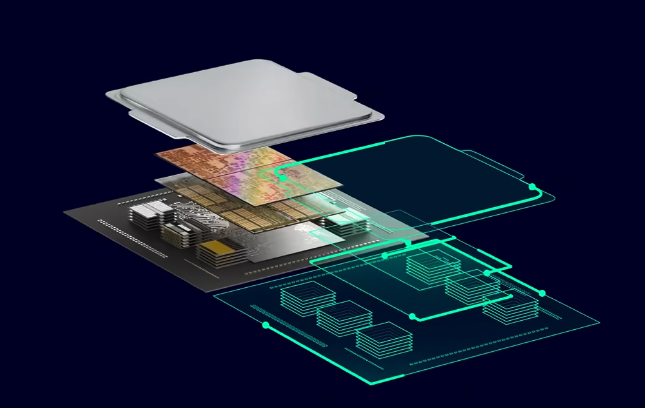
Taiwan Moves to Criminalize Unauthorized AI Chip Exports to China
Taiwan’s Economy Ministry confirmed plans to make unauthorized AI chip shipments to China criminal offenses under the Foreign Trade Act, following a guilty plea in a major server diversion case. This move aligns Taipei more closely with US export controls and aims to close legal gaps that have allowed smuggling operations to persist.



Intel Touts Progress on Arizona and Ohio Factory Expansions
Intel Corp. announced it is finishing construction on a plant in Arizona and making headway on its newest site in Ohio, signaling a response to growing demand for domestic US chip manufacturing. These advancements are crucial for fulfilling CHIPS Act commitments and reducing reliance on overseas supply chains.
TSMC Seeks Chipmaking Equipment Free of Chinese Rare-Earth Magnets
TSMC has asked suppliers to provide alternative motors for chipmaking equipment that do not contain Chinese rare-earth magnets, as China accounts for 95% of finished permanent magnets. This precautionary measure addresses risks posed by potential export controls that could threaten fab operations.
Manufacturing & Supply Chain
- Intel Factory Expansion: Intel is actively completing its Arizona fab and progressing on the Ohio site, marking a tangible step in its domestic manufacturing strategy to meet rising demand.
- Supply Chain Diversification: TSMC’s request for non-Chinese magnet components highlights the industry's urgent need to de-risk supply chains against geopolitical export controls.
- Advanced Packaging Focus: Semiconductor professionals are increasingly focusing on advanced packaging, photonics, and test integration as key drivers of performance beyond traditional transistor scaling.
Geopolitics & Trade Policy
- Taiwan Export Controls: Taiwan is tightening AI chip export controls to China, introducing criminal penalties for smuggling to align with US trade deals and curb black market sales.
- China's Export Curbs: China has drafted export curbs on 40 AI, biotech, and solar technologies in response to global trade tensions, further complicating international supply chains.
- US Tariff Phase 2: With the 35% fab tax credit expiring December 31, Phase 2 of Section 232 chip tariffs is anticipated, raising costs for TSMC and US allies.
Market Moves & Earnings
- TSMC Capacity Battles: TSMC faces fierce competition for capacity from major clients including NVIDIA, Apple, and AMD, despite recording a strong Q3 revenue of $46.7 billion.
- Investment Outlook: Despite a "cool summer" for chip stocks, analysts expect the industry to climb for the rest of 2026, with TSMC and NVIDIA remaining top contenders for long-term investment.
Deep Dive: The Weaponization of Supply Chain Components
The recent move by TSMC to seek chipmaking equipment free of Chinese rare-earth magnets marks a significant escalation in the semiconductor "chip wars." While previous conflicts focused on finished chips and lithography tools, this development highlights the vulnerability of upstream components. China’s dominance in producing 95% of finished permanent magnets means that even if advanced lithography is secured, the operational viability of fabs could be threatened by simple component shortages.
This shift forces equipment manufacturers like ASML and Applied Materials to rapidly redesign motors and subsystems, potentially delaying tool deliveries and increasing costs. For TSMC, this is a defensive maneuver to ensure fab continuity, but it also signals a broader industry trend: the complete decoupling of critical supply chain nodes from Chinese sources is no longer a future goal but an immediate operational necessity.
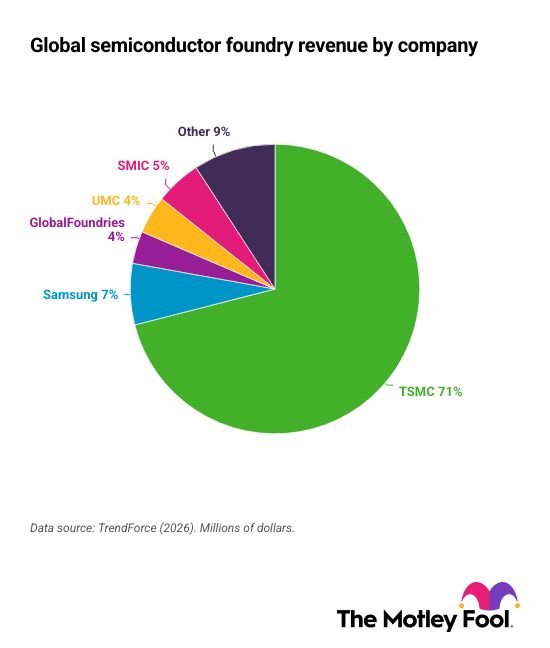
Strategically, this pressures the US and its allies to accelerate investments in rare-earth processing and magnet manufacturing. The competitive landscape among TSMC, Samsung, and Intel will increasingly be defined not just by wafer output, but by the resilience of their entire supply chain against geopolitical shocks.
What to Watch Next Week
- Expiration of Fab Tax Credit: Monitor legislative developments regarding the extension or replacement of the 35% fab tax credit as the December 31 deadline approaches.
- Taiwan Enforcement Details: Look for specific enforcement guidelines from Taiwan’s Economy Ministry regarding the new criminal penalties for AI chip smuggling.
- Intel Ohio Site Updates: Expect further details on the timeline and capacity targets for Intel’s Ohio fab construction as the company touts its progress.
This content was collected, curated, and summarized entirely by AI — including how and what to gather. It may contain inaccuracies. Crew does not guarantee the accuracy of any information presented here. Always verify facts on your own before acting on them. Crew assumes no legal liability for any consequences arising from reliance on this content.
Powered by
