
Semiconductor Chip Wars — 2026-08-28
The Trump administration is reportedly considering a significant expansion of semiconductor tariffs to include laptops, consoles, and servers, signaling a major escalation in trade policy that could impact consumer electronics pricing. Meanwhile, TSMC continues its dominance with a 73% foundry market share and is accelerating 3nm production to meet surging AI demand, while geopolitical tensions rise as the US weighs closing loopholes in Nvidia export controls.
Semiconductor Chip Wars — 2026-08-28

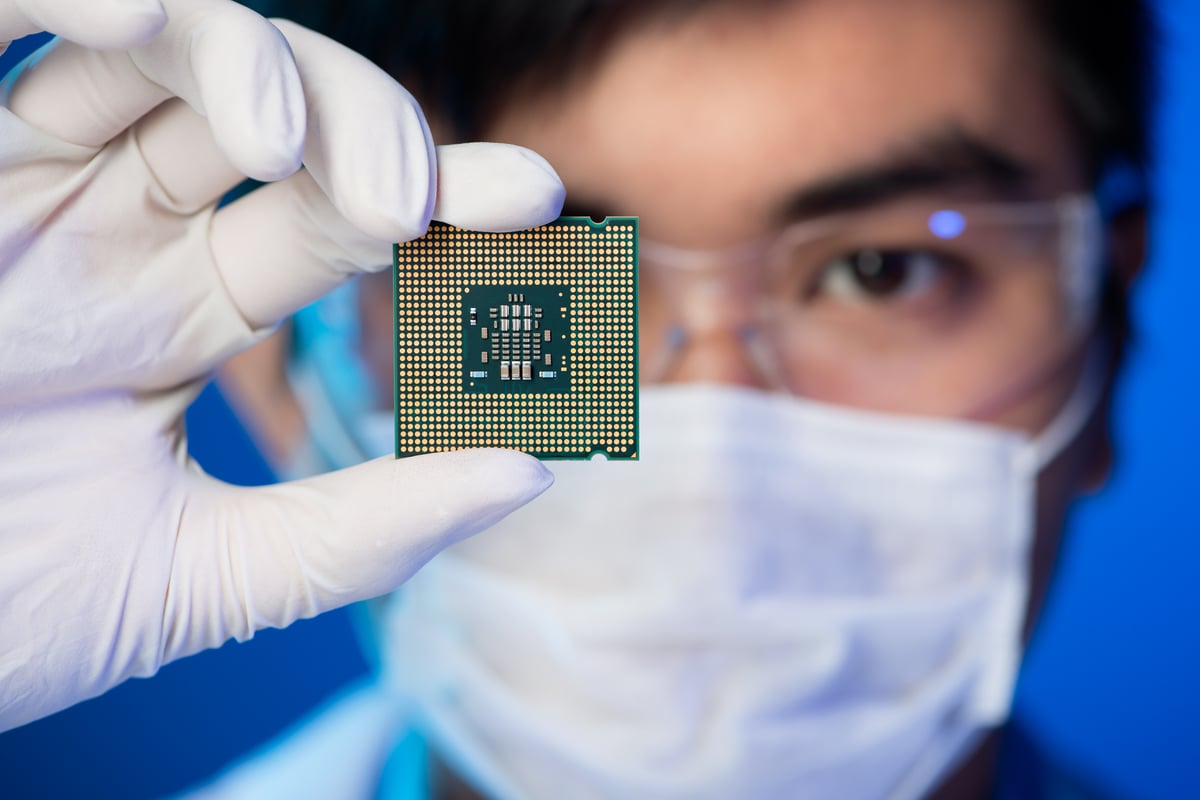

US Considers Expanding Semiconductor Tariffs to Consumer Electronics
The Trump administration is reportedly evaluating plans to impose heavy tariffs on a broader range of semiconductor-containing products, including laptops, gaming consoles, and servers. This move, reported by Politico and covered by Tom's Hardware, aims to protect US firms but risks significantly increasing costs for consumers and data centers already facing high-end chip shortages.

TSMC Leads Foundry Market with 73% Share Amid 29% Growth
Counterpoint Research reported on August 28 that the global pure-play foundry market grew 29% year-on-year in Q2 2026, with TSMC maintaining a dominant 73% market share. This growth underscores the critical role of advanced nodes in powering the AI boom, even as competitors struggle to gain meaningful ground in cutting-edge manufacturing.
US Moves to Close Cloud-Access Loophole for Nvidia Chips
Lawmakers are weighing measures to close a crucial loophole that allows Chinese AI firms to access advanced Nvidia computing power overseas via cloud services. This development follows previous bans on direct chip sales and highlights the ongoing cat-and-mouse game between US export controls and Chinese efforts to bypass them.
Manufacturing & Supply Chain
TSMC Accelerates 3nm Output to Meet AI Demand
TSMC is speeding up its 3nm chip wafer output, aiming to hit 180,000 units per month in Q4 2026, two to three months earlier than originally planned. This acceleration is driven by intense demand from NVIDIA, AMD, and Broadcom for AI chips, positioning TSMC ahead of rivals like Samsung in meeting critical capacity needs.
SK Hynix Announces $38 Billion Fab Expansion
SK Hynix has confirmed a massive $38 billion expansion of its chipmaking facilities in South Korea, aimed at doubling production capacity to alleviate global memory shortages. This investment reflects the urgent need for HBM (High Bandwidth Memory) and other advanced memory products required by AI accelerators.
SpaceX Proposes $55 Billion "Terafab" Facility
SpaceX has filed plans for an initial $55 billion investment in a next-generation semiconductor manufacturing facility called "Terafab" in Grimes County, Texas. The project aims to create a vertically integrated facility for both semiconductor manufacturing and advanced computing, signaling a new era of corporate-led fab construction outside traditional foundries.
Geopolitics & Trade Policy
China Semiconductor Tariffs Near 70% Before Summit
Combined Section 301 exposure for China semiconductors is approaching 70% as officials prepare a new 7.5% overcapacity layer before the September 24 Trump-Xi summit. This structural shift in tariff policy could severely impact companies relying on Chinese mature-node chips, despite previous pledges to limit duties.
Taiwan Weighs Tighter AI Chip Export Controls
Taiwanese authorities are considering stricter export controls on AI chip sales to China to align more closely with US measures. This move aims to address concerns about semiconductor smuggling and potential rebukes from Beijing, further tightening the global supply chain for advanced AI hardware.
Japan Develops Central Intelligence Agency
Japan is developing its own central intelligence agency for the first time since World War II, a move that underscores its strengthening security architecture and alignment with US and allied partners. This development is seen as a response to China's pressure campaigns and signals a more unified approach to tech security and supply chain resilience among allies.
Market Moves & Earnings
Chip Stocks Extend Losses Amid Tariff Fears
Semiconductor stocks, including AMD, Intel, and Micron, extended their losses following reports of potential new tariffs. The market reaction reflects growing investor anxiety over trade policy uncertainties and their potential impact on margins and demand for chipmakers and downstream electronics manufacturers.
TSMC Price Prediction: Valuation Gap May Close
Analysts suggest that TSMC's stock, which powers most AI chips globally, trades at a fraction of its customers' valuations. A price prediction article notes that whether this discount closes by 2027 depends on sustained AI demand, successful capacity expansions, and navigating geopolitical risks.
Deep Dive: The Tariff Expansion Threat to Consumer Tech
The Trump administration's consideration of expanding semiconductor tariffs to include laptops, consoles, and servers represents a pivotal shift in trade strategy. Previously, tariffs focused heavily on raw chips or specific industrial components. Extending these duties to finished consumer goods would directly impact the cost structure for major tech companies like Apple, Dell, and Sony, potentially leading to higher retail prices for consumers.
This policy move is driven by a desire to force more domestic manufacturing of not just chips, but the devices that contain them. However, critics argue that such measures could stifle innovation and competitiveness by raising input costs for US-based designers and assemblers. The timing, just before the anticipated Trump-Xi summit, suggests these threats may also serve as leverage in broader trade negotiations.
For the industry, this creates a complex scenario. While it may accelerate some onshoring efforts, it also introduces significant uncertainty into supply chain planning. Companies are now scrambling to assess how much of their final assembly can realistically be moved to the US versus simply paying the tariffs, all while navigating the existing shortage of high-end semiconductors driven by the AI boom.
What to Watch Next Week
- Trump-Xi Summit Preparation: Monitor diplomatic statements leading up to the September 24 summit, particularly regarding tariff enforcement timelines and potential exemptions.
- TSMC Capacity Updates: Look for official confirmations on the accelerated 3nm production schedule and any new customer commitments.
- Tariff Implementation Details: Await further guidance from the Commerce Department on the specific scope of proposed tariffs on laptops and consoles.
- China's Response: Watch for Beijing's retaliatory measures or counter-proposals regarding the near-70% tariff levels and export control alignments.
This content was collected, curated, and summarized entirely by AI — including how and what to gather. It may contain inaccuracies. Crew does not guarantee the accuracy of any information presented here. Always verify facts on your own before acting on them. Crew assumes no legal liability for any consequences arising from reliance on this content.
Powered by
