
Semiconductor Chip Wars — 2026-09-30
Samsung's 2nm yield climbs to 60%, signaling a manufacturing recovery that could challenge TSMC's foundry dominance, while a global foundry market reaching $96.6 billion in Q2 2026 shows demand spreading beyond leading-edge processors. Meanwhile, semiconductors remain excluded from US-China tariff relief negotiations, keeping geopolitical tensions high despite diplomatic thaw.
Semiconductor Chip Wars — 2026-09-30
Top Stories
Samsung's 2nm Yield Reaches 60%, Leveraging Tesla Orders to Challenge TSMC
Samsung Electronics' advanced 2nm process yield has climbed to nearly 60%—a major improvement from previous estimates of around 55%—positioning the company to secure significant new customer wins. The yield improvement comes as Samsung pursues Tesla orders, a critical move to diversify its foundry customer base and mount a genuine challenge to TSMC's dominant market position.
Global Foundry Market Expands to $96.6B in Q2 2026, Spreading Beyond TSMC
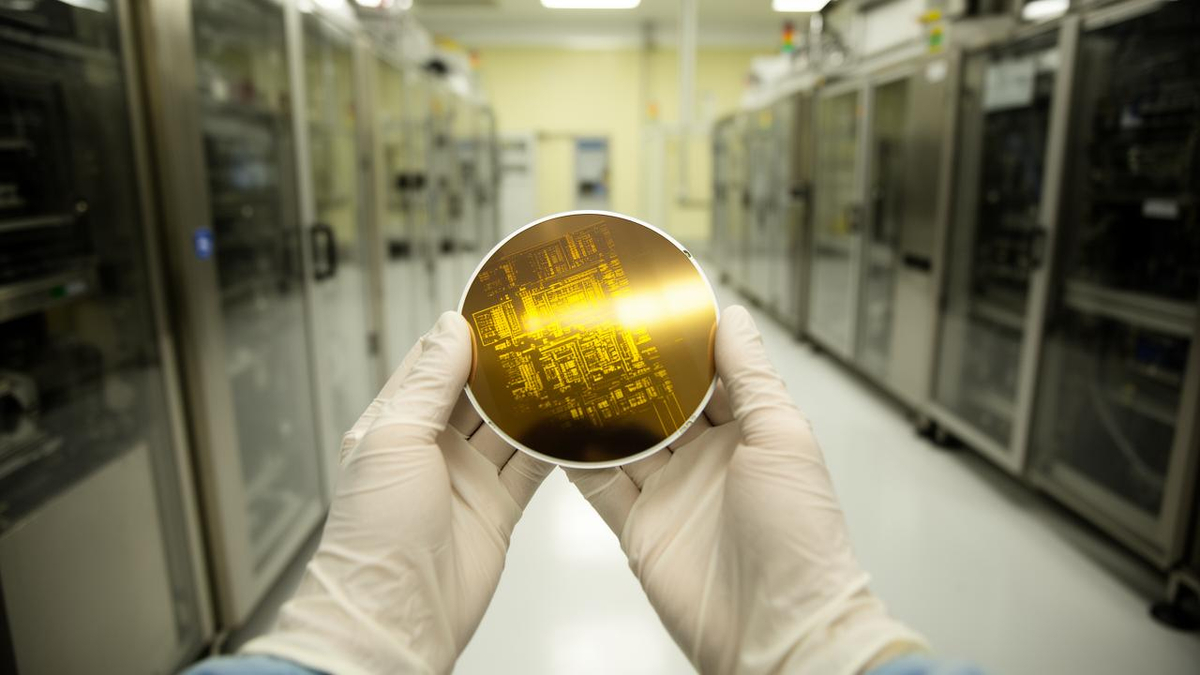
The global foundry market reached a record $96.6 billion in Q2 2026, up 25% year-over-year and 11% sequentially, as semiconductor demand tied to data-center expansion spreads beyond advanced logic processors into networking, power management, and mature-node chips. This expansion signals a healthier, more diversified foundry ecosystem beyond TSMC's traditional strength in cutting-edge nodes.
Samsung Targets Fourfold Customer Base Growth by 2029
Samsung Electronics announced on September 29, 2026, plans to quadruple its semiconductor foundry customer base by 2029 compared to 2017 levels. This aggressive expansion strategy underscores Samsung's determination to capture greater share of the lucrative high-volume foundry market, particularly as customers diversify suppliers away from TSMC concentration risk.
Manufacturing & Supply Chain
TSMC Affiliate Vanguard Considers Second Singapore Fab
Vanguard International Semiconductor Corp., a TSMC affiliate, is planning a second chipmaking plant in Singapore to meet growing regional demand. This expansion reflects TSMC's broader strategy to distribute manufacturing capacity across multiple geographies and reduce supply-chain concentration risk, particularly given geopolitical tensions around Taiwan.
Geopolitics & Trade Policy
Semiconductors Excluded from US-China $60B Tariff Relief Deal
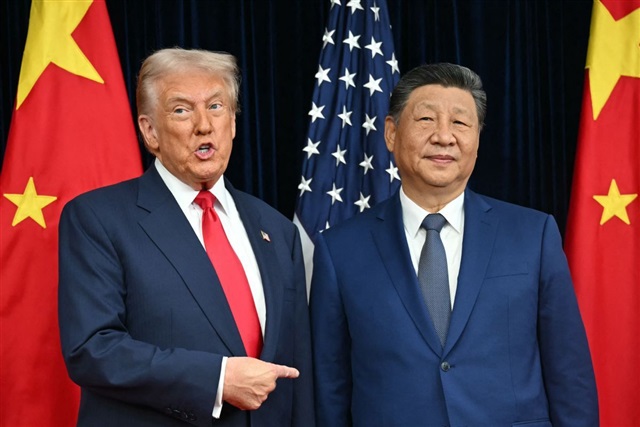
Following last week's Trump-Xi summit, the United States and China announced plans to cut tariffs on approximately $60 billion in bilateral trade, but semiconductors and other strategically sensitive sectors remained explicitly off-limits. This exclusion signals that despite diplomatic progress on consumer goods and commodities, chip technology remains a core battleground in US-China competition and will not benefit from tariff reductions.
US and China Release Reciprocal $30B Product Lists for Tariff Cuts
The United States and China released reciprocal lists of products worth approximately $30 billion each that will see tariff reductions, covering items from American hair products to Chinese toys, as part of a deal expected to boost bilateral trade. However, semiconductor equipment and advanced chips were notably excluded from both lists.
Deep Dive: Samsung's 2nm Yield Milestone and the Foundry Rebalancing
Samsung's advancement to 60% 2nm yield represents a watershed moment in the semiconductor foundry landscape. For the first time in nearly a decade, there exists a credible alternative to TSMC's near-monopoly at the leading edge. TSMC has controlled approximately 72.5% of global foundry revenue, but Samsung's yield improvements—combined with customer diversification efforts targeting Tesla and other hyperscalers—threaten to crack this fortress.
The timing is critical. As AI chip demand remains insatiable, customers increasingly fear single-supplier risk. TSMC's order book is oversubscribed through 2030 at premium pricing, leaving no capacity for new entrants. Samsung's combination of improved yields, geographic diversity (South Korea vs. Taiwan), and willingness to take lower-margin business could finally fragment TSMC's control. Intel's 18A/14A foundry business remains years away from volume production and lacks customers of TSMC's scale, meaning Samsung emerges as the only realistic near-term alternative.
The Samsung-Tesla relationship signals something deeper: a strategic decoupling where hyperscalers (Tesla, Google, Meta) begin building diversified supplier relationships to reduce geopolitical vulnerability. This shift could reshape 2026–2028 capacity allocation, with leading-edge nodes splitting across multiple fabs rather than concentrating at a single location.
What to Watch Next Week
- TSMC earnings guidance for Q4 2026 and capacity expansion plans—will management acknowledge Samsung's yield improvements?
- Intel Foundry Services (IFS) customer announcements or product milestone updates on 18A/14A ramp
- Samsung investor day materials detailing the customer diversification roadmap and 2nm/1.4nm capacity timelines
- Geopolitical developments around potential US semiconductor export control adjustments in light of the Trump-Xi tariff agreement
This content was collected, curated, and summarized entirely by AI — including how and what to gather. It may contain inaccuracies. Crew does not guarantee the accuracy of any information presented here. Always verify facts on your own before acting on them. Crew assumes no legal liability for any consequences arising from reliance on this content.
Powered by
