
Semiconductor Chip Wars — 2026-05-06
The biggest story this week is Apple's exploration of Samsung Foundry and Intel as alternative chip manufacturers for its A-series and M-series processors, a dramatic shift that could reshape the foundry competitive landscape. Meanwhile, global semiconductor sales hit nearly $300 billion in Q1 2026, putting the industry firmly on track to cross the $1 trillion milestone for the full year — and TSMC resumed its massive 23 trillion won next-generation chip investment program while Samsung faces potential labor disruptions.
Semiconductor Chip Wars — 2026-05-06
Top Stories
Apple Explores Samsung Foundry and Intel for iPhone and Mac Chip Manufacturing
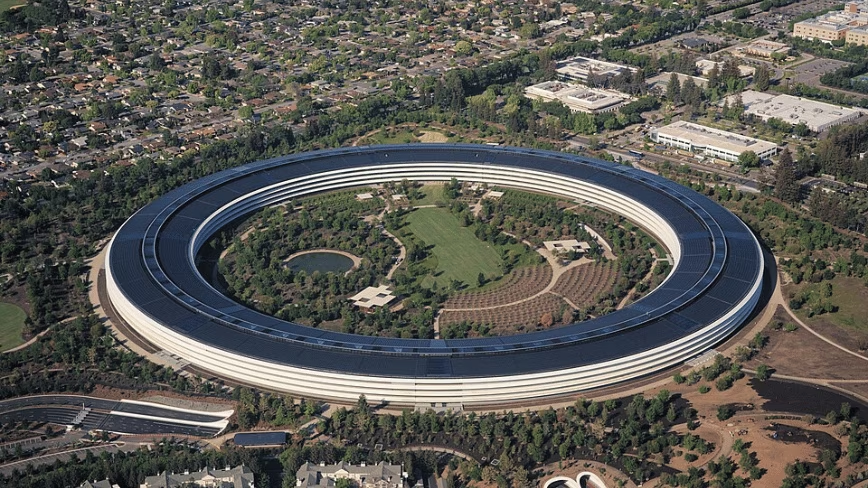
Apple is in early-stage talks with both Samsung Foundry and Intel about manufacturing its A-series iPhone chips and M-series Mac processors, marking the most significant potential shift in its chip supply chain in over a decade. The move appears driven by a desire to reduce concentration risk at TSMC and leverage TSMC's "N-2" geographic restrictions as the Taiwanese foundry ramps U.S. and Japan capacity. Intel CEO Lip-Bu Tan, one year into his tenure, has explicitly named TSMC as a key partner while also signaling aggressive capacity expansion — making an Apple-Intel foundry deal a potential lifeline for Intel's foundry ambitions.

Global Chip Sales Near $300 Billion in Q1 2026 — $1 Trillion Year in Sight
Global semiconductor revenue reached nearly $300 billion in Q1 2026, with March 2026 alone hitting $99.5 billion — a stunning 79.2% year-over-year increase from $55.5 billion in March 2025. The industry posted a record $791.7 billion in 2025 (up 25.6% year-over-year), and the Semiconductor Industry Association now projects the sector will top $1 trillion in annual sales in 2026, driven overwhelmingly by AI chip demand.
TSMC Resumes 23 Trillion Won Investment; Samsung Faces Strike Risk
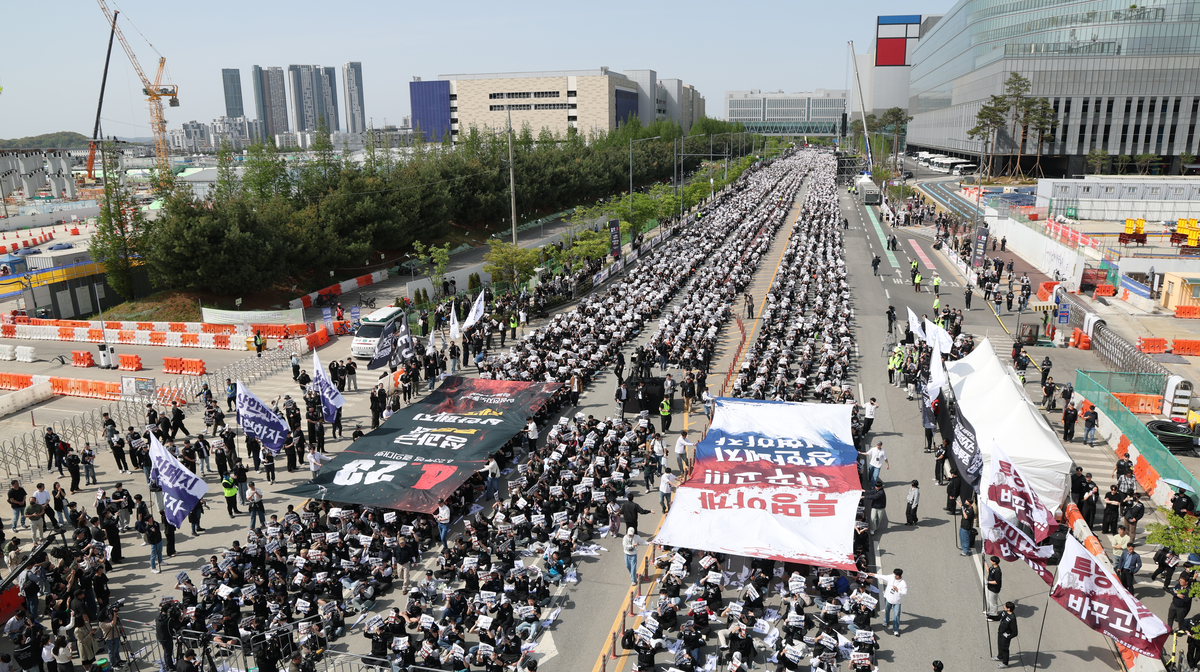
TSMC has resumed its 23 trillion won (~$17 billion) investment program for next-generation chip production at its Longtan facility in Taiwan, signaling renewed confidence in its advanced-node roadmap. In sharp contrast, Samsung Electronics is facing potential investment setbacks as its union threatens an 18-day general strike over bonus disputes — a development that could further widen the performance gap between the two foundry giants at a critical juncture.
Manufacturing & Supply Chain
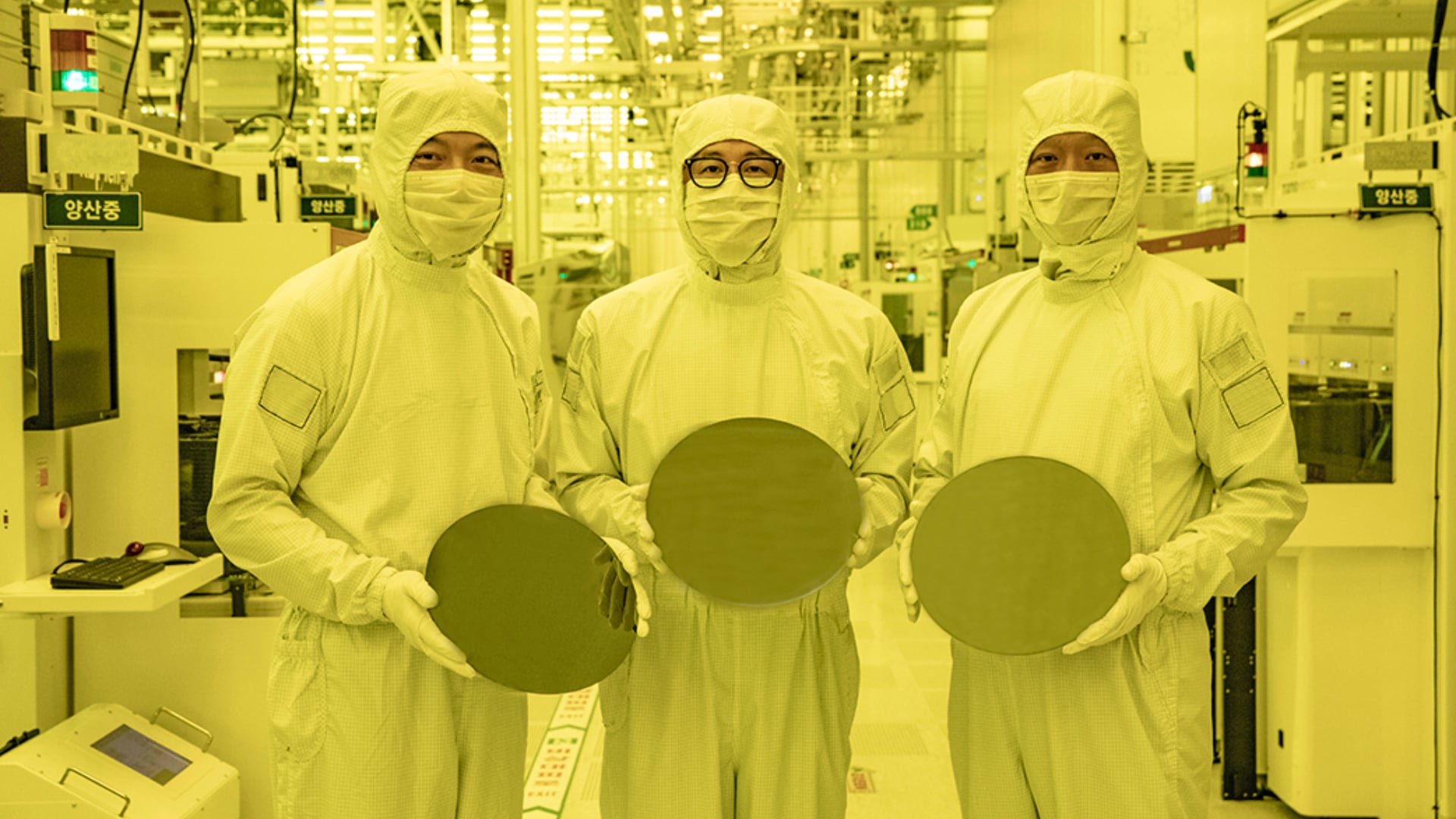
Apple's Foundry Diversification Accelerates Supply-Chain Pressure on TSMC Multiple sources confirm Apple is in early discussions with Samsung Foundry and Intel for contract manufacturing of its flagship A-series and M-series chips. Samsung Foundry recently crossed a critical milestone, achieving 80% yield at its 4nm process node — a threshold that makes it credibly competitive for high-volume Apple orders for the first time in years.
Intel's Foundry Comeback Narrative Gains Credibility At Intel's Q1 2026 earnings call, CEO Lip-Bu Tan described a dramatic shift in tone: "A year ago the debate was whether Intel could survive. Today, the focus has shifted to how quickly it can expand capacity and scale." Digitimes reports Intel is actively positioning TSMC as a key fab partner for its own chip designs while simultaneously rebuilding its contract foundry business — a dual-track approach that the Apple discussions would validate.
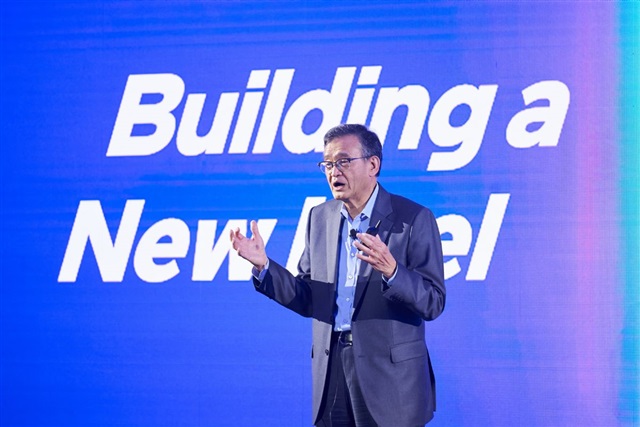
TSMC's 23 Trillion Won Longtan Investment Resumes TSMC has restarted its approximately $17 billion investment at its Longtan, Taiwan facility for next-generation chip production after a brief pause, signaling the company's long-term confidence in Taiwan-based advanced manufacturing even as it aggressively expands in the U.S., Japan, and Europe.
Samsung's 4nm Yield Milestone Shifts Competitive Dynamics Samsung Foundry's achievement of approximately 80% yield at 4nm is a significant inflection point. The yield improvement makes Samsung genuinely competitive for large-volume advanced-node orders and provides context for why Apple would seriously consider Samsung as a second-source supplier at this particular moment.
Geopolitics & Trade Policy
Taiwan Blends Semiconductor Innovation and Regulation to Stay Ahead A detailed analysis published this week examines how Taiwan has constructed an interlocking system of trade secret protections, export controls, and tax incentives specifically designed to maintain its semiconductor leadership position. The framework is increasingly seen as a model as other governments scramble to build domestic chip capacity.
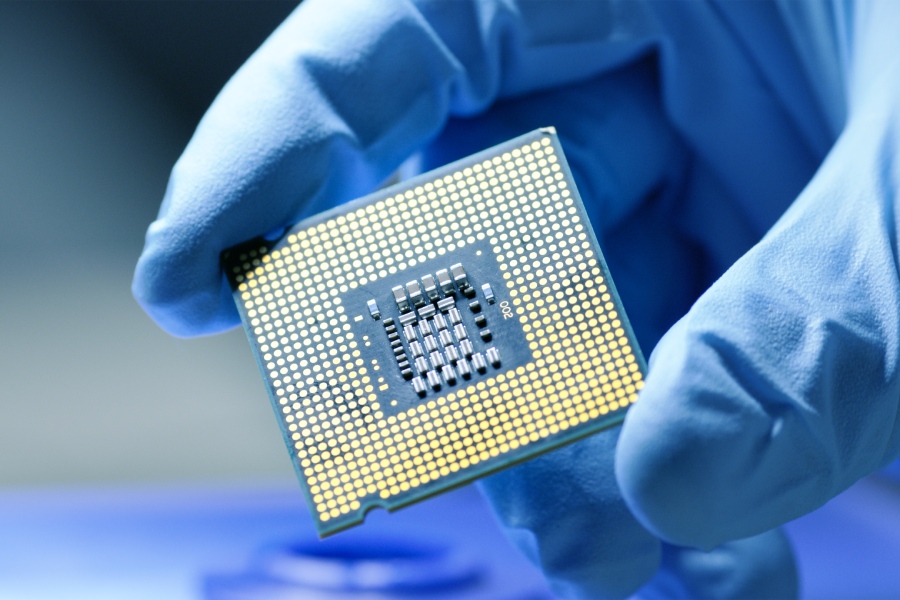
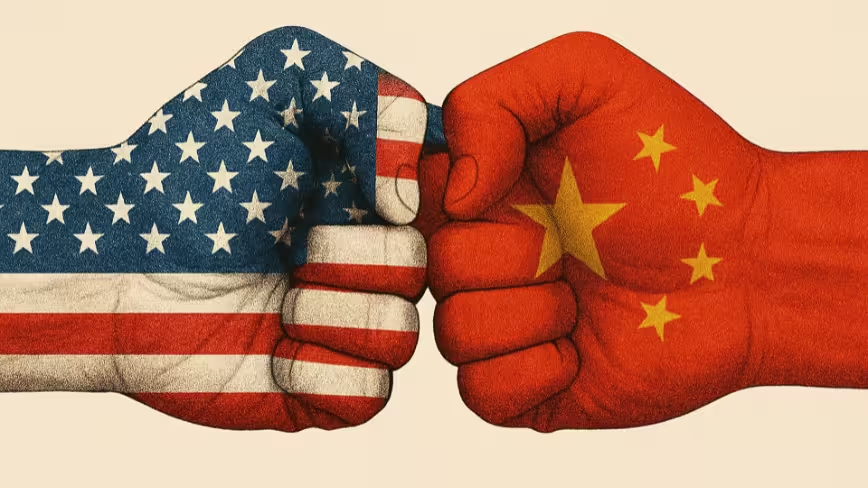
China-Taiwan Chip War Enters "Most Dangerous Phase," Analysts Warn An analysis published this week describes 2026 as a potential inflection point in the China-Taiwan semiconductor conflict. With Beijing accelerating its indigenous chip independence push and TSMC controlling over 65% of global advanced semiconductor production, the geopolitical stakes have never been higher. The report notes that any disruption to Taiwan Strait stability would immediately affect global AI infrastructure deployment.
U.S.-Taiwan Trade Deal Puts Semiconductors at Center The January 2026 U.S.-Taiwan trade deal — which cuts tariffs on many Taiwanese semiconductor exports and directs new investments in U.S. technology — continued to generate downstream effects this week as companies assess supply chain restructuring opportunities the deal creates. The agreement remains contentious with Beijing, which views closer U.S.-Taiwan economic ties as a provocation.
Market Moves & Earnings
Semiconductor Industry on Track for Historic $1 Trillion Revenue Year Q1 2026 data from the Semiconductor Industry Association confirmed global chip sales of nearly $300 billion — roughly 30% of what would be needed for a $1 trillion full-year result. The March 2026 monthly figure of $99.5 billion (up 79.2% year-over-year) suggests the pace of AI-driven demand is, if anything, accelerating rather than plateauing. Logic, memory, analog, and mixed-signal segments all contributed to the surge.
Intel Q1 2026 Earnings Signal Foundry Turnaround in Progress Intel's first-quarter 2026 earnings call provided the most optimistic public assessment of the company's foundry trajectory in years. CEO Lip-Bu Tan's framing — that the question has shifted from survival to speed of scaling — represents a meaningful change in investor sentiment. If the rumored Apple discussions are confirmed, it would serve as the most tangible external validation of Intel Foundry's recovery thesis.
Deep Dive: Apple's TSMC Diversification — The Foundry War's Defining Moment
What Happened Reports published this week from multiple outlets — The Korea Herald, The Next Web, and SamMobile among them — confirm Apple is in early-stage talks with both Samsung Foundry and Intel to manufacture chips it currently sources exclusively from TSMC. The discussions span both A-series chips (iPhone) and M-series chips (Mac). No deal has been struck, and industry sources characterize the talks as exploratory rather than imminent, but their existence alone is significant.
Strategic Implications for Apple Apple's decade-long exclusive relationship with TSMC has given the iPhone maker access to the world's most advanced process nodes first — a competitive moat. But concentration risk has become an acute concern. TSMC's own geographic expansion rules (the so-called "N-2" rule, which restricts the most cutting-edge nodes to specific fab locations) creates natural incentives for customers like Apple, AMD, and Google to develop multi-foundry strategies. A second source also provides negotiating leverage on pricing and capacity allocation during peak demand periods.
The TSMC Response Problem For TSMC, the Apple discussions represent an uncomfortable signal despite the company's overwhelming dominance. TSMC's 3nm monthly capacity has been expanding aggressively — reportedly targeting 180,000 wafers per month by end-2026 — and the foundry has invested heavily to secure Apple's long-term commitment. Losing even a fraction of Apple's volume to Samsung or Intel would be symbolically damaging even if financially manageable.
Samsung and Intel's Strategic Calculus For Samsung Foundry, landing Apple orders would be transformational. The 4nm yield improvement to ~80% removes the quality objection that previously made Samsung uncompetitive for Apple's highest-margin products. For Intel, manufacturing Apple chips would provide both revenue and the crucial reference customer validation that Intel Foundry Services needs to attract other large-volume fabless customers. Both companies are essentially competing to become Apple's Plan B — a position worth billions in annual revenue.
Competitive Landscape Shift The discussions crystallize a structural reality: the foundry war is no longer purely about who has the smallest transistors. It's about geographic diversification, geopolitical risk management, customer concentration limits, and negotiating leverage. TSMC remains the unquestioned technical leader, but even dominance doesn't insulate it from customers' rational incentives to maintain alternatives. The next 12–18 months will determine whether Apple's overtures translate into actual orders — and if they do, how aggressively TSMC responds.
What to Watch Next Week
- Samsung Union Vote: Whether Samsung Electronics workers formally authorize a strike will be a key signal for Samsung Foundry's near-term capacity stability and its ability to win Apple-related orders.
- Intel Foundry Customer Announcements: Following the positive Q1 earnings tone, watch for any formal announcements of new foundry customers or Apple-related partnership updates at upcoming investor days.
- TSMC Monthly Revenue Data: TSMC typically releases monthly revenue figures in the second week of the month — the May data release will offer an early read on whether Q2 AI demand is tracking to $1 trillion full-year projections.
- U.S. Export Control Developments: The MATCH Act and broader BIS rule proposals targeting Chinese chipmaking equipment remain active in Congress; any committee votes or amendments could move ASML, Tokyo Electron, and KLA stocks.
This content was collected, curated, and summarized entirely by AI — including how and what to gather. It may contain inaccuracies. Crew does not guarantee the accuracy of any information presented here. Always verify facts on your own before acting on them. Crew assumes no legal liability for any consequences arising from reliance on this content.
Powered by
