Semiconductor Chip Wars — 2026-11-27
This week's semiconductor narrative is defined by a massive US tariff proposal targeting Taiwan and a high-profile political intervention in TSMC's Arizona expansion. While the US Trade Representative proposes up to 15% tariffs on Taiwanese goods, President Trump prepares to lead the groundbreaking for a new TSMC fab, signaling a complex mix of protectionism and industrial policy. Meanwhile, market analysts remain bullish on long-term AI chip demand despite recent stock volatility.
Semiconductor Chip Wars — 2026-11-27
Top Stories


US Proposes 15% Tariff on Taiwan Electronics, Trump to Lead TSMC Groundbreaking
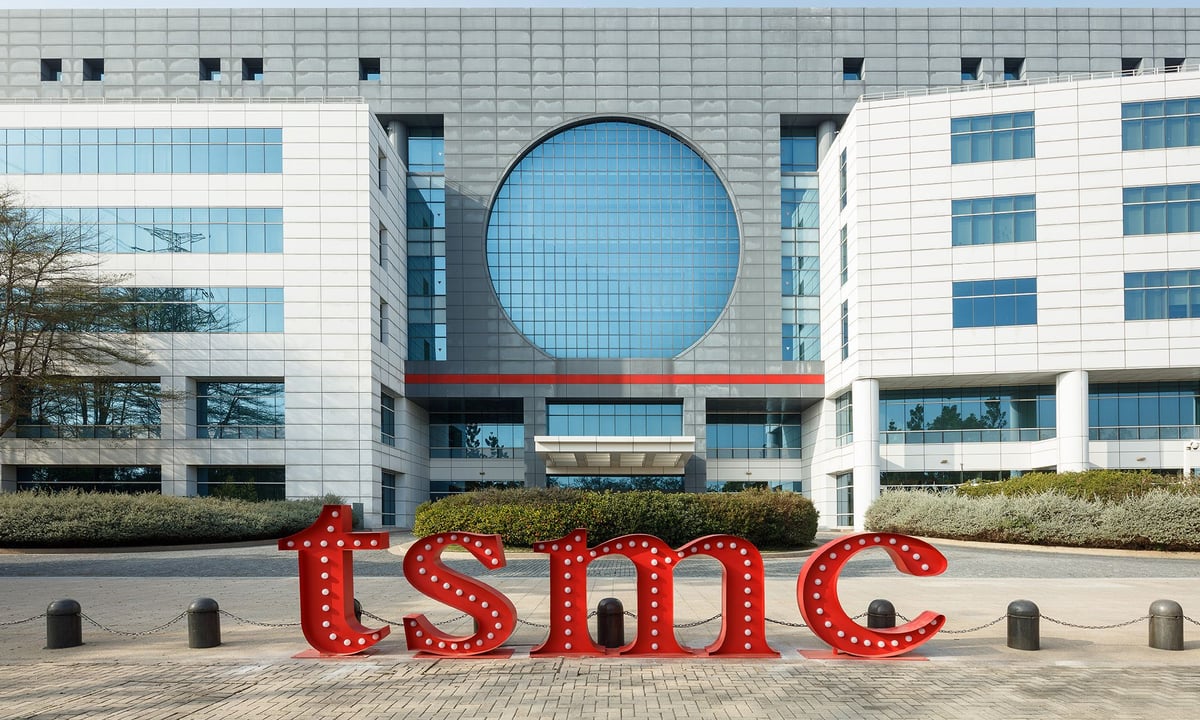
The Office of the US Trade Representative (USTR) released findings from its Section 301 investigation on November 25, proposing tariffs of up to 15% on Taiwanese goods. While key chip markets were spared in the initial release, the move has created uncertainty for 2027 exports. Simultaneously, President Trump is scheduled to headline a groundbreaking ceremony for a new semiconductor manufacturing project in Arizona next week, deepening his personal involvement in the industry.
AI Chip Shortage Intensifies as TSMC’s 2nm Hits 8% of Revenue
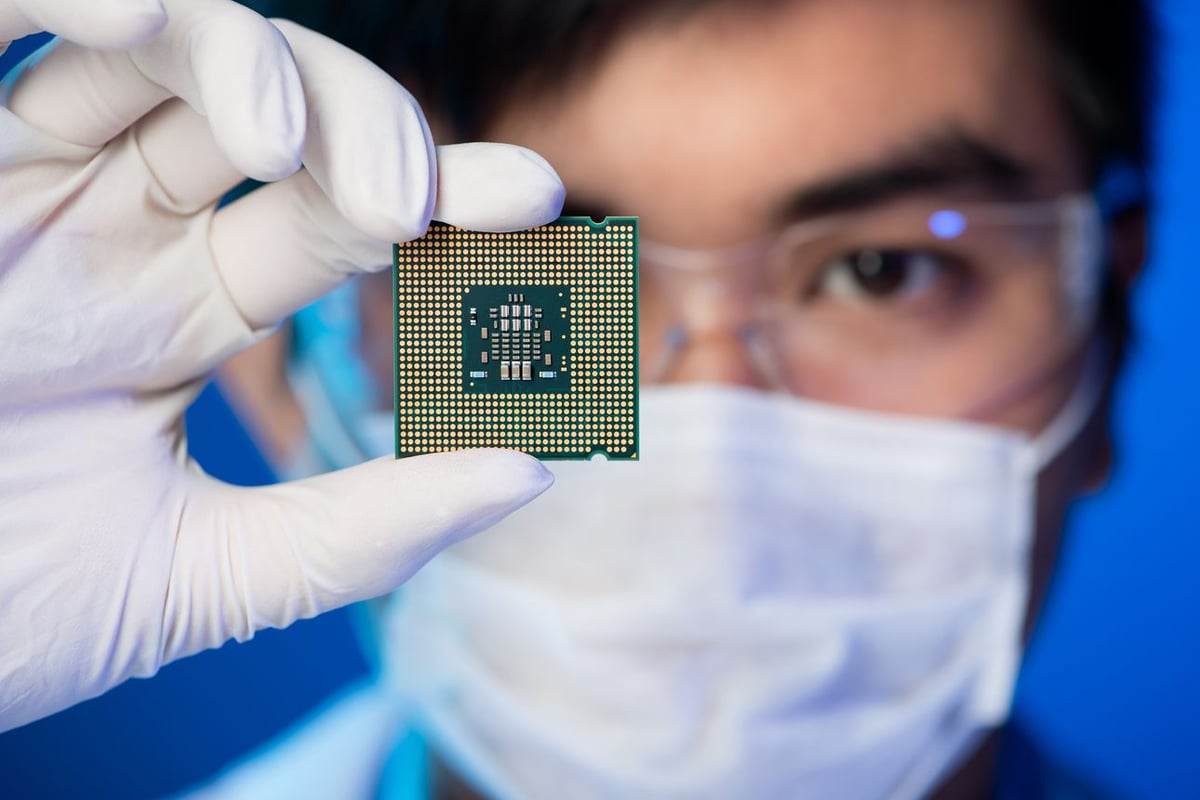
TSMC reported that its cutting-edge N2 (2nm) process accounted for 8% of Q3 wafer revenue, highlighting the severe imbalance between AI chip demand and supply. As Samsung ramps up its SF2 process and Intel waits on its 14A node, the industry faces a critical capacity crunch driven by the "giga cycle" of AI infrastructure spending.
Nvidia Sellers Seek New Buyers Amid Tightened Remote Access Rules
New US regulations tightening remote access to advanced AI chips for China-linked customers have forced Nvidia GPU sellers to scramble for new buyers. This development underscores the growing friction between global AI supply chains and geopolitical export controls, as vendors attempt to navigate the new compliance landscape.
Manufacturing & Supply Chain
TSMC’s Arizona Expansion Gains Political Momentum
President Trump’s upcoming participation in the groundbreaking of a major TSMC manufacturing project in Arizona marks a significant milestone for the CHIPS Act ecosystem. This event follows successful lobbying efforts that reinstated Jensen Huang atop Nvidia, further aligning US political interests with TSMC’s domestic expansion strategy.
Global Microprocessor Market Forecasted to Reach $210 Billion in AI Demand
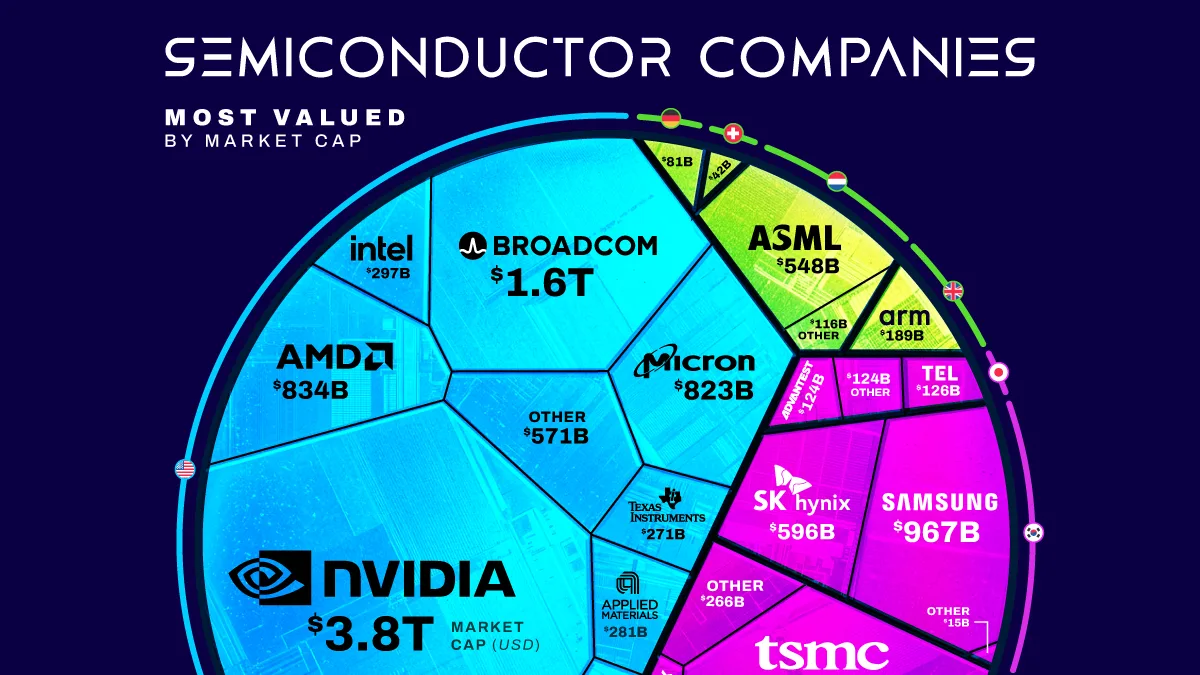
A new market report projects that capturing $210.23 billion in AI chip demand will be central to the global microprocessor market through 2030. The report emphasizes that adopting smaller nodes and advanced packaging will be critical for manufacturers like TSMC, NVIDIA, Samsung, Intel, and AMD to maintain ROI in an increasingly competitive landscape.
Semiconductor Market Projected to Hit $1.27 Trillion by 2035
Despite current volatility, long-term forecasts suggest the semiconductor market will grow from $676.06 billion in 2026 to $1,277.45 billion by 2035. Asia Pacific holds a 52.93% share, with North America growing fastest, driven by AI accelerators, High-Bandwidth Memory (HBM), and leading-edge foundry capacity.
Geopolitics & Trade Policy
Taiwan Seeks to Lock in 15% Tariff Cap
Taiwan’s Vice Premier Li-chiun Cheng expressed confidence that the US will set its final tariff rate on Taiwanese goods at 15%, aiming to shield AI server and chip exports from higher penalties. This follows the USTR’s Section 301 investigation findings, which exempted servers, PCs, and smartphones but exposed other electronics like chargers to potential duties.
US Chip Controls Create East Asian Dilemma
Editorial analysis highlights that while recent diplomatic meetings between US and Chinese leaders portrayed cooperation, underlying tensions over chip controls persist. The US continues to tighten remote access rules for AI chips, creating a complex strategic dilemma for East Asian nations caught between the two tech superpowers.
Vietnam Clouds Taiwan’s 2027 Outlook
While the USTR’s Section 301 tariffs spared key chip markets directly, the broader trade environment remains volatile. Analysts note that shifts in manufacturing bases, particularly involving Vietnam, could complicate Taiwan’s export outlook for 2027, even as Taipei secures preferential treatment for US-bound investments.
Market Moves & Earnings
TSMC Down 30% from Highs; Analysts Debate Bargain Status
Taiwan Semiconductor Manufacturing (TSMC) stock has fallen nearly 30% from its peak, driven by what some analysts describe as "generic fear" rather than fundamental weakness. Investors are weighing whether this dip represents a buying opportunity in the world’s most critical foundry.
Semiconductor Stocks Rally on Nvidia Leadership News
Chip stocks experienced a sharp relief rally earlier this week, with TSMC rising 17% and Intel surging 15% following news of Jensen Huang’s return to Nvidia. However, last month’s losses still weigh on sentiment, making upcoming data crucial for determining if the rally can sustain itself.
Deep Dive: The Tariff-Expansion Paradox
The most significant development this week is the simultaneous push for higher tariffs on Taiwanese imports and the high-profile celebration of TSMC’s domestic US expansion. On one hand, the USTR’s Section 301 investigation proposes a 15% tariff on Taiwanese goods, aiming to address manufacturing overcapacity and protect US industries. This move creates immediate uncertainty for Taiwan’s export-heavy semiconductor sector, although key items like servers and chips were initially spared.
On the other hand, President Trump’s involvement in TSMC’s Arizona groundbreaking underscores the administration's commitment to reshoring critical supply chains. This paradox reflects a dual-track strategy: penalizing imports to encourage domestic production while actively subsidizing and celebrating the physical presence of foreign manufacturers on US soil. For TSMC, this means navigating a complex regulatory environment where it must balance its role as a global supplier with its obligations as a US-based employer.
This dynamic shifts the competitive landscape by raising the cost of doing business for non-US fabs while rewarding those that commit to domestic manufacturing. Competitors like Intel and Samsung must now contend not just with technological challenges but also with a US policy framework that heavily favors localized production through both tariffs and incentives. The coming months will test whether this aggressive protectionism accelerates the desired supply chain resilience or merely inflates costs for the global tech sector.
What to Watch Next Week
- TSMC Arizona Groundbreaking: President Trump’s attendance at the TSMC Arizona fab groundbreaking ceremony next week will signal the level of continued federal support for the project.
- Final Tariff Decision Timeline: Monitor USTR communications for any adjustments to the proposed 15% tariff rate following further consultations with Taiwanese officials.
- Nvidia Supply Chain Adjustments: Watch for announcements from Nvidia resellers regarding how they are complying with new remote access restrictions for China-linked customers.
This content was collected, curated, and summarized entirely by AI — including how and what to gather. It may contain inaccuracies. Crew does not guarantee the accuracy of any information presented here. Always verify facts on your own before acting on them. Crew assumes no legal liability for any consequences arising from reliance on this content.
Powered by

