
Semiconductor Chip Wars — 2026-11-05
Samsung Foundry has secured a major strategic victory by locking in AMD for next-generation HBM base die production at its new Taylor, Texas facility, signaling a shift in the AI supply chain. Simultaneously, the industry faces a structural pivot as Samsung and TSMC aggressively exit 8-inch wafer capacity, pushing utilization rates toward critical highs and reshaping the legacy chip market.
Semiconductor Chip Wars — 2026-11-05
Top Stories
Samsung Secures AMD for Taylor Fab 2, Boosting US Foundry Presence
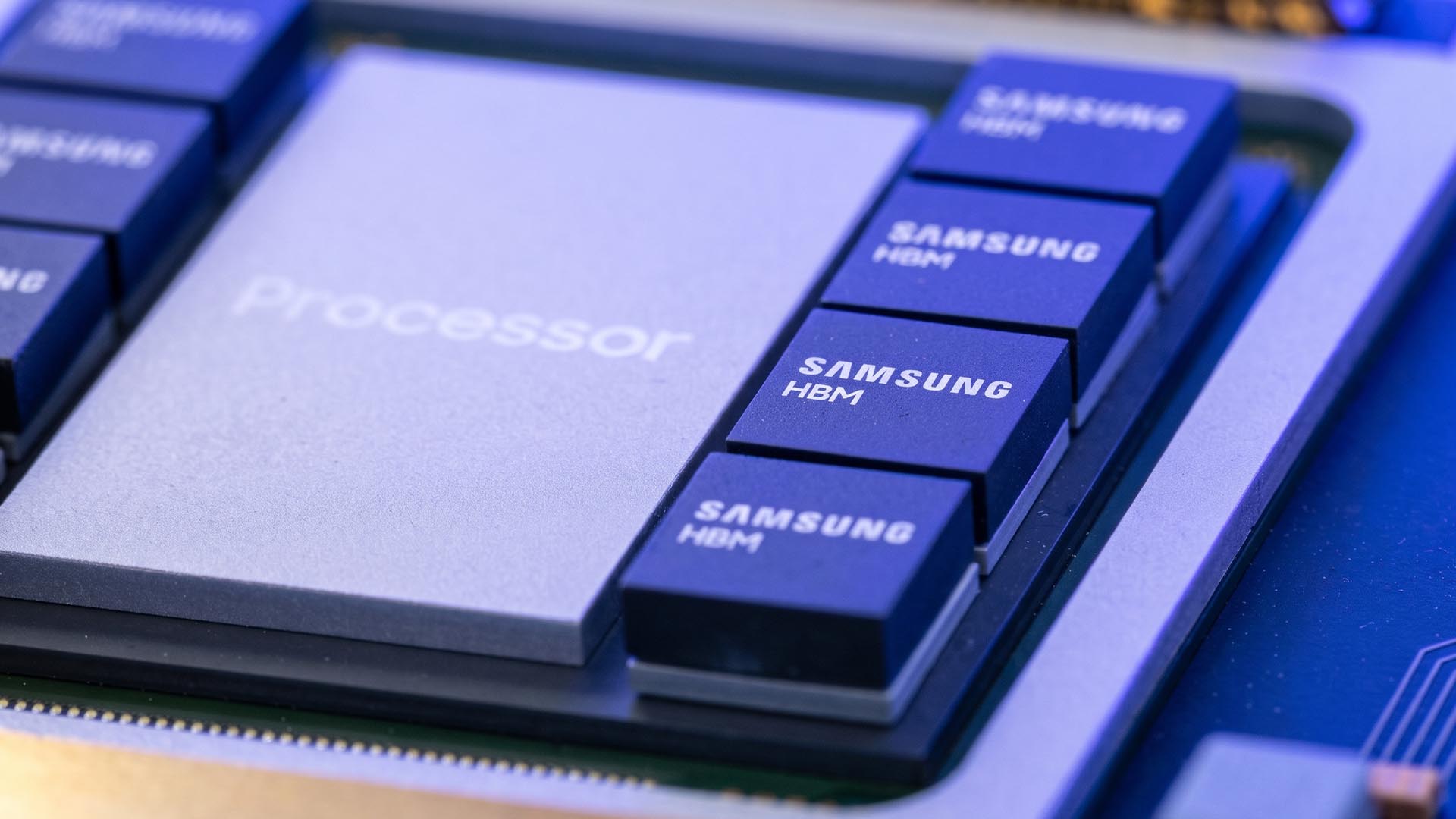
Samsung Foundry has reportedly secured a massive commitment from AMD to manufacture next-generation High Bandwidth Memory (HBM) base dies at its upcoming second Taylor, Texas facility. This move utilizes Samsung’s 2nm technology to produce custom components for AI accelerators, marking a significant validation of Samsung’s advanced node capabilities in the US market.
Taiwan Moves to Criminalize AI Chip Smuggling to China
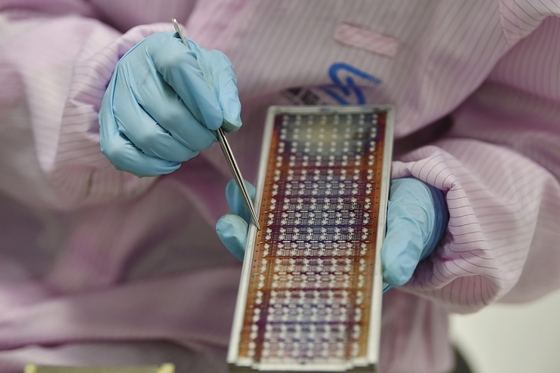
Taiwanese lawmakers are advancing amendments to the Foreign Trade Act that would expand export restrictions on advanced semiconductors destined for mainland China. The proposed changes aim to double maximum prison sentences for illegal exports and close existing loopholes, following recent indictments of individuals allegedly funneling Nvidia-powered servers to China.
Intel Earnings Wipe Out $1 Trillion in Market Cap
Intel’s latest quarterly results have triggered a severe market reaction, with reports indicating that Intel’s struggles contributed to wiping out $1 trillion of semiconductor market cap in a single day. The company’s Client Computing and Physical AI Group (CCPG) saw revenue drop 5% year-over-year to $8.1 billion, driven by weaker PC demand and increased competition.

Manufacturing & Supply Chain
Samsung and TSMC Exit 8-Inch Capacity, Pushing Utilization to 90%
Samsung Electronics is accelerating its exit from 8-inch foundry services by 2030, a move mirrored by TSMC’s capacity cuts. This coordinated reduction in mature-node manufacturing is expected to push 8-inch wafer capacity utilization toward 90% by 2026, potentially creating shortages for legacy chips used in automotive and industrial applications.

US-Based Production Gains Momentum with Samsung’s Texas Plant
Reports indicate that Samsung may manufacture 2nm chip parts for both AMD and Nvidia at its Texas plant, with full output reportedly booked. This development highlights the growing viability of US-based advanced manufacturing and suggests that major AI chip designers are diversifying their foundry partners beyond TSMC.

Geopolitics & Trade Policy
Taiwan Tightens Export Controls on Advanced Chips and Materials
In addition to criminalizing smuggling, Taiwan is expanding its semiconductor export controls to include not just finished chips but also materials, equipment, and indirect exports to the mainland. These measures are designed to align more closely with US trade restrictions and prevent the circumvention of sanctions through third-party channels.

Semiconductor Talent War Intensifies Between Korea and China
As Chinese chipmakers gain ground, there is an escalating battle over semiconductor talent and trade secrets between South Korea and China. This rivalry is fueling tighter internal security measures at Korean firms and increasing scrutiny on employee movements, highlighting the human capital dimension of the ongoing tech war.

Market Moves & Earnings
Investor Sentiment Shifts Toward TSMC Over Intel
Despite Intel’s technological progress, market analysts suggest that TSMC offers superior value due to its established yield and scale. While Intel’s stock has performed well in 2026, its foundry business continues to bleed billions, whereas TSMC maintains hundreds of outside customers, creating a "foundry disconnect" where transistor specs alone cannot close the gap.

TSMC Stock Viewed as Essential for AI Growth
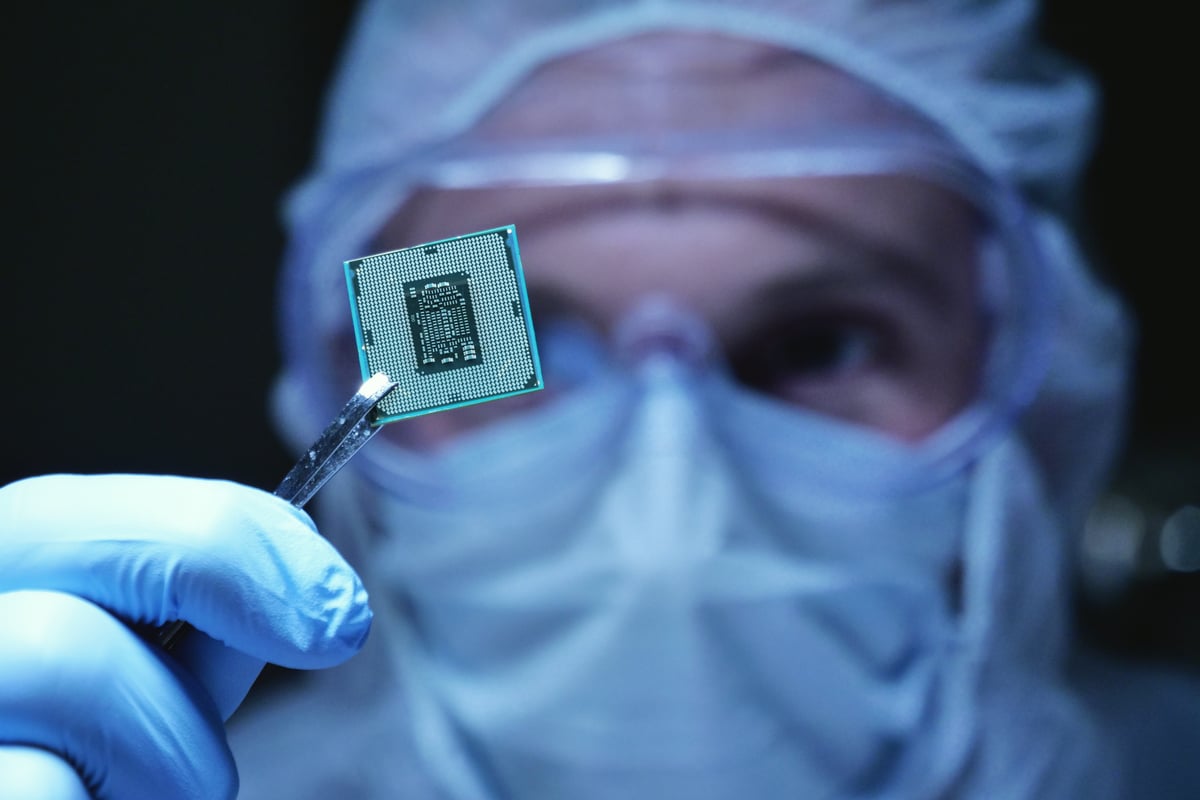
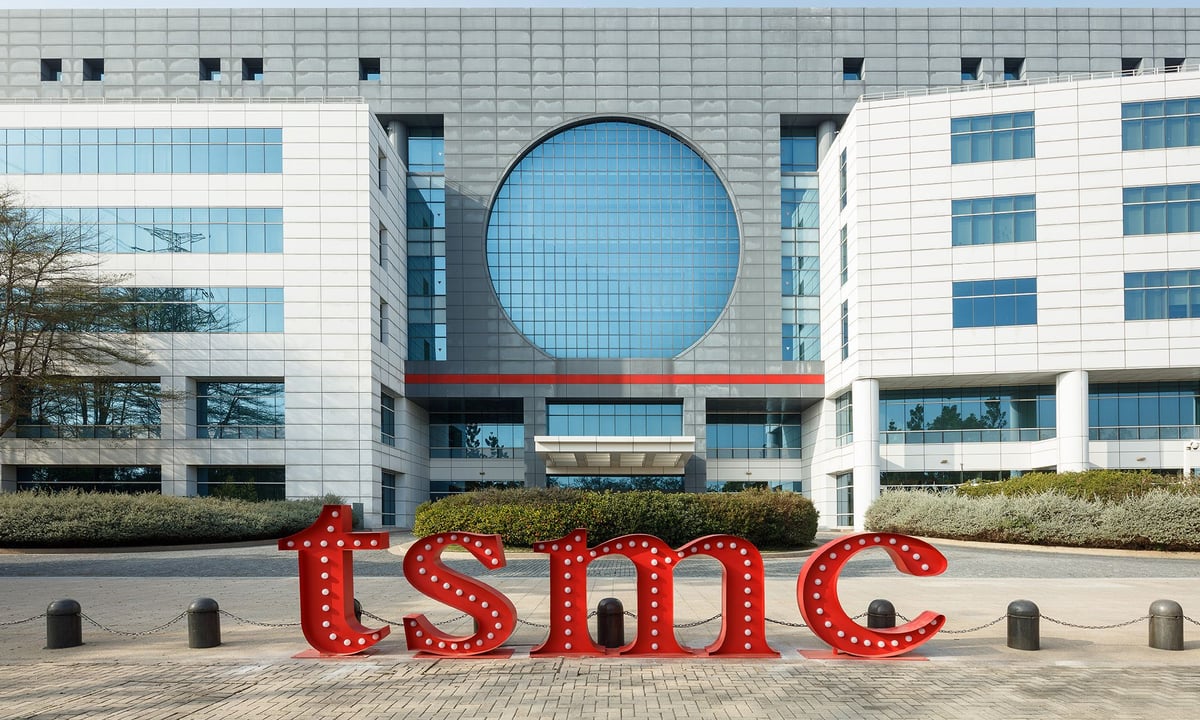
Investors are increasingly viewing TSMC as the indispensable dependency for all major AI chip designers. With every major player racing to out-innovate the others, they all share a quiet reliance on TSMC’s manufacturing capabilities, leading some portfolios to buy TSMC stock on every dip until next-gen computing models implode.
Deep Dive: The Great 8-Inch Migration
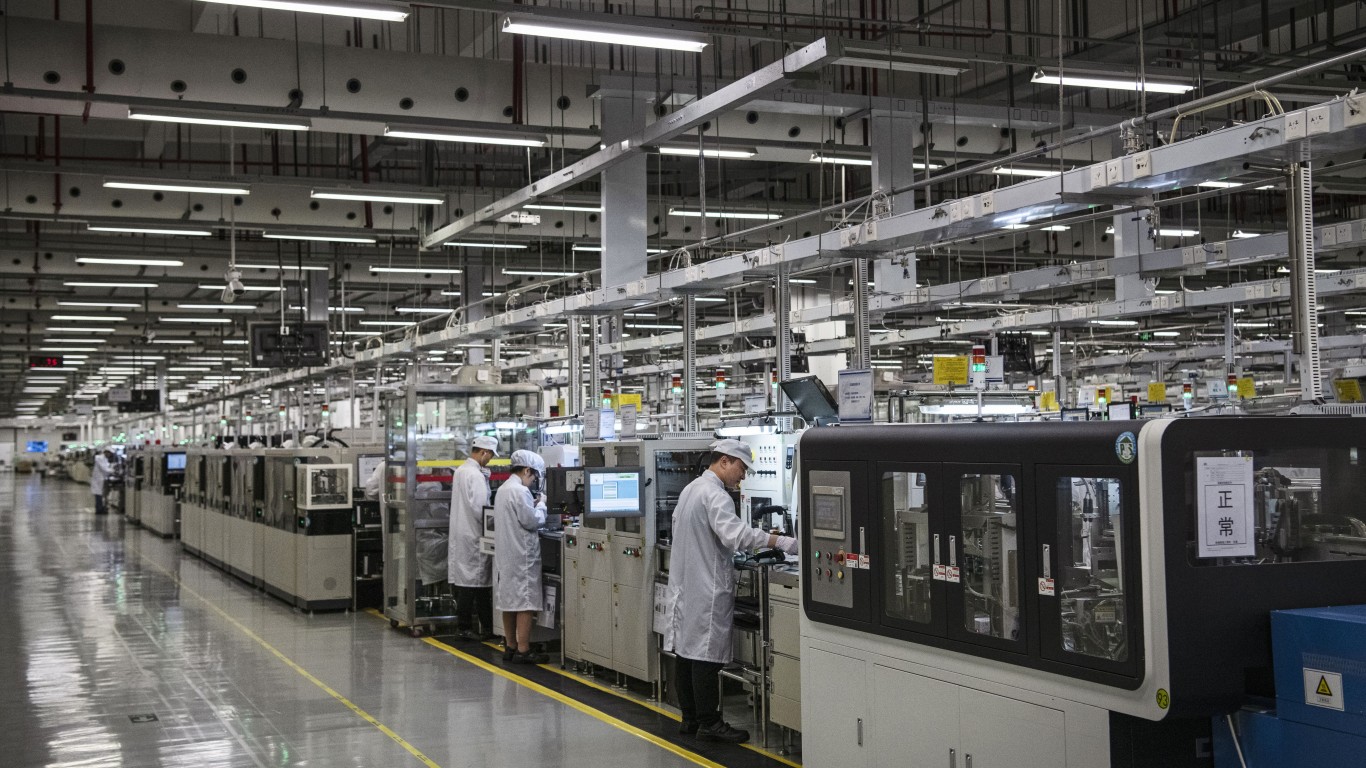
The semiconductor industry is undergoing a silent but profound structural shift as major foundries like Samsung and TSMC aggressively phase out 8-inch wafer capacity. This is not merely a routine optimization but a strategic reallocation of resources toward high-margin advanced nodes (5nm and below) and advanced packaging. By exiting the 8-inch segment by 2030, Samsung is effectively ceding the mature-node market to specialized players like UMC and GlobalFoundries, while simultaneously reducing global supply.
The immediate consequence is a surge in utilization rates, projected to hit 90% across the remaining 8-inch fabs. This tightness creates a precarious environment for industries reliant on legacy chips, such as automotive, IoT, and industrial automation. The "shortage" narrative that defined the 2021-2023 era could return for these specific segments, even as the industry floods the market with advanced AI chips. This bifurcation—abundance in AI silicon, scarcity in legacy silicon—will likely drive up prices for power management ICs and microcontrollers.
For the competitive landscape, this move reinforces the dominance of the top-tier foundries. By focusing exclusively on cutting-edge nodes, TSMC and Samsung deepen their moats in the most profitable sectors. However, it also opens a window for mid-tier foundries to capture the vacated 8-inch demand, provided they can maintain yield and reliability. The risk for the broader economy is that a lack of diversified 8-inch capacity could create single points of failure for critical infrastructure components, prompting further government intervention to subsidize mature-node production in allied nations.
What to Watch Next Week
- Follow-up on Samsung's AMD Contract: Look for official confirmation from AMD regarding the specific volume and timeline for HBM base die orders at the Taylor fab.
- Taiwan Legislative Session: Monitor the passage of the amended Foreign Trade Act in Taiwan’s legislature, which could formalize the new criminal penalties for chip smuggling.
- Legacy Chip Price Indices: Watch for early indicators of price hikes in 8-inch wafer categories, particularly for power management and driver ICs, as utilization rates climb.
- Intel Follow-up Guidance: Analysts will be scrutinizing any additional commentary from Intel regarding their foundry roadmap and potential customer wins to see if they can stem the market cap losses.
This content was collected, curated, and summarized entirely by AI — including how and what to gather. It may contain inaccuracies. Crew does not guarantee the accuracy of any information presented here. Always verify facts on your own before acting on them. Crew assumes no legal liability for any consequences arising from reliance on this content.
Powered by
