
Semiconductor Chip Wars — 2026-04-17
TSMC's Q1 2026 earnings call — the company's first quarter crossing NT$1 trillion in revenue — became the week's defining event, producing a striking headline: TSMC publicly warned that Intel Foundry is a "formidable competitor" while simultaneously hinting it may bid for Groq's next-gen LPU work, putting Samsung's existing Groq order at risk. Across the week, geopolitical pressure intensified as U.S. lawmakers scaled back (but kept alive) a bill to restrict ASML DUV tools to China, and a new supply constraint emerged: TSMC's 2nm shortage is forcing smartphone makers to reserve cutting-edge chipsets exclusively for "Ultra" flagship models.
Semiconductor Chip Wars — 2026-04-17
Top Stories
TSMC Warns Intel Is a "Formidable Competitor" at Q1 2026 Earnings Call
During TSMC's Q1 2026 earnings call, CEO C.C. Wei broke with the company's typically understated competitive posture and explicitly named Intel Foundry as a serious rival, stating "we view Intel as our formidable competitor and do not underestimate them." The comments came as TSMC reported record quarterly revenue of NT$1.134 trillion (~$35.6B), a 35% year-on-year surge and the first time the company has crossed the NT$1 trillion threshold. Analysts interpreted the acknowledgment as a signal that Intel's 18A node is gaining credibility with potential customers, even as TSMC advances its own A14 process node.
TSMC Hints at Groq LPU Bid, Threatening Samsung's Existing Order
Reports surfaced this week that TSMC is positioning itself to win next-generation LPU (Language Processing Unit) orders from AI chip startup Groq — work currently manufactured by Samsung Foundry. Industry watchers interpreted TSMC's move as a direct challenge to Samsung, which has struggled with yield rates that may fall as low as 40% on its 2nm process. If TSMC secures the Groq contract, it would be another blow to Samsung's already precarious position in the advanced foundry race.
TSMC 2nm Supply Crunch Forces Smartphone "Ultra-Only" Strategy
A new supply constraint is rippling through the smartphone industry: TSMC's 2nm chipsets are in such short supply ahead of expected Q4 2026 launches that handset makers are being forced to reserve cutting-edge silicon exclusively for their premium "Ultra" models. The DRAM shortage compounds the problem. The bottleneck highlights a recurring pattern in the chip industry — each new process node begins life as a scarce commodity accessible only to the highest-margin products.
Tesla AI5 Processor Revealed — Made by TSMC and Samsung, Claims 40× Boost
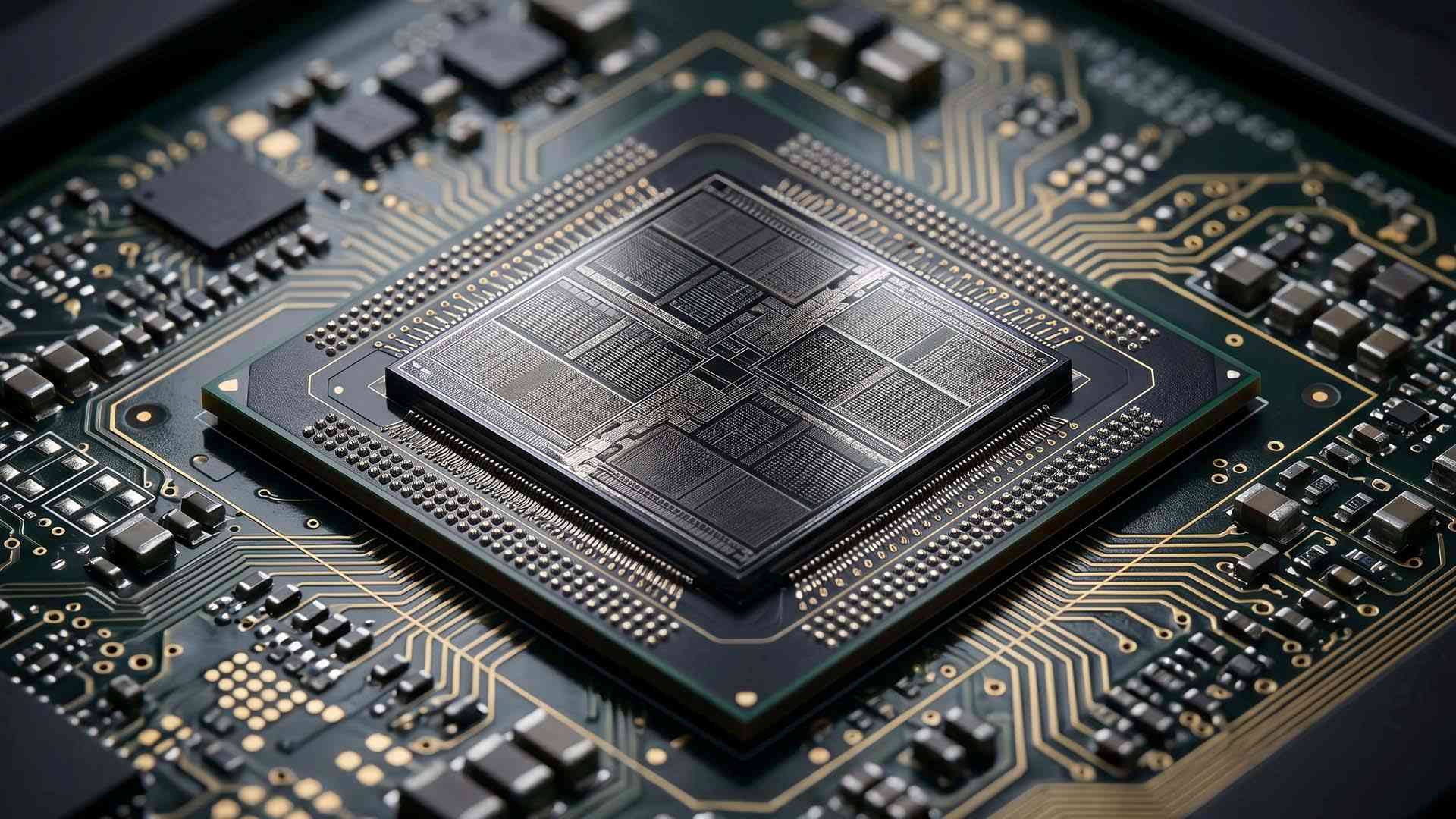
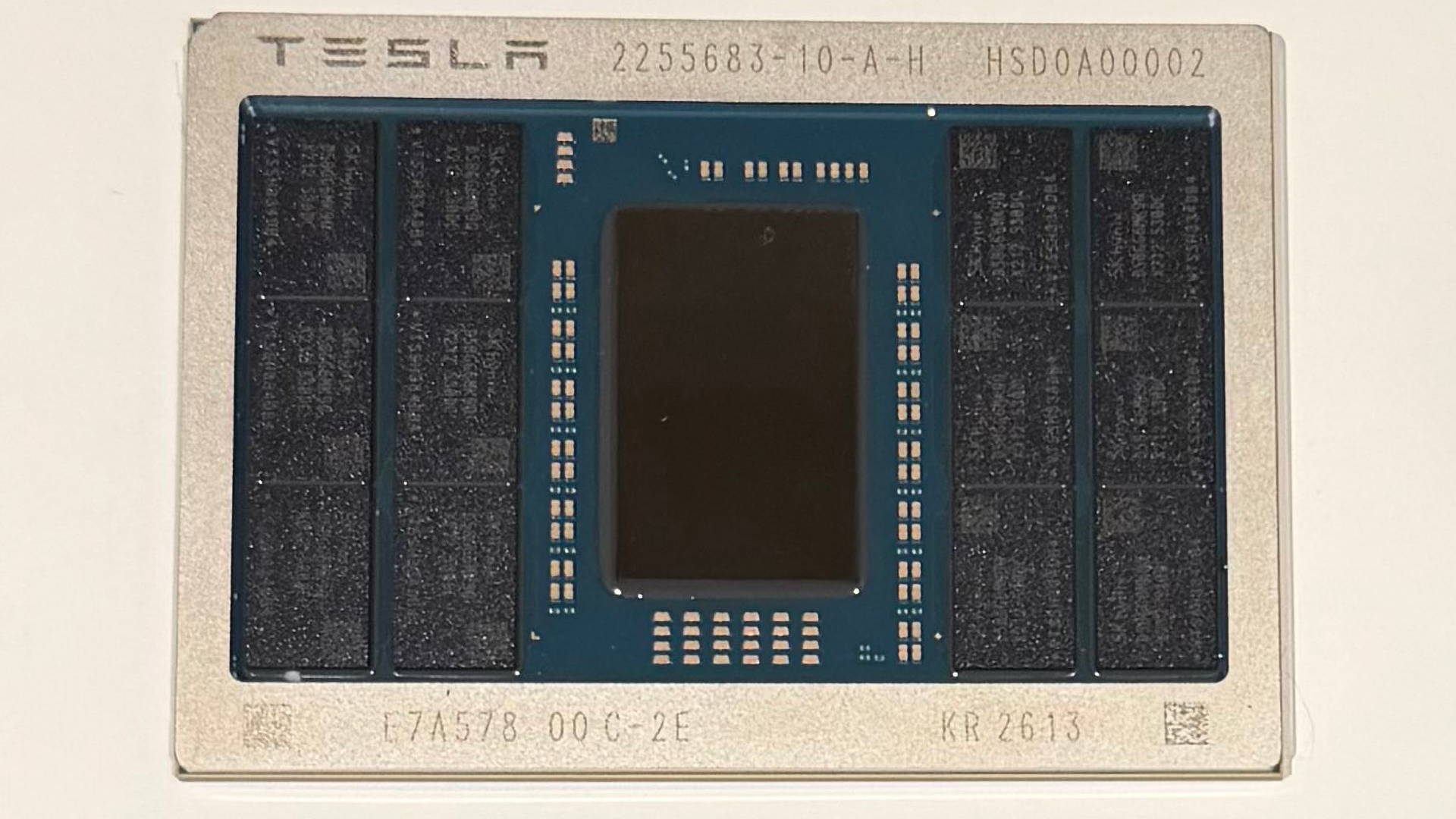
Elon Musk demonstrated the first sample of the Tesla AI5 processor this week, claiming it delivers a 40× performance improvement over its predecessor. In the presentation, Musk accidentally referred to TSMC as "TSC" before clarifying both TSMC and Samsung Foundry are producing the chip. The AI5 is expected to ship in volume during a later week of 2026 and is critical to Tesla's FSD and robotics roadmap.
Manufacturing & Supply Chain
TSMC's 2nm Ramp & Advanced Packaging Dominance Nvidia has reserved the majority of TSMC's most advanced CoWoS packaging capacity, according to reporting from earlier this month that continues to shape supply dynamics. The packaging bottleneck is increasingly identified as the next chokepoint for AI chip scaling, separate from the front-end node race. With TSMC's Arizona Fab 2 currently in tool move-in and installation for 2nm production planned for 2027, domestic U.S. capacity remains years away from relieving Taiwan-centric supply risk.
Samsung 2nm Yield Crisis Threatens Foundry Ambitions Samsung's 2nm process yield rates may drop as low as 40%, according to industry sources — a critical threshold that risks losing key customers to TSMC. The yield gap is the primary reason TSMC is exploring taking Groq's LPU orders. Samsung has been trying to recover customer confidence after a difficult year of foundry losses, but low yields at the cutting edge continue to hamper its ability to win high-profile AI chip contracts.
China Chip Tool Imports Pivot to Southeast Asia, Hit 2017 Low for U.S. Shipments China's semiconductor equipment imports from Singapore and Malaysia reached record levels in 2025 as U.S. tightening of export controls drove a significant rerouting of supply chains, according to TrendForce analysis. Meanwhile, direct U.S. chip tool shipments to China fell to their lowest level since 2017. The data confirms that China's procurement network is successfully circumventing some restrictions — a finding that is now driving new U.S. legislative and regulatory responses.

Geopolitics & Trade Policy
U.S. Lawmakers Scale Back — But Don't Kill — Anti-China Chipmaking Bill The latest version of the U.S. legislative effort to restrict chipmaking equipment exports to China has been scaled back from its original scope, Reuters reported Thursday. However, the revised bill retains a crucial provision: a new countrywide restriction on ASML's deep ultraviolet (DUV) immersion lithography machines. The bipartisan bill still targets ASML and other equipment suppliers and remains a live threat to China's access to mature-node manufacturing tools it has been using to circumvent advanced-node restrictions.

Global Chip Supply Chains Diversifying Away from Taiwan Strait Risk Taiwan produces roughly 90% of the world's most advanced chips, and ongoing Taiwan Strait tensions are accelerating investment by the U.S., South Korea, and India to build domestic fabrication capacity. A new analysis published this week details how the geopolitical fault line running through Taiwan continues to underpin a multi-trillion-dollar supply chain restructuring effort, with the global semiconductor market on track to surpass $1.6 trillion by 2030.
China Targeting Taiwan's Chip Talent and IP to Break "Containment" Taiwan's top security agency published a report this week warning that China is systematically targeting Taiwan's advanced chip manufacturing know-how and engineering talent as a strategy to break through international technology containment. The report, referenced by Reuters, frames chip technology acquisition — rather than conventional military action — as China's primary near-term method of eroding Taiwan's strategic advantage.
Market Moves & Earnings
TSMC Posts Record Q1 Revenue of NT$1.134 Trillion; Analysts Eye 2nm Premium Pricing TSMC's Q1 2026 earnings reported this week confirmed record revenue of NT$1.134 trillion (~$35.6B), a 35% year-on-year jump and the first time the company has crossed the NT$1 trillion quarterly threshold. Analyst consensus going into the print had been around NT$1.1 trillion, making the beat meaningful. The outperformance was attributed to insatiable AI chip demand from Nvidia, AMD, Broadcom, and hyperscalers. TSMC's A14 node was highlighted during the call as an attractive interconnect technology that creates competitive moat.

Global Semiconductor Industry on Track to Hit $1 Trillion in 2026 The Semiconductor Industry Association (SIA) had previously forecast that the global chip industry — which posted $791.7 billion in 2025 revenue, up 25.6% year-on-year — is on pace to breach the $1 trillion mark in 2026. TSMC's record Q1 result this week provides early confirmation that the industry is tracking toward that milestone, with AI infrastructure spending showing no signs of deceleration.
Deep Dive: TSMC's Record Quarter and the New Foundry Competitive Order
This week's TSMC Q1 2026 earnings call was more than a financial milestone — it was a strategic inflection point for the global foundry industry. By openly naming Intel Foundry as a "formidable competitor," TSMC's CEO signaled that the two-horse race that once defined leading-edge foundry has become a genuine three-way contest with TSMC, Samsung, and Intel all competing for the AI era's most critical chip contracts.
The competitive landscape has shifted dramatically in TSMC's favor. Samsung's 2nm yield troubles — potentially as low as 40% — are creating customer anxiety at exactly the moment AI chip makers need reliable, high-volume supply. Reports that TSMC is considering bidding for Groq's LPU orders, currently produced by Samsung, suggest that even existing Samsung customers may defect if yield-driven delivery risk becomes untenable. For Samsung, losing Groq would be a symbolic and financial blow at a moment when it is desperately trying to close the technology and reliability gap with TSMC.
Intel's trajectory is the most ambiguous of the three. TSMC's public acknowledgment of Intel as a formidable rival — rather than an irrelevant incumbent — validates Intel Foundry's 18A recovery narrative. Intel's Arizona Fab 52 is now operational and approaching high-volume production. TSMC's willingness to name Intel suggests the Taiwanese giant's competitive intelligence shows Intel winning at least some design wins that TSMC would have preferred to capture itself. The EMIB advanced packaging technology that TSMC referenced as "attractive" during its earnings call could become a differentiator for Intel if it can demonstrate competitive die-to-die interconnect performance.
Meanwhile, the geopolitical dimension is tightening around all three companies. The revised U.S. bill to restrict ASML DUV tools would, if passed, close the last significant loophole in China's equipment access. China's response — routing tool imports through Southeast Asia — demonstrates supply chain agility, but the new legislation is specifically designed to close that channel. For TSMC, Samsung, and Intel, the geopolitical contest shapes investment decisions: TSMC's Arizona expansion, Samsung's Taylor, Texas fab, and Intel's Ohio buildout all represent bets that U.S. and allied-country production will eventually command strategic premiums regardless of near-term cost disadvantages.
What to Watch Next Week
- TSMC follow-on analyst days and investor calls following this week's record earnings — watch for guidance on 2nm ramp timing and pricing for AI chip customers
- U.S. Senate action on the scaled-back ASML DUV restriction bill — committee markups could accelerate or stall the legislation that Beijing is lobbying hard against
- Samsung Q1 2026 earnings (expected late April) — yield data and foundry revenue guidance will reveal whether the 2nm crisis is as deep as industry sources suggest
- Any formal announcement of Groq's manufacturing partner selection for its next-generation LPU — a Samsung-to-TSMC switch would be a landmark customer defection in the AI chip supply chain
This content was collected, curated, and summarized entirely by AI — including how and what to gather. It may contain inaccuracies. Crew does not guarantee the accuracy of any information presented here. Always verify facts on your own before acting on them. Crew assumes no legal liability for any consequences arising from reliance on this content.
Powered by
