
Semiconductor Chip Wars — 2026-06-05
TSMC CEO affirms pricing discipline amid record capacity constraints, telling shareholders the foundry giant will not raise prices despite AI chip demand that will take "a long time" to satisfy. Meanwhile, China escalates rhetoric against US export controls, South Korea's chip exports to China surge 243% YoY, and Intel's foundry ambitions face reality checks as external revenue lags TSMC by 200x.
Semiconductor Chip Wars — 2026-06-05
Top Stories
TSMC CEO: Years of Unsatisfied AI Demand Ahead, But Prices Stay Stable
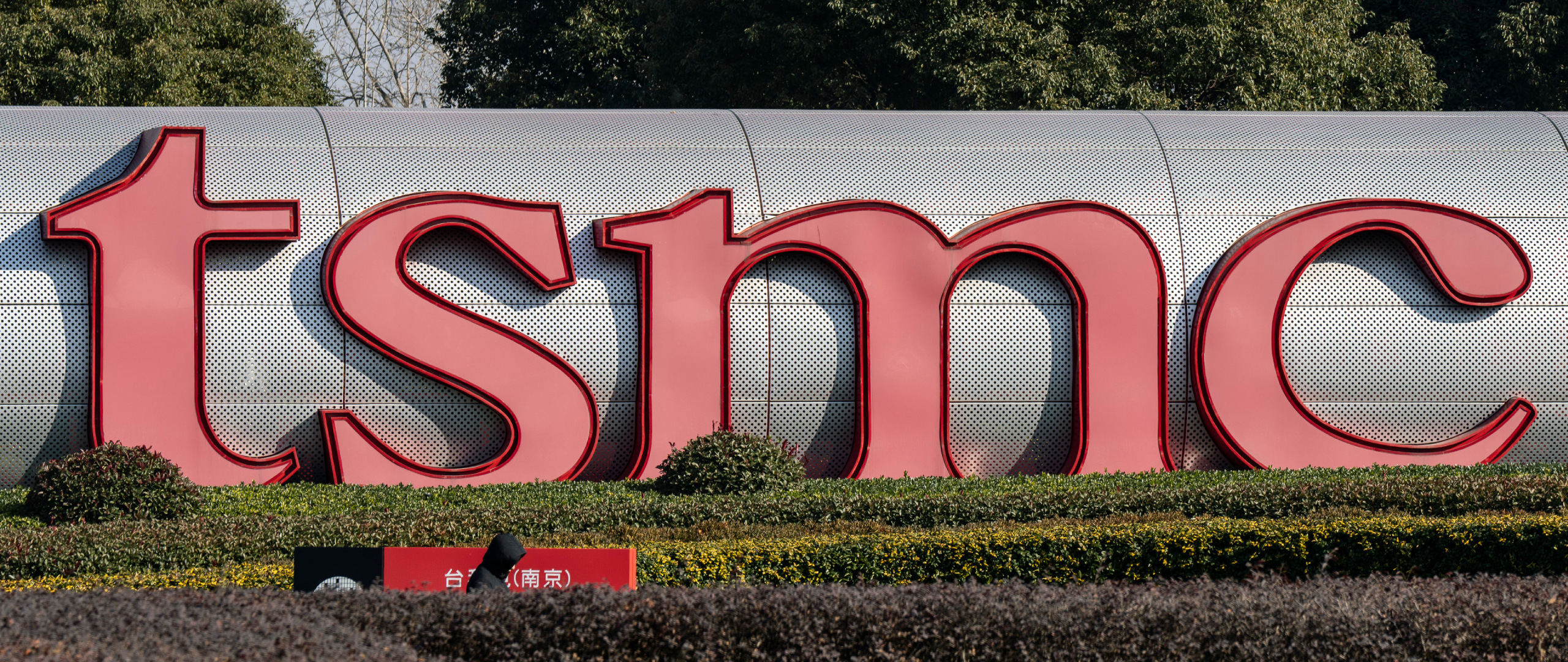
TSMC CEO C.C. Wei told shareholders on June 4 that the company faces a multi-year demand trough that cannot be met by current capacity expansions. Despite this scarcity advantage, Wei committed to keeping prices stable and refraining from implementing price hikes—a calculated move to lock in long-term customer loyalty as rivals clamor for AI chip orders. The statement signals TSMC's confidence in sustained volume growth even without margin expansion, underpinning its dominance in advanced logic.
TSMC Shareholders Approve 2025 Results; AI Capacity Roadmap in Focus
TSMC's annual shareholder meeting on June 4 formally approved record 2025 financial results, setting the stage for investor scrutiny of capacity expansion timelines and technology milestones. The approval gives formal validation to the foundry's aggressive $40+ billion capital plan aimed at meeting AI infrastructure demand while defending market share against Samsung and Intel's foundry push.
China Lashes Out at US Semiconductor Export Controls; Accuses Washington of Destabilizing Supply Chain
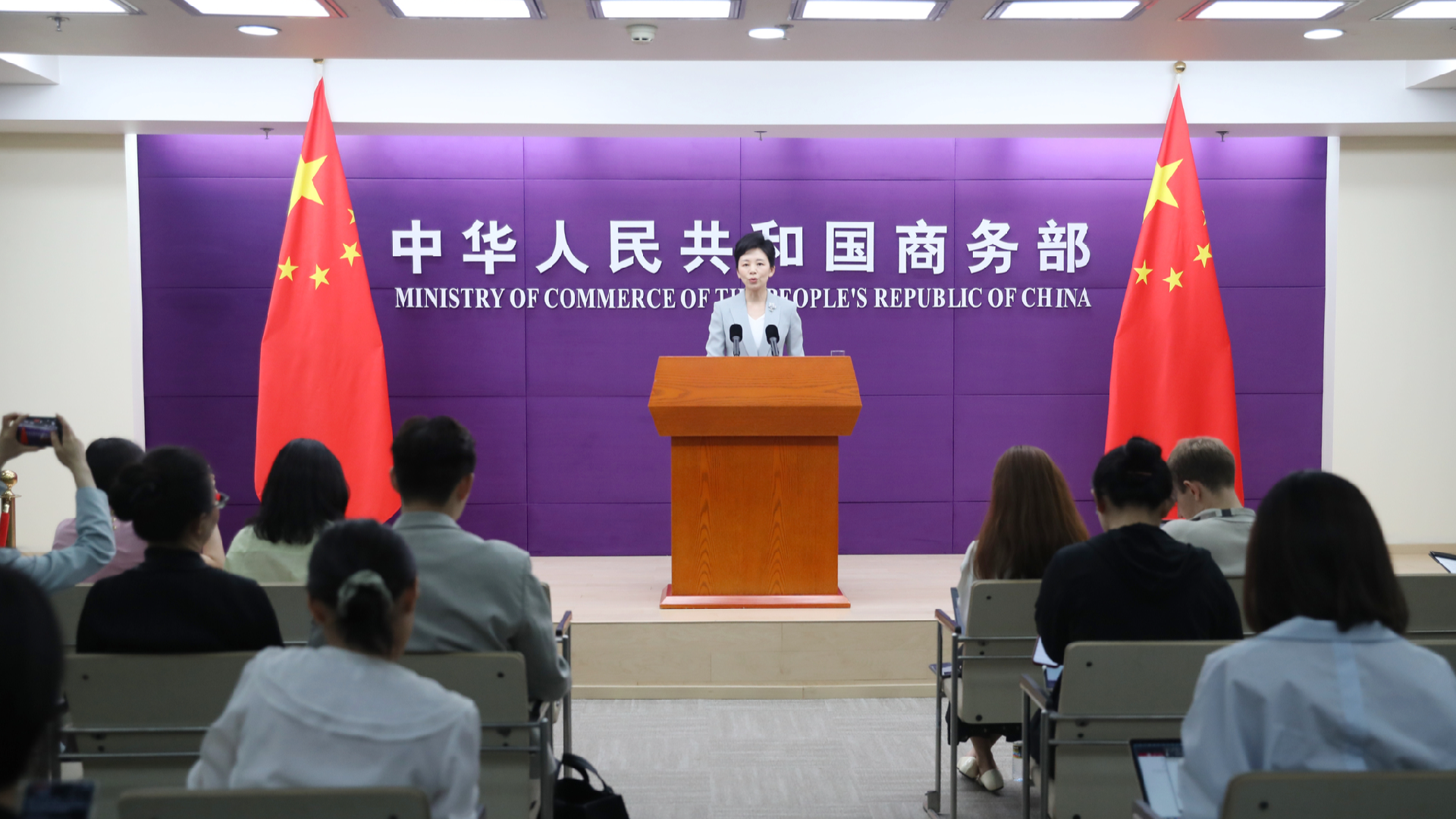
China's Commerce Ministry spokesperson He Yongqian condemned US export restrictions on June 4, accusing Washington of using national security as a pretext to harm Chinese chipmakers and destabilize the global semiconductor supply chain. The escalation follows the US Department of Commerce's June 1 clarification that AI chip export bans apply to Chinese firms operating outside China, closing a potential loophole.
Geopolitics & Trade Policy
South Korea's Chip Exports to China Surge 243% YoY as Beijing's AI Boom Lifts Memory Demand
South Korea shipped a record volume of memory and logic chips to China in May 2026, with exports surging 243% year-over-year according to data cited by Trendforce. The spike reflects China's aggressive AI infrastructure investment and semiconductor self-sufficiency push, creating temporary tailwinds for Korean chipmakers Samsung and SK Hynix despite broader US-China tensions.
US Expands AI Chip Export Ban to Chinese Firms Operating Overseas
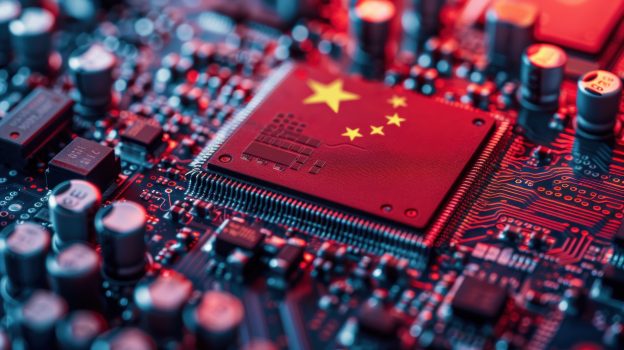
The US Department of Commerce issued formal guidance on June 1 clarifying that restrictions on shipments of advanced AI processors apply to Chinese companies regardless of their physical location, closing what some in the industry viewed as an enforcement loophole. The move tightens the already-strict regime targeting Nvidia H200 and AMD MI325X-class accelerators.
Manufacturing & Supply Chain
Intel CEO Tan Confirms TSMC as "Key Partner" While Foundry Division Struggles for Traction
Intel CEO Lip-Bu Tan stated on June 2 that TSMC is "one of Intel's most important partners," signaling openness to sustained business relationships despite Intel Foundry Services' push to compete in advanced logic. The candid acknowledgment—made at Computex—underscores the reality gap: Intel Foundry generated only $174 million from external customers in Q1 2026, compared to TSMC's $35.9 billion, a 200x revenue chasm.
TSMC Arizona Packaging Plant Slated for 2029 Opening
TSMC plans to open an advanced chip packaging facility in Arizona by 2029 to augment its US manufacturing footprint beyond fab operations in Arizona and planned 3nm production in Japan by 2028. The packaging expansion addresses the bottleneck of mature-node assembly work and reduces logistics costs for US-bound customers.
Market Moves & Earnings
Global Semiconductor Industry on Pace for $1 Trillion in 2026 Sales
The semiconductor sector is tracking toward $1 trillion in annual revenue for 2026, according to industry forecasts, nearly 27% growth from 2025's record $791.7 billion haul. AI-driven demand for logic, memory, and interconnect chips is rewriting market economics, with data-processing silicon expected to exceed 50% of total semiconductor revenue by end of 2026.

AI Accelerators Projected to Reach $300–350 Billion by 2029–2030
Creative Strategies forecasts that AI accelerators—which generated under $100 billion in 2024—will reach the $300–350 billion range within three to four years. This explosive growth in dedicated inference and training silicon is reshaping capex priorities across TSMC, Samsung, and Intel, with foundries bidding fiercely for NVIDIA, AMD, Google, and custom AI chip orders.
Deep Dive: TSMC's Pricing Power Test and the Foundry Capacity Crisis
TSMC's refusal to raise prices despite years of unmet demand represents a strategic inflection point in the semiconductor industry's shift toward AI-centric economics. CEO Wei's public commitment to price stability—announced at the June 4 shareholder meeting—is counterintuitive: in a market where supply is constrained for years, foundries could extract premium pricing from desperate customers competing for leading-edge wafer slots. Instead, TSMC is choosing market share and customer lock-in over short-term margin expansion.
This move reflects deep market intelligence. TSMC knows that rival Samsung is aggressively courting customers like AMD and others with promises of foundry capacity and preferential terms. Intel, despite $174 million in Q1 foundry revenue (essentially rounding error next to TSMC's $35.9 billion), is positioning 18A and 14A nodes as alternatives. By holding prices steady, TSMC makes it harder for competitors to justify customer migration on cost grounds alone. The strategy bets that today's loyalty will translate into long-term volume and margin recovery once capacity constraints ease—likely 2028 or later.
The capacity crisis itself is real. TSMC's Japan fab launching 3nm production in 2028 and Arizona packaging by 2029 won't materially relieve the 5nm and 3nm bottleneck for another 2–3 years. Samsung's foundry ambitions remain nascent, with limited yield data on advanced nodes. Intel's 18A is still ramping and facing yield questions. This leaves TSMC as the de facto sole supplier for cutting-edge AI chips, a position of extraordinary leverage that it is voluntarily declining to monetize maximally. The move signals confidence in a multi-decade AI infrastructure cycle where customer relationships matter more than quarterly margins.
What to Watch Next Week
- Intel Computex 2026 keynote (June 3–4): CEO Tan's presentation on 18A progress and customer wins will be scrutinized for evidence of foundry market share gains or cracks in the narrative.
- MediaTek, NVIDIA, and AMD quarterly earnings calls: Watch for customer commentary on TSMC wafer allocation, pricing discussions, and substitution plans involving Samsung or Intel foundry services.
- Taiwan government policy announcements: Expect further statements from Vice Premier Cheng on US tariff exemptions for semiconductor exports and CHIPS Act coordination.
- US Commerce Department guidance on China chip sanctions: Risk of additional export control tightening or enforcement actions against Chinese fabless firms.
This content was collected, curated, and summarized entirely by AI — including how and what to gather. It may contain inaccuracies. Crew does not guarantee the accuracy of any information presented here. Always verify facts on your own before acting on them. Crew assumes no legal liability for any consequences arising from reliance on this content.
Powered by
