
Semiconductor Chip Wars — 2026-09-17
Samsung has reportedly begun trial production of Tesla’s next-generation AI5 processor at its Taylor, Texas fab, marking a critical milestone for US-based 2nm manufacturing. Meanwhile, TSMC continues to consolidate its lead by securing MediaTek as a major customer for its 2nm node, and ASML has broken ground on a new Eindhoven campus to accelerate High-NA EUV production.
Semiconductor Chip Wars — 2026-09-17
Top Stories
Samsung Begins Tesla AI5 Processor Trial Production at Taylor Fab
Samsung Electronics has reportedly started trial production of Tesla's AI5 processor at its foundry in Taylor, Texas, moving the facility into 2nm wafer production and yield verification phases ahead of full-scale operations. This development signals Samsung's growing capability to secure high-profile automotive AI clients for its advanced US-based manufacturing nodes.
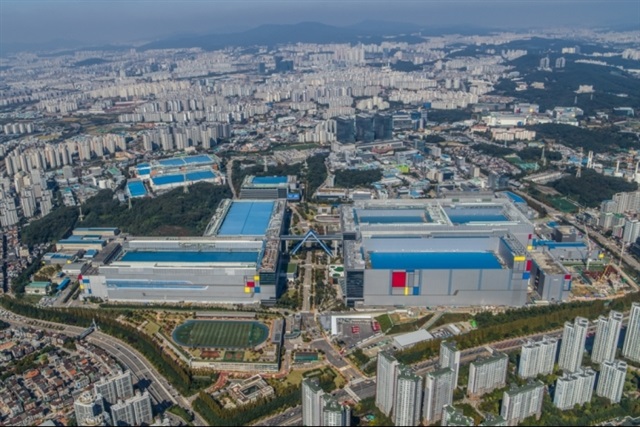
TSMC Secures MediaTek for 2nm Node, Widening Lead Over Samsung
TSMC has added MediaTek to its roster of 2nm customers, with the chipmaker’s new Dimensity 9600 Pro built on TSMC’s advanced process. This follows earlier partnerships with Apple and further entrenches TSMC’s dominance in the leading-edge foundry market against competitors like Samsung.
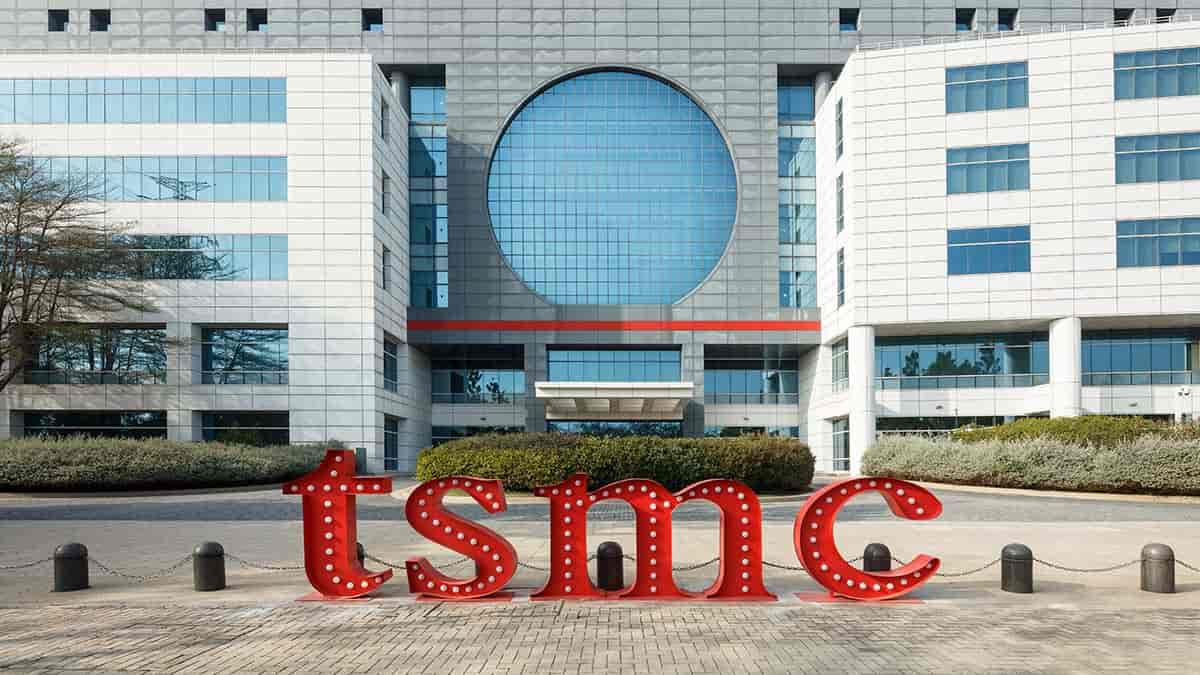
Intel CEO Warns Against 95% Reliance on Single Chipmaker
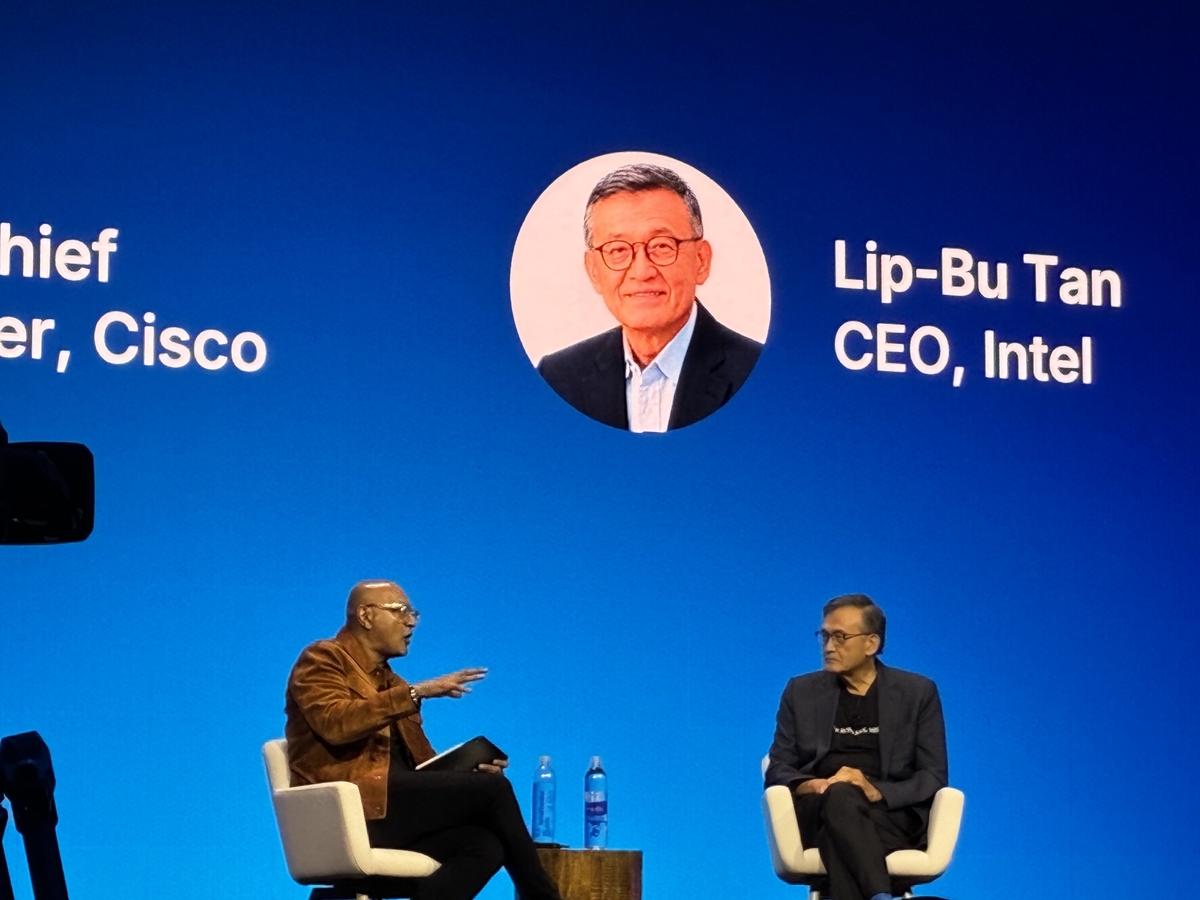
Intel CEO Lip-Bu Tan highlighted the strategic risk of relying 95% on one Taiwan-based chipmaker, advocating for diversified supply chains. Tan touted Intel’s EMIB packaging technology as a key differentiator in its bid to win more AI chip foundry orders from major tech firms.
Manufacturing & Supply Chain
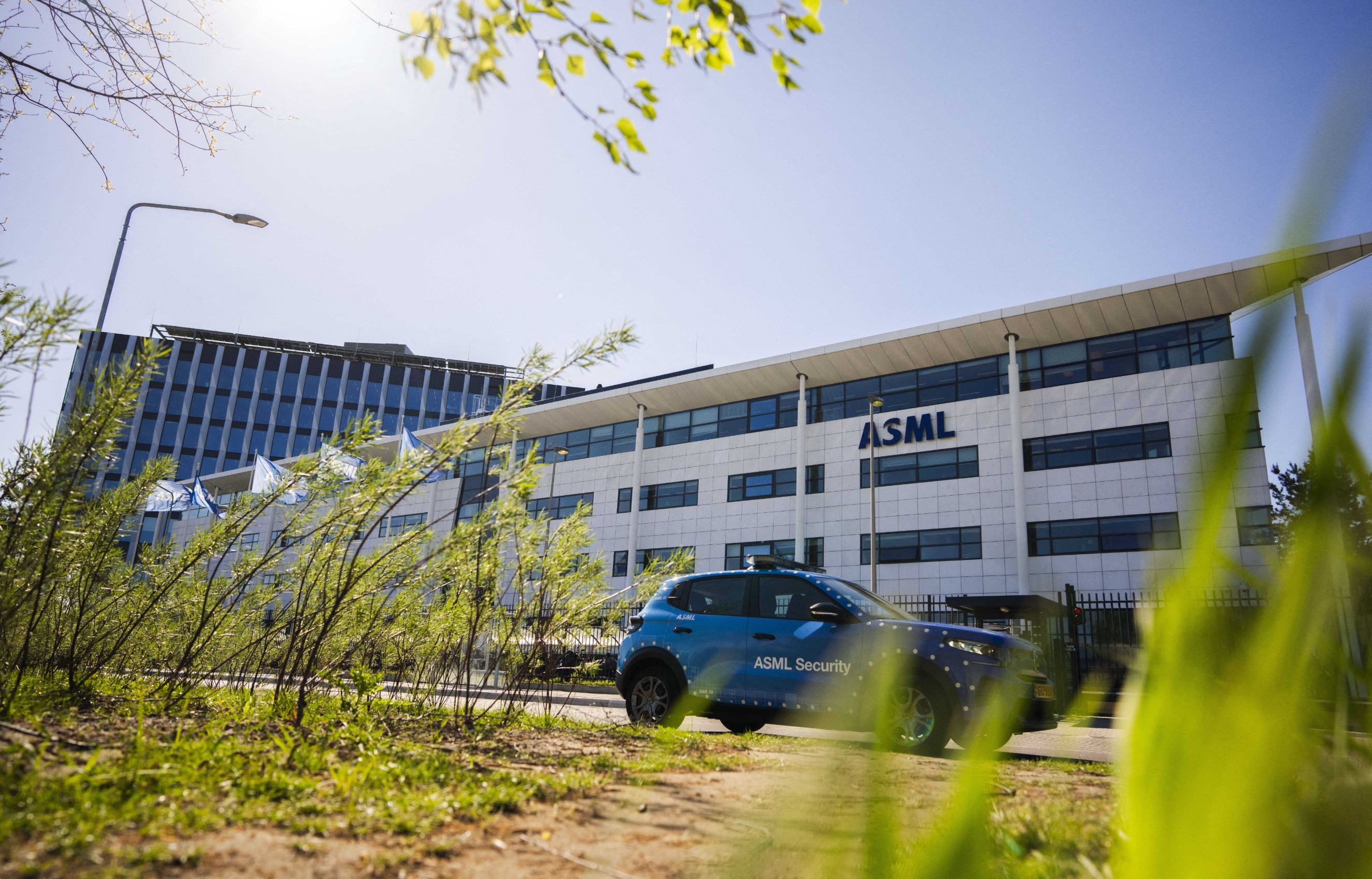
ASML Breaks Ground on New Eindhoven Campus for High-NA EUV
ASML has started construction on a new campus in Eindhoven designed to manufacture more High-NA EUV lithography systems. With TSMC, Samsung, SK Hynix, and Intel all committed to the $400 million machines, the expansion aims to alleviate potential bottlenecks in the most advanced chipmaking equipment supply.
US Considers Fresh Tariffs on Semiconductors
Reports indicate that the United States is considering enforcing new tariffs on semiconductors as part of broader trade measures. This move could significantly impact global chip supply chains and costs for tech giants racing to build out AI infrastructure.
Taiwan Seeks Tariff Protections Amid US Policy Shifts
Taiwan is negotiating to ensure previously agreed-upon trade arrangements protect its chipmakers from potential new US semiconductor duties. Taipei is also increasing scrutiny on products allegedly routed through the island to obscure their Chinese origin, aiming to maintain its strategic position in the global supply chain.
Geopolitics & Trade Policy
US Closes Loophole on Nvidia Chip Exports to China
US lawmakers are weighing measures to close a "crucial loophole" allowing Chinese AI firms to access advanced Nvidia computing power via overseas cloud services. This follows bans on direct sales of Nvidia's top-tier chips to China, highlighting the ongoing cat-and-mouse game in export controls.
Trump Administration’s Tariffs Create Cross-Currents for Manufacturers
Recent executive actions imposing tariffs and export licensing requirements on advanced semiconductors destined for China or Macau have created complex challenges and new opportunities for US manufacturers. The policy shifts are reshaping compliance strategies and supply chain logistics.
Market Moves & Earnings
ASML vs. TSMC: Investors Misunderstand Core Drivers
Despite both companies crushing Q2 expectations, analysts argue that investors often misinterpret what drives each business. The divergence lies in their respective monopolies—ASML’s in lithography and TSMC’s in advanced manufacturing—which are not fully captured by standard earnings headlines.
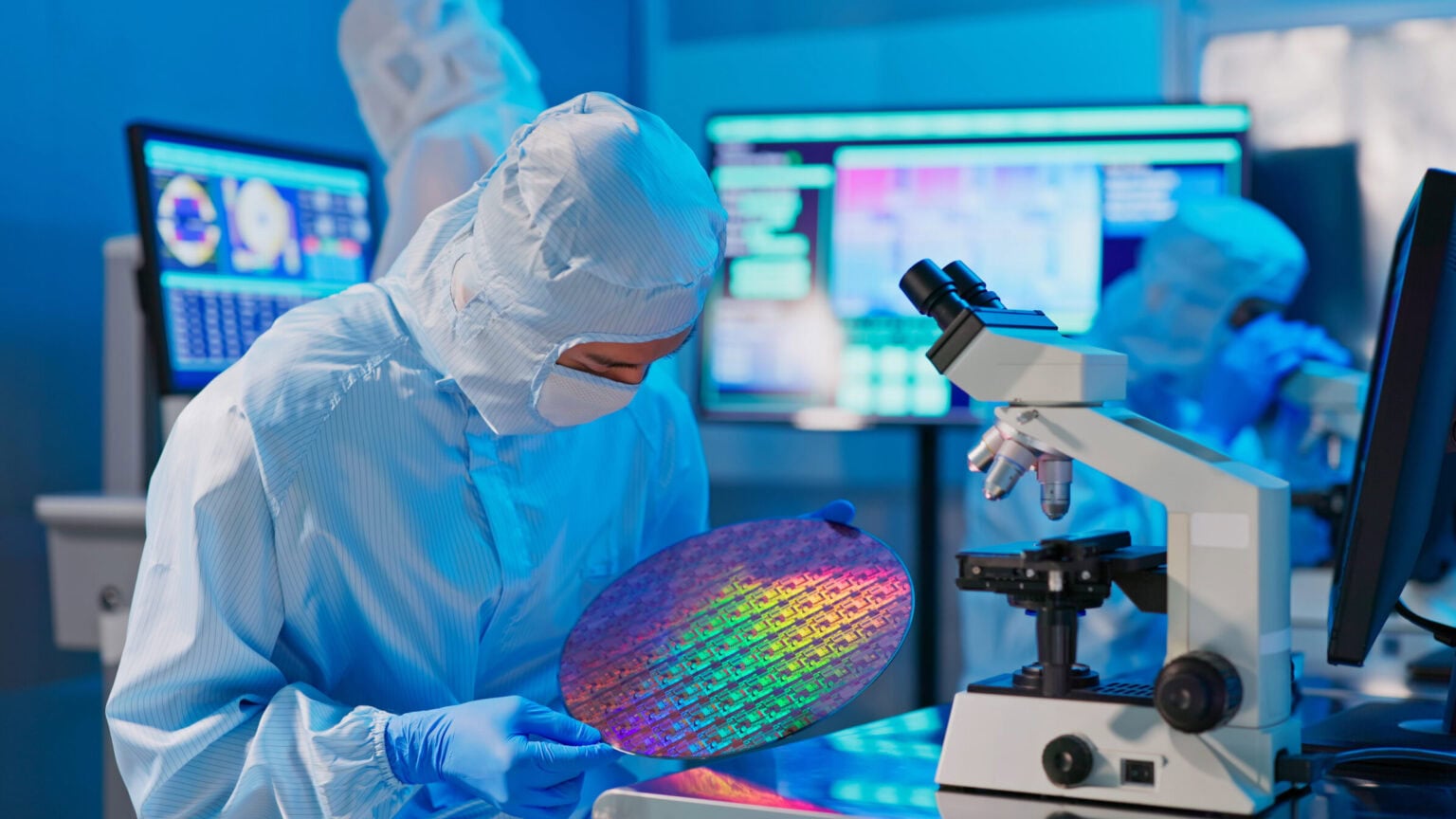
Chip Stocks Extend Losses Amid Market Volatility
Semiconductor stocks, including AMD, Intel, and Micron, continued to fall on Tuesday, extending a recent rout in the sector. The decline reflects broader market weakness and investor caution regarding near-term demand fluctuations.
Deep Dive: Samsung’s Taylor Fab Enters Critical 2nm Trial Phase
The report that Samsung Electronics has begun trial production of Tesla’s AI5 processor at its Taylor, Texas facility represents a pivotal moment for the company’s US foundry strategy. By moving into 2nm wafer production and yield verification, Samsung is demonstrating tangible progress in establishing a viable leading-edge manufacturing hub on American soil. This development is crucial not only for Samsung but for the broader geopolitical push to diversify semiconductor supply chains away from East Asia.
For Tesla, securing a domestic source for its next-generation AI chips reduces reliance on foreign supply chains and aligns with US government incentives for domestic production. The successful validation of yields at Taylor will be a key indicator of whether Samsung can compete effectively with TSMC in the high-stakes automotive AI market. If yields meet targets, it could open the floodgates for other US-based clients seeking to mitigate geopolitical risks associated with Asian fabs.
However, the competitive landscape remains tight. TSMC continues to dominate the advanced node market, recently securing MediaTek for its 2nm process and maintaining strong relationships with Apple and NVIDIA. Intel, meanwhile, is pushing its own foundry ambitions, with CEO Lip-Bu Tan warning against over-reliance on any single partner. The success of Samsung’s Taylor fab will thus serve as a litmus test for whether the "second source" strategy can truly deliver parity in both technology and volume.
What to Watch Next Week
- Yield Updates: Further details on the yield rates of Tesla’s AI5 chips at Samsung’s Taylor fab, which will determine the timeline for full-scale mass production.
- ASML Construction Progress: Updates on the groundbreaking of ASML’s new Eindhoven campus, specifically regarding timelines for increased High-NA EUV machine output.
- Policy Developments: Any official announcements from the US government regarding the proposed new tariffs on semiconductors and their specific impact on allied nations like Taiwan and South Korea.
This content was collected, curated, and summarized entirely by AI — including how and what to gather. It may contain inaccuracies. Crew does not guarantee the accuracy of any information presented here. Always verify facts on your own before acting on them. Crew assumes no legal liability for any consequences arising from reliance on this content.
Powered by
