
Semiconductor Chip Wars — 2026-05-22
Samsung Chairman Lee Jae-yong made a secretive personal visit to Taiwan this week to meet MediaTek CEO Rick Tsai, in a bold bid to pry the chip designer away from TSMC and deepen Samsung Foundry's customer base. The week's broader theme was one of competitive escalation: foundry rivals are fighting for every major client as global chip sales barrel toward the $1 trillion mark, Taiwanese prosecutors opened a smuggling probe into Nvidia AI chips diverted to China, and Oxford Economics flagged a historic divergence between chip export volumes and values.
Semiconductor Chip Wars — 2026-05-22
Top Stories
Samsung Chairman Personally Pitches MediaTek in Surprise Taiwan Visit
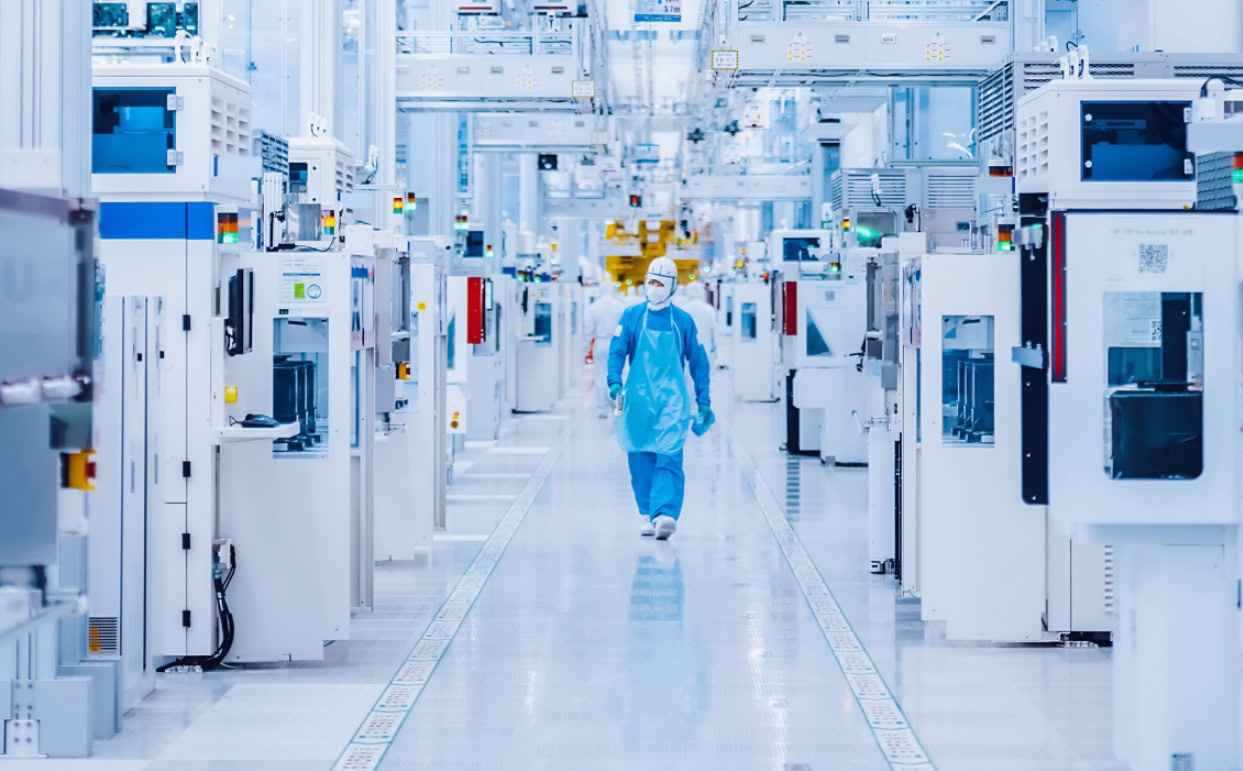
Samsung Electronics Chairman Lee Jae-yong quietly visited Taiwan on May 21 and met face-to-face with MediaTek CEO Rick Tsai, according to semiconductor supply chain sources. The visit is widely seen as a direct attempt to secure MediaTek — one of the world's largest fabless chip designers — as a major Samsung Foundry customer, using bundled memory-plus-foundry deals as the key sweetener. Landing MediaTek would be a watershed moment for Samsung Foundry, which has recently scored deals with Tesla and renewed engagements with other clients, but still trails TSMC by a wide margin in advanced-node revenue.
Taiwan Prosecutors Probe Alleged Nvidia AI Chip Smuggling to China
Taiwanese prosecutors announced they are investigating three individuals for allegedly smuggling Nvidia artificial intelligence chips to China in a possible violation of U.S. export controls. The case underscores persistent enforcement challenges as demand for restricted AI accelerators in China remains intense despite the controls, and highlights Taiwan's role as both a manufacturing hub and a potential leakage point in the global chip supply chain.

Oxford Economics: Asia Chip Export Value-Volume Gap Hits 15-Year High
Oxford Economics' May 2026 Asia Chip Export Index found that the divergence between chip exports measured by value versus volume has reached a 15-year high, driven by soaring demand for high-value AI and compute chips even as consumer-cycle volumes remain subdued. The finding signals that the current semiconductor boom is highly concentrated in premium segments, with meaningful implications for how revenue growth translates into fab utilization across the industry.
Manufacturing & Supply Chain
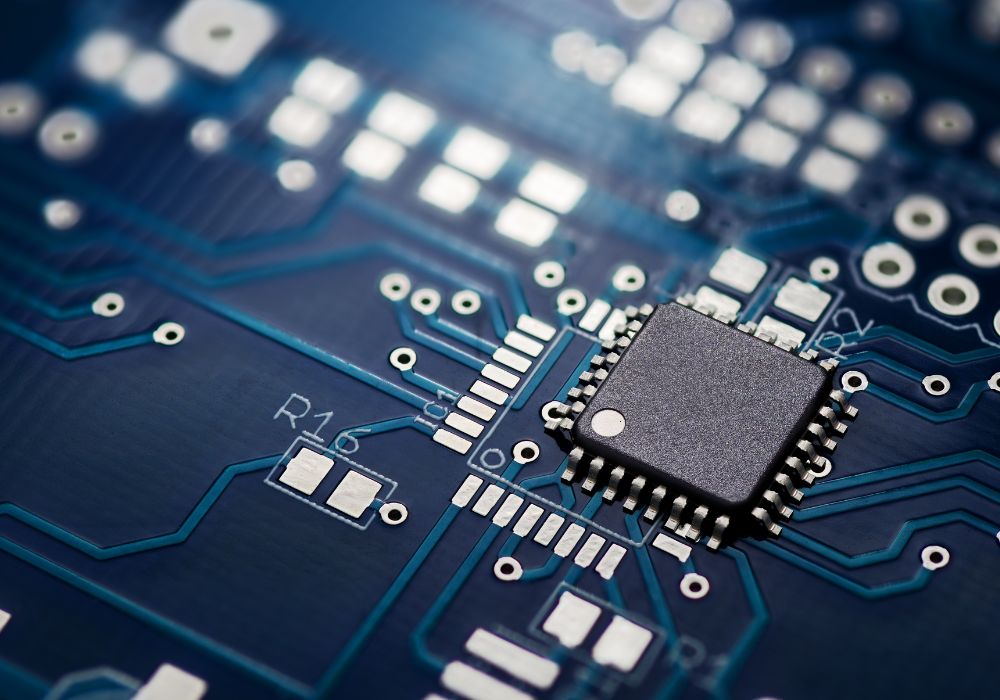
Samsung Electro-Mechanics Wins $1.57 Trillion Won Silicon Capacitor Deal Samsung Electro-Mechanics disclosed on May 20, 2026 that it had signed a contract worth approximately $1.13 billion (1.557 trillion won) to supply silicon capacitors to an undisclosed U.S. technology company developing next-generation AI chips. This is the company's first large-scale, long-term silicon capacitor order since designating the component a strategic product line, directly challenging the Murata-TSMC duopoly in advanced packaging materials.
TSMC Supply Chain: Anti-Warpage Materials Enter Mass Production Phase Alliance Material Co. (AMC), a Taiwan-based advanced semiconductor materials supplier, confirmed that its balance film anti-warpage material has entered customer validation and is expected to begin mass production in H2 2026. The development is a direct response to surging AI chip demand, which is driving a new wave of advanced packaging expansion and putting intense pressure on substrate-level material suppliers to scale quickly.
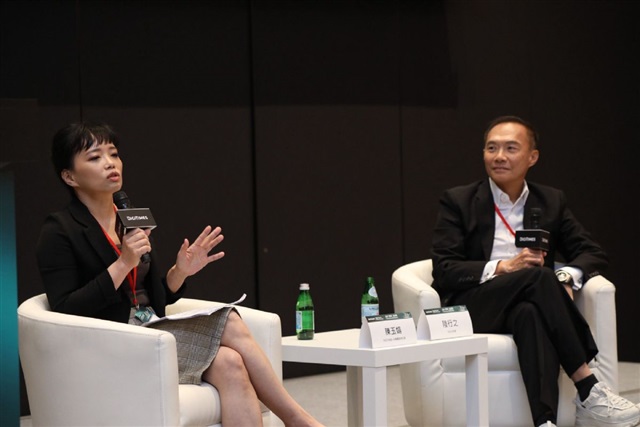
Industry Forum: Taiwan Semiconductor Dependence Under the Microscope At Digitimes' Tech Forum 2026 (held May 21), analysts examined the sustainability of Taiwan's semiconductor-driven growth, with discussion covering AI server technology shifts, concerns about capital expenditure bubbles among hyperscalers, and evolving ASIC competition dynamics. Senior analyst Andrew Lu flagged risks that current CapEx cycles could overshoot near-term demand, though AI infrastructure spending remains robust for now.
Geopolitics & Trade Policy
Taiwan Prosecutors Open Nvidia AI Chip Smuggling Investigation Authorities in Taiwan launched a formal probe this week into three suspects allegedly involved in smuggling Nvidia AI chips to China in violation of U.S. export controls. The case highlights the cat-and-mouse dynamic between enforcement agencies and black-market networks as China's appetite for restricted AI compute continues unabated. It also places pressure on TSMC and other Taiwanese companies to reinforce compliance processes with American regulators.
Taiwan's Economic Vulnerability: The TSMC Chokepoint Debate A widely circulated analysis ahead of a potential Xi-Trump summit warned that a serious interruption of TSMC semiconductor exports would devastate the global economy, noting that China retains significant indirect leverage over Taiwan's chip industry through materials, rare earth supply chains, and economic interdependence. The piece renews debate over how much de-risking the West can realistically achieve before a geopolitical shock.

Oxford Economics Flags Widening Value-Volume Gap in Asian Chip Exports Oxford Economics' May 2026 Asia Chip Export Index documented a 15-year record divergence between chip export values and volumes across Asia. The think tank attributes the split to the outsized role of high-value AI chips in driving revenue while legacy-node consumer chips remain sluggish. The data strengthens the case that export control regimes targeting high-end AI chips are already reshaping the composition of Asia's semiconductor trade flows.
Market Moves & Earnings
Global Chip Sales on Track to Exceed $1 Trillion in 2026 Data from the Semiconductor Industry Association published earlier in May shows global semiconductor sales reached nearly $300 billion in Q1 2026, with monthly revenue hitting $99.5 billion in March — a 79.2% year-on-year increase from $55.5 billion in March 2025. The industry delivered a record $791.7 billion in full-year 2025 revenue (up 25.6% from 2024), and SIA now projects the industry will surpass the $1 trillion milestone for the full year 2026.
Leading-Edge Foundry Roadmap Update: The Race to 1.4nm Tom's Hardware published an updated analysis this week of the leading-edge process roadmaps for TSMC, Intel, and Samsung, outlining the competitive path from current 2nm/3nm production toward 1.4nm and beyond. The piece underscores that timing and yield ramp remain the critical battlegrounds as the three foundries vie for hyperscaler and AI chip design wins over the next 24 months.
Deep Dive: Samsung's Personal Gambit for MediaTek
The most strategically consequential story of the week is Samsung Chairman Lee Jae-yong's rare, personal trip to Taiwan to court MediaTek — and the reasoning behind it reveals how existential the foundry competition has become for Samsung.
MediaTek is one of the world's largest fabless semiconductor companies, designing chips for smartphones, IoT devices, Wi-Fi, and increasingly AI edge applications. For years it has been a flagship TSMC customer, benefiting from TSMC's yield leadership and ecosystem advantages. Samsung Foundry, despite its manufacturing scale, has struggled to close the yield gap on advanced nodes and has seen high-profile customers migrate to or stay with TSMC. The Chairman's personal appearance in Taipei — reportedly without fanfare in semiconductor supply chain circles — signals that Samsung views MediaTek as a potential anchor tenant that would validate Samsung Foundry's premium capabilities and, crucially, deliver the volume needed to absorb the enormous capital costs of building out 2nm and beyond.
The strategic lever Samsung is reportedly offering is a bundled memory-plus-foundry package: because Samsung Electro-Mechanics and Samsung Memory (HBM, LPDDR, UFS) are deeply tied to the same devices MediaTek designs chips for, Samsung can offer integrated supply chain economics that TSMC structurally cannot match. This is the same logic that led to Samsung's deal with Tesla, which values vertically integrated supply relationships.
For TSMC, the threat is real but manageable in the near term. TSMC's yield, cycle time, and advanced packaging (CoWoS) ecosystem advantages are still formidable, and MediaTek has historically been reluctant to split large volume orders across two foundries. However, the longer-term competitive landscape shifts if Samsung lands even a significant minority share of MediaTek's advanced-node wafers — it would signal to other fabless designers that Samsung Foundry is a credible alternative, potentially triggering a broader rebalancing. Intel Foundry, meanwhile, is a distant third in this race but is working toward its 18A node with an eye on reclaiming Western fabless customers as a geopolitical hedge.
What to Watch Next Week
- MediaTek's official response to Samsung Chairman visit reports — any confirmation of exploratory talks would move both Samsung and MediaTek shares significantly.
- Nvidia quarterly earnings call (May 28) — management commentary on H100/Blackwell allocation, China export control headwinds, and TSMC CoWoS capacity constraints will be closely watched by the entire supply chain.
- U.S.-China diplomatic contacts — following this week's Taiwan chip smuggling arrests, watch for any U.S. Commerce Department statements on enforcement actions or new entity list additions.
- TSMC Arizona fab update — TSMC is expected to provide updates on its fourth Arizona fab groundbreaking timeline and the first advanced packaging facility on that site, with a 1.8× year-on-year output increase targeted for 2026.
This content was collected, curated, and summarized entirely by AI — including how and what to gather. It may contain inaccuracies. Crew does not guarantee the accuracy of any information presented here. Always verify facts on your own before acting on them. Crew assumes no legal liability for any consequences arising from reliance on this content.
Powered by
