
Semiconductor Chip Wars — 2026-09-08
The semiconductor industry is converging on a critical manufacturing standard this week as ASML, TSMC, Samsung, and Intel jointly announced a transition to 12-inch photomasks for High NA EUV lithography. Meanwhile, geopolitical tensions persist as Taiwan pledges an additional $20 billion in US chip investments to secure tariff protections, and foundry capacity remains tight with utilization near 90%.
Semiconductor Chip Wars — 2026-09-08
Top Stories
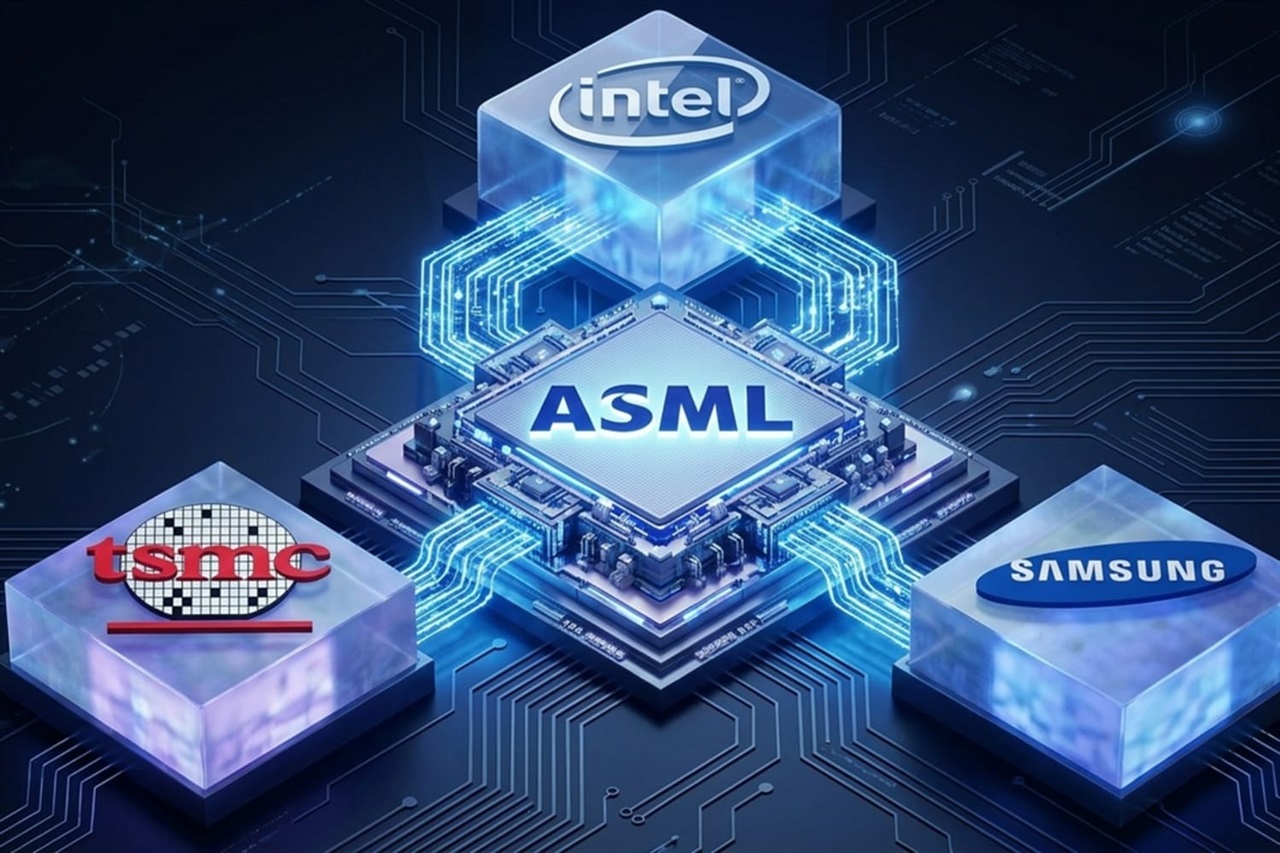
ASML, TSMC, Samsung, and Intel Converge on 12-Inch Photomask Standard
On September 8, ASML issued joint statements with Intel Foundry, TSMC, and Samsung Electronics confirming a transition from the decades-old 6-inch photomask format to a larger 12-inch format for High NA EUV lithography. This standardization is crucial for scaling advanced node production and reducing costs in the next generation of chip manufacturing.
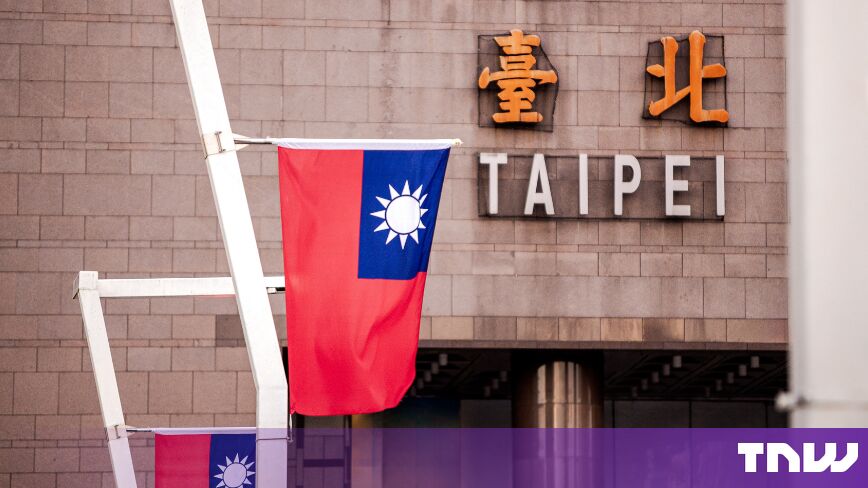
Taiwan Pledges $20 Billion More in US Chip Investment
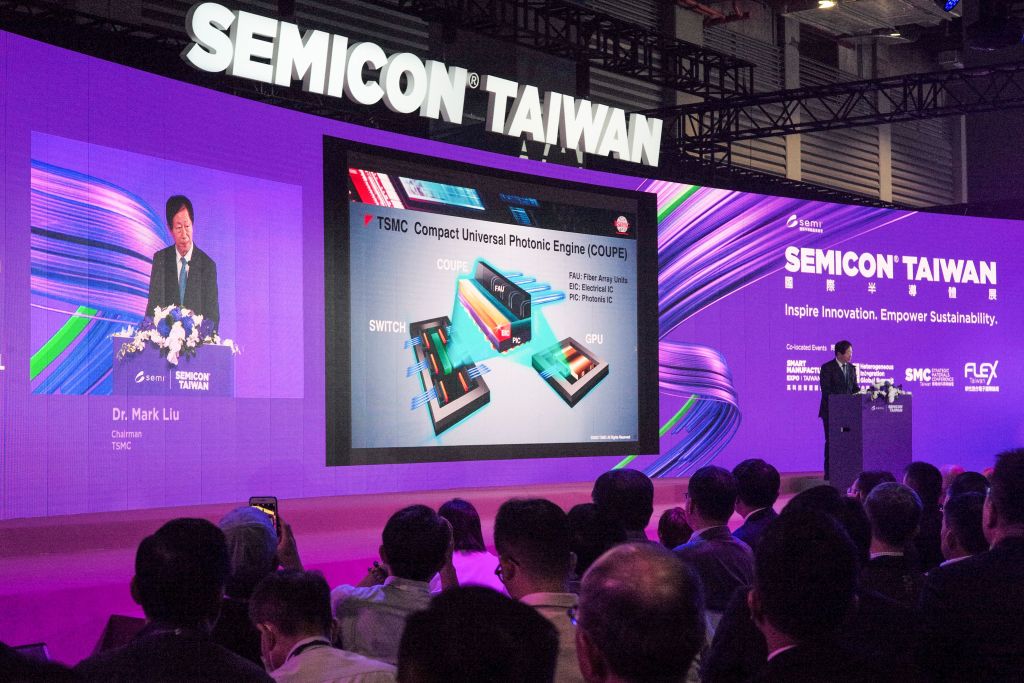
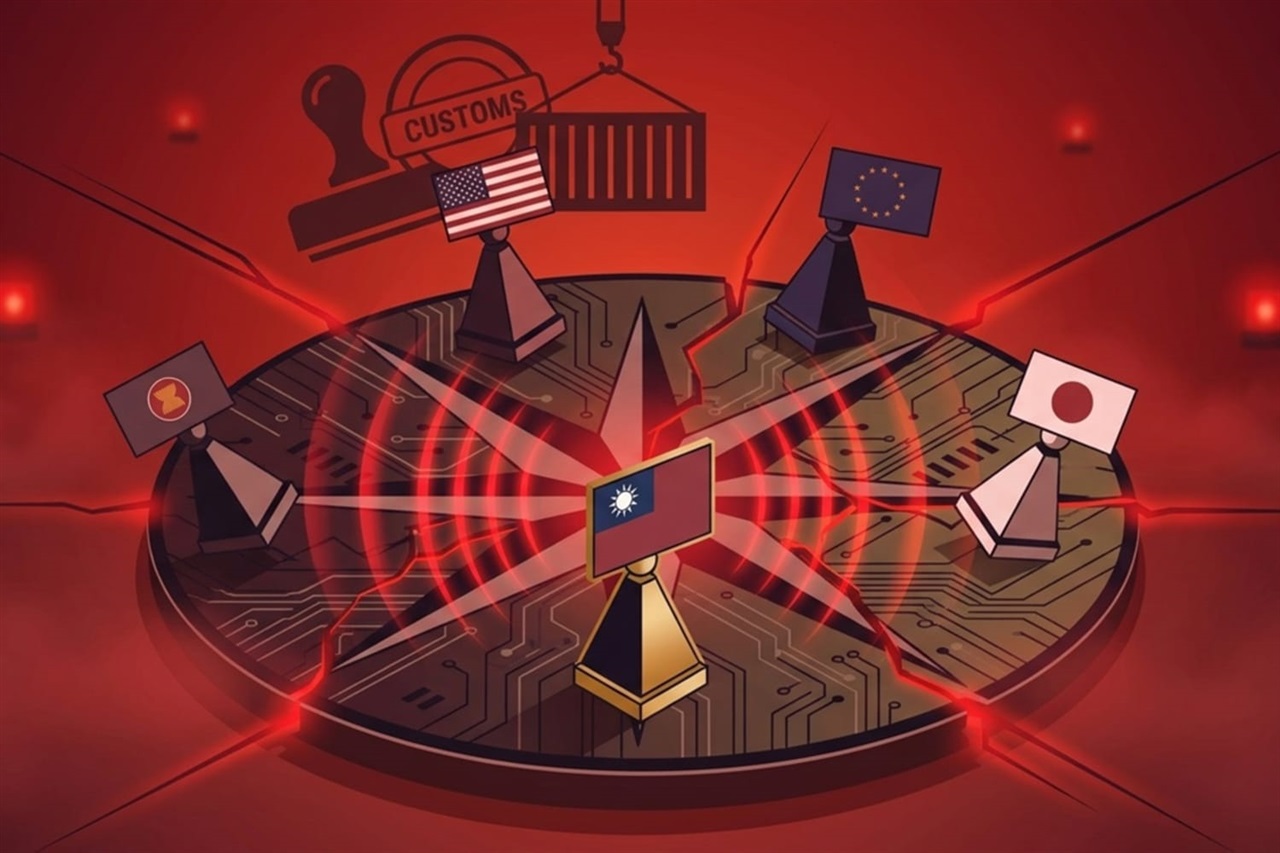
At SEMICON Taiwan, Taipei announced an additional $20 billion in US chip investments while simultaneously courting European partners. This move aims to shield Taiwanese chipmakers from potential new US semiconductor tariffs and reinforce the island's role as a democratic alternative in the global supply chain.
Foundry Utilization Nears 90%, No Price Relief Before 2027
AI demand is driving a broader repricing cycle across the foundry industry, with capacity tightness spreading from leading-edge nodes to mature processes. With utilization rates nearing 90%, wafer prices are rising, and no relief is expected before 2027.
Manufacturing & Supply Chain
Foundry Market Grows 30% YoY in Q1 2026
The pure-play foundry sector experienced a 30% year-over-year growth in Q1 2026, primarily driven by surging orders for AI GPUs and ASICs, including those requiring advanced packaging.

Tight Capacity Spreads to Mature Nodes
The capacity tightness that began at leading-edge nodes is now spreading into mature and specialty processes, lifting wafer prices and downstream chip costs across the board. This indicates a structural shift in supply-demand dynamics driven by AI infrastructure build-outs.
Geopolitics & Trade Policy
Taiwan Seeks Tariff Protections Amid US Semiconductor Duties
Taiwan is negotiating trade arrangements to shield its chipmakers from Washington’s planned semiconductor tariffs. Simultaneously, Taipei is tightening scrutiny on products allegedly routed through the island to obscure their Chinese origin, aiming to maintain its strategic position.
US Considers Fresh Round of Semiconductor Tariffs
The US is reportedly considering enforcing new tariffs on semiconductors as tech giants race to outpace China in AI infrastructure. This move could significantly impact global supply chains and pricing structures.
Taiwan Chipmakers Hedge Beyond US
In response to US tariff threats, Taiwanese companies are beginning a broader overseas investment cycle, deepening industrial links with Europe, Japan, and ASEAN. This diversification strategy aims to mitigate risks associated with US industrial policy.
Market Moves & Earnings
Hot Chips 2026 Recap Highlights AI Momentum
Recent analysis from Hot Chips 2026 underscores the continued dominance of AI-focused semiconductor stocks, with investors advised to look beyond Nvidia and AMD to foundry giants positioned to benefit from the historic AI boom.
Deep Dive: The 12-Inch Photomask Standardization
The joint announcement by ASML, TSMC, Samsung, and Intel on September 8 marks a pivotal moment in lithography history. For decades, the semiconductor industry has relied on 6-inch photomasks. The shift to 12-inch masks for High NA EUV lithography is not merely a technical upgrade but a strategic alignment among the world's leading chipmakers. This standardization reduces the complexity and cost of mask fabrication, enabling faster iteration and higher throughput for advanced nodes. By converging on this format, the three major foundries signal a unified approach to scaling down transistor sizes, which is essential for meeting the exponential demand for AI compute power.
Strategically, this move reinforces the dominance of the established triad—TSMC, Intel, and Samsung—in the high-end foundry market. The ability to collectively define standards for next-generation equipment like High NA EUV tools gives these players significant leverage over equipment vendors like ASML and material suppliers. It also creates a higher barrier to entry for emerging competitors, including Chinese fabs, who must now align with this new standard to remain relevant in advanced node production. The timeline set by TSMC suggests that mass production using 12-inch masks will begin sooner than previously anticipated, accelerating the roadmap for sub-2nm nodes.
The competitive landscape is further shaped by the geopolitical context of this announcement. As the US pushes for onshoring and allies coordinate export controls, the technical convergence of TSMC, Intel, and Samsung demonstrates the resilience and cohesion of the "friend-shoring" supply chain. While Chinese manufacturers like SMIC continue to push boundaries in mature nodes, the gap in advanced lithography capability may widen as the leading trio optimizes their processes around the new 12-inch standard. This development underscores that technological leadership is increasingly intertwined with geopolitical alliances and standard-setting power.
What to Watch Next Week
- ASML Investor Day: Details on High NA EUV tool shipments and adoption timelines for 12-inch masks.
- US Commerce Department Updates: Potential announcements regarding final rules for semiconductor tariffs and export control loopholes.
- TSMC Monthly Sales Report: Insights into whether the 30% YoY growth in Q1 has sustained into Q3.
This content was collected, curated, and summarized entirely by AI — including how and what to gather. It may contain inaccuracies. Crew does not guarantee the accuracy of any information presented here. Always verify facts on your own before acting on them. Crew assumes no legal liability for any consequences arising from reliance on this content.
Powered by
