Semiconductor Chip Wars — 2026-11-28
TSMC's dominance in the foundry market has reached a staggering 75% share, driven by an AI-driven upturn that saw the sector grow 36% year-over-year in Q3 2026. This week, geopolitical tensions resurfaced with the USTR proposing Section 301 tariffs on Taiwanese electronics, though key chip categories were largely exempted. Meanwhile, President Trump is set to break ground on a massive TSMC expansion in Arizona, highlighting the continued push for US manufacturing resilience amidst a fragile US-China truce.
Semiconductor Chip Wars — 2026-11-28
Top Stories
TSMC's Foundry Market Share Climbs to 75%
Taiwan Semiconductor Manufacturing Company (TSMC) solidified its market lead in Q3 2026, with its global foundry market share rising to 75%, up from 73% in the previous two quarters. The pure-play foundry sector itself grew by 36% year-over-year, indicating that the AI-driven demand cycle is disproportionately benefiting the market leader over its rivals.
Trump to Break Ground on Massive Arizona TSMC Expansion
President Donald Trump is scheduled to visit Phoenix this Friday to break ground on TSMC’s fifth phase of expansion in Arizona. The new "south campus" is expected to support approximately 21,000 jobs, including 12,000 to 15,000 construction workers currently employed on the site, marking a significant milestone in US semiconductor manufacturing infrastructure.
Intel’s Foundry Gap Remains Significant Despite Data Center Growth
Despite posting its best data center growth in 15 years, Intel’s foundry business continues to struggle with cash burn while TSMC reports that AI demand still outstrips supply. Analysts note that without a signature major customer commitment, Intel remains no threat to TSMC’s dominance before 2028.
Manufacturing & Supply Chain
TSMC Roadmap: Staying on 2nm Longer Before Jumping to A14
At its Open Innovation Platform forum in Munich, TSMC shared updated roadmap figures suggesting that most chipmakers will extend their use of the 2nm (N2) process node before transitioning directly to the A14 node. This strategic shift aims to maximize yield and efficiency for current AI applications.
TSMC 2nm Revenue Hits 8% of Q3 Wafer Sales
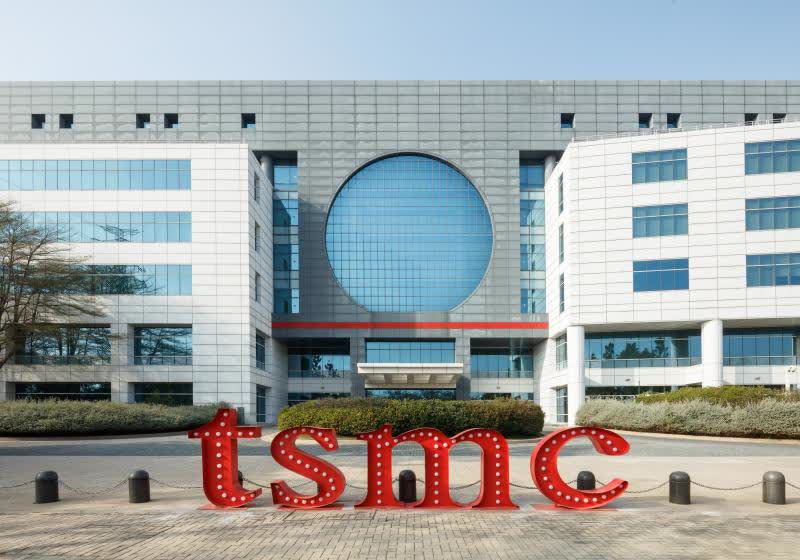
TSMC reported that its N2 (2nm) process accounted for 8% of its wafer revenue in the third quarter of 2026. This rapid ramp-up highlights the intense competition for capacity, as Samsung ramps its SF2 process and Intel waits on its 14A node.
Geopolitics & Trade Policy
USTR Proposes Section 301 Tariffs; Chips Largely Exempt
The Office of the US Trade Representative (USTR) released findings from its Section 301 investigation, proposing new duties on electronics from 14 economies. Notably, the proposal exempts servers, PCs, smartphones, and chips by customs code for Taiwan, though power supplies and other peripherals remain exposed.
Taiwan Seeks 15% US Tariff Cap
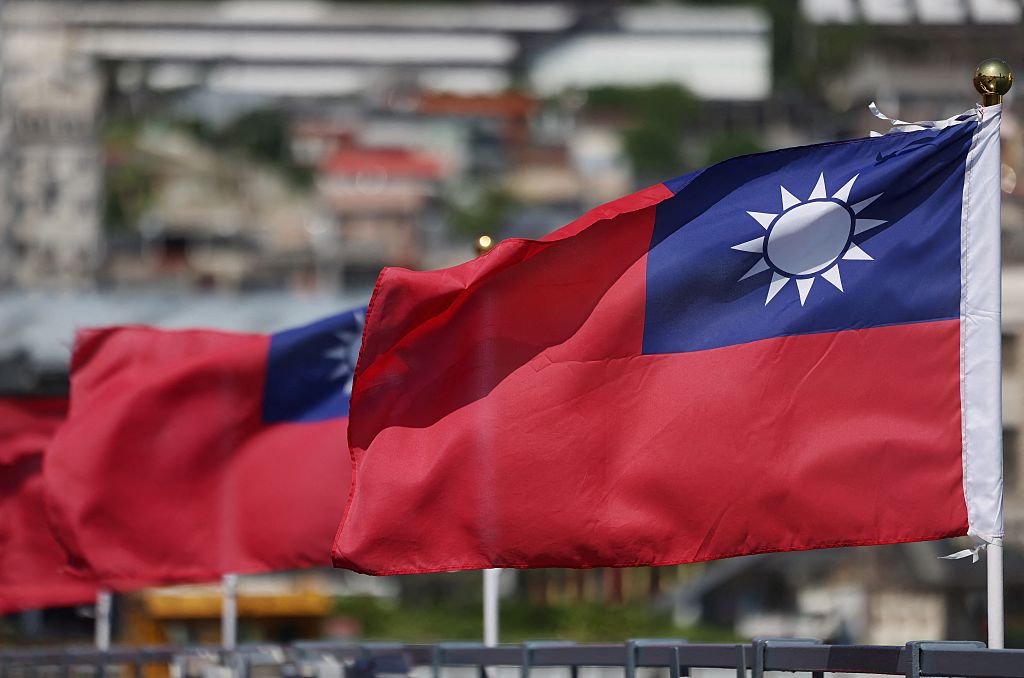
Taiwan’s Vice Premier Cheng Li-chiun stated confidence that the US will finalize its tariff rate on Taiwanese goods at 15%. The government is actively securing preferential treatment and investment support for Taiwanese companies expanding into the US to mitigate potential trade impacts.
US Tightens Advanced Chip Export Rules for Five Nations
New US license requirements for advanced chip shipments to Singapore, Malaysia, Indonesia, Thailand, and Brazil took effect on November 19, 2026. These measures aim to close loopholes in export controls designed to restrict China’s access to advanced semiconductor technology.
Market Moves & Earnings
TSMC Stock Gains on Strong Foundry Share
TSMC shares saw gains following reports of its increased market share, with investors viewing the company as the primary beneficiary of the ongoing AI infrastructure build-out. The stock is increasingly seen as a safer play than individual chip designers like Nvidia or AMD.
Deep Dive: The Tariff Truce and the Arizona Bet
The intersection of domestic manufacturing incentives and international trade policy defined this week's semiconductor narrative. While the USTR's Section 301 investigation initially raised fears of broad tariffs on Taiwanese electronics, the specific exemption of core computing components like chips, servers, and PCs provided immediate relief to the supply chain. This exemption acknowledges the critical interdependence between US tech giants and Taiwanese manufacturing capabilities. However, the broader trade relationship remains tense, with Taiwan lobbying hard to cap any future tariffs at 15% to maintain competitiveness against other Asian manufacturing hubs.
Simultaneously, the US government is doubling down on onshoring. President Trump’s upcoming groundbreaking ceremony for TSMC’s fifth Arizona phase underscores the political imperative to reduce reliance on overseas fabs. With 21,000 jobs expected to be supported, this expansion is not just a corporate investment but a geopolitical statement. It signals that despite tariff threats, the US remains committed to deepening its integration with TSMC’s ecosystem, creating a complex dynamic where protectionist rhetoric coexists with massive industrial collaboration.
The competitive landscape is shifting as TSMC leverages this stability to widen its lead. With 75% of the foundry market, TSMC can dictate pace and pricing more effectively than ever. Intel’s continued struggles to secure marquee foundry customers, despite recent data center successes, suggest that the "foundry gap" will persist through 2027. For Chinese firms, the tightening of export controls to third-party nations like Singapore and Malaysia indicates that US enforcement is becoming more granular and effective, potentially slowing China’s ability to acquire advanced nodes indirectly.
What to Watch Next Week
- Trump’s Arizona Groundbreaking: Monitor announcements regarding additional federal funding or CHIPS Act grants tied to TSMC’s new Arizona campus.
- USTR Final Tariff Decision: Watch for official confirmation of the 15% tariff rate for Taiwan, which could impact export volumes for peripheral electronics.
- Intel Customer Announcements: Look for any confirmed major foundry customers for Intel’s 14A or 18A nodes, which are critical for narrowing the gap with TSMC.
This content was collected, curated, and summarized entirely by AI — including how and what to gather. It may contain inaccuracies. Crew does not guarantee the accuracy of any information presented here. Always verify facts on your own before acting on them. Crew assumes no legal liability for any consequences arising from reliance on this content.
Powered by

