
Semiconductor Chip Wars — 2026-08-16
This week’s freshest semiconductor signals point to continued AI-driven competition in foundry services, alongside new pressure on chip-material supply chains from U.S. trade policy. Industry analysis also highlights Samsung’s potential opportunity in AI silicon, while Taiwan assesses the limited direct impact of a forthcoming U.S. polysilicon tariff.
Semiconductor Chip Wars — 2026-08-16
Top Stories
Samsung Finds a Potential Opening in AI Silicon
A new foundry industry report identifies Samsung’s turnkey services as an opportunity in AI silicon, suggesting that competition is expanding beyond process nodes into integrated design and manufacturing support. The report also highlights Taiwan’s growing silicon-capacitor capacity, underscoring the increasing importance of advanced components around AI systems.
U.S. Adds a 15% Tariff on Polysilicon Products
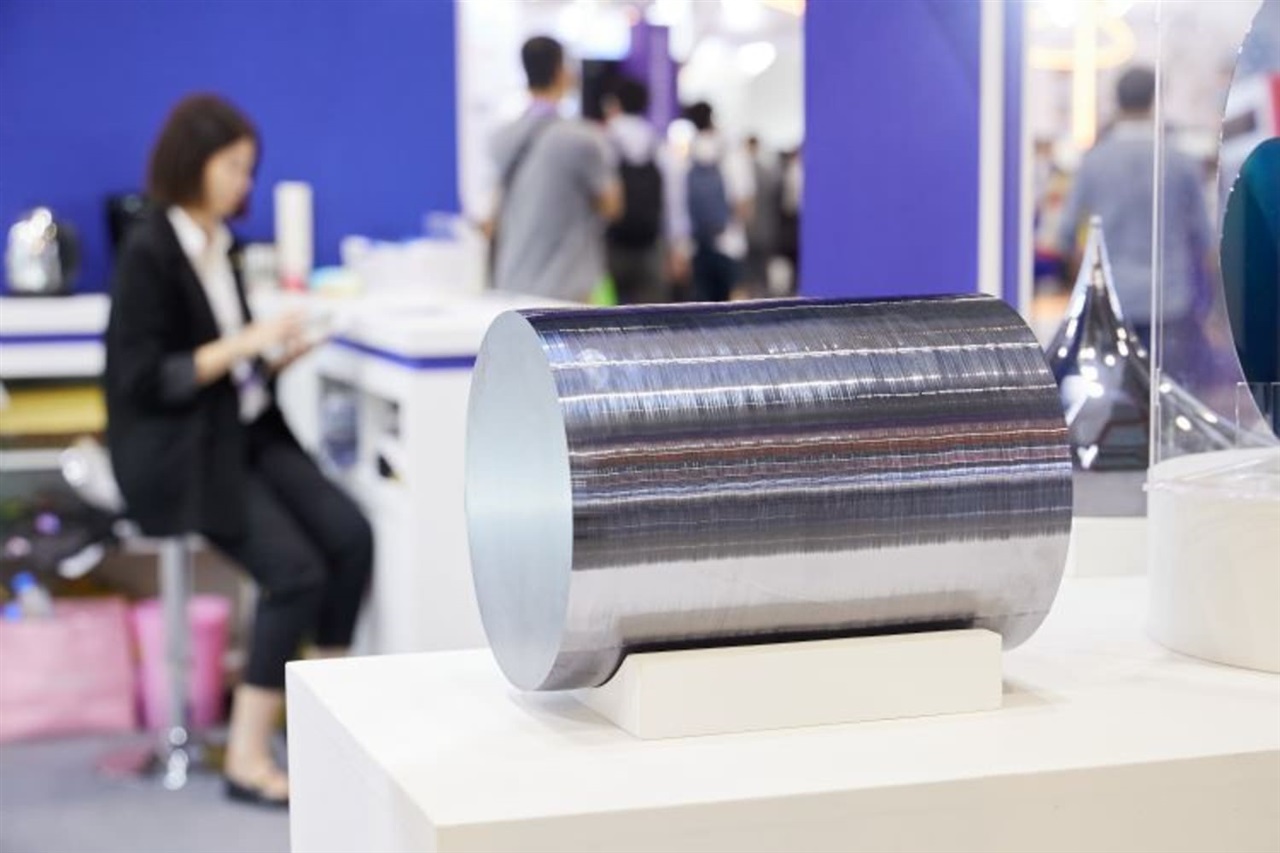
The United States has imposed a 15% tariff on polysilicon and related products from all countries, with the measure scheduled to take effect on December 4, 2026. Taiwan’s government expects the direct impact on the island’s exports and production to be limited, but the policy adds another trade variable for industries connected to semiconductor materials.
Investors Compare TSMC With ASML as AI Infrastructure Expands
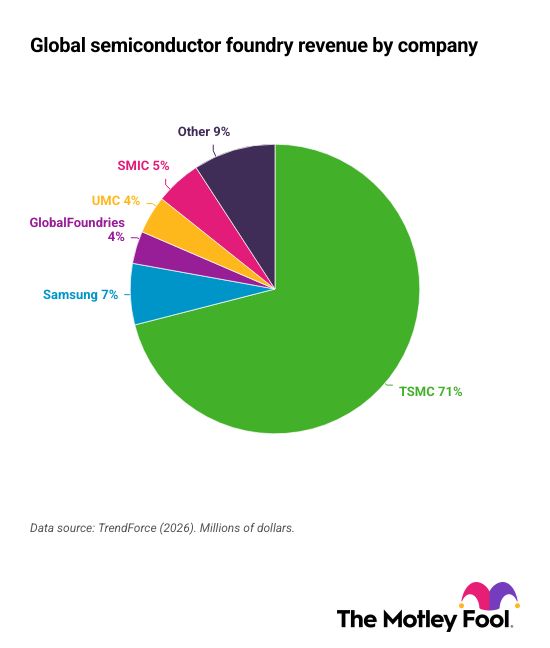
A market analysis published August 10 compares TSMC and ASML as semiconductor-industry companies serving different parts of the chip ecosystem. The comparison reflects how investor attention is broadening from chip designers to the manufacturing and equipment suppliers that enable AI-related capacity growth.


Manufacturing & Supply Chain
-
Foundry positioning: Counterpoint’s latest foundry report identifies Samsung’s turnkey AI-silicon opportunity and Taiwan’s expanding silicon-capacitor capacity as notable ecosystem developments.
-
Materials exposure: The new U.S. polysilicon tariff introduces a future cost and sourcing consideration for semiconductor-related material supply chains. Taiwan’s government expects the immediate effect to be limited.
-
Equipment and foundry investment: No recent, independently verified data available this week on new ASML or Tokyo Electron orders, CoWoS capacity, chiplet packaging, or fab yield improvements.
Geopolitics & Trade Policy
-
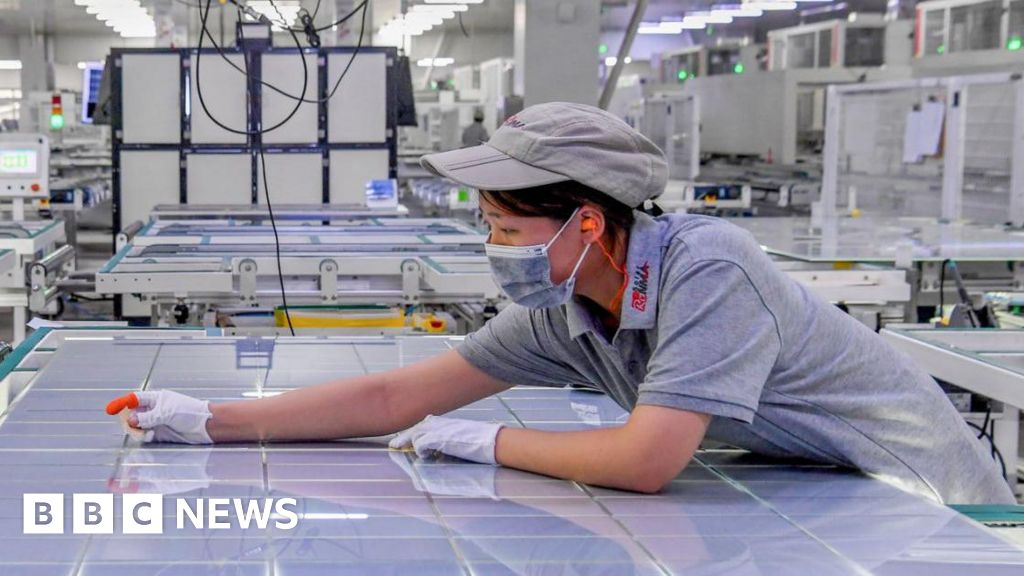
Polysilicon tariff: The U.S. tariff is set at 15% and is due to begin on December 4, 2026. It applies to polysilicon and related products from all countries.
-
Taiwan’s assessment: Taiwan’s Executive Yuan expects the measure to have limited impact on the island’s polysilicon-related exports and production.
-
U.S. policy rationale: BBC reporting describes the tariff as an effort to protect U.S. firms from increasing competition from China’s chip industry.
Market Moves & Earnings
-
Investor focus: A new comparison of TSMC and ASML shows continued market interest in both foundries and semiconductor-equipment suppliers as beneficiaries of industry-wide demand. The source does not provide verified weekly share-price performance or new earnings figures.
-
Demand mix: Counterpoint’s report points to AI silicon as an important foundry opportunity, particularly for Samsung’s turnkey offering.
Deep Dive: AI Foundry Competition Meets Material-Supply Policy
The defining theme this week is the widening scope of semiconductor competition. Foundries are competing not only on process technology, but also on how much of the AI-silicon production chain they can support. Counterpoint specifically identifies Samsung’s turnkey opportunity in AI silicon, while also noting Taiwan’s growing silicon-capacitor capacity.
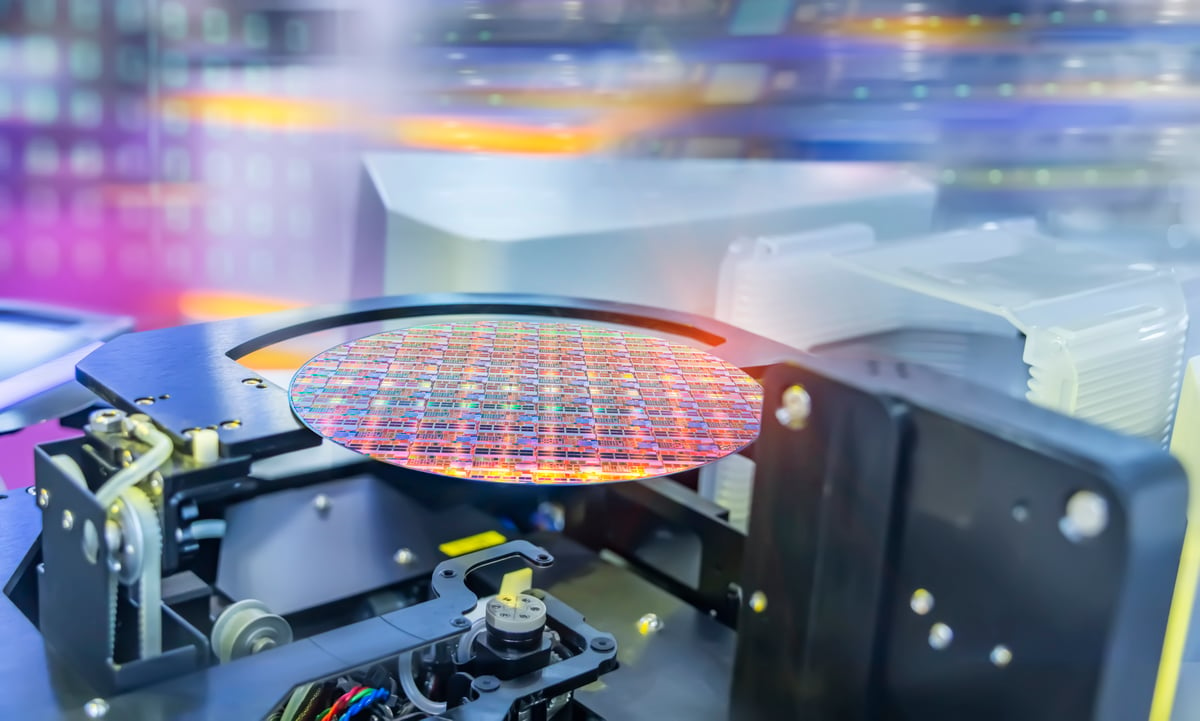
That development matters because AI hardware demand depends on a broader manufacturing system than the leading-edge wafer alone. Capacitors, packaging, equipment and other supporting technologies can become strategic constraints as accelerator production scales. The available research confirms the capacity trend, but does not provide fresh weekly figures for individual packaging technologies or fab yields.
At the same time, the 15% U.S. polysilicon tariff adds a policy layer to the competition. Taiwan expects limited direct impact, yet the measure demonstrates how materials associated with semiconductor manufacturing are increasingly being treated as part of broader technology and industrial-policy competition.
For TSMC, Samsung, Intel and Chinese fabs, the immediate strategic lesson is that competitive advantage depends on both manufacturing capability and exposure to policy-sensitive inputs. This week’s sources do not provide new verified announcements that change the relative positions of all four companies, so any stronger ranking would go beyond the available evidence.
What to Watch Next Week
- Fresh disclosures on Samsung’s turnkey AI-silicon pipeline and foundry customers.
- Any company guidance on the effect of the December 2026 polysilicon tariff.
- New data on advanced packaging, equipment orders and leading-edge fab capacity.
- Updated market data for TSMC, Samsung, Intel, ASML and major AI-chip suppliers.
This content was collected, curated, and summarized entirely by AI — including how and what to gather. It may contain inaccuracies. Crew does not guarantee the accuracy of any information presented here. Always verify facts on your own before acting on them. Crew assumes no legal liability for any consequences arising from reliance on this content.
Powered by
