
Semiconductor Chip Wars — 2026-05-18
The defining story this week is TSMC facing its first real rivals as AI reshapes the foundry landscape — Samsung and Intel are aggressively challenging TSMC's dominance while the global chip market accelerates toward $1.5 trillion by 2030. Across geopolitics, the US-China summit left semiconductor export controls largely unresolved, with China opting for domestic Huawei chips over US-made NVIDIA H200s. Markets remain fixated on whether Samsung and Intel can close the technology gap as AI wafer demand is projected to surge 11-fold from 2022 to 2026.
Semiconductor Chip Wars — 2026-05-18
Top Stories
As AI Redraws Chip Industry, TSMC Faces Its First Real Rivals
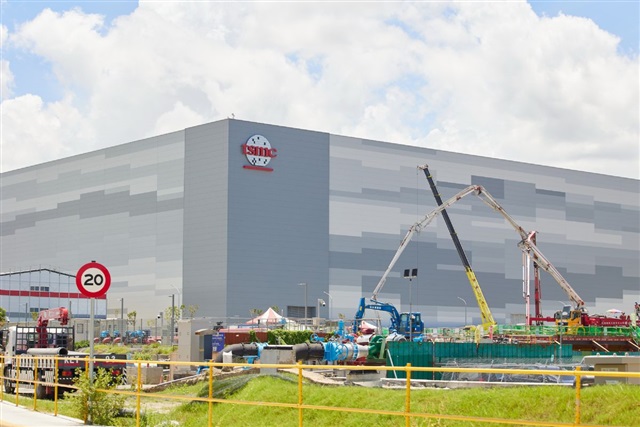
For years, TSMC dominated advanced semiconductor manufacturing almost entirely, but the rise of AI, intensifying geopolitical tensions, and Washington's pressure to secure critical supply chains are shifting the global foundry map. Samsung and Intel are now mounting credible challenges, winning new client orders and expanding capacity. The shift matters because it could redistribute hundreds of billions of dollars in AI chip production contracts now concentrated in Taiwan.
US-China Summit Leaves Semiconductor Export Controls Unresolved
The high-profile US-China summit concluded with chip export controls remaining off the formal agenda, according to US Trade Representative Jamieson Greer. More strikingly, the Chinese government rejected NVIDIA H200 chips entirely, opting instead for domestic production from Huawei — a signal that Beijing is doubling down on semiconductor self-sufficiency regardless of diplomatic outcomes.

Trump Claims Intel Tariffs Would Have Eliminated TSMC
President Trump boasted that Intel could have eliminated TSMC's business with sufficient tariff protection, while touting the US government's 9.9% stake in Intel acquired under the CHIPS Act as delivering a five-fold return. The remarks underscore the ongoing political dimension of the semiconductor foundry rivalry and reflect continued White House interest in reshaping the global chip manufacturing order through trade policy levers.
Manufacturing & Supply Chain
TSMC Arizona Expansion: $20 Billion Committed, Fab 2 Tool Move-In Planned for H2 2026
TSMC has allocated $20 billion to its Arizona expansion, with Fab 21 Phase 1 already in production. Tool move-in for the second fab — operating on a more advanced node — is planned for the second half of 2026. The project continues to face water and labor shortages, complicated by visa rules, but TSMC has expressed optimism about Fab 21's trajectory. Separately, TSMC reiterated that AI accelerator wafer demand is projected to increase 11-fold from 2022 to 2026.

Samsung and Intel Accelerate Global AI Chip Manufacturing Expansion
Both Samsung and Intel are racing to expand global AI chip manufacturing capacity and geographic diversification in response to surging demand. Samsung has reportedly secured a 2nm CPU order from a North American fabless customer (identified as likely AMD), while Intel's Foundry is positioning its 18A process node as a candidate for advanced orders from Apple and others from 2027 onward. The moves represent a direct challenge to TSMC's dominant share of leading-edge AI chip production.

Leading-Edge Foundry Roadmaps: Path to 1.4nm and Beyond
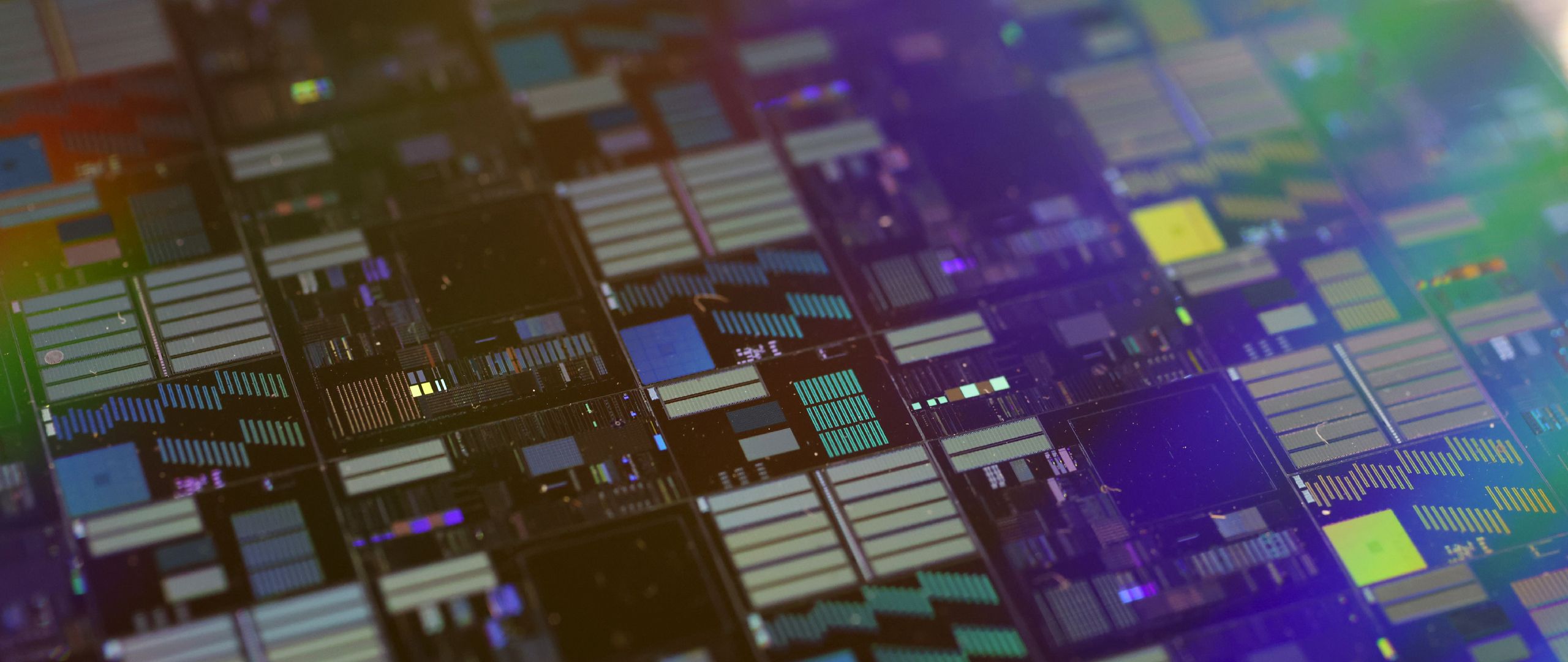
Tom's Hardware published a detailed breakdown of foundry roadmaps for TSMC, Intel, and Samsung, outlining the path to 1.4nm nodes. The analysis covers how each foundry is positioning its next-generation process technology to capture AI and advanced computing clients through the end of the decade, as competition intensifies at the sub-2nm frontier.
Geopolitics & Trade Policy
Chip Export Controls Sidelined at Beijing Summit
US Trade Representative Jamieson Greer confirmed that semiconductor export controls were not a major topic at the US-China Beijing talks. The sidelining came despite China's prior vocal criticism of the proposed MATCH Act, which would have imposed the largest-ever US chip equipment export control markup. Washington's tariff reduction from 145% to 30% on May 12 provided a diplomatic backdrop, but chip controls remain in legal and legislative limbo.

Taiwan Strait Risk: TSMC Exports as Economic Leverage
Ahead of the Xi-Trump summit in Beijing, author Eyck Freymann warned that a serious interruption of TSMC semiconductor exports would devastate the global economy. The analysis highlights how China holds significant leverage over global chip supply chains through its influence over Taiwan, reinforcing the strategic urgency behind US efforts to onshore chip production and diversify away from Taiwan concentration.

China Rejects NVIDIA H200, Bets on Huawei Domestics
The Chosun Ilbo reported this week that China's government has formally rejected NVIDIA H200 chips and is instead directing procurement toward domestic production from Huawei. This represents a significant escalation in China's semiconductor self-sufficiency drive and a direct commercial blow to NVIDIA's China market ambitions, even as Washington debates the terms of any relaxed export licensing.
Market Moves & Earnings
Global Semiconductor Sales Near $300 Billion in Q1 2026, On Track for $1 Trillion Year
Global semiconductor revenue hit nearly $300 billion in Q1 2026, with March alone registering $99.5 billion — a 79.2% increase from the $55.5 billion recorded in the prior-year period. The Semiconductor Industry Association data confirms the industry is on pace to top $1 trillion in annual sales for 2026, following a record $791.7 billion haul in 2025 (up 25.6% year-over-year). AI accelerators and data-center chips are the primary demand engine.
Weekly Roundup: TSMC Supply Strain, Samsung and Apple Test Foundry Alternatives
Digitimes Asia's most-read stories for the week of May 11–17 centered on TSMC facing AI supply strain as Samsung, Intel, and Apple actively test foundry alternatives. Apple — TSMC's largest customer — is reportedly exploring Intel's 18A process for future generations, a development that could reshape foundry power dynamics meaningfully if it results in volume orders. Samsung is simultaneously courting North American fabless customers to fill capacity at its 2nm node.
Deep Dive: TSMC's First Real Competition and What It Means for the Foundry Wars
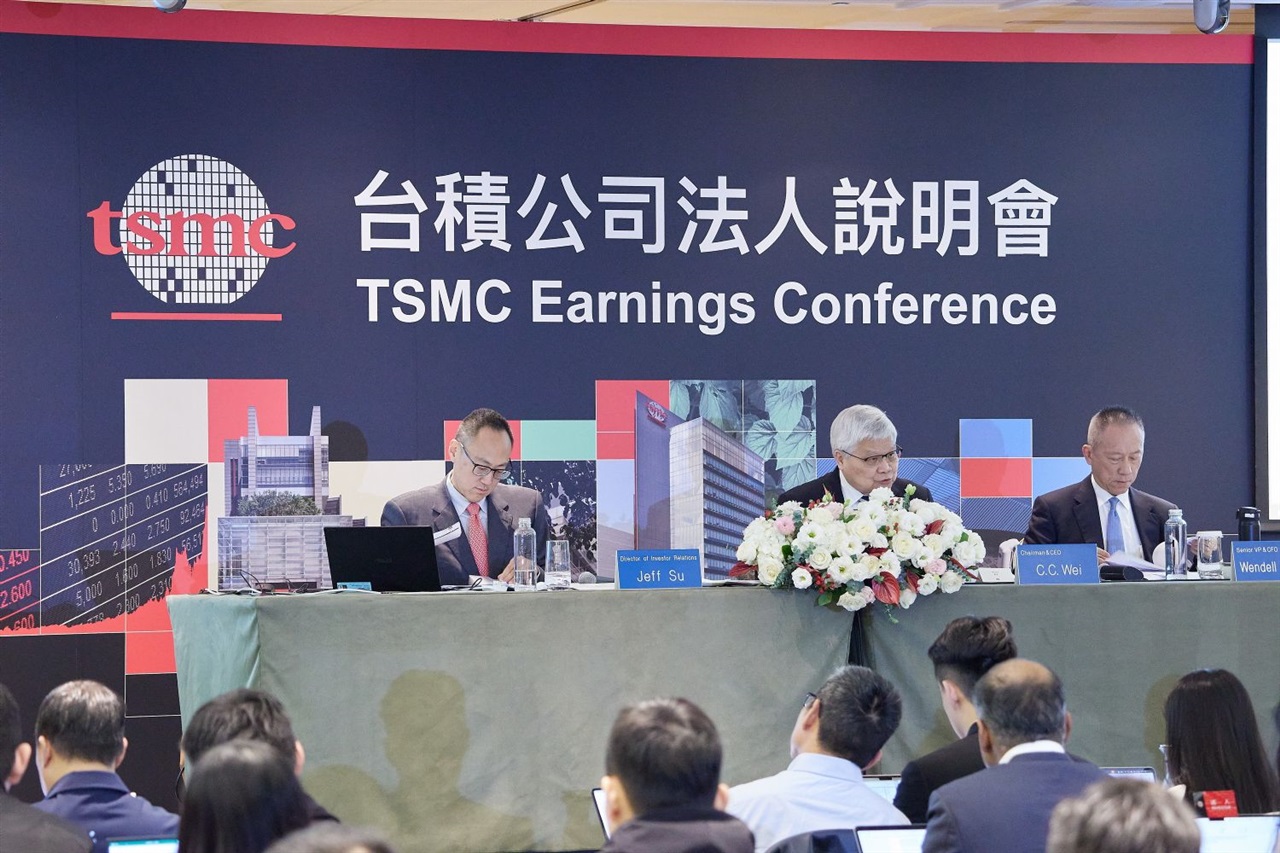
For most of the past decade, TSMC has operated as a monopoly of one in the most advanced nodes of chip manufacturing. Rivals existed on paper, but in practice, the world's most powerful chips — from Apple's M-series to NVIDIA's AI accelerators — were made almost exclusively at TSMC's fabs in Taiwan. That era is now visibly ending.
The confluence of AI demand, geopolitics, and government subsidies has created the conditions for genuine foundry competition. Samsung's reported landing of a 2nm order from AMD — if confirmed — would mark the first time in years that a major AI/compute chipmaker moved volume production away from TSMC to a Samsung leading-edge node. Intel's 18A process, which reportedly impressed Apple engineers sufficiently to enter advanced qualification for the M7 chip, represents an even more strategically significant scenario: a US-headquartered foundry potentially reclaiming the world's most prestigious customer.
The strategic implications are significant. TSMC's pricing power, capital allocation, and geopolitical exposure all change if Samsung and Intel credibly occupy even 15-20% of the most advanced node market by 2028. For customers, diversification reduces supply chain concentration risk — a concern that has intensified as Taiwan Strait tensions remain elevated. TSMC's own $1.5 trillion market forecast for 2030 implies enormous growth, but the question is how that pie is divided.
China's decision to reject NVIDIA H200 chips and double down on Huawei domestics is a parallel development that reshapes the competitive map from a different angle. Beijing is effectively writing off US chip access for its most strategic applications and accelerating investment in domestic supply chains. This narrows the addressable market for US chip firms in the world's largest semiconductor consumer, but it also accelerates China's indigenous capability — posing a longer-term competitive threat to TSMC, Samsung, and Intel alike. The US-China summit's failure to address export controls means this bifurcation of global chip ecosystems continues apace.
What to Watch Next Week
- TSMC Arizona Fab 21 Phase 2 tool move-in timeline: Any further guidance on H2 2026 equipment installation will be a bellwether for US onshoring progress.
- Samsung foundry 2nm order confirmation: Whether Samsung officially confirms the North American fabless customer (AMD) for its 2nm node will set the tone for foundry competition narratives heading into summer earnings.
- MATCH Act legislative progress: Congressional movement on chip equipment export controls resumes post-Beijing summit; watch for committee markups or White House signals on the bill's scope.
- NVIDIA China market guidance: Following China's rejection of H200 chips, NVIDIA's investor communications and any product adaptation announcements for the China market will be closely scrutinized.
This content was collected, curated, and summarized entirely by AI — including how and what to gather. It may contain inaccuracies. Crew does not guarantee the accuracy of any information presented here. Always verify facts on your own before acting on them. Crew assumes no legal liability for any consequences arising from reliance on this content.
Powered by
