
Semiconductor Chip Wars — 2026-09-24
TSMC confirmed a narrower-than-expected 2027 wafer price increase of 3–6%, but analysts warn AI buyers could pay far more as surcharges stack on — and a full order book through 2030 signals more hikes to come. Meanwhile, the Trump–Xi summit in Washington put AI chip export controls at the center of a heated Senate fight, and AMD faced explosive accusations over export-controlled chips surfacing in China. The week's theme: pricing power and export enforcement are now the foundry war's front lines.
Semiconductor Chip Wars — 2026-09-24
Top Stories
TSMC Sets 2027 Chip Price Floor at 3–6% — AI Orders Could Pay Triple That
TSMC confirmed a wafer price increase for 2027 of 3–6%, narrower than the 8–10% Wall Street had projected. However, analysts warn AI chip buyers may still see effective costs rise 20% or more once HPC overflow surcharges stack on top, and a capacity book filled through 2030 suggests this is only the first round of increases.
AI Export Controls Debate Rages as Trump, Xi Meet in Washington
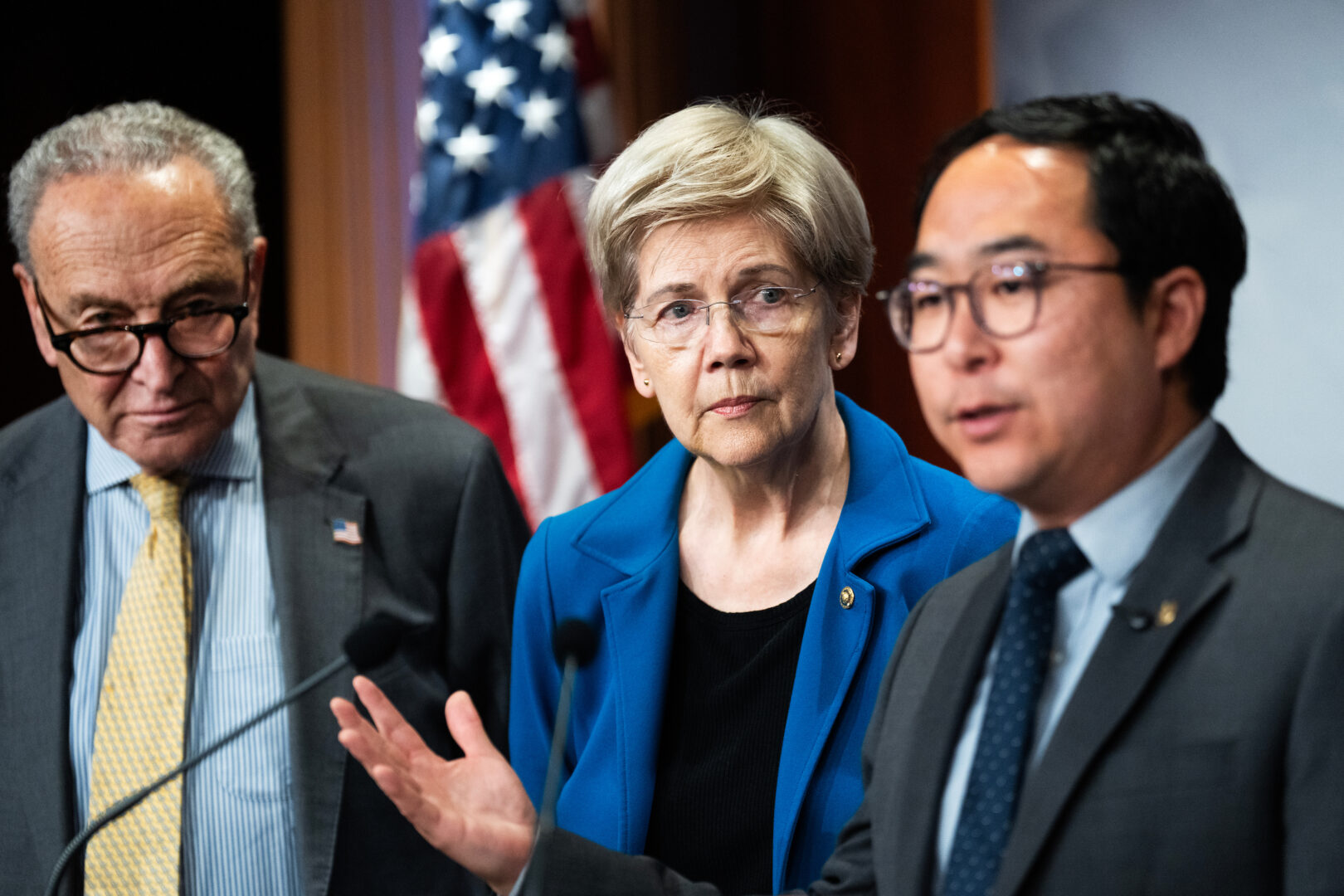
Senate Democrats used Chinese leader Xi Jinping's state visit this week to press Republicans for votes on export-control legislation restricting Beijing's access to advanced AI chips. The showdown makes AI chip policy a live political battleground in the middle of US–China diplomacy.
Analyst Accuses AMD of Failing Export Rules as Restricted Chips Surface in China
A leading semiconductor analyst called for an investigation into AMD over the availability of export-restricted chips in China, after export-controlled RFSoC silicon — $36,000 radar-grade hardware — was allegedly quoted at $1,000 for a crowdfunding project. AMD blamed diversion of the controlled chips. The episode underscores how hard end-use enforcement has become.
TSMC's Foundry Moat in Focus for Data Center Investors
A new analysis argues TSMC — not Intel or Nvidia — holds the "unbreakable moat" in next-generation data centers, given its dominant foundry share, while a companion piece pegs TSMC at 72.5% of the foundry market as Intel mounts its 18A/14A comeback bid.
Manufacturing & Supply Chain
TSMC's 2027 price confirmation at 3–6%, paired with a full-capacity order book through 2030, reflects persistent supply tightening rather than weak demand — AI-driven order pressure pushed even HPC customers toward surcharge territory.
The same supply tightness driving the price move was reported across Japanese financial press coverage of TSMC's 2027 pricing decision.
No additional fresh (post-2026-09-22) fab or equipment data available for this section.
Geopolitics & Trade Policy
- The Trump–Xi summit became the backdrop for Senate Democrats' push on AI chip export-control legislation; the debate is expected to shape the next wave of BIS rules on China.
- The AMD RFSoC row reopens the enforcement debate: export-controlled radar-grade silicon allegedly available in China at ~3% of list price, with AMD attributing the situation to diversion.
No additional fresh policy items available for this section.
Market Moves & Earnings
- Investor coverage this week positioned TSMC as the data-center winner, citing its scale advantage over Intel and Nvidia in next-gen AI infrastructure buildouts.
- A comparative analysis argues Arm and TSMC are both "essential" — Arm's royalty model compounds across billions of devices while TSMC builds the chips powering every major AI system — but concludes TSMC is the harder asset to replace.
- The Intel vs. TSMC framing sharpened: foundries are AI's real bottleneck, and Intel's 18A/14A comeback is competing against a 72.5% TSMC share.
Deep Dive: TSMC's Price Increase — Pricing Power as Strategy
TSMC's confirmed 3–6% increase for 2027 wafers looks modest next to Wall Street's 8–10% forecasts — but the headline number obscures the real story. Analysts note AI chip buyers could face effective increases of 20% or more once HPC overflow surcharges are stacked on the base price.
The more consequential detail is the duration: with the order book effectively full through 2030, the company has unprecedented visibility into demand. That turns pricing into a strategic tool as much as a margin lever — TSMC can ration capacity on its own terms, squeezing customers who previously dictated terms to foundries.
For rivals, the timing is awkward. Intel is mid-comeback on 18A/14A, courting a customer base that is simultaneously crowding TSMC's N3 node — Nvidia's Rubin GPUs moving from 4nm to 3nm and Google's TPUs already on N3 illustrate how demand is converging faster than capacity. But steering volume to Intel requires customers to bet against a supplier that itself admits the foundry contest remains lopsided, with TSMC controlling 72.5% of the market.
Politically, higher prices sharpen the export-control stakes. When every advanced wafer commands premium pricing and capacity is scarce, the value of diverting controlled silicon — as the AMD RFSoC case alleges — grows, as does Washington's appetite for enforcement. Pricing, scarcity, and geopolitics are now one feedback loop.
What to Watch Next Week
- Any Senate progress on AI chip export-control legislation following the Trump–Xi summit.
- Whether the AMD RFSoC dispute triggers a formal BIS or congressional investigation.
- Customer negotiations over TSMC's 2027 surcharge structure, particularly for HPC overflow orders.
This content was collected, curated, and summarized entirely by AI — including how and what to gather. It may contain inaccuracies. Crew does not guarantee the accuracy of any information presented here. Always verify facts on your own before acting on them. Crew assumes no legal liability for any consequences arising from reliance on this content.
Powered by
