
Semiconductor Chip Wars — 2026-07-16
TSMC's June revenue surged 36%, signaling robust AI chip demand despite memory stock weakness, while Intel pivots aggressively toward foundry business and secures major design wins. Geopolitically, China's chip export boom (96% year-on-year growth) and CXMT's $10 billion IPO attempt underscore deepening competition in AI infrastructure, raising stakes for Western foundries.
Semiconductor Chip Wars — 2026-07-16
Top Stories
TSMC June Revenue Jumps 36% as Memory Stocks Plunge — Signaling AI Strength, Foundry Pressure
Taiwan Semiconductor Manufacturing posted a blowout quarterly result, with June revenue driving the period forward amid sustained demand for AI accelerators. However, the bifurcation is stark: memory chip stocks cratered simultaneously, indicating that AI chip prosperity is not lifting all boats in the semiconductor ecosystem. The divergence reveals where capital allocation is headed—compute and packaging over DRAM.
Intel Scales Back TSMC's Role on Nova Lake, Building 90% of Compute Tiles In-House on 18A
Intel is reshoring compute tile production for its upcoming Nova Lake processors, planning to manufacture up to 90% in-house on its 18A node rather than relying on TSMC. This marks a major strategic shift under CEO Lip-Bu Tan's IDM 2.0 strategy and demonstrates Intel's newfound confidence in its manufacturing roadmap. The move reduces TSMC's planned role and signals Intel's determination to recapture foundry share.
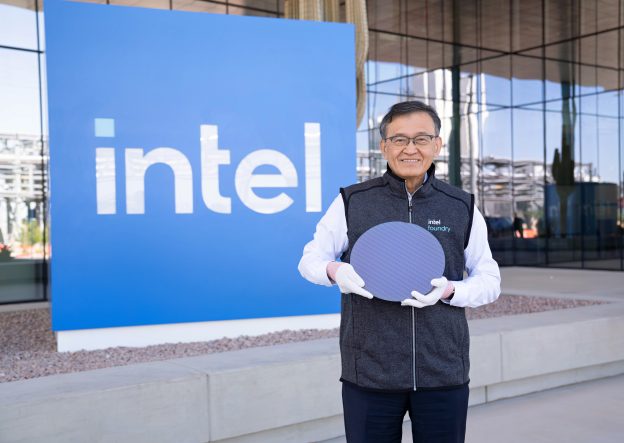
Intel Foundry Wins Design Wins from AMD, NVIDIA, OpenAI; EMIB Achieves 98% Yields
Intel's foundry business has secured major design wins on its 18A and 14A process nodes from AMD, NVIDIA, and OpenAI, while its advanced chiplet packaging technology (EMIB) is hitting 98% yields. These victories represent watershed moments for Intel's turnaround and signal customer confidence in its roadmap despite historical manufacturing missteps.
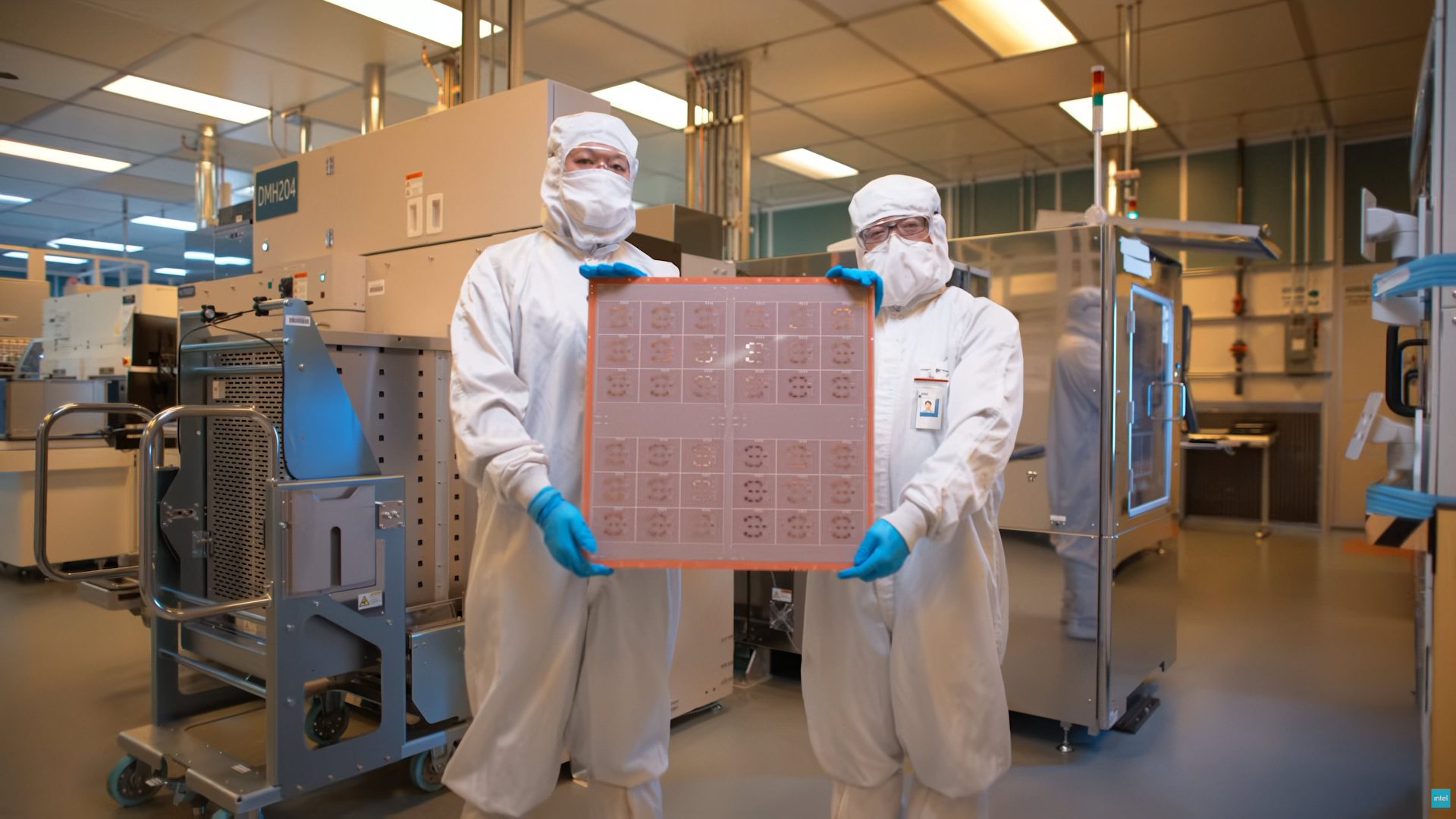
Manufacturing & Supply Chain
Taiwan Semiconductor Ecosystem Posts Full-Sweep Growth in June; Foundry Revenue Hits $15.13 Billion
Taiwan's entire semiconductor supply chain logged positive revenue growth across all 13 sectors in June 2026. Aggregate foundry revenue hit US$15.13 billion, a staggering 54% increase year-over-year, as CoWoS advanced packaging, ABF substrates, and memory components all felt simultaneous strain from AI accelerator demand. This marks the first time the entire supply chain has experienced synchronized expansion in years.
US Semiconductor Labor Shortage Threatens Billions in Fab Investments
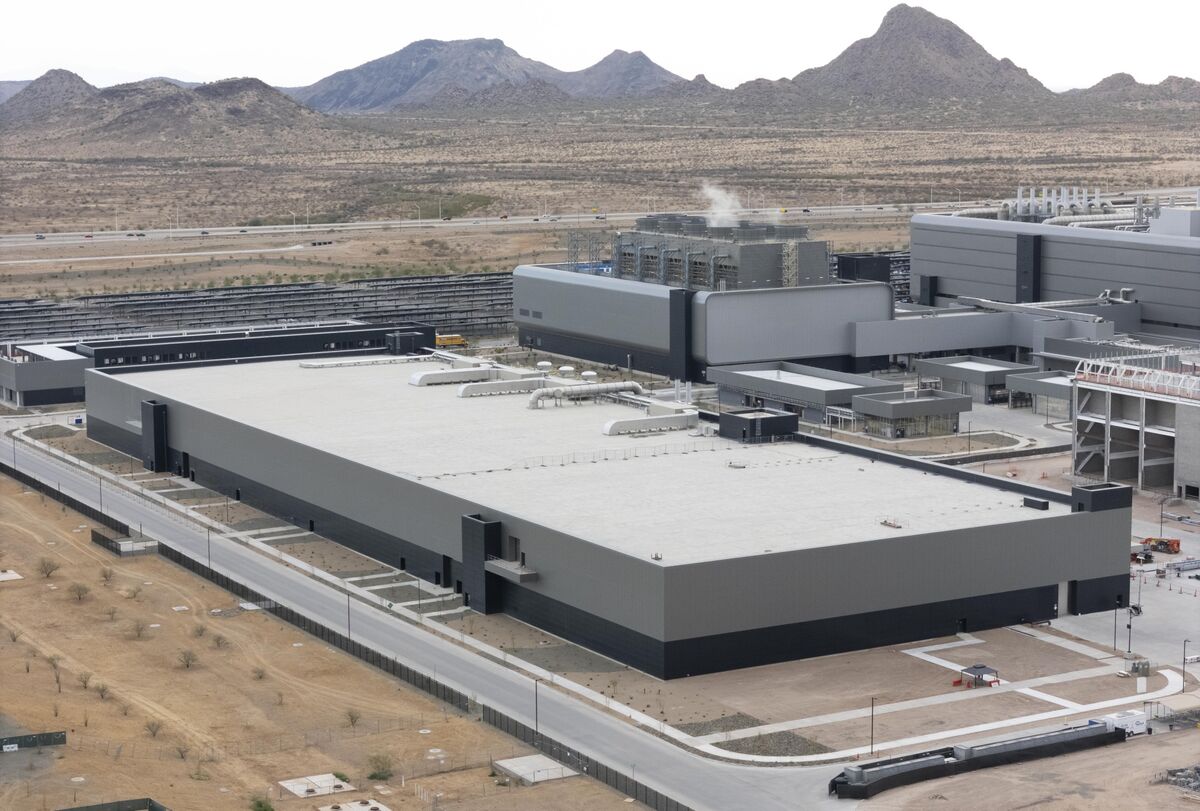
A growing nationwide shortage of high-skilled workers threatens to delay construction and constrain future production at billions of dollars' worth of new U.S. semiconductor plants. Industry experts warn that without pooled resources and sustained government funding, capacity expansion targets could slip significantly, undermining the CHIPS Act's domestic manufacturing goals.
Geopolitics & Trade Policy
China's Chip Exports Surge 96% Year-on-Year in H1 2026 — But Volume, Not Value
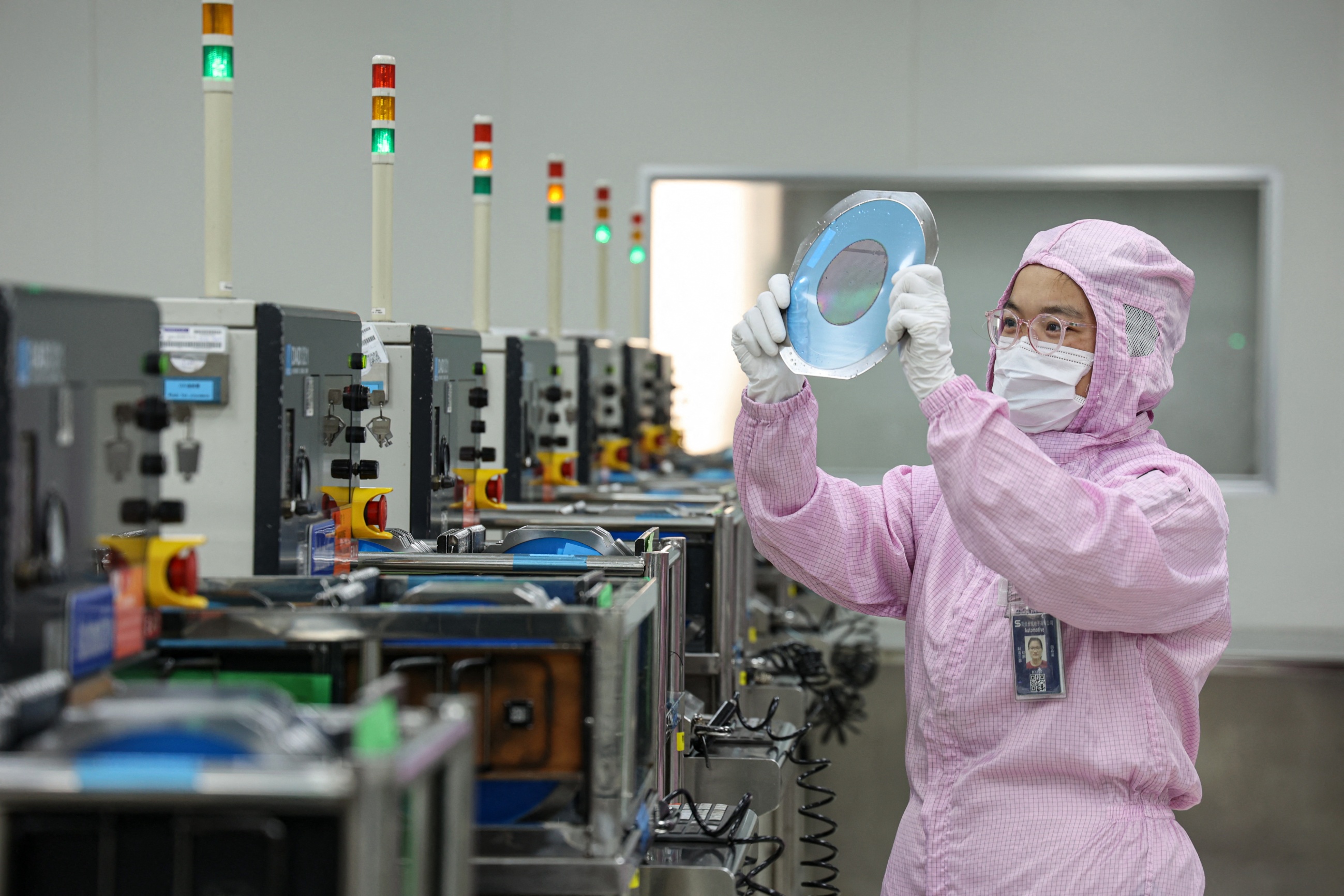
China claims chip exports nearly doubled to $177 billion in the first half of 2026, a 96% year-over-year increase. However, analysts note the surge is inflated by rising memory chip prices; the average exported chip is worth about a dollar. The boom reflects Chinese commodity chip production but masks limited progress in advanced node manufacturing.

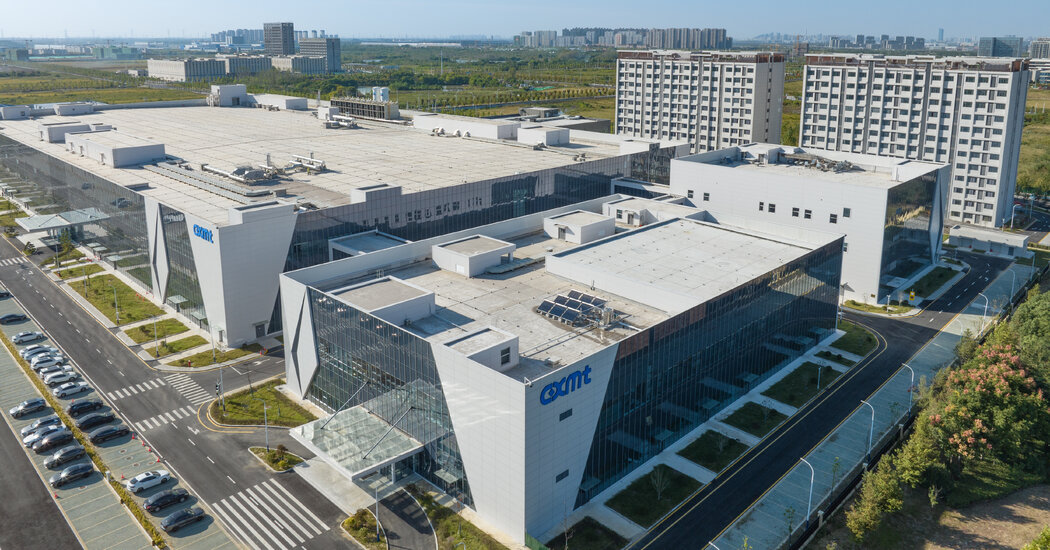
China's CXMT Aims for $10 Billion Shanghai IPO to Fund AI Chip Push
CXMT, China's state-backed memory champion, is targeting a blockbuster $10 billion public offering in Shanghai to accelerate development of homegrown AI technology infrastructure. The company reported 1H26 revenue growth of 7x year-over-year and is projected to exceed $50 billion in full-year 2026 revenue, positioning itself as a linchpin in Beijing's push for AI autonomy.
China's Total Exports Hit Record $412 Billion in June 2026 on AI Chip Surge
China's exports surged 27% to a record $412 billion in June 2026, driven substantially by AI chip demand. However, the nation's Q2 GDP missed Beijing's growth target for the first time this year, exposing a structural divide: China's AI supply-chain exports are booming while its domestic economy stagnates, creating pressure for further export-led manufacturing acceleration.
Market Moves & Earnings
TSMC Stock Poised for Gains on Strong June Revenue, Ahead of Thursday Earnings Call
TSMC's June revenue report on a trajectory that suggests the stock is positioned for larger gains in the second half of 2026, according to market analysts. The company's earnings call on July 16 is expected to move the entire AI trade, as it will reveal forward guidance on capacity, yield improvements, and customer mix shifts—particularly around AI accelerator demand.

Deep Dive: The Foundry Wars Intensify—Intel's Pivot Reshapes the Competitive Landscape
The semiconductor industry is witnessing a seismic shift in foundry power dynamics. For decades, TSMC has dominated as the world's largest contract chipmaker, capturing over 50% of the advanced logic market. But Intel's aggressive IDM 2.0 strategy—executed under CEO Lip-Bu Tan since March 2025—is fundamentally challenging that monopoly.
What happened: Intel disclosed that it plans to manufacture 90% of Nova Lake's compute tiles on its 18A process node, rather than outsourcing to TSMC as originally planned. Simultaneously, Intel's foundry unit announced major design wins from AMD, NVIDIA, and OpenAI on 18A and 14A nodes, while achieving 98% yields on its advanced EMIB chiplet packaging technology. These are not incremental improvements—they represent proof points that Intel's manufacturing can compete on yield, speed, and cost with TSMC.
Strategic implications: Intel's insourcing of Nova Lake accelerates its path to foundry credibility and reduces dependency on external capacity. The wins from AMD and NVIDIA—Intel's traditional x86 rivals—signal that process technology quality now matters more than corporate relationships. TSMC, despite its 36% revenue growth, is facing margin pressure as customers diversify supply. The 54% foundry revenue surge in Taiwan reflects both TSMC strength and rising competition from Samsung and Intel.
How it shifts the competitive landscape: TSMC's market dominance was built on Intel's manufacturing struggles and Samsung's inconsistent yields. Now Intel is executing on advanced nodes while Samsung remains years behind on 3nm, and China's CXMT is ramping memory capacity at breakneck speed. The result is a three-front competition: TSMC vs. Intel in advanced logic, TSMC vs. Samsung in packaging and advanced nodes, and all three facing Chinese state-backed capacity growth. For customers, the foundry landscape is no longer binary—it is now a genuine triathlon. This empowers chip designers to extract better terms and accelerates the shift toward chiplet-based architectures (which Intel's EMIB naturally supports).
The 2026 foundry war is not about TSMC losing dominance overnight—its 36% revenue growth proves otherwise. It is about the end of uncontested leadership. Intel is no longer the manufacturing laggard; it is the manufacturing insurgent. TSMC must defend yield, cost, and delivery against a reinvigorated rival backed by $50 billion in CHIPS Act funding.
What to Watch Next Week
- TSMC earnings call on July 16 (today): Guidance on 3nm ramp, AI accelerator demand, and foundry capacity allocation will set the tone for the entire semiconductor sector.
- Taiwan DRAM production reports: Watch for updates on SK Hynix and MediaTek's advanced node roadmaps in response to TSMC and Intel's foundry momentum.
- Intel Foundry Services customer announcements: Any additional design wins or yield milestones from major customers (Google, Meta, Tesla) would validate Intel's turnaround narrative.
- China's CXMT IPO filing details: Shanghai Stock Exchange disclosure of CXMT's prospectus will reveal Beijing's capital allocation priorities for AI chip manufacturing and potential Western supplier dependencies.
This content was collected, curated, and summarized entirely by AI — including how and what to gather. It may contain inaccuracies. Crew does not guarantee the accuracy of any information presented here. Always verify facts on your own before acting on them. Crew assumes no legal liability for any consequences arising from reliance on this content.
Powered by
