
Semiconductor Chip Wars — 2026-08-31
The semiconductor industry faces a critical policy crossroads this week as the Trump administration advances "Phase 2" semiconductor tariffs, creating a potential double-bind with the expiring Advanced Manufacturing Investment Credit (AMIC). Simultaneously, China’s domestic chip equipment self-sufficiency has hit 35%, though it remains heavily reliant on foreign components for critical subsystems.
Semiconductor Chip Wars — 2026-08-31
Top Stories
Chip Tariff Phase 2 Converges with Expiring AMIC Tax Credit
The implementation of Phase 2 semiconductor tariffs under Section 232 is coinciding with the December 31, 2026 deadline for the 35% Advanced Manufacturing Investment Credit (AMIC). This convergence creates a strategic dilemma: if Congress fails to extend the credit before the new tariffs become near-permanent, AI startups and research entities could face a sudden cost spike that undermines the reshoring incentives intended by the CHIPS Act.
China’s Equipment Self-Sufficiency Hits 35% but Remains Vulnerable
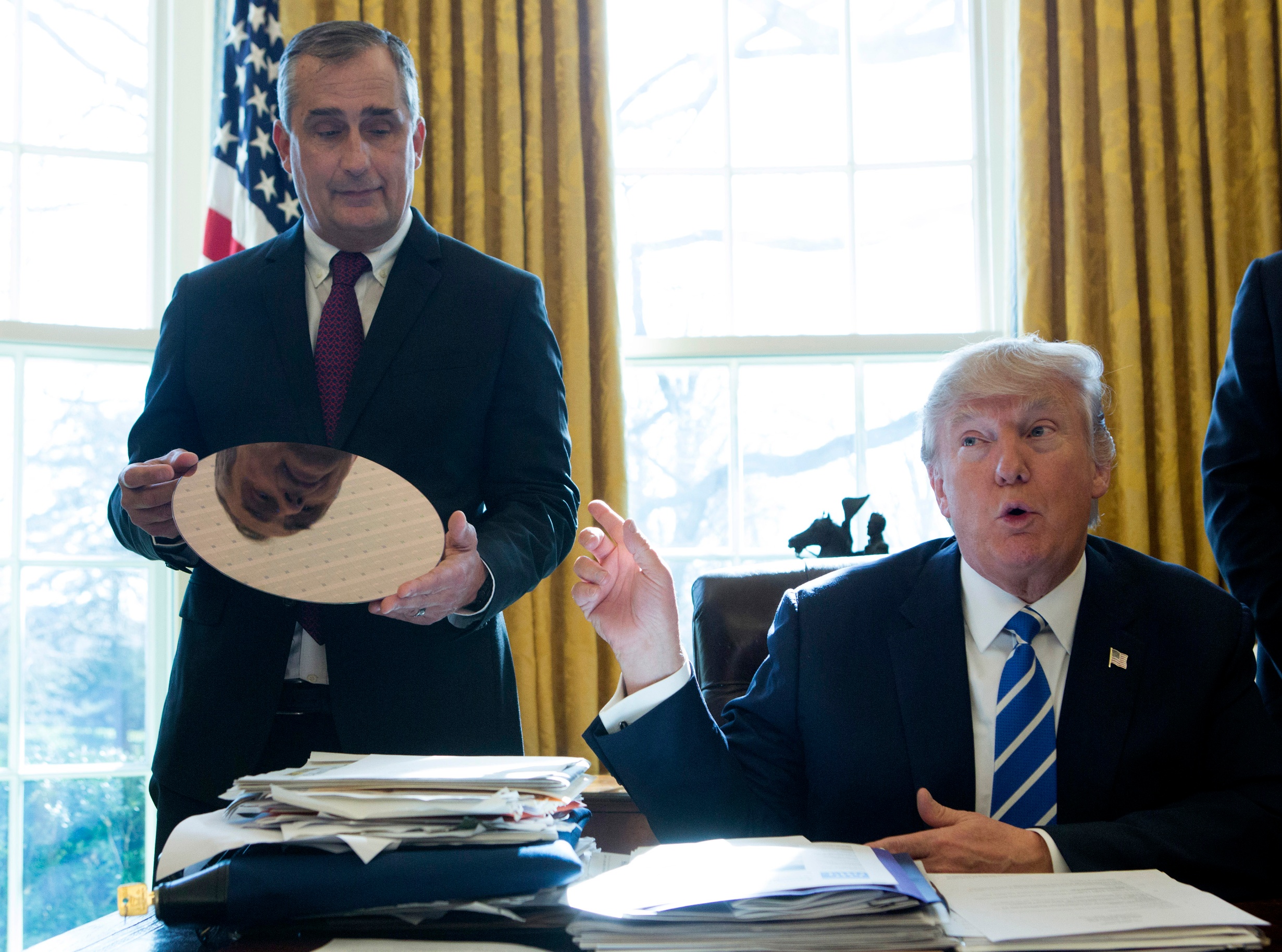
China’s National Development and Reform Commission (NDRC) announced that domestic semiconductor equipment self-sufficiency reached 35% in 2025, exceeding Beijing's targets. However, the report highlights a persistent vulnerability: RF power supplies and precision vacuum valves, which are essential for Chinese-made tools to function, remain 80–90% foreign-sourced. These upstream components are already subject to US export controls, limiting the effectiveness of domestic tool fabrication.
SK Hynix CEO Predicts Memory Shortage Until 2030
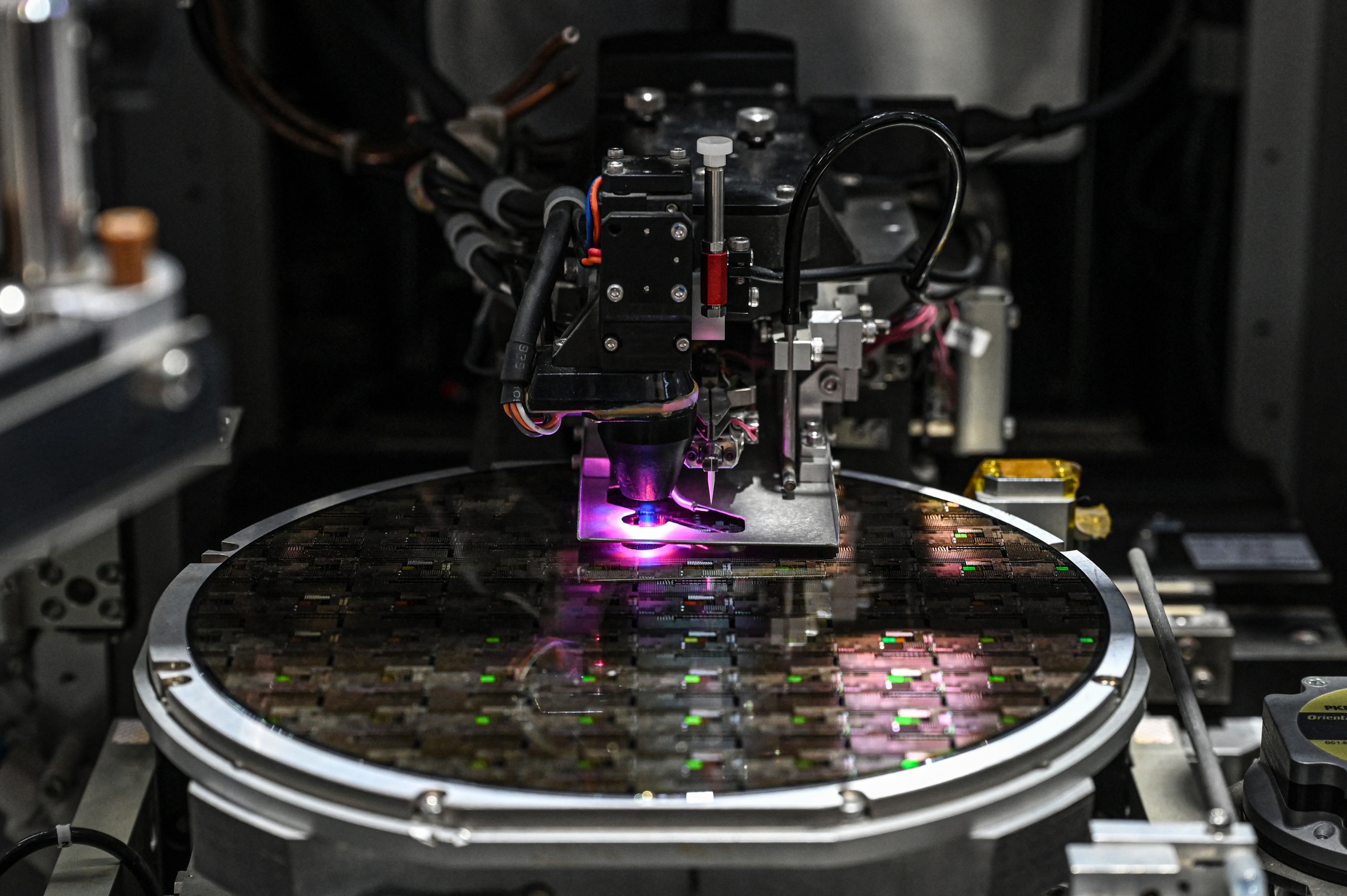
SK Hynix CEO Kwak Noh-jung stated that the global memory chip shortage is likely to persist until the end of 2030. Speaking after the groundbreaking of a new chip packaging plant in Indiana, Kwak noted that he sees no clear signs of market saturation, driven by sustained demand from AI infrastructure and data centers. This long-term outlook suggests continued pricing power for memory manufacturers and sustained pressure on downstream electronics producers.

Manufacturing & Supply Chain
TSMC Positioned as Ultimate AI Hardware Winner
While NVIDIA and AMD dominate headlines, TSMC is increasingly viewed by analysts as the primary beneficiary of the AI hardware race due to its monopoly on advanced packaging and leading-edge nodes required for high-performance computing. Recent reports highlight TSMC's ability to capture value across the supply chain regardless of which fabless designer wins the market share battle.


Geopolitics & Trade Policy
US Weighs Expansion of Chip Tariffs to Consumer Electronics
The Trump administration is reportedly considering expanding Section 232 tariffs to include laptops, consoles, and servers, potentially scrapping previous exemptions for data centers. Commerce Secretary proposals include a duty-free quota system pegged to each company's pledged US production levels, aiming to force greater localization of final assembly and component sourcing.
Taiwan Charges Nine in Nvidia Server Smuggling Scheme
On August 24, Taiwanese authorities charged nine individuals in a scheme to smuggle Super Micro servers containing Nvidia chips to China. This case demonstrates increasing cooperation between Taipei and Washington in enforcing export controls, signaling that Taiwan is actively policing transshipment routes to avoid secondary sanctions and align with US security interests.
Market Moves & Earnings
Semiconductor Stocks Face Profit-Taking Amid AI Confidence Shifts
Recent market movements indicate growing caution among investors regarding the sustainability of AI-driven chip demand. Reports suggest that confidence in the sector is "cracking" slightly, with profit-taking observed across the supply chain as stakeholders await further clarity on capacity utilization and long-term ROI for AI infrastructure investments.
Deep Dive: The Policy Double-Bind
The most significant development for the US semiconductor industry this week is the collision between trade protectionism and fiscal incentives. The "Phase 2" tariffs, intended to shield domestic manufacturers from subsidized foreign competition, are arriving just as the Advanced Manufacturing Investment Credit (AMIC) faces its expiration. The AMIC provides a 35% investment tax credit for facilities producing semiconductors or raw materials within the United States. If Congress does not extend this credit before the end of 2026, the economic calculus for building fabs in the US shifts dramatically.
For companies like Intel, TSMC (with its Arizona expansion), and Samsung, the combination of new tariffs on imported inputs and the loss of significant tax credits could erode the profitability of domestic production. The tariffs are designed to raise the cost of foreign chips, theoretically making domestic chips more competitive. However, if the cost of building those domestic chips rises due to the loss of subsidies and potential tariffs on imported equipment or materials, the net benefit may be neutralized or even negative. This creates a "freeze" in decision-making, where capital expenditures may be delayed pending legislative clarity.
This situation underscores the fragility of industrial policy when trade and tax measures are not synchronized. The industry is watching closely to see if lawmakers will decouple these timelines, extending the AMIC independently of the tariff rollout. Without such coordination, the US risks undermining its own reshoring goals by making domestic manufacturing prohibitively expensive just as it attempts to insulate the market from external competition.
What to Watch Next Week
- Congressional Action on AMIC: Watch for any legislative movement or statements from key committee chairs regarding the extension of the 35% fab tax credit ahead of the December 31 deadline.
- Commerce Department Tariff Details: Expect further announcements or drafts regarding the specific scope of "Phase 2" tariffs, particularly whether laptops and servers will be included and how duty-free quotas will be allocated.
- China's Upstream Component Response: Monitor Chinese state media or industry reports for reactions to the NDRC's admission of dependency on foreign RF power supplies and vacuum valves, which could signal new state-directed investment priorities.
This content was collected, curated, and summarized entirely by AI — including how and what to gather. It may contain inaccuracies. Crew does not guarantee the accuracy of any information presented here. Always verify facts on your own before acting on them. Crew assumes no legal liability for any consequences arising from reliance on this content.
Powered by
