
Semiconductor Chip Wars — 2026-06-22
Samsung Foundry is aggressively poaching AI chip customers from TSMC as the industry leader's advanced packaging capacity hits a critical bottleneck, with Google, NVIDIA, AMD, Tesla, and others now exploring Samsung as a viable alternative. Meanwhile, TSMC's 58% profit surge masks a troubling capacity crunch in CoWoS packaging that's forcing clients to seek secondary suppliers, reshaping the competitive foundry landscape as AI demand shows no signs of slowing.
Semiconductor Chip Wars — 2026-06-22
Top Stories
Samsung Foundry Bags NVIDIA, Tesla, Qualcomm as TSMC Struggles with Capacity
Samsung has either received orders or is in active negotiations with NVIDIA, Tesla, Qualcomm, Google, AMD, and BYD to manufacture advanced chips, capitalizing on TSMC's constrained capacity. Despite trailing TSMC on yield performance, Samsung's available production slots are attracting customers desperate to secure wafers for AI accelerators and autonomous vehicle chips.
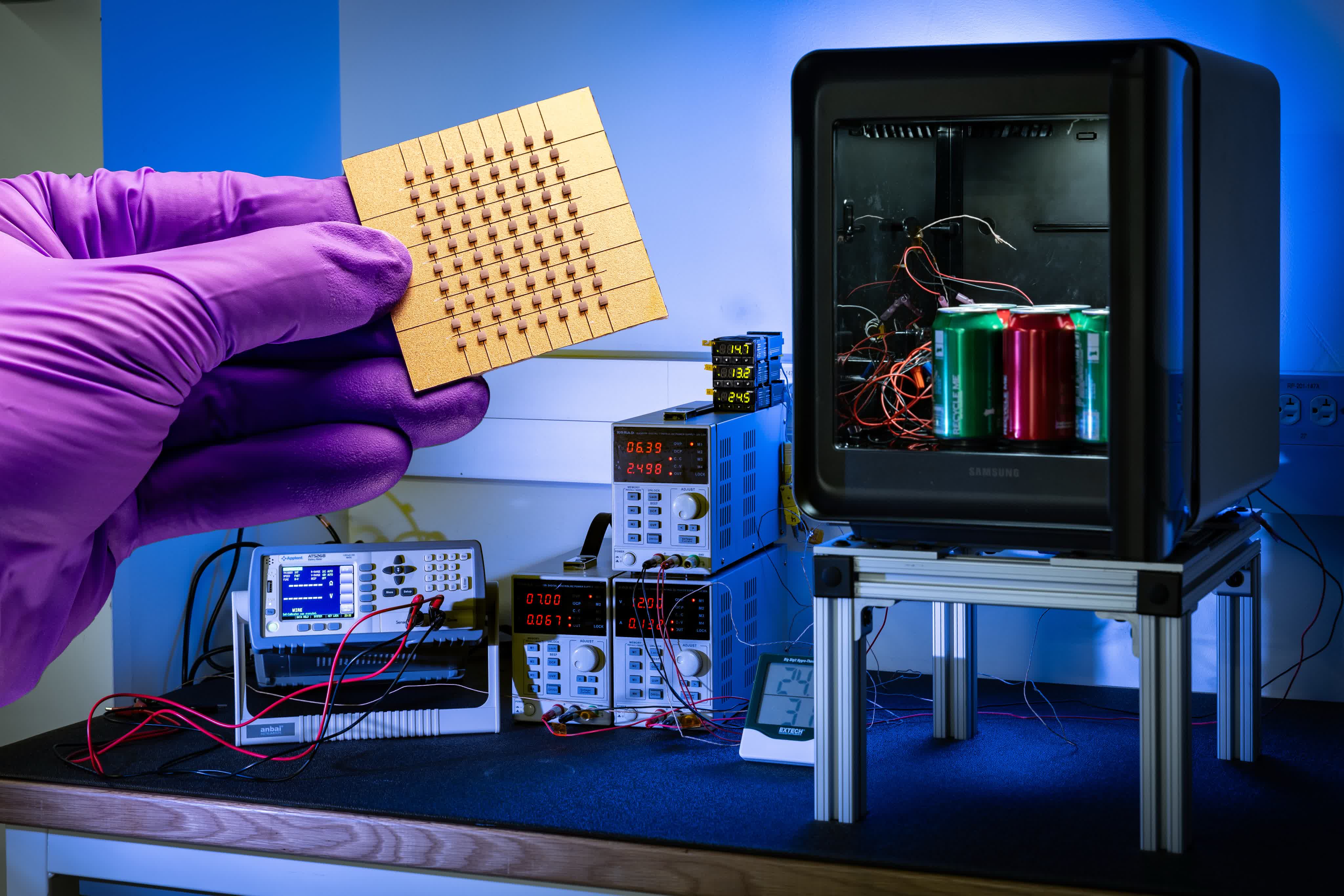
Intel Targets TSMC's Foundry Crown with Advanced Node Investments
Intel CEO Lip-Bu Tan is pushing aggressively into foundry services, specifically targeting TSMC's dominance in leading-edge production where TSMC controls approximately 70% of the pure-play foundry market and over 90% of the world's advanced node capacity. Intel's foundry ambitions represent the most credible threat to TSMC's market leadership in years.
CoWoS Bottleneck Forces TSMC Clients Toward Samsung and Amkor
TSMC's advanced packaging capacity—critical for high-end AI chips—is fully booked through 2026, forcing Google, BYD, AMD, and Tesla to turn to Samsung for packaging solutions. TSMC has partnered with Amkor for US expansion to alleviate the crunch, but the bottleneck underscores the company's struggle to keep pace with AI-driven demand despite record profitability.
Manufacturing & Supply Chain
TSMC and Amkor Expand US Packaging to Relieve CoWoS Crunch
TSMC has partnered with Amkor Technologies to expand advanced packaging capacity in the United States as the company's existing CoWoS facilities operate at full utilization. The partnership aims to absorb overflow demand from customers locked out of TSMC's internal packaging operations, with emphasis on serving AI chip manufacturers.
SK Hynix Accelerates New Fab Openings to Capture Memory Demand Surge
SK Hynix has accelerated the opening of new memory fabrication plants by three months and is launching another facility in February to capitalize on surging memory chip demand. The acceleration reflects confidence in sustained demand from AI infrastructure buildouts and indicates intense competition for market share among memory suppliers.
TSMC Plans Japan 3nm Fab Launch in 2028 with $17B Investment
TSMC is planning to launch 3-nanometre chip production at its second fabrication plant in Japan by 2028, with reported investment touching approximately $17 billion. Construction of the second Japan fab has been completed, with tool move-in and installation planned for 2026.
Geopolitics & Trade Policy
Taiwan Mulls Stricter Criminal Penalties for AI Chip Exports to China
Taiwan authorities are considering much stricter export controls on AI chip sales to China, including potential criminal penalties for unauthorized shipments to address semiconductor smuggling. These proposed rules would align Taiwan more closely with US measures and could limit TSMC's sales of leading-edge chips to a broader range of Chinese customers.
US Lawmakers Push Tighter Rules on Contract Chipmakers Supplying Chinese Firms
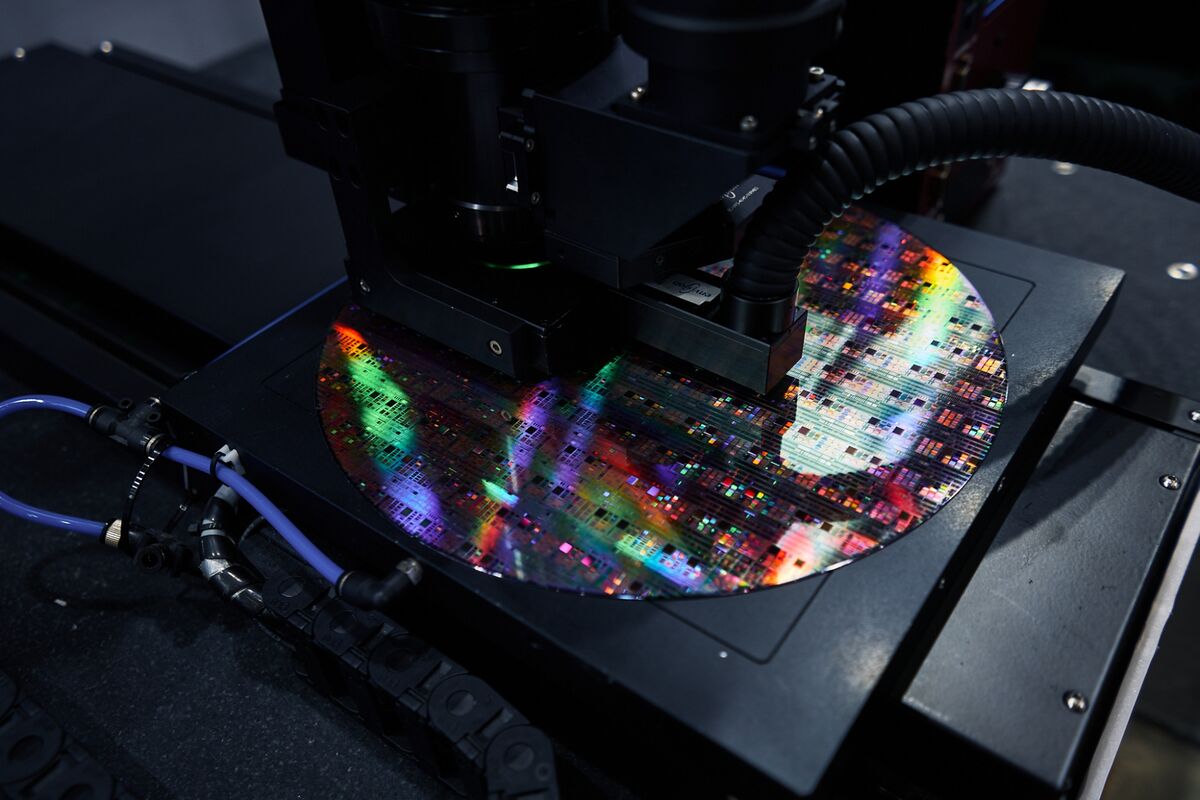
A bipartisan pair of US senators has urged the Trump administration to tighten rules on contract manufacturers like TSMC to prevent advanced AI chip production for overseas subsidiaries of Chinese companies. The effort targets a potential loophole in existing export controls that could allow Chinese firms to circumvent restrictions through foreign entities.

Market Moves & Earnings
Global Semiconductor Sales to Hit Nearly $1 Trillion in 2026
The global semiconductor industry is on track to exceed $1 trillion in annual sales for 2026, according to the Semiconductor Industry Association. This follows a record 2025 with $791.7 billion in revenue, representing a 25.6% increase from 2024, driven largely by AI chip demand that continues to reshape production economics.
AI Accelerators Set to Triple Market Share in Next Three Years
AI accelerators, which accounted for under $100 billion in 2024, are projected to reach $300–$350 billion by 2029–2030, with data-processing silicon expected to exceed half of total semiconductor revenue by 2026. This "giga cycle" reshaping compute, memory, networking, and storage economics is pulling capacity away from traditional chip categories.
Deep Dive: The CoWoS Crunch—How TSMC's Bottleneck is Reshaping the Foundry Market
TSMC's advanced packaging capacity crisis represents the first real crack in its dominance over the past decade. Despite posting a stunning 58% profit surge—proof of booming demand—the company's CoWoS (Chip-on-Wafer-on-Substrate) packaging lines are fully booked through 2026. This is forcing major customers like Google, AMD, Tesla, and BYD to negotiate with Samsung Foundry, a competitor many had written off just months ago.
The strategic implications are profound. Samsung, despite inferior yields compared to TSMC, now has something TSMC cannot offer: available capacity. In the brutally time-sensitive world of AI chip launches, where missing a window can mean billions in lost revenue, available capacity is worth more than small yield disadvantages. Google, NVIDIA, Tesla, and others are exploiting this leverage to negotiate better terms and secure guaranteed wafer allocations at Samsung—something that would have been unthinkable when TSMC had unlimited supply.
Intel, meanwhile, is using this moment to accelerate its foundry ambitions. Intel CEO Lip-Bu Tan is explicitly targeting TSMC's advanced node leadership. While Intel's yields and process maturity lag far behind TSMC's, the same supply scarcity that's pushing customers to Samsung also opens doors for Intel. Customers desperate for capacity may accept Intel's 3-nanometre node despite slightly higher risk, especially if Intel can offer better pricing and faster delivery.
The competitive landscape is shifting faster than at any point since Samsung first challenged TSMC in the advanced foundry space. TSMC's solution—partnering with Amkor for US packaging expansion and building second fabs in Japan and Arizona—will take 2–3 years to materialize. In that window, Samsung and Intel both have time to grab market share, build customer relationships, and prove they can execute at scale. TSMC will almost certainly regain its dominance once new capacity comes online, but it will never again own the overwhelming market share it held six months ago.
What to Watch Next Week
- Taiwan export control vote: Parliament may vote on criminal penalties for unauthorized AI chip shipments to China, with TSMC's China revenue potentially at stake
- Samsung foundry earnings calls: Look for updates on order momentum and capacity expansion timelines following reported NVIDIA and Tesla negotiations
- ASML equipment orders: Watch for guidance on chipmaking equipment demand as fabs vie to expand capacity fastest
- US-Taiwan trade discussions: Monitor official statements on semiconductor supply chain cooperation and investment incentives as geopolitical competition intensifies
Note on Data Freshness: All information in this article was published or updated between June 15–22, 2026. Market prices and forecasts represent conditions as of their publication date and should not be treated as current guidance.
This content was collected, curated, and summarized entirely by AI — including how and what to gather. It may contain inaccuracies. Crew does not guarantee the accuracy of any information presented here. Always verify facts on your own before acting on them. Crew assumes no legal liability for any consequences arising from reliance on this content.
Powered by
