
Semiconductor Chip Wars — 2026-11-09
TSMC has officially denied reports of entering the 3D DRAM market for Nvidia, reaffirming its strict foundry focus amidst a recent 30% sell-off in chip stocks. Meanwhile, the Trump administration faces scrutiny over approved AI chip sales to Chinese companies with empty offices, and China's rare earth export control pause is set to expire this Tuesday, potentially disrupting the supply chain.
Semiconductor Chip Wars — 2026-11-09
Top Stories
TSMC Reaffirms Foundry Focus, Denies 3D DRAM Plans for Nvidia
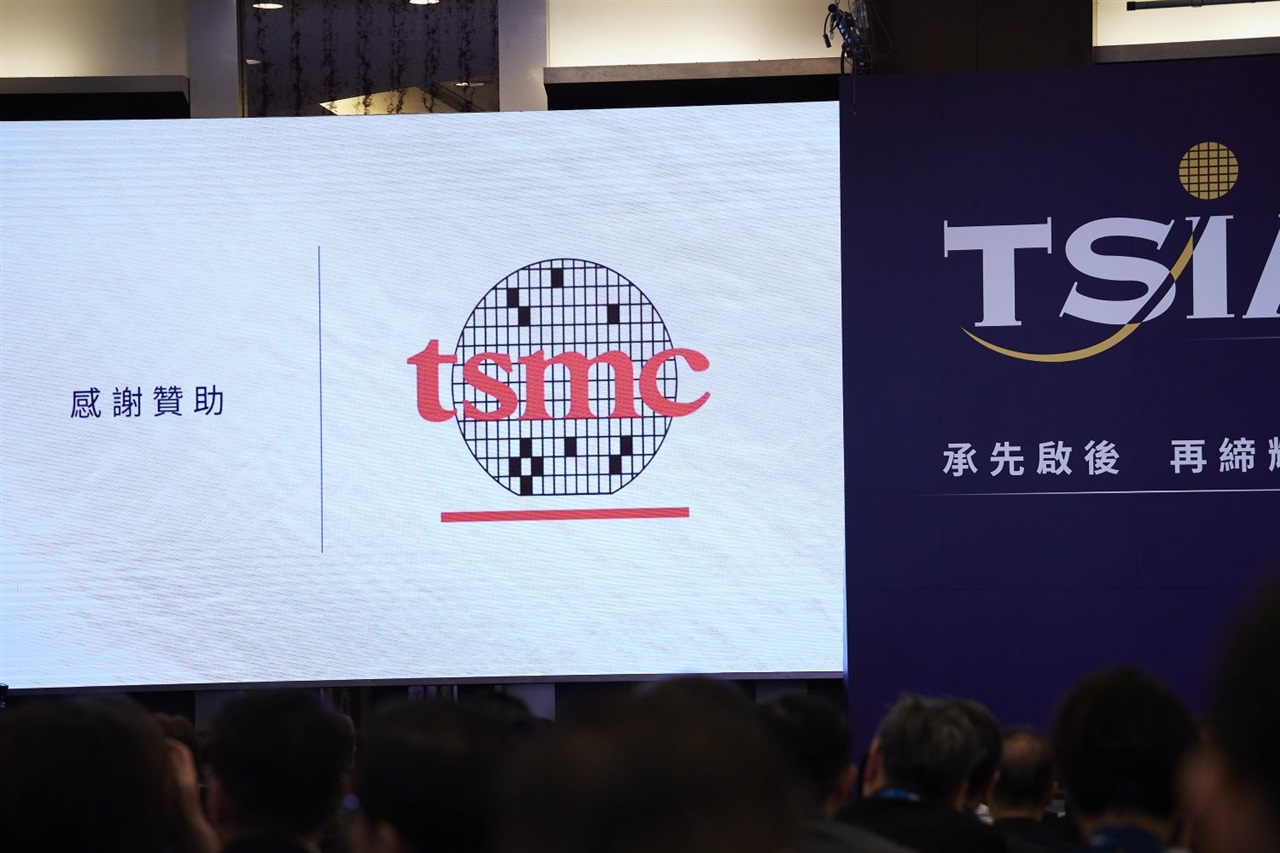
Taiwan Semiconductor Manufacturing Co. (TSMC) has pushed back against reports suggesting it was weighing a move into advanced memory chip manufacturing, specifically 3D DRAM for Nvidia. Industry figures in Taiwan stated that a large-scale entry into DRAM production looked unlikely, with TSMC reiterating its commitment to its core contract chipmaking business. This clarification follows a period of market volatility where TSMC's ADRs surged on the initial unconfirmed reports.
Report: Trump Admin Cleared AI Chip Sales to Chinese Companies with Empty Offices
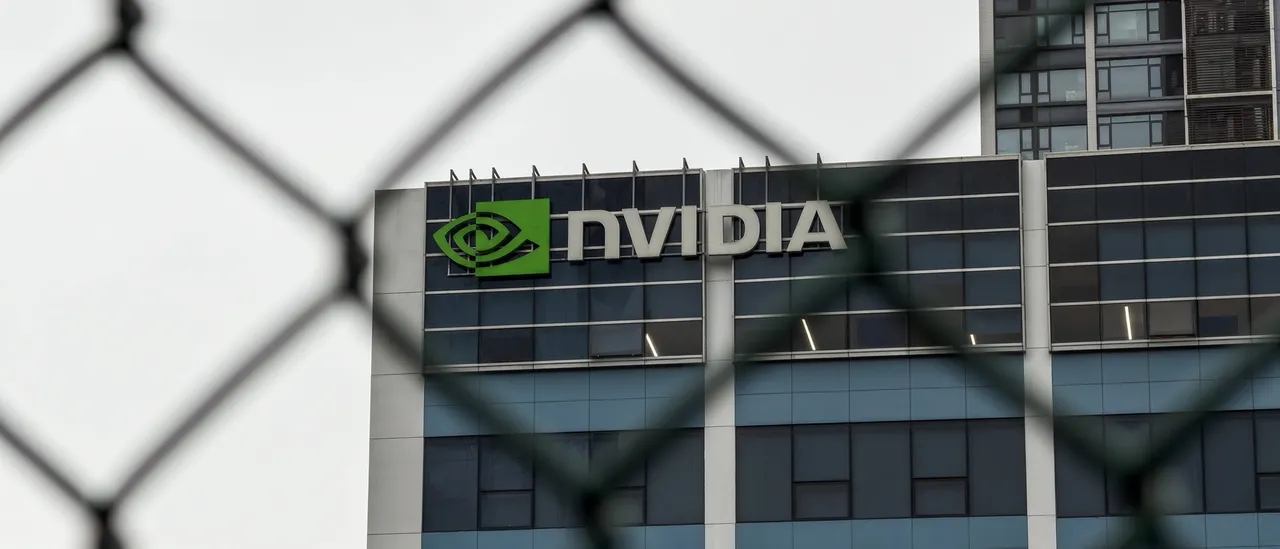
A new report alleges that the Trump administration approved the sale of AI chips to dozens of Chinese companies that are under U.S. government sanctions. The report suggests these entities often have "empty offices," raising questions about the effectiveness of current export enforcement mechanisms and the potential for chips to be diverted for restricted uses.
Asian Chip Stocks Rise as TSMC and Samsung Recover from Sell-Off
Asian semiconductor stocks, including TSMC, SK Hynix, and Samsung, rose on Monday, recovering from a brutal selloff the previous week. The market rebound occurred despite controversy surrounding Nvidia CEO Jensen Huang testing investor confidence, indicating that fundamental demand for AI infrastructure may still be driving valuations despite short-term sentiment shifts.
Manufacturing & Supply Chain
China Rare Earth Export Control Pause Ends Tuesday
The pause on China's rare earth export controls is set to end on Tuesday, November 10, unless Beijing publishes an extension notice. Buyers of magnets, batteries, and critical chip materials face the "0.1% rule" if no extension is announced, creating immediate uncertainty for supply chains reliant on Chinese rare earths. While Washington and Beijing have indicated a broader trade truce running into January 2027, the specific MOFCOM announcement has not yet been updated.

Geopolitics & Trade Policy
US Export Enforcement Under Scrutiny
The revelation regarding sanctioned Chinese companies receiving AI chips highlights growing tensions in trade policy. The Commerce Department's approval of these sales contradicts the stated goal of restricting China's access to cutting-edge semiconductors. This development comes as Taiwan continues to tighten its own export controls, adding penalties and closing loopholes to align with US restrictions, including proposals for five-year prison terms for illicit AI server exports.
Market Moves & Earnings
Chip Stocks Stabilize After 30% Sell-Off
Following a significant market correction where chip stocks fell by approximately 30%, investors are reassessing valuations. TSMC stock trades near 21x forward earnings, a level some analysts view as attractive given the company's dominant position in the foundry market. Despite the volatility, long-term projections suggest the industry remains on track for substantial growth driven by AI infrastructure buildouts.
Deep Dive: The Foundry vs. Memory Boundary
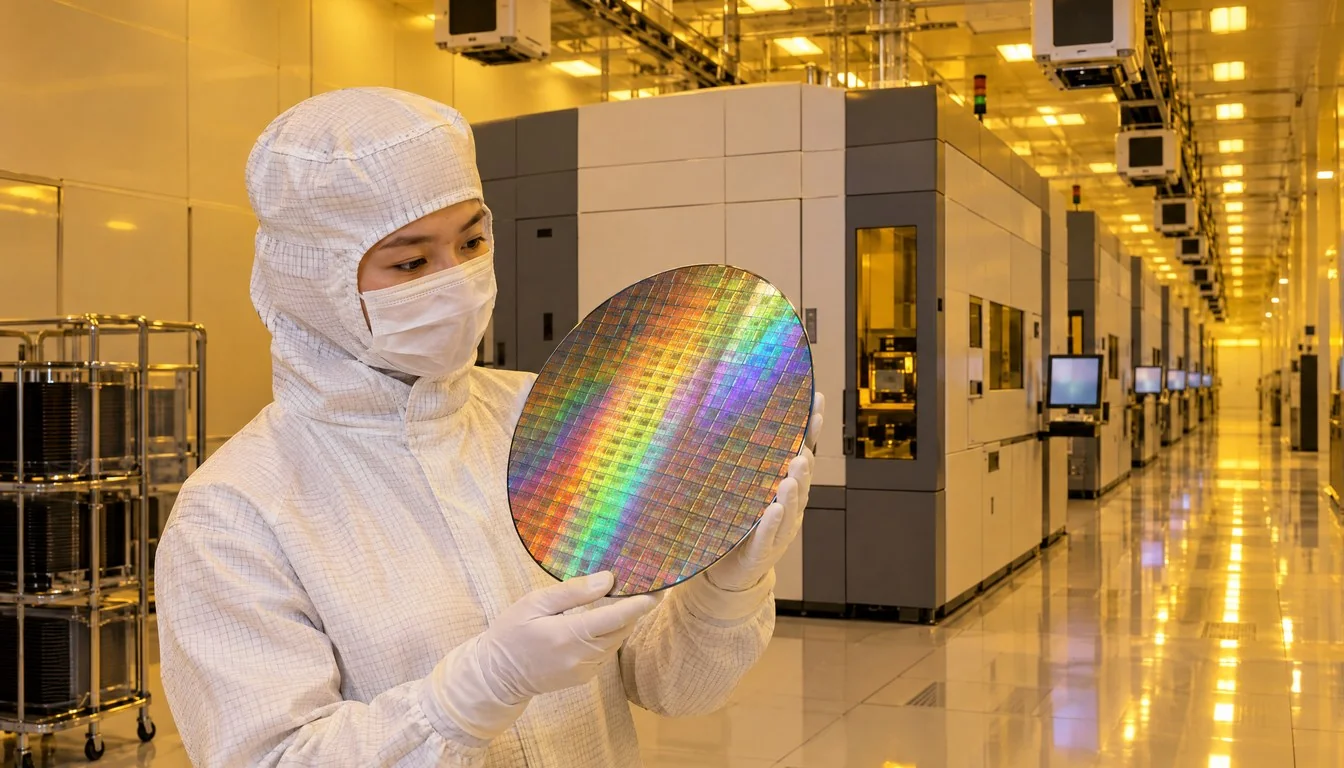
The recent rumor that TSMC might enter the 3D DRAM market for Nvidia, and its subsequent denial, underscores a critical strategic boundary in the semiconductor industry. Historically, foundries like TSMC have focused on logic manufacturing, while memory production has been dominated by Samsung, SK Hynix, and Micron. The speculation likely arose from Nvidia's increasing need for advanced packaging and memory integration (such as HBM) to support AI accelerators.
However, TSMC's firm stance on remaining a pure-play foundry signals that it does not intend to compete directly with its customers or partners in memory production. Instead, the industry trend is moving toward tighter collaboration and advanced packaging solutions like CoWoS, rather than vertical integration into memory wafer fabrication. This distinction is vital for maintaining trust among fabless designers who rely on TSMC's neutrality.
The denial also reflects the immense capital intensity and specialized expertise required for DRAM production, which differs significantly from logic manufacturing. For Nvidia, this means continuing to rely on partners like SK Hynix and Samsung for memory components while leveraging TSMC for logic dies and packaging. The competitive landscape remains defined by specialization rather than consolidation.
What to Watch Next Week
- China Rare Earth Policy Decision: Monitor Beijing for any last-minute extension of the export control pause before it expires on Tuesday, November 10.
- US Commerce Department Response: Watch for official statements regarding the report on AI chip sales to sanctioned Chinese companies.
- Nvidia Supply Chain Updates: Look for further details on how Nvidia is securing memory and logic capacity amidst TSMC's reaffirmed foundry focus.
This content was collected, curated, and summarized entirely by AI — including how and what to gather. It may contain inaccuracies. Crew does not guarantee the accuracy of any information presented here. Always verify facts on your own before acting on them. Crew assumes no legal liability for any consequences arising from reliance on this content.
Powered by
