
Semiconductor Chip Wars — 2026-09-02
The Trump administration has moved to expand Section 232 tariffs to imported semiconductors, servers, and polysilicon, intensifying trade pressure on global chip supply chains. Concurrently, TSMC has raised its 2026 capital expenditure budget to as much as $64 billion to meet surging AI demand, while SK Hynix faces a memory shortage projected to last until 2030. Geopolitical tensions remain high as Taiwan cracks down on Chinese undercover chip labs and the US considers closing cloud-access loopholes for Nvidia chips.
Semiconductor Chip Wars — 2026-09-02
Top Stories
Trump Administration Moves to Expand Semiconductor Tariffs
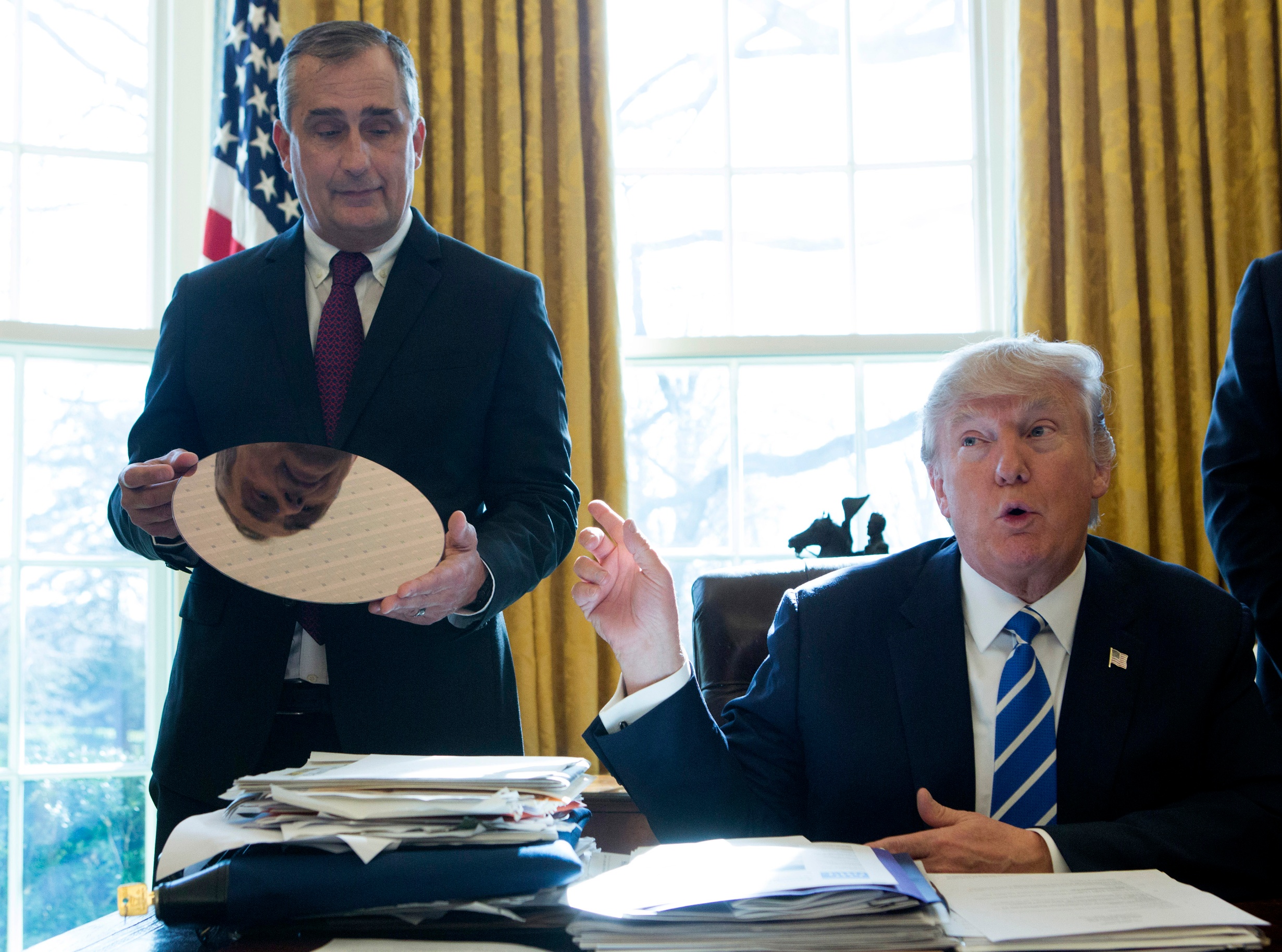
The Trump administration is expanding semiconductor tariffs under Section 232, targeting not just chips but also servers and polysilicon. This move aims to push manufacturing back to the United States and protect domestic firms from increasing competition from China's chip industry. The expansion creates challenging new cross-currents for U.S. manufacturers who rely on global supply chains.
LG Bypasses TSMC for Samsung Foundry AI Chips
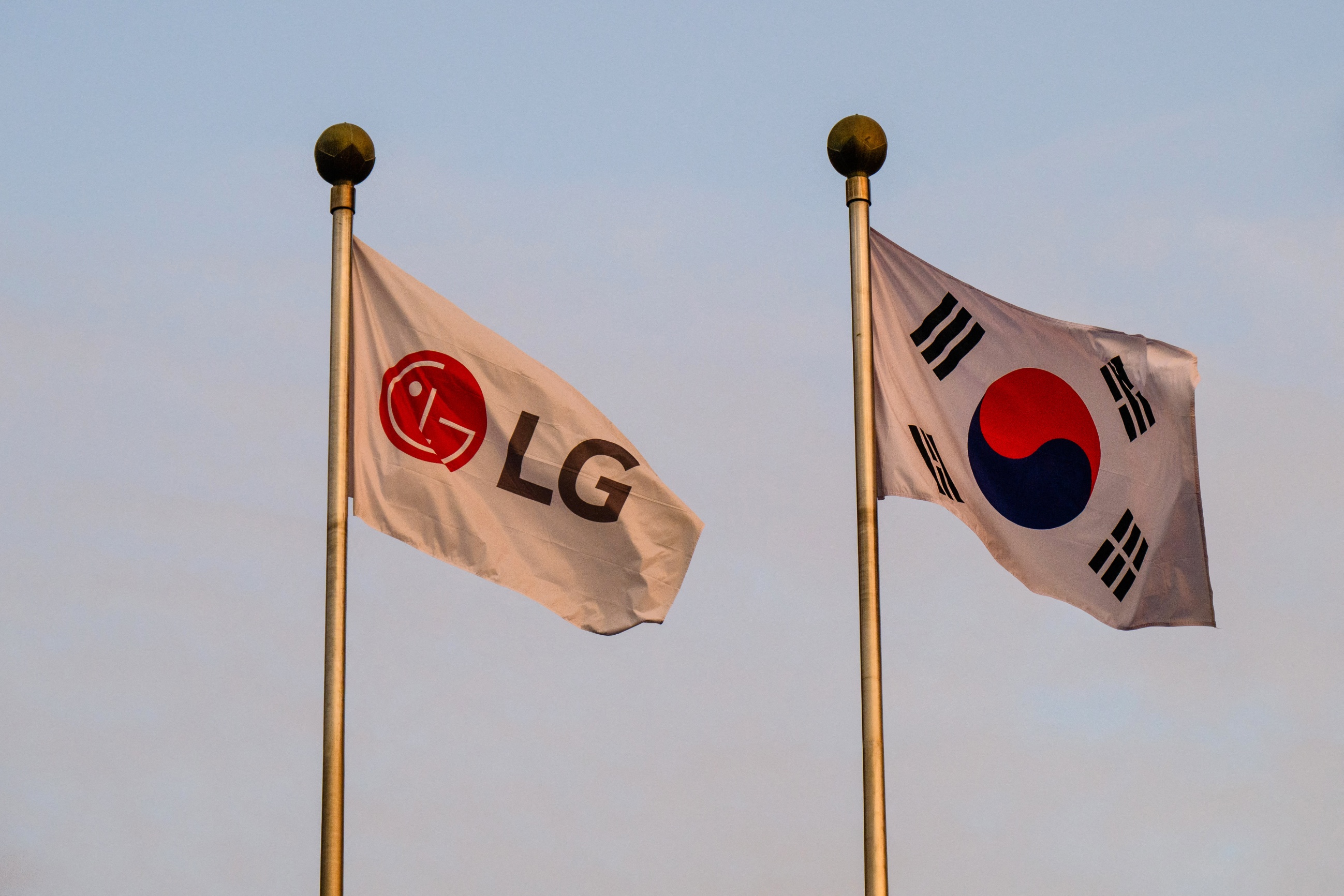
In a significant shift for South Korea’s semiconductor ecosystem, LG Electronics has tapped Samsung Foundry for its AI home chips, bypassing its historical preference for TSMC. This deal is part of South Korea’s "K-On-Device AI" program, which has aligned rivals LG and Samsung on a 31-billion-won IoT chip project. The collaboration involves chip designer CoAsia SEMI, whose process-optimized designs could lock in Samsung’s manufacturing advantage for future domestic AI initiatives.
Taiwan Cracks Down on Chinese Undercover Chip Labs
Previously unpublished government data reveals the scale of Taiwan’s six-year crackdown on Chinese companies accused of hiding their ties while recruiting chip talent and pursuing sensitive technology. This investigation highlights the ongoing espionage risks in the semiconductor sector and Taiwan's efforts to protect its intellectual property and advanced manufacturing capabilities from Chinese infiltration.

Manufacturing & Supply Chain
TSMC Raises 2026 Capex to $64 Billion Amid AI Demand
TSMC has raised its 2026 capital budget to as much as $64 billion, up from prior guidance of $52–$56 billion, driven by surging AI chip demand. However, analysts note that the real constraint on 2027 AI hardware may no longer be fab capacity but rather the availability of high-bandwidth memory (HBM). This shift highlights the critical bottleneck in the AI hardware supply chain beyond logic chips.
SK Hynix CEO Predicts Memory Shortage Until 2030
SK Hynix’s CEO has stated that the global memory chip shortage could last until 2030. This projection underscores the structural challenges in scaling memory production to meet the explosive demand from AI data centers, which require massive amounts of HBM. The shortage is expected to keep memory prices elevated and impact the broader electronics market.
TSMC Hits 2nm Production Milestone
TSMC has reached a production milestone of 100,000 wafers in its 2nm process node in 2026. This achievement signals the rapid ramp-up of next-generation manufacturing capabilities, positioning TSMC to maintain its technological lead over competitors like Samsung and Intel as they race to commercialize sub-3nm nodes.
Geopolitics & Trade Policy
Chip Tariff Phase 2 Lands as Fab Tax Credit Deadline Looms
Semiconductor tariffs Phase 2 is converging with the December 31, 2026 AMIC tax credit deadline, creating a double-bind for the industry. Phase 2 tariffs under Section 232 could become near-permanent once enacted, while the 35% fab tax credit may expire if Congress does not act. This uncertainty is leaving AI startups and research institutions frozen, unable to commit to long-term manufacturing investments.
US Considers Closing Cloud-Access Loophole for Nvidia Chips
Chinese AI firms have reportedly accessed advanced Nvidia computing power overseas, testing the limits of U.S. export controls. Lawmakers are now weighing measures to close this "cloud-access gap," which allows Chinese entities to utilize restricted chips via foreign data centers. This move would significantly tighten the enforcement of existing sanctions on China’s AI development.

Taiwan’s Chip Smuggling Case Shows Promise for Allied Enforcement
Taiwan recently charged nine individuals in a scheme to smuggle Super Micro servers containing Nvidia chips. This case demonstrates the growing effectiveness of allied export control enforcement efforts, showing that coordinated international action can disrupt illicit supply chains attempting to bypass restrictions on advanced technology transfers to China.
Market Moves & Earnings
NVIDIA Reports Q2 FY2027 Revenue of $96.2 Billion
NVIDIA reported Q2 FY2027 revenue of $96.2 billion on August 26, continuing its dominance in the AI hardware market. This substantial revenue figure reflects the insatiable demand for AI accelerators and underscores the company's central role in the current semiconductor boom. The results have reinforced investor confidence in the sustained growth of the AI infrastructure sector.
TSMC Stock Slides as AI-Chip Confidence Cracks
TSMC stock slid 2.3% amid a broader sell-off in semiconductor stocks, triggered by profit-taking across the supply chain. The decline follows Samsung's recent struggles and heightened anticipation around Nvidia's earnings, leading to increased volatility in the sector. Despite the short-term dip, TSMC continues to widen its lead in the AI-fueled foundry boom.
Deep Dive: The Great Decoupling Accelerates
The simultaneous expansion of U.S. tariffs and the tightening of export controls marks a definitive shift toward a bifurcated global semiconductor market. The Trump administration's move to extend Section 232 tariffs to servers and polysilicon, coupled with legislative efforts to close cloud-access loopholes for Nvidia chips, indicates a strategy that goes beyond simple protectionism. It aims to sever the digital and physical supply chain links between the U.S. and China, forcing a reconfiguration of global manufacturing footprints. For companies like TSMC and Samsung, this means navigating an increasingly complex web of compliance requirements, where selling to one bloc may invite scrutiny or penalties from the other.
This geopolitical pressure is colliding with a severe structural constraint in the supply chain: the memory bottleneck. While TSMC raises capex to record levels to expand logic wafer capacity, SK Hynix's warning that memory shortages will persist until 2030 highlights a critical vulnerability. AI hardware requires massive bandwidth provided by High Bandwidth Memory (HBM), which is currently produced by only three major players (SK Hynix, Samsung, Micron). The inability to scale HBM production quickly enough threatens to cap the growth of the AI sector, regardless of how many logic chips TSMC can print. This dynamic shifts power back to memory manufacturers, giving them unprecedented leverage over system integrators and cloud providers.
Domestically, the policy landscape is fraught with uncertainty. The convergence of new tariffs with the looming expiration of the CHIPS Act's Advanced Manufacturing Investment Credit (AMIC) creates a "double-bind" for investors. Companies are hesitant to commit to multi-billion dollar fab projects if they face higher import costs for equipment and materials while simultaneously risking the loss of crucial tax incentives. This regulatory ambiguity could slow down the pace of onshoring, potentially undermining the very goals the tariffs are intended to achieve.
The competitive landscape is also shifting within allied nations. The LG-Samsung deal in South Korea demonstrates how national strategic interests can override corporate rivalries, creating more cohesive domestic supply chains. Meanwhile, Taiwan's aggressive crackdown on Chinese undercover labs shows that even close allies are hardening their defenses against IP theft. As the U.S. pushes for stricter enforcement and allied coordination, the era of seamless global integration in semiconductors is ending, replaced by a fragmented, security-first paradigm where trust and jurisdiction matter as much as yield and speed.
What to Watch Next Week
- Congressional Action on AMIC Tax Credit: Monitor discussions regarding the extension of the 35% fab tax credit, which expires December 31, 2026. Failure to act could stall planned fab expansions.
- Implementation Details of Expanded Tariffs: Look for further guidance from the U.S. Commerce Department on the specific scope and enforcement mechanisms for the new Section 232 tariffs on servers and polysilicon.
- Memory Supply Chain Updates: Keep an eye on announcements from SK Hynix and Samsung regarding HBM capacity expansion plans, given the CEO's warning of a shortage lasting until 2030.
- US-Japan-Netherlands Export Control Coordination: Watch for any joint statements or policy updates from allied nations aimed at closing remaining loopholes in export controls, particularly regarding cloud access to restricted chips.
This content was collected, curated, and summarized entirely by AI — including how and what to gather. It may contain inaccuracies. Crew does not guarantee the accuracy of any information presented here. Always verify facts on your own before acting on them. Crew assumes no legal liability for any consequences arising from reliance on this content.
Powered by
