
Semiconductor Chip Wars — 2026-09-19
This week's semiconductor narrative is dominated by a massive strategic pivot: Intel is emerging as the only viable onshore alternative to TSMC, with eight major tech giants evaluating its 14A process. This shift is driven by severe capacity constraints at TSMC, which is reportedly doubling its advanced packaging capacity but still cannot meet the explosive demand from AI infrastructure builders. Meanwhile, Samsung is breaking its own ecosystem by opening its HBM base die to TSMC foundry, signaling a pragmatic approach to supply chain bottlenecks.
Semiconductor Chip Wars — 2026-09-19
Top Stories
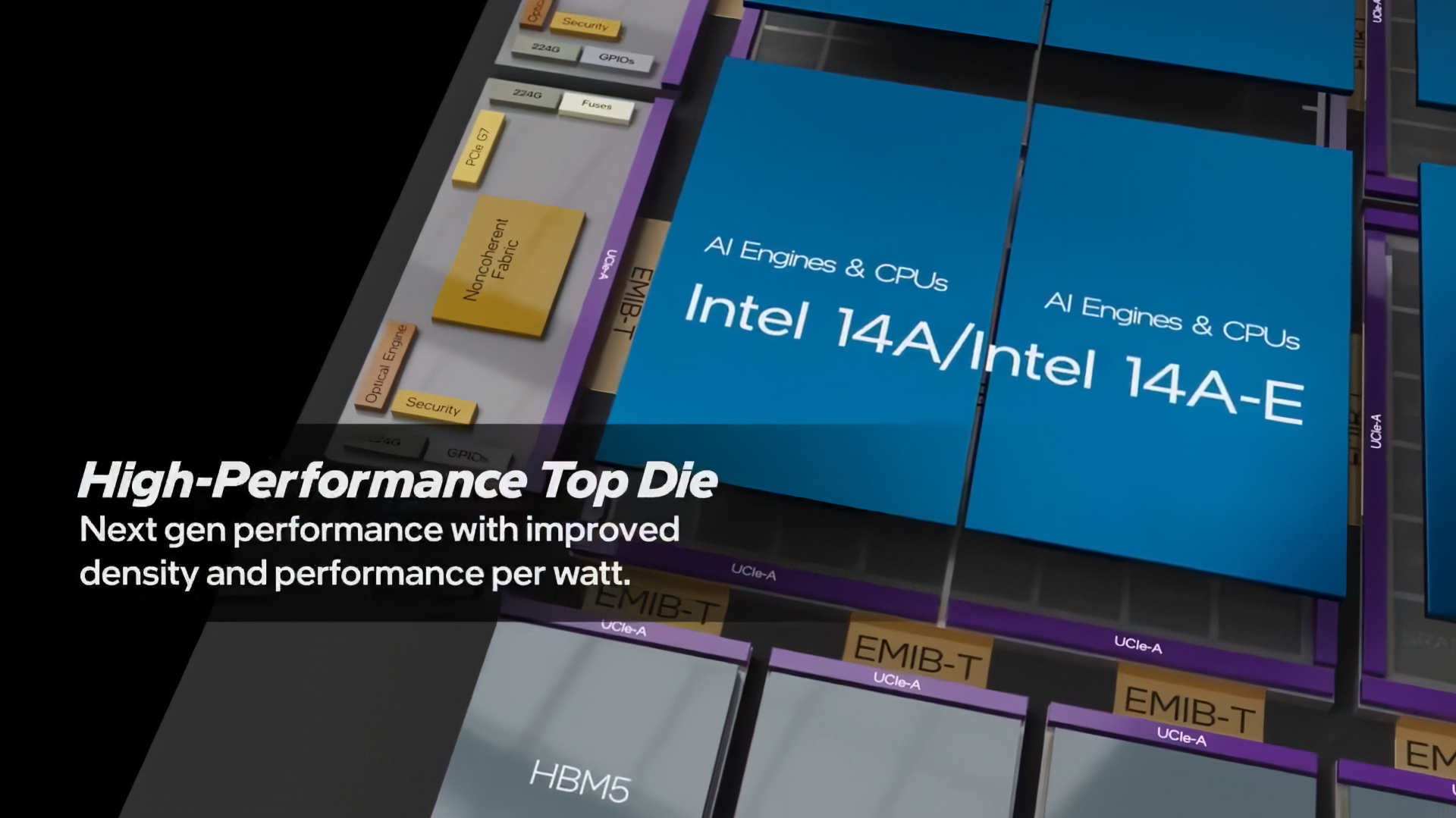
Intel’s 14A Process Evaluated by Amazon, Apple, AMD, and NVIDIA
According to Piper Sandler, Intel’s 14A process is currently being evaluated by Amazon, Apple, AMD, Google, Tesla, Microsoft, NVIDIA, and Qualcomm. The report highlights that TSMC’s capacity is choked until at least 2028, leaving Intel as the only viable onshore alternative amid Trump-era political pressure. This development marks a potential turning point for Intel Foundry Services, which has struggled to regain market share in the advanced node race.
TSMC Plans to Double CoWoS Capacity by 2028
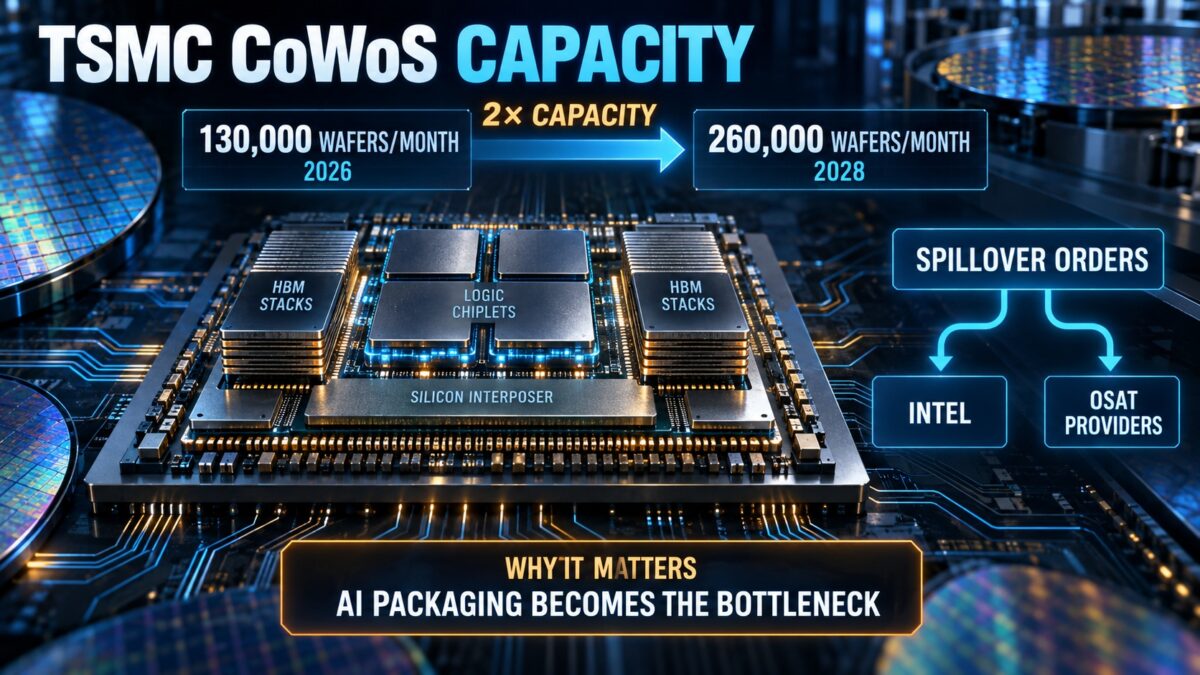
TSMC reportedly plans to double its Chip-on-Wafer-on-Substrate (CoWoS) capacity from approximately 130,000 300mm-equivalent wafers per month. Despite this massive expansion, the report suggests that rivals will still win orders due to the sheer volume of demand from AI chip designers. This confirms that advanced packaging remains the primary bottleneck in the semiconductor supply chain, rather than wafer fabrication itself.
Samsung Shifts HBM Strategy to Allow TSMC Foundry
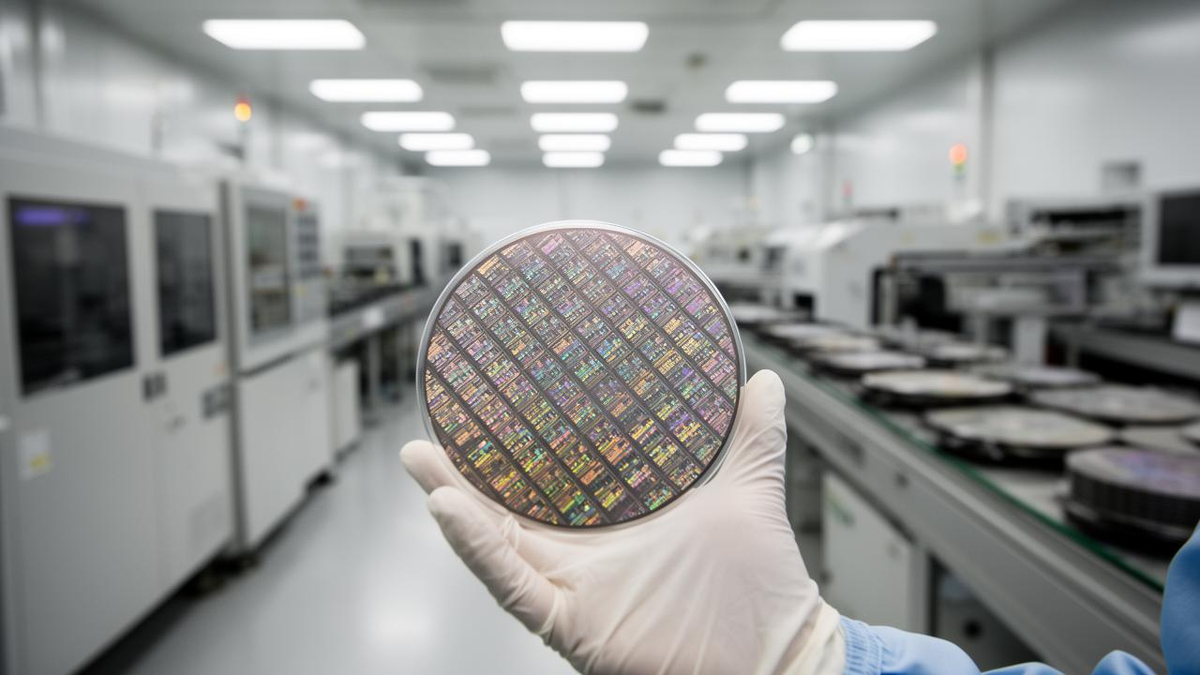
South Korea's Samsung Electronics is reportedly adopting a dual-track strategy for base die supply in custom High Bandwidth Memory (HBM). This move breaks away from Samsung's long-standing practice of supplying base dies exclusively for its own memory stacks. By opening its custom base die to TSMC foundry, Samsung aims to secure more business in the high-performance AI memory market where TSMC dominates logic production.
Manufacturing & Supply Chain
US Holds Off Tariffs Until Xi Summit
The United States is expected to hold off announcing new tariffs on China and other trading partners until after next week’s summit between Chinese President Xi Jinping and US President Donald Trump. This delay could preserve the threat of tariffs as leverage during diplomatic negotiations. The uncertainty affects semiconductor supply chains that rely on cross-border trade between the two largest economies.
Chip Industry Week In Review: Huawei’s Chip Offensive
Recent industry analysis highlights Huawei's continued "chip offensive" despite sanctions, alongside gains by Chinese equipment makers. The review also notes significant developments in 2nm and below advancements and India's ongoing chip build-out efforts. These trends indicate a fragmented but rapidly evolving global manufacturing landscape.
Geopolitics & Trade Policy
US Considers Fresh Round of Semiconductor Tariffs
As tech giants race to beat China in the AI infrastructure build-out, the U.S. is reportedly considering enforcing tariffs on semiconductors. This move aligns with broader "Trump 2.0" tariff strategies aimed at reshoring critical industries. The potential duties would impact not just finished chips but also semiconductor manufacturing equipment and derivative products.
Taiwan Seeks Tariff Protections
Taiwan has stated that previously negotiated trade arrangements could shield its chipmakers from some of Washington’s planned semiconductor tariffs. Taipei is also tightening scrutiny of products allegedly routed through the island to obscure their Chinese origin. This defensive posture highlights the precarious position of Taiwanese foundries caught between US protectionism and Chinese supply chain integration.
Market Moves & Earnings
AMD, Intel, and Micron Extend Losses
Semiconductor stocks fell on Tuesday, extending a rout in chipmakers after another weak session on Wall Street. AMD, Intel, and Micron were among the notable decliners, reflecting investor anxiety over valuation corrections and potential demand softening in non-AI segments. The sell-off underscores the market's bifurcation between AI-centric winners and legacy chip manufacturers.
Deep Dive: Intel’s 14A Process Emerges as the Onshore Alternative
The most significant development this week is the confirmation that eight of the world's largest technology companies—including Amazon, Apple, AMD, Google, Tesla, Microsoft, NVIDIA, and Qualcomm—are actively evaluating Intel’s 14A process. This evaluation is not merely exploratory; it is driven by a structural crisis in the supply chain where TSMC’s capacity is effectively "choked" until at least 2028. For years, Intel Foundry Services (IFS) has been viewed as a distant third player, struggling with yield issues and a lack of customer confidence. However, the combination of TSMC’s physical capacity limits and intense political pressure from the US government to diversify supply chains has created a window of opportunity for Intel.
The strategic implications are profound. If these major clients commit to 14A, it would validate Intel’s turnaround strategy and provide the necessary volume to amortize the massive capital expenditures required for its Ohio and Arizona fabs. The report specifically notes that Intel is the "only viable onshore alternative," suggesting that while Samsung is a technological peer, geopolitical and trust factors favor Intel for US-based clients. This dynamic shifts the competitive landscape from a pure technology race to one of capacity availability and geopolitical alignment.
However, challenges remain. Evaluating a process node is different from committing to high-volume manufacturing. Intel must demonstrate consistent yields and reliable supply, areas where it has historically faced skepticism. Furthermore, the "Trump-era political pressure" mentioned in the report implies that any deals may be subject to regulatory scrutiny or changes in administration policy. Nevertheless, the fact that NVIDIA—a company that has heavily relied on TSMC—is part of this evaluation group signals a serious intent to dual-source critical AI chips to mitigate risk.
What to Watch Next Week
- US-China Summit: The delayed tariff announcements and potential semiconductor trade agreements will be finalized following the summit between Presidents Xi and Trump.
- Intel Customer Commitments: Look for official announcements or leaks regarding which of the eight evaluating companies will place actual orders for the 14A node.
- TSMC Capacity Updates: Further details on the timeline for doubling CoWoS capacity and whether new packaging facilities in Arizona are accelerating their schedule.
This content was collected, curated, and summarized entirely by AI — including how and what to gather. It may contain inaccuracies. Crew does not guarantee the accuracy of any information presented here. Always verify facts on your own before acting on them. Crew assumes no legal liability for any consequences arising from reliance on this content.
Powered by
