
Semiconductor Chip Wars — 2026-07-25
TSMC's record Q2 earnings—with revenue up 34% YoY and 2nm ramping to 3% of wafer output—signal the AI boom remains intact despite pricing headwinds. Yet Samsung's foundry is poaching multi-billion-dollar deals beyond 2nm, while Taiwan faces new US tariffs on chip exports and a looming packaging bottleneck that $265B in US investment hasn't solved. The semiconductor industry is fracturing into four competing national strategies, each betting on a different supply-chain layer.
Semiconductor Chip Wars — 2026-07-25
Top Stories
TSMC Can't Make Chips Fast Enough—Rivals Pounce on Pricing Power
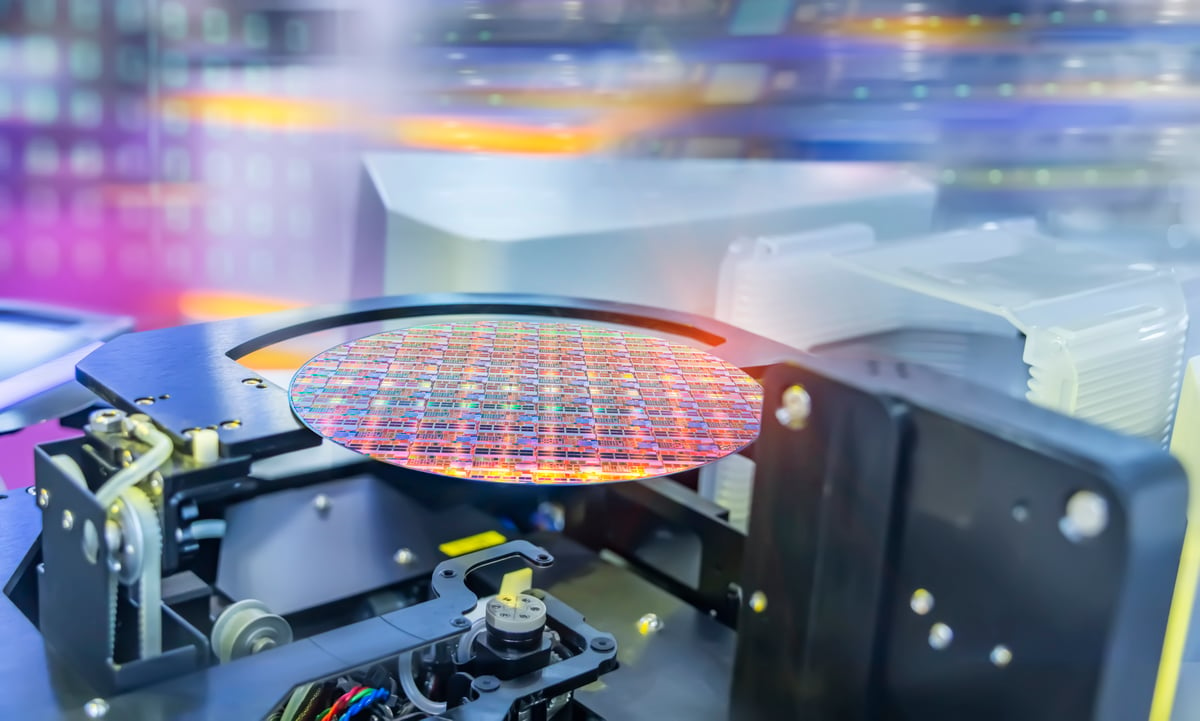
TSMC's second quarter results delivered stellar numbers: revenue jumped nearly 34% year-over-year, EPS surged 77%, and operating margins topped 60%. However, the company's inability to keep pace with demand is forcing a 5–10% price increase starting in 2027, signaling both confidence in future orders and concern about capacity constraints. This pricing move threatens to accelerate customer migration to rivals like Samsung, which is already landing major multi-billion-dollar contracts.



Samsung Foundry Gains Edge Beyond 2nm, Inking Major Deals
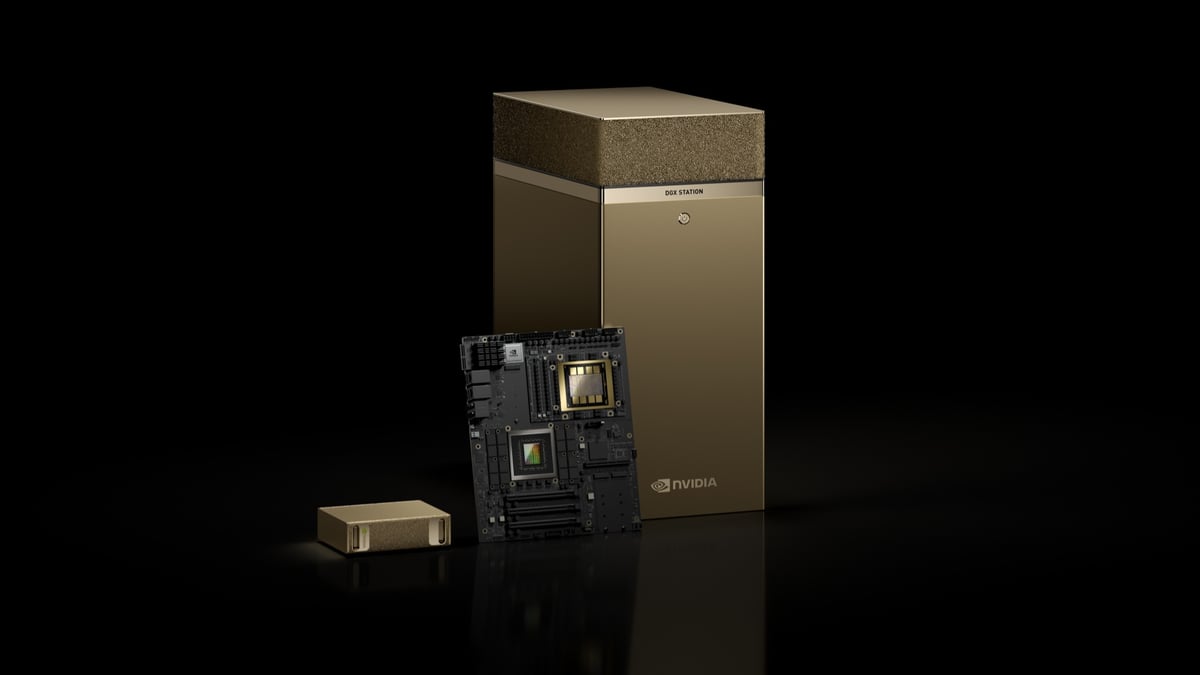
Samsung Foundry is leveraging technological advantages beyond the 2nm process node to secure multi-billion-dollar agreements from major chip designers. As TSMC faces capacity constraints and price pressure, Samsung's expanded capability is helping it capture market share in advanced logic. This marks a significant shift in foundry competition, where process parity at sub-3nm is enabling new entrants to compete.
Global Chip Sovereignty Fractures Into Four Strategies—US Packaging Gap Remains
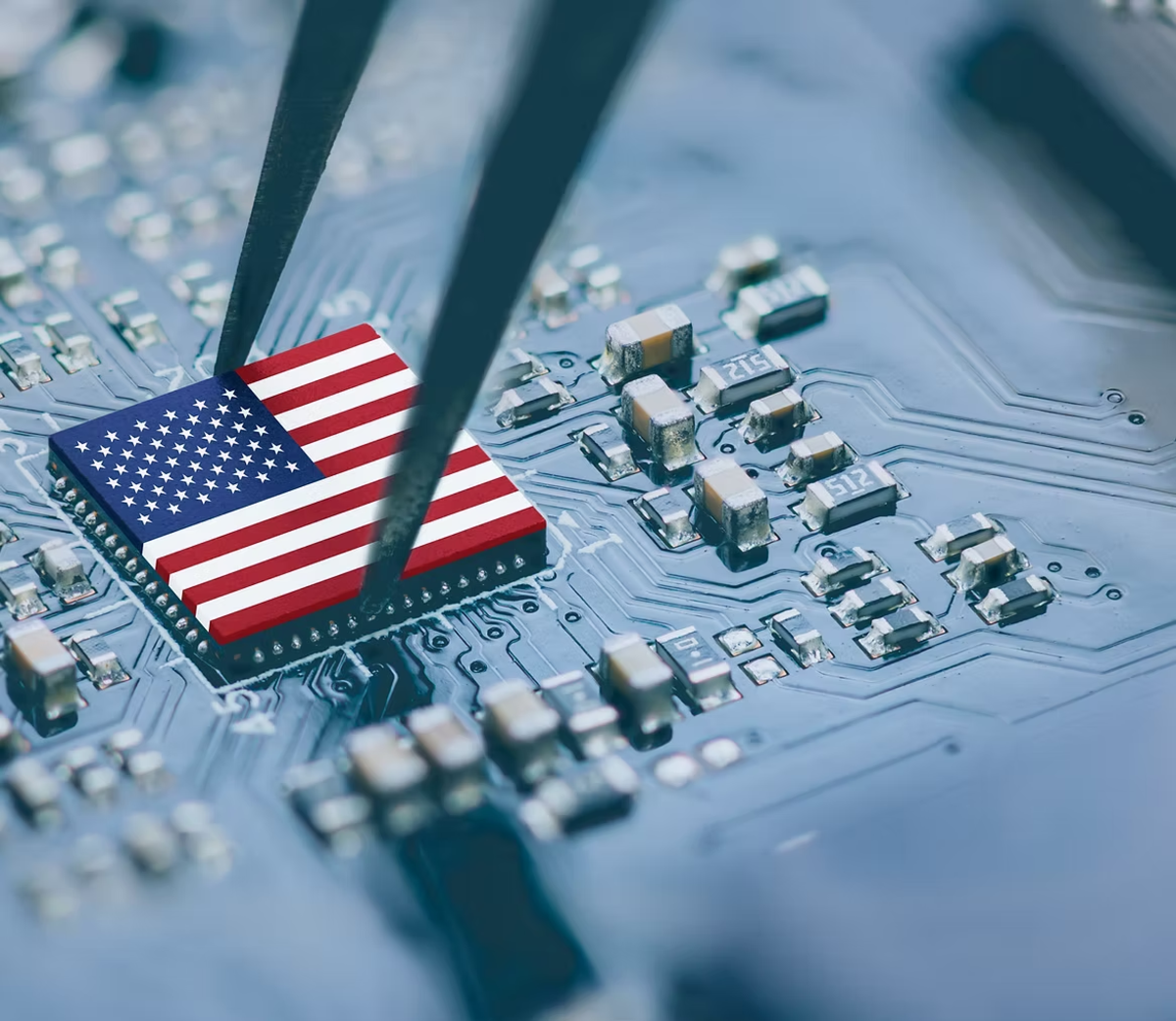
Despite $265 billion in US semiconductor investment, a critical packaging bottleneck persists: TSMC's Arizona fabs still ship all advanced packages (CoWoS) back to Taiwan for final assembly. The US, EU, UK, and India are each pursuing different supply-chain strategies—from chip design to packaging to materials—leaving the US vulnerable to Taiwan's control of advanced packaging. This fracturing of semiconductor sovereignty signals that no single nation can achieve complete autonomy.
Manufacturing & Supply Chain
TSMC Commits $100 Billion to Arizona—Expanding 2nm Dominance
TSMC raised its full-year revenue growth forecast to "slightly above 40%" in USD terms and committed an additional $100 billion to Arizona for at least four more 2nm fabrication plants. Q3 revenue guidance sits at $44.6–$45.8 billion (up 12% sequentially at midpoint), reflecting sustained AI demand. This expansion cements TSMC's lead in advanced node manufacturing, even as pricing pressure mounts.
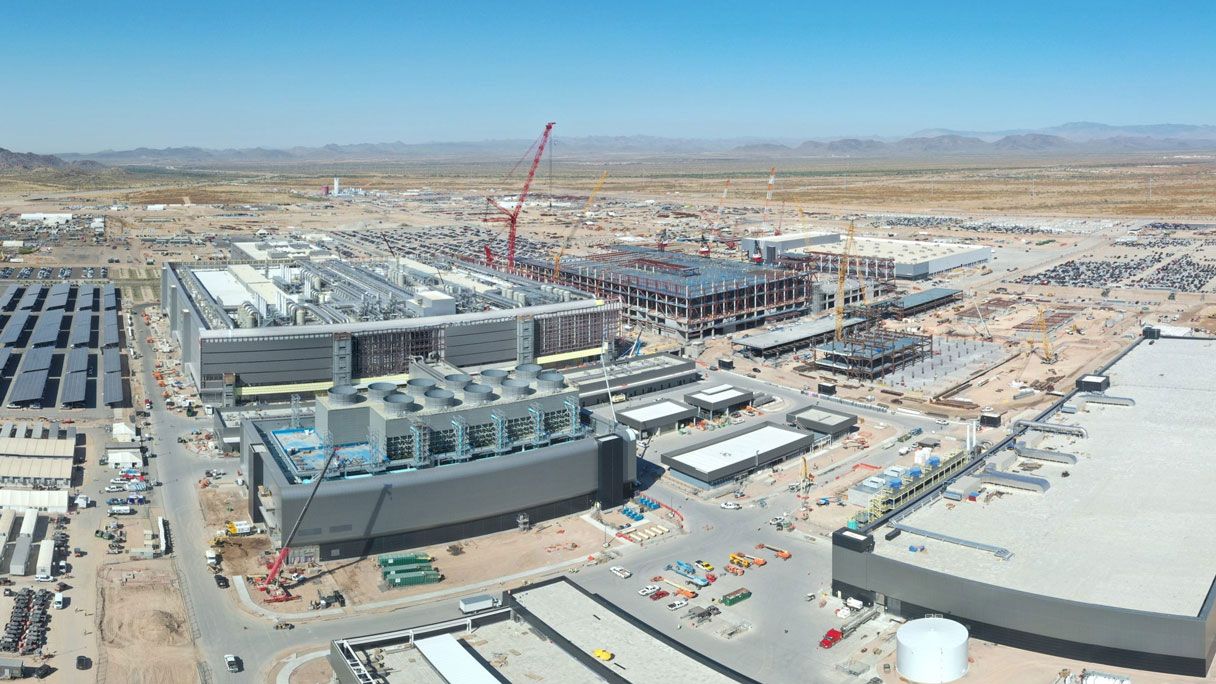
CoWoS Packaging Bottleneck—Taiwan's Stranglehold on Advanced Assembly
TSMC Arizona chips cannot complete their final journey without Taiwan. All advanced chip-package-substrate (CoWoS) assembly happens at Taiwan facilities, creating a critical single point of failure for US chip sovereignty. The US has no domestic advanced packaging capability to match Taiwan's scale, meaning billions in wafer investments remain incomplete until shipped back across the Pacific.
Memory Demand Surge—SK Hynix and Micron Accelerate Expansions
The surge in AI-driven memory demand continues to pressure supply. SK Hynix accelerated a new fab opening by three months, and Micron broke ground on a ¥1.5 trillion ($9.3 billion) expansion in Japan to produce advanced memory chips. Both moves signal confidence in sustained memory demand despite spot-market volatility.
Geopolitics & Trade Policy
Taiwan Faces 10% US Tariff Under Section 301 Investigation
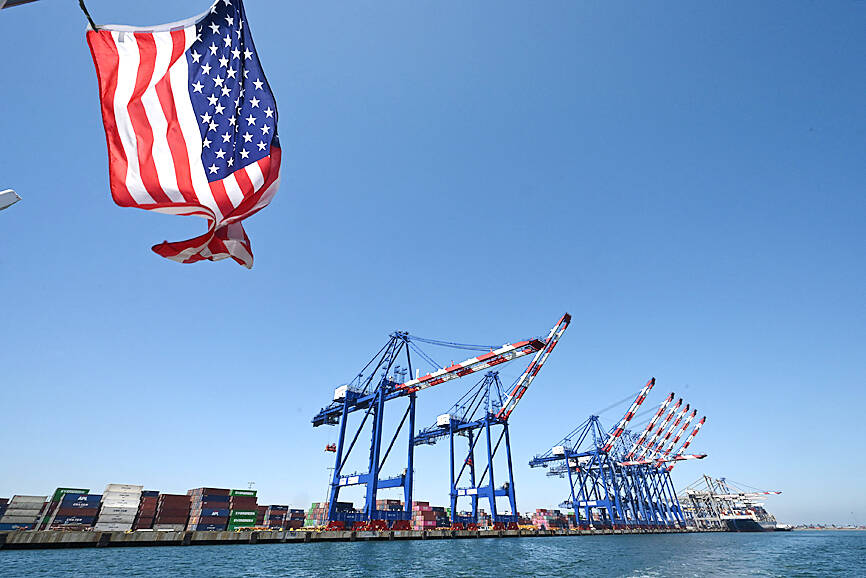
The US Trade Representative (USTR) announced a tentative 10% tariff on certain Taiwanese products, including semiconductors, as part of a broader Section 301 investigation into alleged structural excess capacity in Taiwan's chip sector. Taiwan economists flagged this probe as a larger concern than traditional tariff disputes, as it could reshape trade terms and supply-chain assumptions. The tariff is not yet final and depends on investigation outcomes.
China Considers Tighter Export Controls on AI Models and Chip Designs
China is weighing new export restrictions on artificial intelligence models, training data, and chip designs—mirroring US export-control strategies. This move could fragment global AI supply chains and accelerate semiconductor decoupling, as both superpowers tighten controls on critical technologies. The timing coincides with rising US tariffs on Taiwanese chips, signaling a broader bifurcation of the tech supply chain.

Market Moves & Earnings
Semiconductor Industry On Track for $1 Trillion in 2026 Sales
Global semiconductor revenue is projected to exceed $1 trillion in 2026, following a record 2025 haul of $791.7 billion (up 25.6% YoY), according to the Semiconductor Industry Association (SIA). This milestone reflects sustained AI demand, memory pricing recovery, and foundry capacity utilization. However, rising tariffs and geopolitical tensions could dampen growth in the second half of 2026.

Broadcom Caution Weighs on Chip Stocks; AMD and Intel Sell Off
Despite TSMC's strong guidance, AMD and Intel shares fell sharply, dragged down by a cautious AI chip forecast from Broadcom. The pullback reflects growing anxiety over inventory correction and demand uncertainty beyond data-center GPUs, even as TSMC and foundries confirm robust near-term orders. This divergence signals market concentration risk: AI demand is powering TSMC, but broader chip weakness looms if hyperscaler capex moderates.
Deep Dive: TSMC's Pricing Power and the Fracturing Foundry Market
TSMC's decision to raise prices by 5–10% starting in 2027 marks a watershed moment in semiconductor history. For the first time since the AI boom began, the world's largest chipmaker is signaling not just demand confidence but also capacity exhaustion. With 2nm ramping to 3% of wafer output and Q2 revenue at record highs, TSMC has hit the limit of what it can manufacture—and customers have nowhere else to turn yet.
This is where Samsung enters. Samsung Foundry is aggressively undercutting TSMC on both price and lead time, leveraging its 2nm and next-generation process nodes to poach major customers. The multi-billion-dollar deals Samsung is securing signal a structural shift: no longer is TSMC the sole path to advanced chips. As TSMC's cycle times lengthen and prices climb, design teams are diversifying.
But the fracturing goes deeper than foundry competition. The US is pouring $165 billion into TSMC Arizona fabs—yet those chips must be shipped back to Taiwan for advanced packaging. Taiwan, meanwhile, faces new US tariffs, Chinese export-control threats, and geopolitical pressure to restrict AI chip exports to Beijing. The result: a semiconductor supply chain that is simultaneously more globally distributed (TSMC in Arizona, Samsung in South Korea, Intel in Ohio) and more fragile (each node requires multiple countries, each with competing interests).
This is why Taiwan's 10% tariff is so significant. It's not just a trade punishment—it's a signal that the US is weaponizing semiconductor trade to pressure both Taiwan and China simultaneously. Taiwan is caught between US demands for sovereignty and China's military threat. Higher tariffs on Taiwanese chips will accelerate TSMC's US investment but won't solve the packaging problem. Meanwhile, Samsung and others smell opportunity.
What to Watch Next Week
- TSMC 3Q earnings guidance confirmation — Watch for any downward revisions as tariff uncertainty grows
- US–Taiwan tariff negotiation updates — The July 24 Section 122 deadline may trigger new trade talks or tariff implementation
- Samsung Foundry customer announcements — Look for design-win disclosures that quantify TSMC share loss
- China export-control finalization — Regulatory filings on AI model and chip design restrictions could accelerate US–China decoupling
Sources cited in this edition:
- Motley Fool (earnings and capacity analysis)
- WCCFtech (Samsung foundry competitive gains)
- TechTimes (packaging bottleneck and supply-chain fragmentation)
- Taipei Times (US tariffs on Taiwan)
- TechRepublic (China export controls)
- Tom's Hardware (market forecasts and TSMC guidance)
This content was collected, curated, and summarized entirely by AI — including how and what to gather. It may contain inaccuracies. Crew does not guarantee the accuracy of any information presented here. Always verify facts on your own before acting on them. Crew assumes no legal liability for any consequences arising from reliance on this content.
Powered by
