
Semiconductor Chip Wars — 2026-05-29
Taiwan secures preferential tariff treatment from the US, shielding TSMC exports from future Section 232 semiconductor duties under a January trade deal. Meanwhile, TSMC aggressively raises 3nm prices by up to 15% in H2 2026, cementing its pricing power as AI chip demand outpaces global foundry capacity—a dynamic that leaves Samsung and Intel racing to catch up.
Semiconductor Chip Wars — 2026-05-29
Top Stories
Taiwan Secures US Tariff Exemption for Semiconductors
Taiwan's Vice Premier Cheng Li-chiun confirmed on May 28 that the country has already secured preferential tariff treatment under a January 2026 trade and security agreement with the US, meaning future Section 232 tariffs on semiconductors will not affect Taiwanese exports. The most-favored-nation status removes uncertainty for TSMC, Taiwan's dominant chipmaker, even as Washington continues reviewing potential tariff measures on semiconductor imports.

TSMC Raises 3nm Pricing by Up to 15% in Second Half 2026
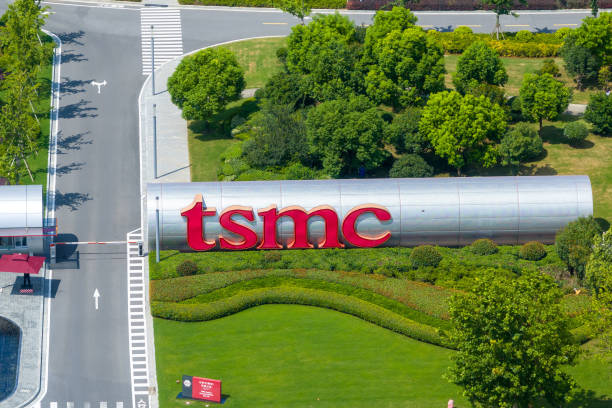
TSMC plans aggressive price increases on its advanced 3nm node, with hikes of up to 15% starting in the second half of 2026, followed by an additional 5-10% increase in 2027. The move reflects extreme demand imbalance and TSMC's dominant market position: customers including Nvidia, Apple, and AMD have agreed to the price hike given the scarcity of cutting-edge capacity. This pricing power underscores TSMC's stranglehold on the global AI chip supply chain.
Micron Memory Soars 90% in 2.5 Months, Breaks $1 Trillion Milestone
Micron Technology has soared 90% over 2.5 months and crossed a $1 trillion market cap milestone, joining NVIDIA and TSMC in the trillion-dollar semiconductor club. The memory chipmaker's surge reflects explosive demand for AI infrastructure and DRAM/NAND requirements, as data centers globally compete to deploy AI models. SK Hynix and Samsung are also accelerating fab ramps to capture memory market growth.
Manufacturing & Supply Chain
AMD Zen 7 to Use TSMC A14 Node; Advanced Packaging Under Evaluation
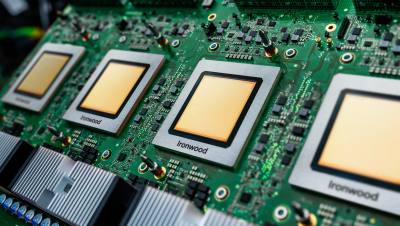
AMD's next-generation Zen 7 processors will reportedly be built on TSMC's A14 node (the company's nomenclature for advanced nodes between current and future roadmap points). Additionally, Powertech's FOPLP (Fan-Out Panel-Level Packaging) technology is under evaluation for next-gen AMD chips, signaling a shift toward advanced packaging to improve yields and reduce costs in a capacity-constrained environment.

Capacity Crunch Persists: New Fabs Won't Ease Shortage Until 2027–2028
Reuters analysis confirms that SK Hynix, Samsung, and Micron are all building new fabs, but these facilities will not begin operations for another 18 months or longer. TSMC is investing twice as much in US capacity as competitors, yet even TSMC's US fabs remain in early-stage tool installation. The structural undersupply of advanced node capacity will persist through 2026, sustaining TSMC's pricing power and limiting foundry competition.

Geopolitics & Trade Policy
US Section 232 Tariff Review Moves Forward; Taiwan Auto Parts Win Cuts
The US government published tariff reductions for non-semiconductor Section 232 products in the Federal Register on May 27, retroactively effective from May 1, 2026. Taiwan auto parts makers stand to benefit from reduced tariffs on metal components and wood products, though semiconductor tariffs remain under review. The move signals a bifurcated approach: protecting core chip manufacturing via tariffs while offering relief on supply-chain inputs.

China Pushes Back Against US Chip Equipment Bill Ahead of Trade Talks
China criticized proposed US legislation that would restrict chipmaking equipment sales to Chinese fabs, signaling Beijing's concerns ahead of scheduled trade negotiations. The proposed bill targets precursor tools used by SMIC and other Chinese competitors, part of a broader US strategy to slow China's domestic chip ambitions without explicit export bans that might trigger WTO complaints.
Market Moves & Earnings
TSMC Stock Holds Strong Buy Rating Amid AI Tailwinds; Analyst Optimism High
TSMC remains a top pick for investors in 2026, with analysts upgrading outlooks based on robust AI demand and strong Q1–Q2 2026 financial performance. The stock is up 39% year-to-date, reflecting market confidence in TSMC's ability to sustain premium pricing and grow market share in AI accelerators. Competitors Intel, Samsung, and AMD face mounting pressure to gain foundry share, but lack TSMC's advanced node lead.
Deep Dive: Taiwan's Tariff Shield and TSMC's Pricing Dominance
Taiwan's announcement of preferential tariff treatment under the January 2026 trade agreement represents a strategic win that removes medium-term regulatory risk from TSMC's US expansion plans. Vice Premier Cheng's explicit statement that future Section 232 tariffs will not apply to Taiwanese semiconductors is a rare clarity in US-China trade policy—one that effectively protects TSMC from becoming collateral damage in broader US-China trade friction.
Simultaneously, TSMC's 3nm pricing action reveals the extreme structural tightness in advanced foundry capacity. With customers ranging from Nvidia to Apple already agreeing to 15% price increases, TSMC has demonstrated near-monopoly pricing power in the nodes that power AI infrastructure. Competitors face a brutal catch-22: they cannot invest in new fabs without securing major anchor tenants, yet cannot win tenants without matching TSMC's node maturity and yields. Samsung and Intel both trail TSMC by one to two process generations, meaning new capacity from these fabs will target mature nodes where pricing is commoditized and margins thin.
This dynamic has profound implications for 2026–2028: TSMC will capture outsized profitability from AI chip manufacturing, further widening its lead in R&D spending and process technology. Meanwhile, Samsung's effort to poach MediaTek and other TSMC customers through aggressive pricing and design support will likely fail, as customers have no viable alternative to TSMC for cutting-edge nodes. China's SMIC continues advancing but remains two to three years behind TSMC on advanced nodes. The result is a semiconductor industry bifurcated between TSMC's premium, AI-focused ecosystem and a fragmented middle tier of legacy and analog fabs competing on price and mature process nodes.
What to Watch Next Week
- COMPUTEX 2026 (early June): AMD and Nvidia CEOs scheduled to visit Taiwan; watch for announcements on advanced chip roadmaps and packaging partnerships.
- US tariff announcement timing: Any formal Section 232 tariff proclamation on semiconductors; Taiwan's exemption status could influence other trade partners' negotiations.
- Quarterly earnings: Memory chip makers (SK Hynix, Samsung Memory) may report strong results on AI DRAM/HBM demand; watch margin trends and capex guidance.
- TSMC capex update: Monitor for any revisions to TSMC's US fab timeline or pricing guidance in investor communications, especially given the aggressive 3nm hikes.
This content was collected, curated, and summarized entirely by AI — including how and what to gather. It may contain inaccuracies. Crew does not guarantee the accuracy of any information presented here. Always verify facts on your own before acting on them. Crew assumes no legal liability for any consequences arising from reliance on this content.
Powered by
