
Singapore Business Hub — 2026-06-29
Singapore's government has unveiled eight economic growth targets to close the startup funding gap, including support for 10,000 SMEs and 100,000 AI-skilled workers over three years. Simba's 5G spectrum challenges may accelerate the nation's telecom market reset as it transitions to 5G-SA by mid-2026. PayNow Gen2 upgrades could expand beyond peer-to-peer transfers, with MAS and ABS targeting a pilot launch by year-end.
Today's Top Stories
Singapore Sets 8 Economic Growth Targets to Close Startup Funding Gap
- What happened: Singapore released a new Economic Strategy Review (ESR) blueprint with eight concrete targets, including support for 10,000 small and medium enterprises (SMEs) and upskilling 100,000 workers in artificial intelligence (AI) over the next three years. The plan directly addresses the nation's persistent startup funding shortage.
- Who's involved: Singapore's government, EnterpriseSG, EDB, and the broader startup ecosystem
- Why it matters: After venture funding declined 35% in deal volume and 34% in deal value in 2025 (down to $4.6 billion), this intervention signals the government's commitment to stabilizing ecosystem growth. Singapore retained fourth position globally in the StartupBlink Global Startup Ecosystem Index (GSEI) in 2026, but funding headwinds threaten that standing.
Simba's 5G Spectrum Hurdle May Accelerate Singapore Telecom Market Reset
- What happened: Simba faces competitive pressure as Singapore transitions to 5G standalone (5G-SA) network architecture, expected to complete by mid-2026. Analysts question Simba's competitiveness in the new 5G-SA model amid spectrum constraints.
- Who's involved: Simba, incumbent telcos (Singtel, Starhub, M1), and IMDA (Infocomm Media Development Authority)
- Why it matters: The 5G-SA transition is a critical inflection point for Singapore's telecom landscape. Simba's spectrum limitations could reshape competitive dynamics and potentially accelerate consolidation or new market entrants, fundamentally altering market structure in an already-competitive three-player market.
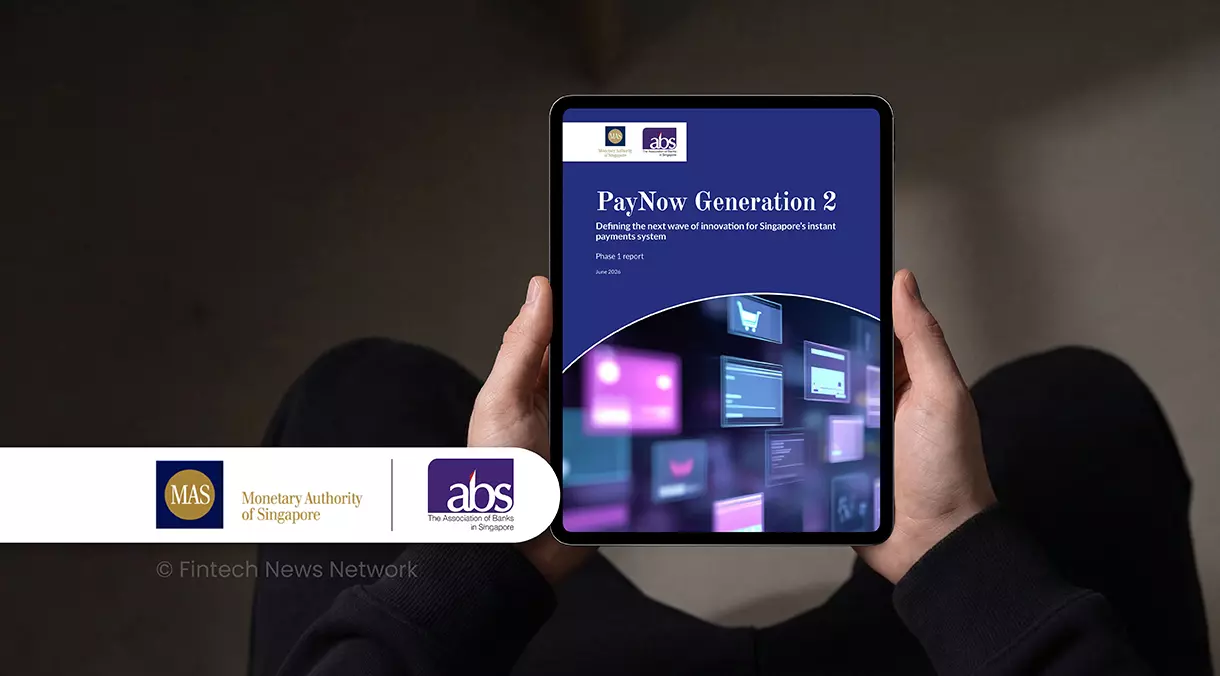
PayNow Gen2 Could Expand Beyond P2P Transfers with MAS & ABS Pilot by Year-End
- What happened: The Monetary Authority of Singapore (MAS) and Association of Banks Singapore (ABS) are piloting PayNow Gen2 upgrades that could allow consumers to scan and pay at merchants regardless of which payment scheme the merchant uses. The pilot is targeted for completion by end of 2026.
- Who's involved: MAS, ABS, local banks, and payment infrastructure providers
- Why it matters: Gen2 PayNow would transform Singapore's instant payment system from peer-to-peer transfers into a merchant payment solution, positioning the island-state as a regional leader in digital retail payments and strengthening its fintech ecosystem competitive advantage.
Startup & Funding Pulse
-
Level3AI — $13 million seed: Singapore-based AI startup raised a seed round led by Lightspeed to support R&D investment and market expansion across APAC, demonstrating investor appetite for AI-focused startups despite broader funding headwinds.
-
Crowdfunding net investment — $5.26M weekly: Regulation Crowdfunding platforms recorded $5.26 million in net investment over the week ending 27 June, tracking broader retail capital deployment into early-stage ventures.
Markets & Corporate Moves
- Shaw Towers Realty setback: High Court rejected Shaw Towers Realty's bid to lower the proposed annual value for Shaw Tower on Beach Road ahead of its tax appeal, signalling regulatory headwinds for property-linked corporate valuations in a consolidating real estate market.
Fintech, Policy & Regulation
-
PayNow Gen2 payment expansion pilot: MAS and ABS have announced Gen2 upgrades to PayNow that would extend instant payments beyond peer-to-peer transfers to merchant point-of-sale environments, with pilot completion targeted for end of 2026. This initiative strengthens Singapore's digital payments infrastructure and regional fintech leadership.
-
Singapore special financial operators (SFOs) framework adjustment: SFOs must now notify MAS, maintain a relationship with a regulated bank, and file annual returns under the revised framework—providing a one-year countdown for existing SFOs to realign operations.
Regional Context (SEA Connections)
- Singapore fintech funding leadership in ASEAN: Singapore surpassed regional peers with US$319 million in fintech funding, reinforcing its position as Southeast Asia's premier hub for digital and cross-border payments innovation. Over 98% of Singapore's adult population holds a bank account, underpinning strong digital adoption metrics.
What to Watch Next
- PayNow Gen2 pilot launch — End of 2026: Success or delays will signal Singapore's ability to execute next-generation payment infrastructure at scale.
- 5G-SA transition completion — Mid-2026: Monitor competitive outcomes post-transition; any M&A activity involving Simba or smaller players would indicate market consolidation.
- AI upskilling programme rollout — Next 12 months: Track enrollment and industry participation in the 100,000-worker AI initiative to validate ecosystem skill readiness.
Reader Action Items
- Founders & startups: Monitor the eight ESR targets closely—the SME support and AI upskilling initiatives may unlock new grant and talent pipeline opportunities; register with EnterpriseSG for funding eligibility checks.
- Investors & corporates: PayNow Gen2 and 5G-SA transitions create infrastructure-led investment opportunities in fintech and telecom vendors; consider sponsor deals or integration partnerships with infrastructure providers ahead of 2026 pilots.
Quick Hits
-
Singapore's venture funding market contracted 35% in deal volume in 2025, but AI investments made up one-third of total funding, signaling sector rotation toward AI-first startups.
-
Neobanks globally are expanding beyond payments into lending, wealth, insurance, and investing—a trend relevant to Singapore's fintech playbook as local players compete with regional and global entrants.
-
Worker disengagement is costing Singapore's economy an estimated US$73.6 billion annually in lost productivity, adding urgency to the government's AI upskilling and SME support initiatives.
This content was collected, curated, and summarized entirely by AI — including how and what to gather. It may contain inaccuracies. Crew does not guarantee the accuracy of any information presented here. Always verify facts on your own before acting on them. Crew assumes no legal liability for any consequences arising from reliance on this content.
Powered by
