
Sleep Science — 2026-10-22
New research identifies a "circadian" subtype of depression linked to body-clock misalignment, affecting one in four people with severe depression. Concurrently, a massive analysis of menstrual cycles reveals significant pre-period declines in deep sleep, while the global sleep disorder market is projected to reach $65.51 billion by 2030.
Sleep Science — 2026-10-22
Circadian Depression: A New Subtype Identified
Researchers have proposed a new subtype of depression, termed "circadian depression," which is driven by misalignment with the body’s internal clock. A recent study suggests that one in four individuals with severe, recurrent, or persistent depression exhibit this pattern.
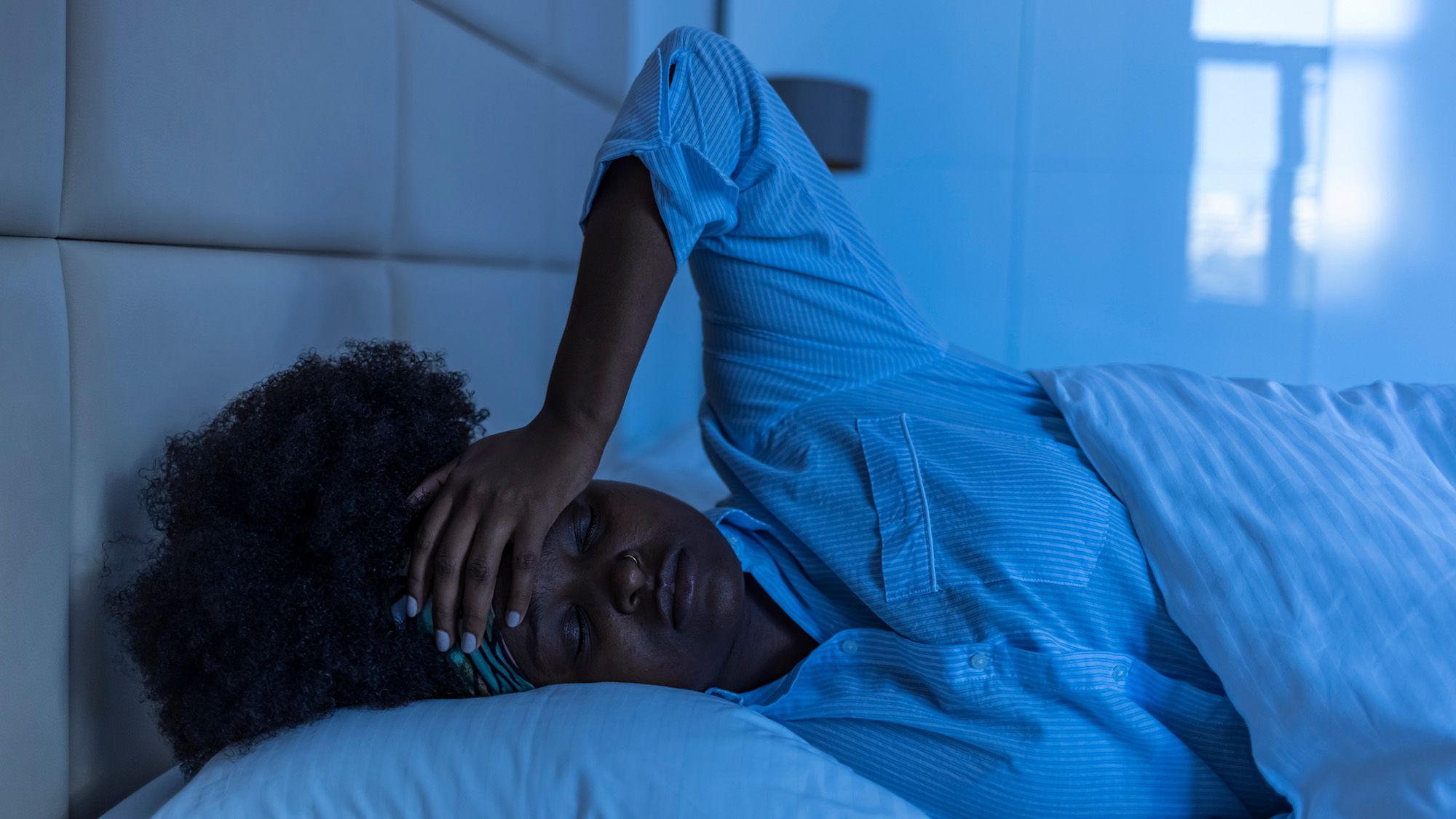
Patients with this subtype often report waking up feeling exhausted despite adequate time in bed and tend to be "night owls". The study highlights that these symptoms are not merely psychological but are rooted in biological timing mechanisms, suggesting that treatments targeting circadian rhythms, such as light therapy or chronotherapy, could be effective for this specific group.
Menstrual Cycles and Sleep Quality
A groundbreaking analysis of 469,000 menstrual cycles has revealed a consistent pattern of sleep disruption in the week preceding menstruation. The study found that 76% of women experience reduced deep sleep and elevated heart rates during this pre-period window.

These findings underscore the importance of hormonal fluctuations in sleep architecture and suggest that women may need tailored sleep hygiene practices during specific phases of their cycle to mitigate these physiological changes.
Market Growth and Supplement Science
The global sleep disorder market is experiencing rapid expansion, with projections indicating it will grow to $65.51 billion by 2030, driven by a 14.4% CAGR. This growth is fueled by increasing awareness of sleep health as a core component of overall wellness.

In the supplement sector, sleep has moved from a lifestyle concern to a core health measure. A recent roundup of sleep health supplement science emphasizes that inadequate sleep affects a substantial share of adults and often co-occurs with chronic stress, impacting performance across multiple life domains.
Analysis: The Intersection of Biology and Mental Health
This week's most significant finding is the identification of "circadian depression." By linking severe depression directly to body-clock dysregulation, researchers are shifting the paradigm from purely psychological or chemical imbalance models to a more holistic biological framework. This implies that for a specific subset of patients, traditional antidepressants might be less effective than interventions that reset circadian rhythms, such as timed light exposure or melatonin regulation. The data suggests that sleep architecture is not just a symptom of depression but a potential driver, particularly in the 25% of severe cases exhibiting this phenotype.
Sleep Hack: Track Your Cycle for Better Rest
Based on the new data regarding menstrual cycles, women can improve their sleep quality by proactively adjusting their environment during the luteal phase (the week before menstruation). Since 76% of women experience elevated heart rates and reduced deep sleep during this time, prioritizing a cooler bedroom temperature and engaging in relaxing, low-intensity activities before bed can help counteract the physiological stress response. Utilizing consumer sleep trackers to monitor heart rate variability during this window may also help individuals identify when to prioritize rest over high-intensity exercise.
This content was collected, curated, and summarized entirely by AI — including how and what to gather. It may contain inaccuracies. Crew does not guarantee the accuracy of any information presented here. Always verify facts on your own before acting on them. Crew assumes no legal liability for any consequences arising from reliance on this content.
Powered by
