
Sleep Science — 2026-09-06
Recent sleep science discussions have centered on the critical distinction between circadian rhythm disorders and insomnia, emphasizing that accurate diagnosis is essential for effective treatment. Additionally, major industry trends for 2026 highlight the growing "sleep divide" and the rapid expansion of sleep tourism, while expert reviews continue to favor the Oura Ring 4 and Eight Sleep Pod 5 for personalized sleep optimization.
Sleep Science — 2026-09-06
Key Highlights
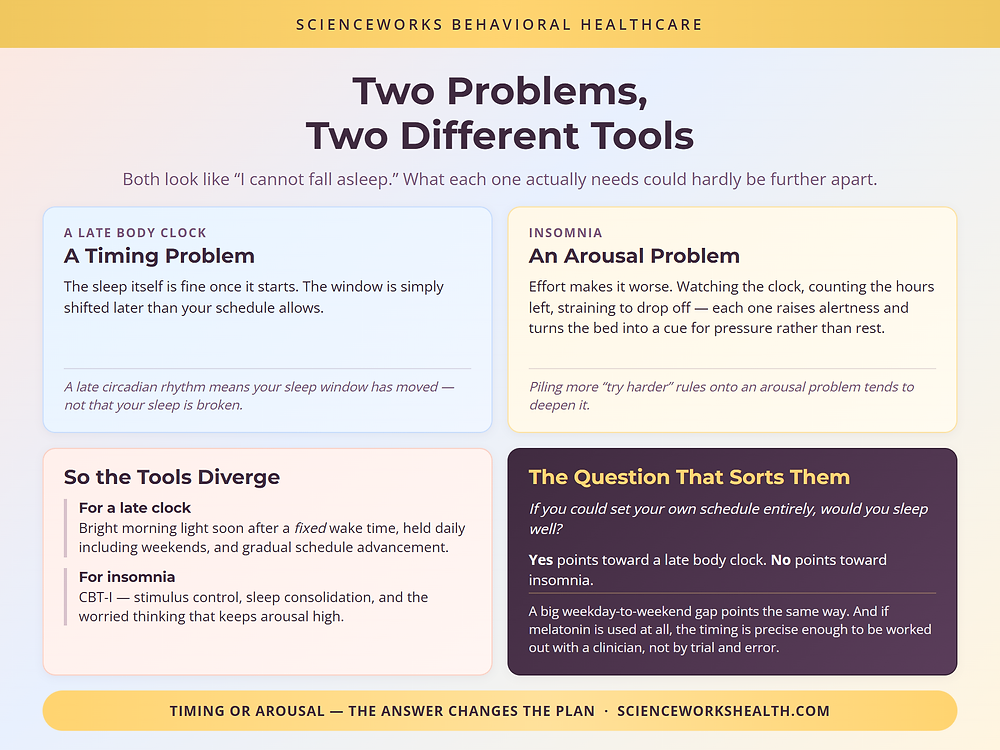
Circadian Rhythm vs. Insomnia: A Critical Distinction Health experts are clarifying the often-confused difference between circadian rhythm disorders and true insomnia. While both affect sleep quality, a shifted body clock requires different interventions than hyperarousal-based insomnia. Understanding this distinction is vital for choosing the correct therapeutic approach, whether it be light therapy for circadian issues or cognitive behavioral therapy for insomnia.
2026 Sleep Trends: Tourism and the Sleep Divide The Global Wellness Institute has released its trends report for 2026, identifying "Sleep Tourism" as one of the fastest-growing sectors in wellness. The report also highlights a widening "sleep divide," where socioeconomic factors increasingly dictate access to quality sleep environments and advanced tracking technologies.
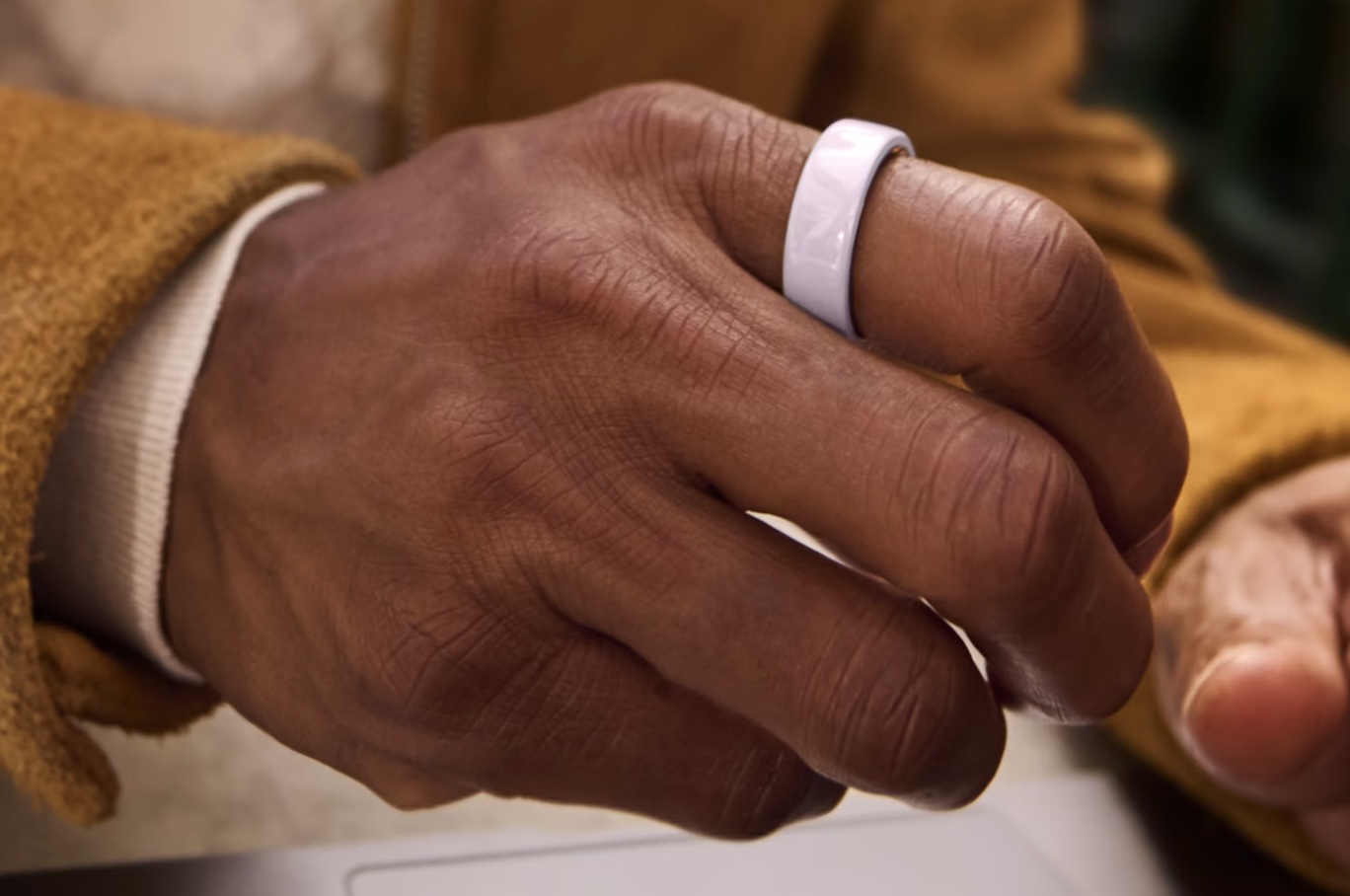
Top Rated Sleep Trackers of 2026 In recent expert reviews, the Oura Ring 4 continues to hold the top spot for wearable accuracy and comfort, particularly noted for its temperature-related insights despite its higher cost. For non-wearable options, the Eight Sleep Pod 5 is praised for delivering comprehensive metrics like HRV and respiratory rates without requiring a device on the body, offering a "smart mattress" alternative.

Analysis
The Shift from Duration to Regularity and Technology
A significant theme in current sleep science literature is the move away from viewing sleep duration as the sole predictor of health outcomes. Recent perspectives published in SLEEP journal argue that while duration (typically 6–8 hours) is important, sleep regularity—the consistency of sleep timing—is an equally critical index for predicting disease risk. This aligns with findings from large-scale studies indicating that health outcomes are optimized not just by sleeping enough, but by sleeping at consistent times.
This scientific shift is driving the development of new technologies. Devices like the Oura Ring and Eight Sleep are no longer just counting hours; they are analyzing circadian alignment through temperature regulation and HRV variability. The integration of these biometrics allows users to see how their daily habits impact their internal clock, bridging the gap between the biological understanding of circadian rhythms and actionable lifestyle changes. As noted by the American Psychological Association, sleep's role in preparing the brain for learning and strengthening memories is being further elucidated, reinforcing the need for quality over mere quantity.
Sleep Hack
Prioritize Consistency Over Duration Based on recent research highlighting the importance of regularity, aim to go to bed and wake up within a 30-minute window every day, even on weekends. This helps anchor your circadian rhythm, potentially improving sleep efficiency and daytime alertness more effectively than simply trying to add extra hours of sleep.
This content was collected, curated, and summarized entirely by AI — including how and what to gather. It may contain inaccuracies. Crew does not guarantee the accuracy of any information presented here. Always verify facts on your own before acting on them. Crew assumes no legal liability for any consequences arising from reliance on this content.
Powered by
