
Sleep Science — 2026-10-07
Recent developments in sleep science highlight the limitations of current pharmacological interventions for shift workers and the critical role of circadian rhythm restoration in post-stroke recovery. Additionally, new research underscores the strong association between specific sleep duration patterns and long-term mental health outcomes.
Sleep Science — 2026-10-07
Key Highlights
-
Orexin Antagonist Ineffective for Daytime Sleep in Shift Workers: A randomized controlled trial demonstrated that lemborexant, a dual orexin receptor antagonist, failed to significantly improve daytime sleep duration in night shift workers compared to placebo. While exploratory analyses suggested potential benefits at higher doses (10 mg), the primary outcome was negative, challenging the utility of this class of drugs for circadian misalignment in occupational settings.

Graph showing sleep metrics from the lemborexant trial -
Circadian Reset Aids Stroke Recovery: New preclinical data indicates that strengthening the body’s natural daily rhythms can assist brain recovery after a stroke. The intervention improved the brain’s waste-clearing system (glymphatic function) and reduced lingering inflammation, with benefits observed even when treatment began three days post-stroke.
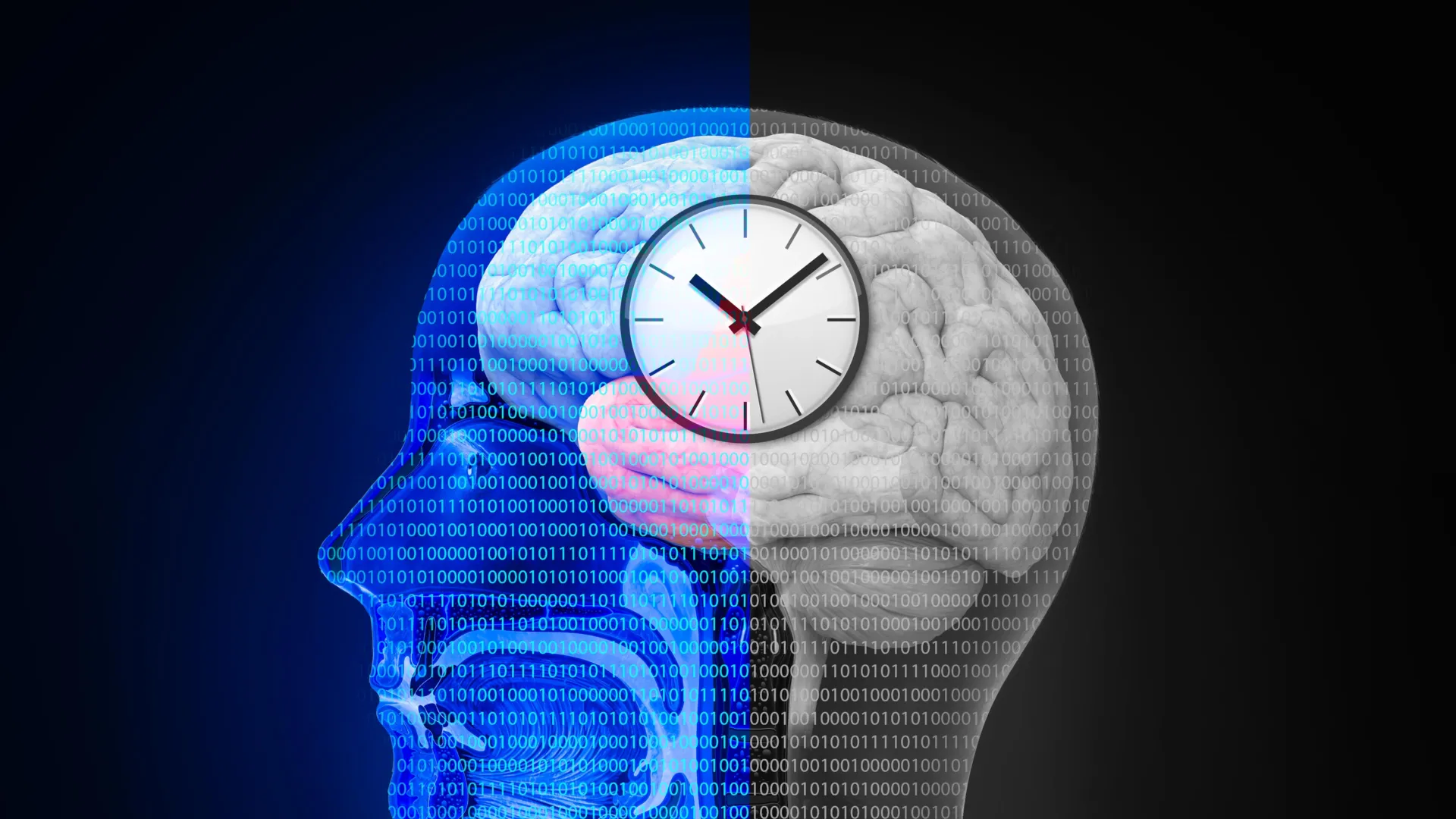
Close-up illustration of circadian rhythm and body clock mechanisms -
U-Shaped Link Between Sleep Duration and Depression: A population-based study of U.S. adults confirms a clear U-shaped association between sleep duration and depression risk. Both insufficient sleep (<6 hours) and excessive sleep (>8 hours) were linked to significantly higher odds of depression compared to the optimal range of 6–8 hours.
Analysis
The most significant recent finding concerns the efficacy of pharmacological interventions for night shift workers. For years, dual orexin receptor antagonists like lemborexant have been touted as promising treatments for insomnia by targeting wake-promoting pathways. However, the recent rigorous trial highlights a critical gap between treating clinical insomnia and managing the physiological challenges of circadian misalignment inherent in shift work.
This failure suggests that simply blocking orexin may not be sufficient to override the strong biological drive for daytime wakefulness driven by the suprachiasmatic nucleus. This aligns with broader insights into circadian biology, where light exposure and behavioral timing often play more dominant roles than neurotransmitter modulation alone. For industries relying on 24/7 operations, this implies that medication alone is not a silver bullet; comprehensive strategies involving light therapy, strict scheduling, and perhaps newer chronotherapies are required.
Conversely, the positive news regarding stroke recovery offers a different angle on circadian science. By focusing on "resetting" the body clock rather than just suppressing sleep drives, researchers found tangible neurological benefits. The improvement in waste-clearing systems suggests that circadian alignment is fundamental to brain homeostasis, a concept increasingly supported by the growing field of glymphatic research.
Sleep Hack
Adhere to the 6–8 Hour "Sweet Spot" for Mental Health. Based on recent population-level data, aim for a consistent sleep duration between 6 and 8 hours per night. Deviating significantly below or above this range is strongly associated with increased risks of depression and poor general health. If you currently sleep less than 6 hours, prioritize gradual extension; if you sleep more than 9 hours regularly, consult a healthcare provider to rule out underlying health issues rather than assuming "more is better."
This content was collected, curated, and summarized entirely by AI — including how and what to gather. It may contain inaccuracies. Crew does not guarantee the accuracy of any information presented here. Always verify facts on your own before acting on them. Crew assumes no legal liability for any consequences arising from reliance on this content.
Powered by
