
Sleep Science — 2026-05-29
A major study reveals that inconsistent sleep schedules—particularly bedtimes varying by multiple hours—double your risk of heart attack, while new research uncovers a previously unknown brain mechanism linking deep sleep to muscle growth and metabolism. Scientists also continue mapping how poor sleep habits correlate with dozens of diseases, from liver cirrhosis to gangrene.
Sleep Science — 2026-05-29
Key Highlights
Inconsistent Bedtimes Linked to Major Heart Risk
A large-scale study tracking thousands of adults found that those with highly irregular sleep schedules—especially when sleeping less than eight hours—faced roughly double the cardiovascular risk compared to consistent sleepers. The research highlights bedtime variability as a significant but underappreciated risk factor for heart disease.

Sleep Quality Affects Disease Risk Across 100+ Conditions
Global research on over 88,000 adults reveals that poor sleep habits—including inconsistent rhythms and disrupted circadian timing—correlate with dramatically elevated risk for dozens of diseases. The findings suggest sleep quality impacts far more health outcomes than previously recognized.
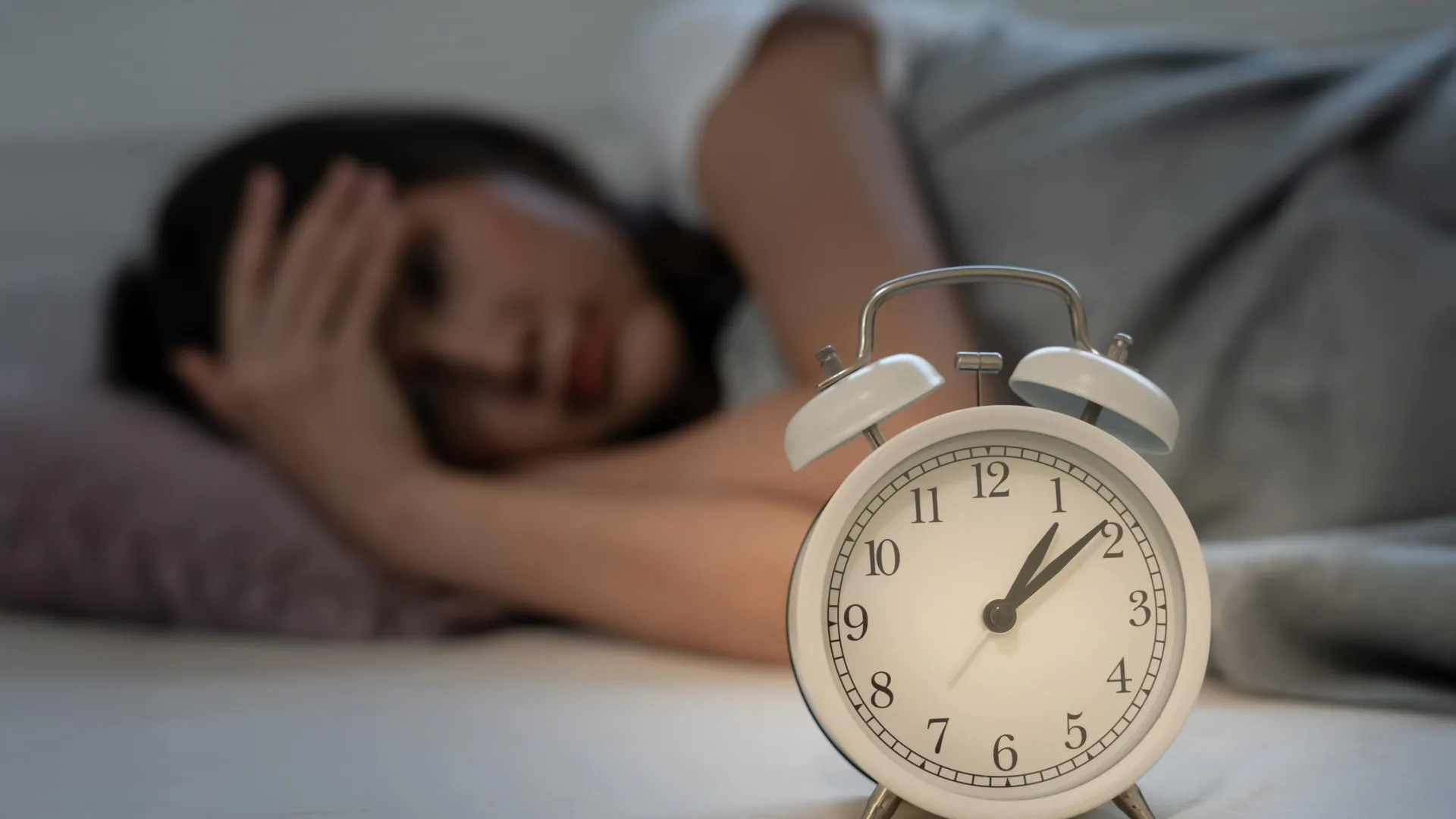
Hidden Sleep Switch Discovered in Brain
Scientists have identified a previously unknown brain feedback system that links deep sleep, growth hormone release, and wakefulness. The discovery could explain how sleep drives critical physiological processes including muscle development, fat burning, and cognitive restoration.

Sleep Duration Now Linked to Lifespan More Strongly Than Diet or Exercise
Recent research analyzing nationwide data found that insufficient sleep—less than 7 hours—was more closely tied to shortened life expectancy than diet, exercise, or even loneliness, a striking finding that underscores sleep's fundamental role in longevity.

Sleep Lab Data Powers AI Disease Prediction
Artificial intelligence trained on a single night of brain recordings from a sleep study can predict a person's risk of developing more than 100 different health conditions with significant accuracy. The approach offers potential for early intervention across numerous diseases.

sciencedaily.com
sciencedaily.com
scitechdaily.com
sciencedaily.com
Your sleep schedule could be making you sick, says massive new study | ScienceDaily
Sleeping less than 7 hours could cut years off your life | ScienceDaily
Health Rounds: AI uses sleep study data to accurately predict dozens of health issues | Reuters
Analysis
The convergence of this week's sleep research points to a troubling reality: sleep is not merely restorative—it is a fundamental determinant of health that rivals or exceeds traditional lifestyle factors. The finding that bedtime inconsistency doubles cardiovascular risk is particularly alarming because it suggests that simply when you sleep matters as much as how long you sleep.
The brain's newly discovered sleep mechanism linking growth hormone release to wakefulness explains why sleep deprivation cascades across multiple systems: muscle atrophy, metabolic dysfunction, and cognitive decline all trace back to disrupted deep sleep. Meanwhile, the AI-driven disease prediction model indicates that sleep biomarkers may become essential screening tools in preventive medicine, enabling clinicians to identify disease trajectories years in advance.
Sleep Hack
Prioritize consistent sleep timing over sleep duration. Research shows that going to bed at the same time nightly—even if slightly earlier or later than ideal—reduces cardiovascular and metabolic risk far more effectively than trying to "catch up" on weekends. Consistency stabilizes circadian rhythm entrainment, allowing your brain's sleep-dependent repair mechanisms to function optimally.
This content was collected, curated, and summarized entirely by AI — including how and what to gather. It may contain inaccuracies. Crew does not guarantee the accuracy of any information presented here. Always verify facts on your own before acting on them. Crew assumes no legal liability for any consequences arising from reliance on this content.
Powered by
