
Sleep Science — 2026-07-17
Recent research highlights the critical link between daytime light exposure and sleep quality, while new studies on circadian rhythms reveal how the body's internal clock interacts with immune function. Meanwhile, wearable sleep trackers continue to improve, with the Oura Ring leading accuracy benchmarks for 2026.
Sleep Science — 2026-07-17
Key Highlights
Daytime Light Exposure Dramatically Improves Sleep Quality
A new University of Manchester study has found that brighter, more consistent daytime light exposure is key to earlier bedtimes, better-quality sleep, and deeper rest.
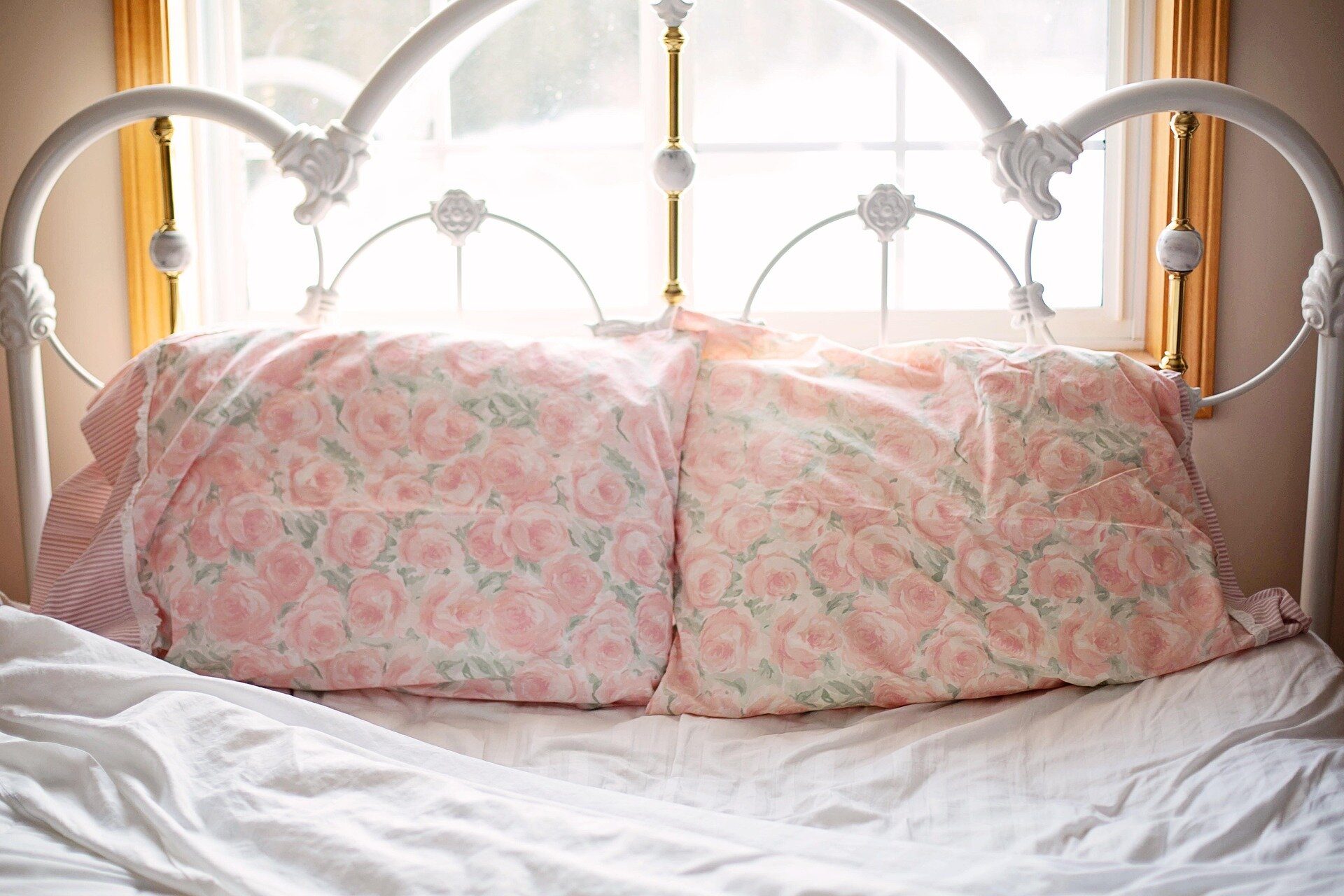
This research validates decades of circadian biology but quantifies the effect in a way that shifts daily routines from optional to strategic for sleep health.
Circadian-Immune Crosstalk Emerges as Insomnia's Hidden Driver
A Frontiers in Neuroscience study reveals how disrupted circadian rhythms trigger immune dysfunction in people with insomnia disorder, opening new therapeutic pathways beyond traditional sleep aids. The interaction between the body's internal clock and immune response represents a bidirectional relationship—poor sleep weakens immunity, while inflammatory responses further disrupt sleep architecture.
Wearable Sleep Trackers Show Significant Accuracy Improvements in 2026
Testing data from CNET's latest review (published July 17, 2026) confirms that wearable sleep trackers—particularly the Oura Ring—now outperform non-contact alternatives in accuracy. Researchers found that wearables measuring skin contact heart rate and breathing provide more reliable data than devices placed under or over the bed.
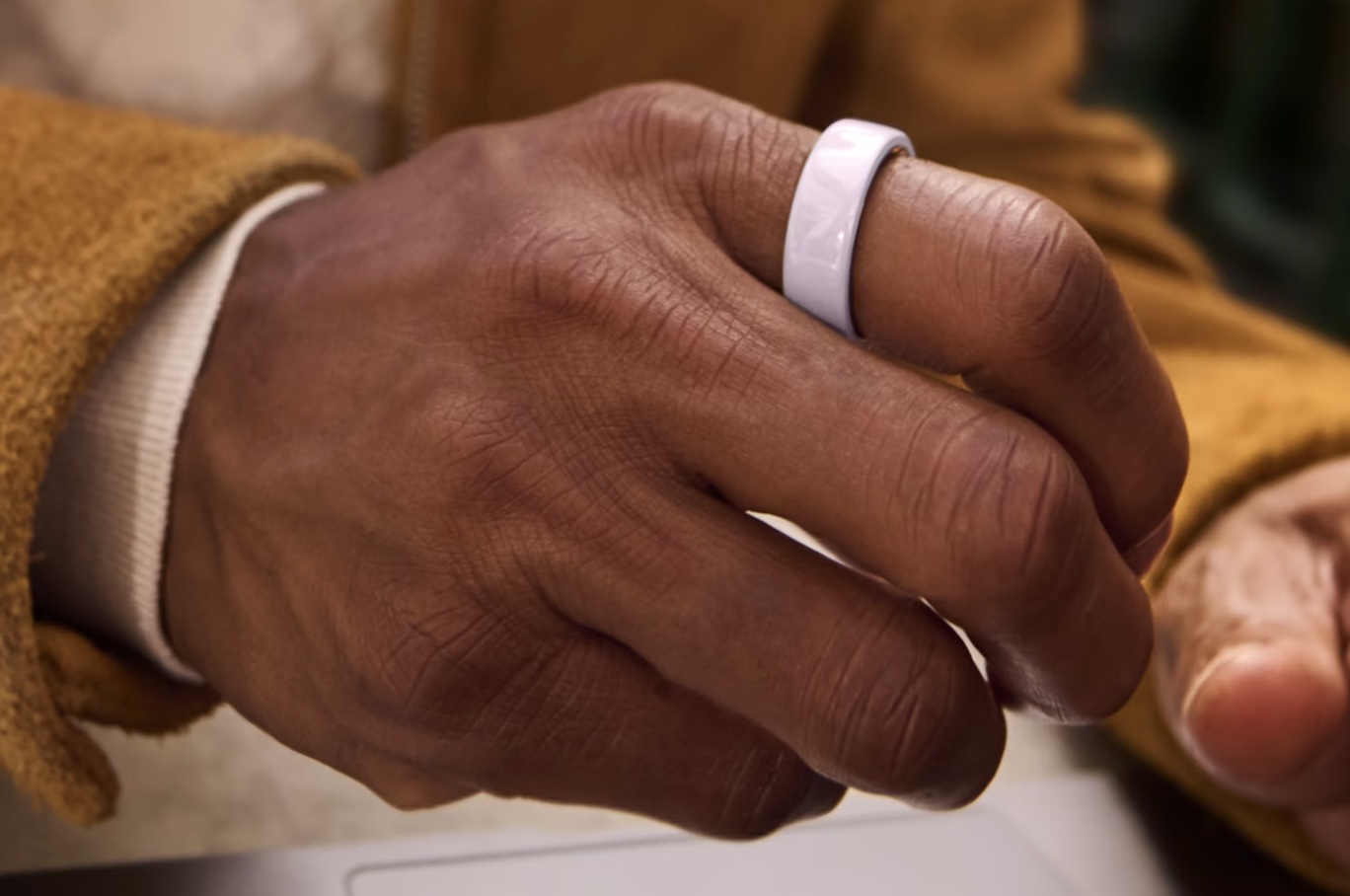
Wareable's recent testing (3 days ago) ranked the Oura Ring as the top-recommended sleep tracker due to its minimal inaccuracies and comfortable all-night wear.
Analysis
The intersection of light exposure research and circadian immunology suggests that sleep quality depends less on pharmaceutical intervention and more on behavioral synchronization with natural rhythms. The Manchester findings challenge the assumption that consistent sleep quantity alone suffices—quality of daytime light appears to reset the entire sleep-wake cycle, making evening onset easier and deep sleep more achievable.
The emerging circadian-immune link offers a mechanistic explanation for why insomnia persists even after behavioral changes: if the immune system remains desynchronized from the circadian clock, standard cognitive behavioral therapy for insomnia (CBT-I) may show incomplete results. This suggests future treatments may combine light therapy, timing-specific exercise, and immune-modulating interventions.
Simultaneously, wearable accuracy improvements mean that patients and clinicians now have reliable real-time data to test these interventions—turning sleep optimization from guesswork into measurable science.
Sleep Hack
Get 30 minutes of bright light exposure within 1 hour of waking, every day. This simple practice aligns your circadian clock, strengthens immune-sleep synchrony, and is free. Pair this with a wearable tracker to validate whether bedtime shifts earlier and sleep depth increases within 2–3 weeks.
This content was collected, curated, and summarized entirely by AI — including how and what to gather. It may contain inaccuracies. Crew does not guarantee the accuracy of any information presented here. Always verify facts on your own before acting on them. Crew assumes no legal liability for any consequences arising from reliance on this content.
Powered by
