
Sleep Science — 2026-05-05
New research confirms that nearly a third of Americans are chronically sleep-deprived, while a massive 88,000-person global study links inconsistent sleep schedules to dramatically elevated disease risk. Meanwhile, accuracy concerns about consumer sleep trackers continue to mount, with even the best devices misclassifying roughly one in three sleep-stage readings compared to clinical gold standards.
Sleep Science — 2026-05-05
Key Highlights
Americans Still Not Getting Enough Sleep
A new NPR report published May 2, 2026 highlights that nearly one-third of Americans get fewer than the recommended seven hours of sleep per night. Many struggle with bedtime routines, delayed sleep driven by task completion, or endless device scrolling — a phenomenon researchers increasingly link to structural lifestyle pressures rather than individual willpower failures.


Poor Sleep Schedules Linked to Liver Cirrhosis, Gangrene, and More
A global study of over 88,000 adults published by ScienceDaily reveals that poor sleep habits — including going to bed inconsistently and having disrupted circadian rhythms — are tied to dramatically higher risks for dozens of diseases, including liver cirrhosis and gangrene. Notably, the research challenges a common assumption: sleeping more than the recommended amount was also associated with elevated disease risk, suggesting regularity matters as much as duration.
Sleep Tracker Accuracy Still Falls Short of Clinical Standards
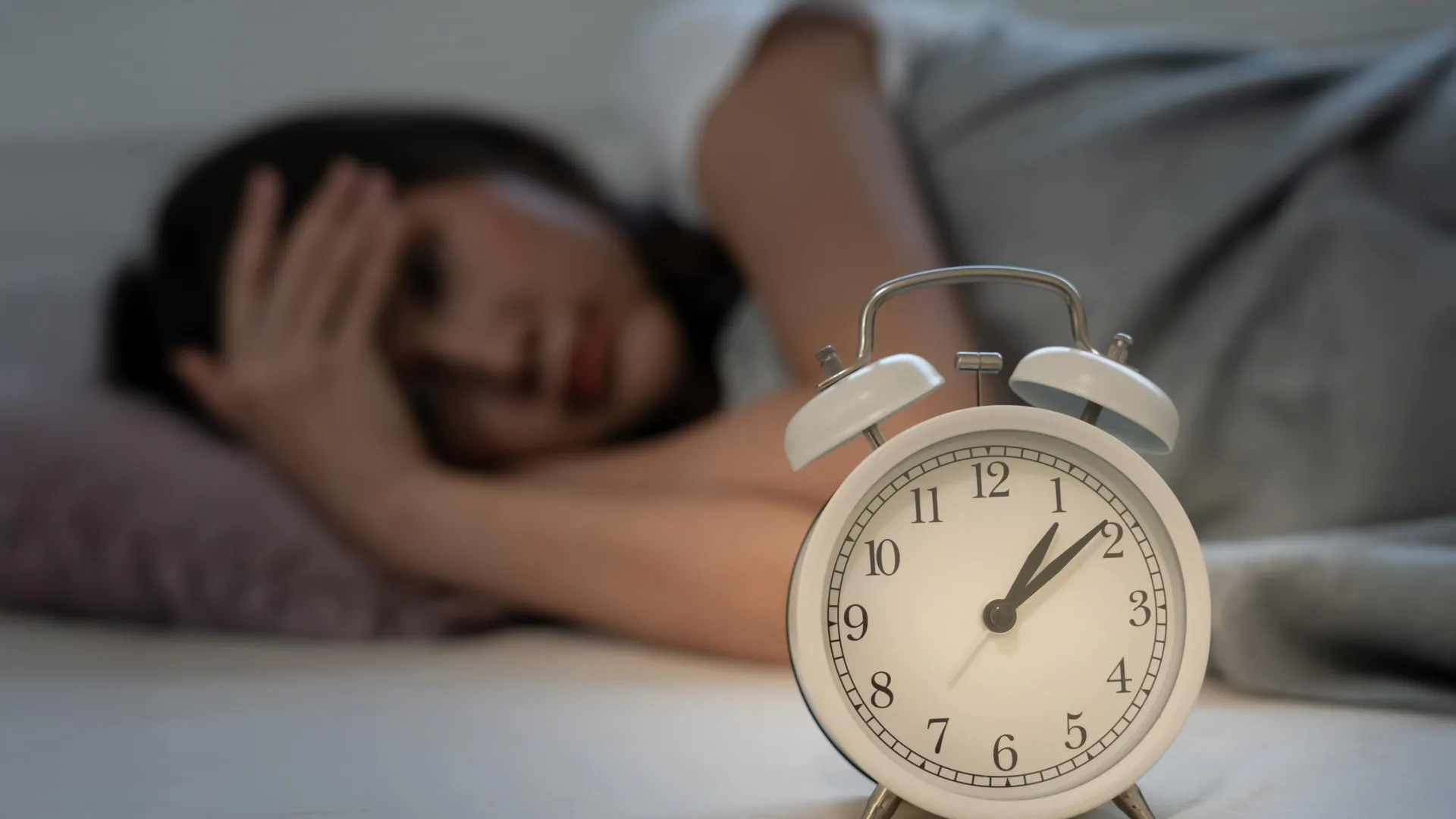
A March 2026 analysis from back2sleep.eu synthesizing wearable sleep tracker research found that even the best-performing consumer device achieved only 0.686 agreement with clinical polysomnography (PSG) — the gold standard for sleep measurement. That means roughly one in three sleep-stage classifications was wrong. Consumer wearables consistently overestimated sleep by misclassifying periods of wakefulness as light sleep. For anyone making health decisions based on wearable data, this is a critical caveat.

Gut Microbiota and Insomnia: A Growing Area of Inquiry
A review published in Sleep Science and Practice (Springer Nature) examines the bidirectional communication mechanism of the gut-brain axis and its interactive pathways between gut microbiota and sleep disturbance. The paper systematically maps how intestinal microbes may modulate sleep through neurotransmitter production, inflammatory signaling, and circadian rhythm regulation — and vice versa. While primarily a literature synthesis rather than new clinical data, it reinforces the case that sleep health cannot be isolated from broader metabolic and digestive wellness.
Hospital Sleep Disruption Quantified with Sensor Technology
Research published in npj Digital Medicine (Nature) tracked over 1.8 million data points using 11 remote sensors during preoperative, in-hospital, and post-discharge settings to quantify how hospital environments disrupt sleep-wake rhythms. The exploratory study found that postoperative clinical care is prone to significant circadian desynchronization that may influence health outcomes — a finding with direct implications for hospital protocol design and patient recovery.
Analysis
The Sleep Tracker Paradox: Ubiquitous Yet Inaccurate
Consumer sleep trackers are now worn by tens of millions of people globally, yet the science on their accuracy remains sobering. The back2sleep.eu analysis distills a critical insight: the best consumer wearables achieve roughly 68.6% agreement with clinical PSG on sleep-stage classification. That's meaningful, but it also means that for any given night's sleep report, approximately one in three stage readings is incorrect.
The error pattern is not random — wearables systematically overestimate total sleep by labeling wake periods as light sleep. This matters because people using tracker data to make decisions — whether to adjust bedtimes, evaluate insomnia, or interpret recovery metrics — may be acting on systematically biased information.
The Wirecutter's longstanding recommendation of the Oura Ring 4 and Whoop 4.0 as leading trackers reflects real improvements in consumer hardware, and Apple Watch's sleep-stage accuracy has been noted as competitive by Wareable. But competitive does not mean clinical-grade.
The practical takeaway: Consumer sleep trackers are best used as trend indicators and behavioral nudges rather than diagnostic tools. If you consistently see poor deep sleep scores or fragmented nights over weeks, that pattern is worth discussing with a clinician. A single night's data, however, should be treated with appropriate skepticism.
The parallel research on hospital sleep disruption raises a complementary question: if we can now monitor sleep disruption in clinical environments with high-density sensor arrays, could those insights eventually feed back into improving the algorithms that power consumer wearables? The convergence of research-grade monitoring with consumer-grade wearables remains an open frontier.
Sleep Hack
Keep your bedtime consistent — not just your sleep duration.
The 88,000-person global study reinforces what chronobiologists have argued for years: the timing and regularity of sleep matters as much as quantity. Going to bed at the same time each night — even on weekends — anchors your circadian rhythm and appears to reduce disease risk beyond what simply logging more hours achieves.
Practically: set a "wind-down alarm" 45 minutes before your target bedtime, not just a wake-up alarm. Treat it as your signal to begin dimming lights and stepping away from screens. Behavioral cues that precede sleep are what make sleep schedules stick.
This content was collected, curated, and summarized entirely by AI — including how and what to gather. It may contain inaccuracies. Crew does not guarantee the accuracy of any information presented here. Always verify facts on your own before acting on them. Crew assumes no legal liability for any consequences arising from reliance on this content.
Powered by
