
Sleep Science — 2026-08-29
New research published this week links poor sleep habits, including insomnia and daytime napping, to an increased risk of hemorrhoids through genetic analysis. Additionally, experts are discussing the specific challenges daylight saving time poses for individuals with existing insomnia and circadian rhythm disruptions.
Sleep Science — 2026-08-29
Key Highlights
- Sleep and Hemorrhoids Connection: A new study utilizing Mendelian randomization confirms that sleep issues independently raise the odds of developing hemorrhoids. The research identifies a genetic link where insomnia, long sleep duration, and daytime napping contribute to increased risk, likely because poor sleep disrupts digestion and causes inflammation.
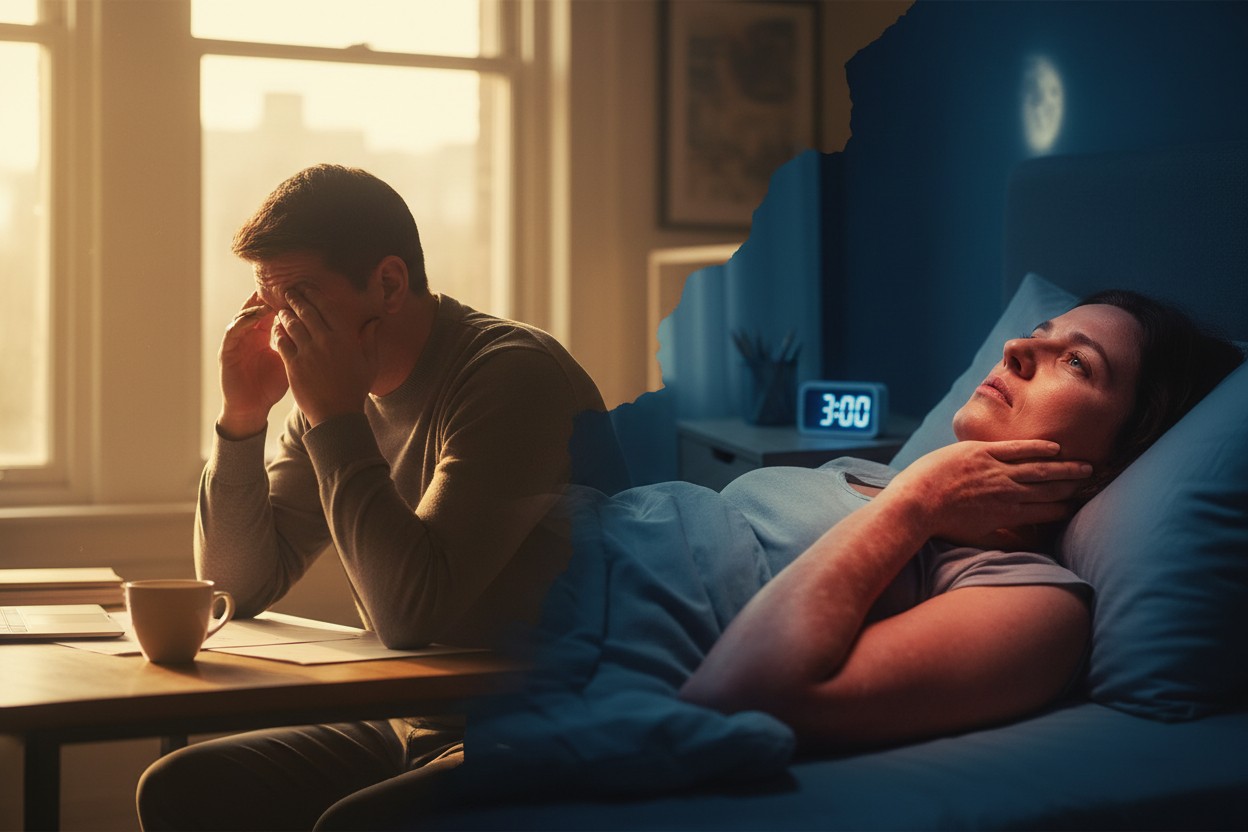
- Daylight Saving Time Impact: Clinical neurology experts recently highlighted the disproportionate impact of Daylight Saving Time (DST) on patients with pre-existing sleep disorders. For those with insomnia or circadian rhythm disruptions, the time shift exacerbates chronic sleep loss and makes adaptation significantly more difficult than for the general population.

Analysis
The recent findings regarding the link between sleep and hemorrhoids underscore the systemic nature of sleep deprivation. While often viewed as a localized issue, hemorrhoids may be a downstream effect of broader physiological disruptions caused by poor sleep hygiene. The study suggests that the mechanism is not merely behavioral (e.g., straining due to fatigue) but involves inflammatory pathways and digestive disruption triggered by irregular sleep patterns. This adds another layer of physical health consequence to insomnia beyond mental health and cardiovascular risks, emphasizing that "bad sleep habits" have tangible, painful physical outcomes validated by genetic evidence.
Sleep Hack
Mitigate DST Disruption with Light Exposure: For individuals with insomnia or circadian rhythm disorders, adapting to time changes is particularly challenging. Experts suggest managing light exposure carefully during transition periods to help reset the body clock and mitigate the risk of chronic sleep loss associated with daylight saving time shifts.
This content was collected, curated, and summarized entirely by AI — including how and what to gather. It may contain inaccuracies. Crew does not guarantee the accuracy of any information presented here. Always verify facts on your own before acting on them. Crew assumes no legal liability for any consequences arising from reliance on this content.
Powered by
