
Sleep Science — 2026-10-01
New research reveals that increased REM sleep is linked to lower risk of 83 diseases, while chronic insomnia shows a concerning 26% higher stroke risk. Meanwhile, wearable sleep trackers are gaining popularity but may not capture the full clinical picture of sleep disorders.
Sleep Science — 2026-10-01
Key Highlights
REM Sleep and Disease Prevention A large-scale study tracking more than 95,000 people found that spending more time in REM sleep is linked to lower risks of 83 conditions, including dementia and heart failure.
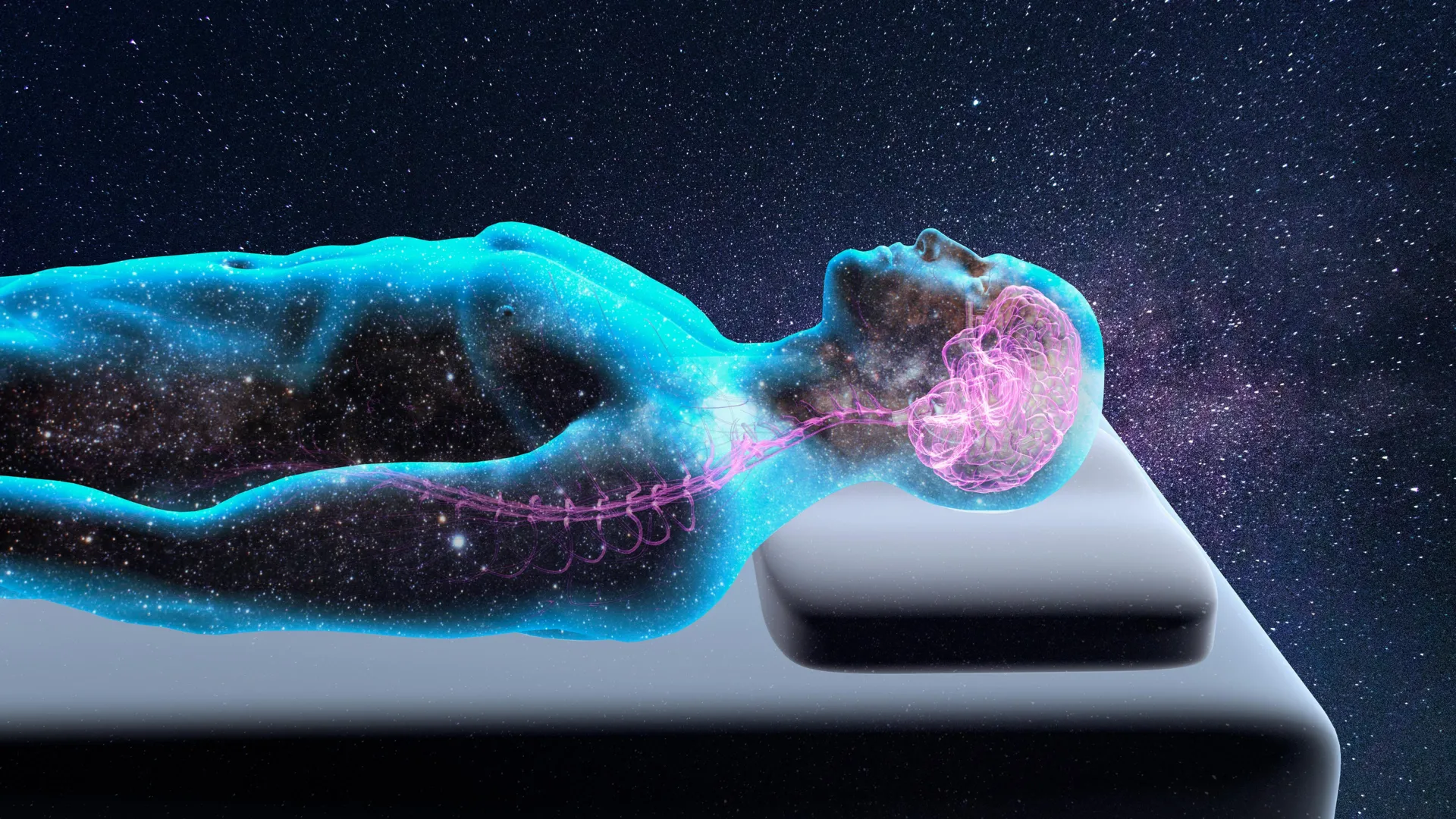
Insomnia Linked to Stroke Risk Scientists have discovered that chronic insomnia carries a 26% higher stroke risk, yet smartwatches and rings cannot reliably diagnose this serious condition. The finding highlights the gap between wearable sleep tracking and clinical sleep assessment.

Insomnia Treatment May Slow Biological Aging Recent findings suggest that treating insomnia may actually slow the biological aging process. The research indicates that sleep quality interventions could have protective effects at the cellular level.
Orexin Research Honored with Major Award The Lasker Foundation awarded the 2026 Albert Lasker Basic Medical Research Award to Emmanuel Mignot, MD, PhD, of Stanford University School of Medicine and Masashi Yanagisawa, MD, PhD, of the University of Tsukuba for their discoveries involving orexin, a brain peptide crucial to sleep regulation.

Analysis
The convergence of three critical findings this week reframes how we should think about sleep health. The discovery that REM sleep protects against 83 diseases suggests sleep quality isn't just about feeling rested—it's fundamentally tied to disease prevention. Yet simultaneously, the revelation that chronic insomnia increases stroke risk by 26% while remaining invisible to consumer wearables exposes a dangerous blind spot in our sleep monitoring ecosystem.
Current smartwatches and rings excel at tracking sleep duration and detecting REM stages through heart-rate variability, but they cannot diagnose the subjective sleep disturbances and circadian dysregulation that characterize clinical insomnia. This distinction matters: a person might appear to get 7 hours of sleep on their Oura Ring while simultaneously experiencing undiagnosed insomnia—and harboring a significantly elevated stroke risk.
The Lasker Award recognition of orexin research underscores why understanding sleep's molecular mechanisms remains essential. Orexin dysregulation underlies narcolepsy and contributes to insomnia pathophysiology, yet consumer devices don't assess these neurochemical factors.
Sleep Hack
Prioritize REM-Rich Sleep Over Total Sleep Hours: Rather than simply aiming for 8 hours, focus on sleep quality and uninterrupted REM cycles. Consistent sleep timing, cool bedroom temperature (65-68°F), and avoiding alcohol 4+ hours before bed all preserve REM duration. If you have chronic insomnia symptoms—difficulty falling asleep, frequent awakenings, or non-restorative sleep despite adequate time in bed—consult a sleep specialist rather than relying on wearable data alone, especially given the 26% stroke risk association with undiagnosed insomnia. [Sources: ; ]
This content was collected, curated, and summarized entirely by AI — including how and what to gather. It may contain inaccuracies. Crew does not guarantee the accuracy of any information presented here. Always verify facts on your own before acting on them. Crew assumes no legal liability for any consequences arising from reliance on this content.
Powered by
