
Sleep Science — 2026-09-19
This week's sleep science news is dominated by a breakthrough in identifying the specific brain cells responsible for initiating sleep and a major recognition of orexin research by the Lasker Award. Additionally, new data suggests that specific sleep stages, rather than just total duration, are critical for health outcomes.
Sleep Science — 2026-09-19
Key Highlights
-
Rare Cells Identified as Sleep Triggers: Researchers have discovered rare cells with widespread connectivity in the brain that appear to be capable of triggering sleep. This finding offers a potential new target for treating insomnia and other sleep disorders.
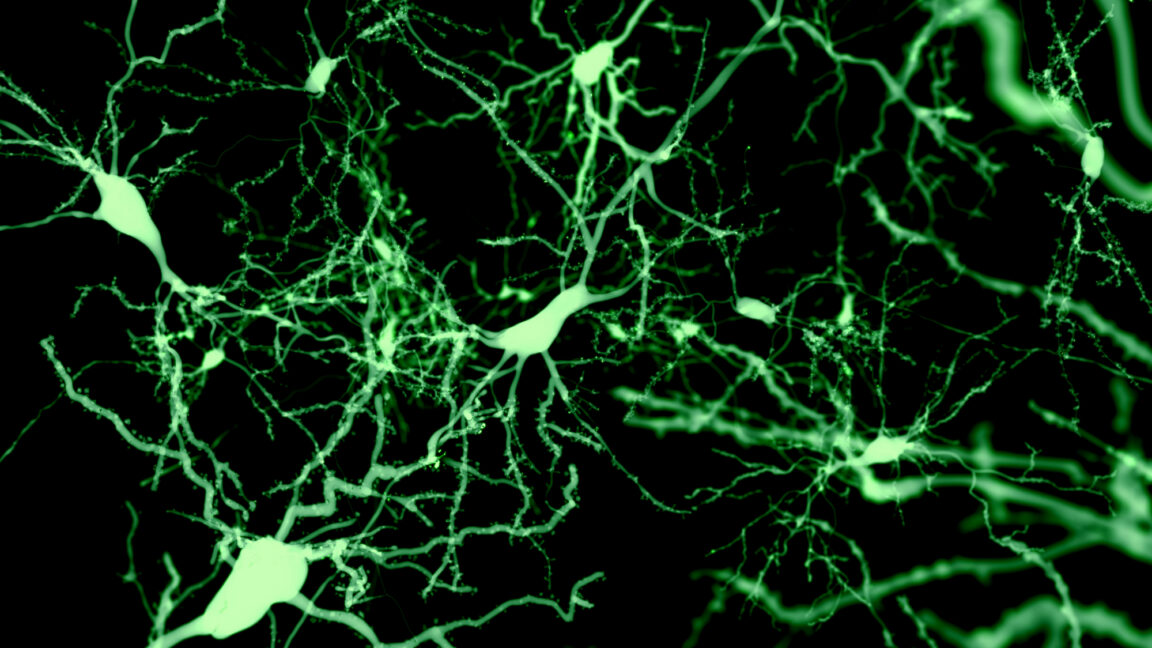
Diagram illustrating neural connectivity of sleep-triggering cells -
Lasker Award Honors Orexin Discoveries: Sleep researchers Emmanuel Mignot and Masashi Yanagisawa were honored with the 2026 Lasker Award for their pioneering discoveries regarding orexin and narcolepsy. This recognition underscores the critical role of neuropeptides in regulating wakefulness and sleep stability.
Image of award ceremony or researchers related to Lasker Award -
Sleep Stages vs. Total Duration: A large prospective study published in PLOS Medicine on September 17, 2026, indicates that rapid eye movement (REM) and deep sleep stages are more strongly linked to health outcomes than total sleep duration alone. This suggests that the quality and structure of sleep may be more important than the sheer number of hours slept.
Visual representation of sleep stages or study data
Analysis
The identification of specific "sleep-triggering" cells represents a significant leap in understanding the biological mechanisms of consciousness transition. While previous research focused heavily on homeostatic pressure (the buildup of adenosine and other metabolites during wakefulness), this new finding highlights a discrete neural circuitry that actively initiates the sleep state. The widespread connectivity of these rare cells suggests they act as a master switch, potentially coordinating multiple brain regions simultaneously to induce sleep. This could explain why some individuals struggle with insomnia despite high homeostatic sleep pressure—their "switch" mechanism may be impaired rather than their "pressure" accumulation.
Sleep Hack
Prioritize Deep and REM Sleep Over Total Hours: Based on the recent PLOS Medicine study, focus on optimizing your environment for uninterrupted deep and REM cycles rather than just extending time in bed. Ensure your bedroom is cool (around 65°F/18°C) and dark, as these conditions facilitate deeper sleep stages which are now shown to be more predictive of health benefits than total duration.
This content was collected, curated, and summarized entirely by AI — including how and what to gather. It may contain inaccuracies. Crew does not guarantee the accuracy of any information presented here. Always verify facts on your own before acting on them. Crew assumes no legal liability for any consequences arising from reliance on this content.
Powered by
