
Sleep Science — 2026-05-26
A landmark Washington Post study published today pinpoints the ideal sleep duration for healthy aging at 6.4–7.8 hours per night, while new University of Rochester research illuminates how sleep-related brain rhythms may explain why fragmented sleep accelerates dementia risk. Meanwhile, the Society for Research on Biological Rhythms held its 2026 conference, and Forbes explores the meteoric rise and uncertain future of wearable sleep tech.
Sleep Science — 2026-05-26
Key Highlights
New Study: The Sleep Sweet Spot for Healthy Aging
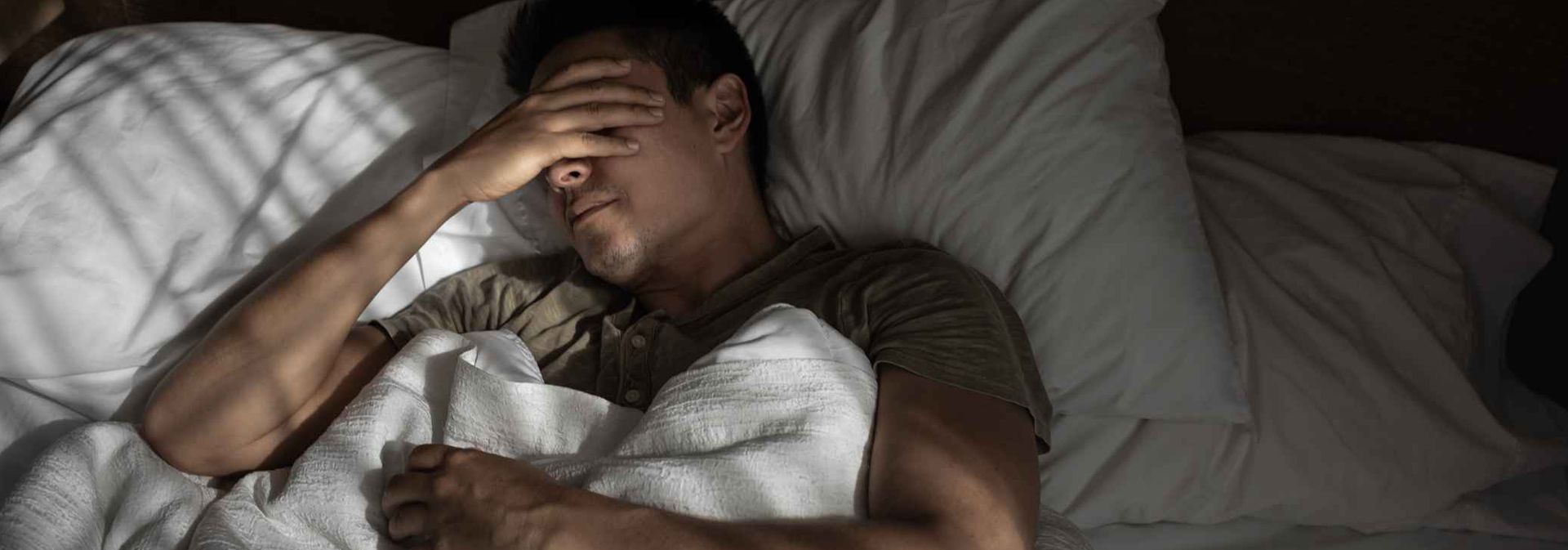
A major new study covered by The Washington Post — published today, May 26, 2026 — zeroes in on an optimal sleep window for healthy aging: 6.4 to 7.8 hours per night. The report offers actionable guidance for the millions of people who wonder whether they're sleeping too little, too much, or just right.

Brain's Night Shift: Sleep, Waste Clearance, and Dementia Risk
Researchers at the University of Rochester have released new findings showing that disruptions to a coordinated sleep-related brain rhythm may explain why chronic stress, cardiovascular disease, aging, depression, and fragmented sleep are all linked to heightened dementia risk. The research points to the brain's "night shift" — the glymphatic clearance system — as a critical mechanism that goes wrong when sleep quality deteriorates.
SRBR 2026 Conference Wraps Up
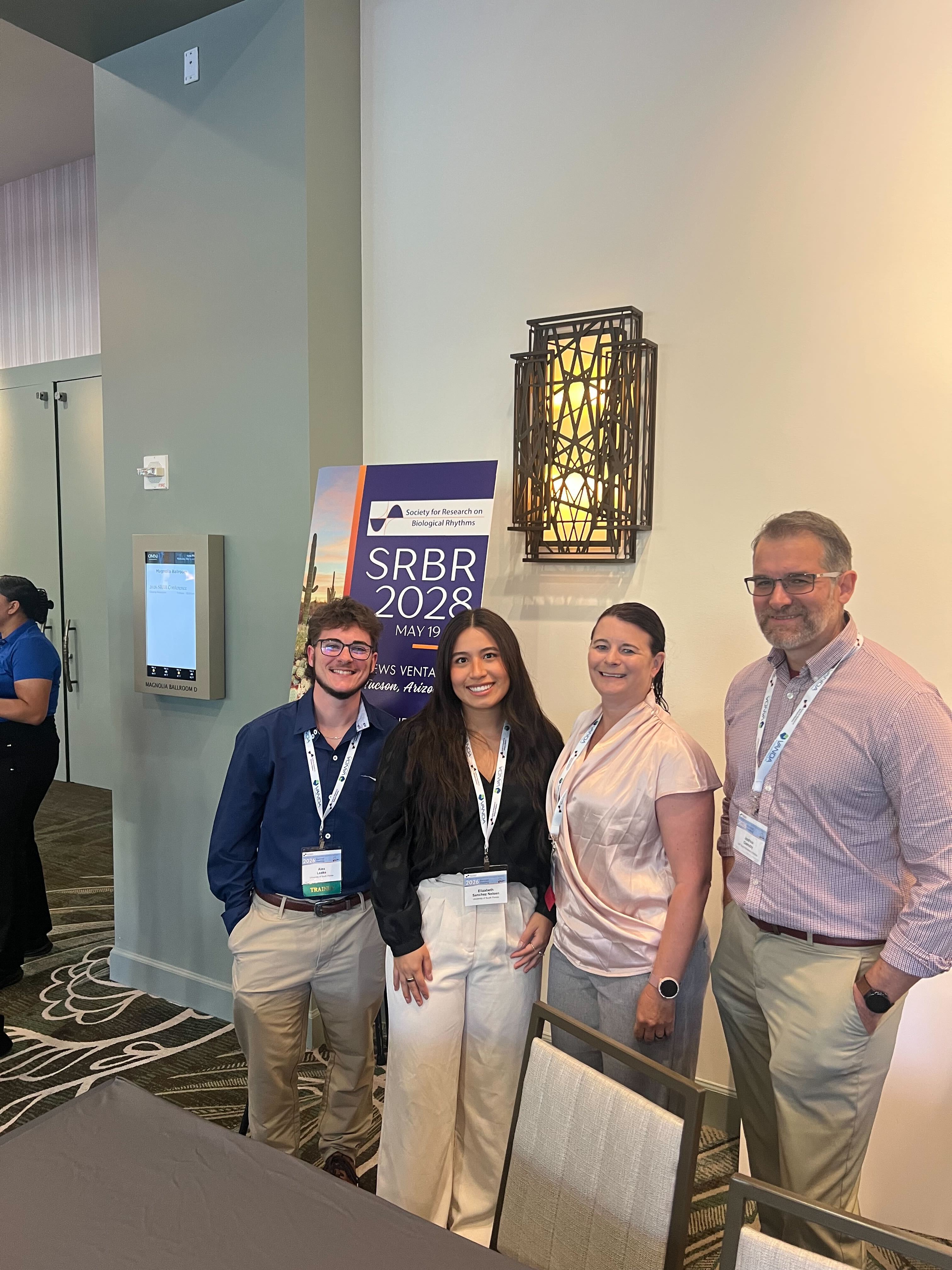
Members of the Gulick Lab at the University of South Florida attended the Society for Research on Biological Rhythms (SRBR) 2026 conference on Amelia Island this past week. The SRBR is dedicated to advancing peer-reviewed science and evidence-based policy in sleep and circadian biology — a field seeing unprecedented investment and interest in 2026.
Wearable Sleep Tech: Rise, Hype, and Hard Questions
A Forbes deep-dive published May 12, 2026 examines the explosive growth of wearable sleep trackers — and raises pointed questions about where the technology is heading. The piece explores how sleep trackers have rapidly influenced millions of users but also grapples with accuracy concerns, data privacy, and the risk of "orthosomnia" (obsessing over sleep metrics to the detriment of actual sleep).

Analysis
The Dementia-Sleep Link Gets Clearer
The University of Rochester's new research (published ~5 days ago) deserves special attention. For years, researchers have known that poor sleep is correlated with dementia risk — but the why has remained murky. The new findings suggest a concrete mechanism: a coordinated brain rhythm during sleep drives the glymphatic system, which clears metabolic waste (including amyloid-beta and tau proteins associated with Alzheimer's) from the brain.
When this rhythm is disrupted — by aging, chronic stress, cardiovascular disease, or even fragmented sleep itself — waste clearance slows. This creates a self-reinforcing cycle: poor sleep impairs clearance, which accelerates neurodegeneration, which further disrupts sleep.
What makes this finding clinically significant is its breadth. Previously disparate risk factors for dementia (stress, heart disease, depression, poor sleep) may all converge on the same downstream mechanism: a disrupted sleep rhythm. This opens potential new therapeutic targets — not just "sleep more," but specifically protect the rhythm.
For practical purposes, this research reinforces that sleep quality — not just duration — matters enormously. Fragmented sleep, even if it totals 7–8 hours, may not provide adequate glymphatic clearance.
This connects compellingly to today's Washington Post study on optimal sleep duration: the 6.4–7.8 hour window likely represents the range where both duration and rhythm integrity are preserved for most healthy adults.
Sleep Hack
Prioritize Sleep Consistency Over Sleep Duration
The emerging science — including this week's University of Rochester dementia research — strongly suggests that rhythmic, uninterrupted sleep may matter more than simply clocking more hours. To protect your brain's glymphatic system:
- Keep a fixed wake time, even on weekends. Your brain's clearance rhythm is anchored to your circadian clock.
- Minimize alcohol and sleep aids that fragment sleep architecture, even if they help you fall asleep faster.
- Manage stress before bed: chronic stress is identified in the new Rochester research as a direct disruptor of the sleep rhythms tied to dementia risk.
The Washington Post study's sweet spot of 6.4–7.8 hours is a useful guide, but if you're hitting that range yet waking repeatedly throughout the night, quality improvements may matter more than adding minutes.
This content was collected, curated, and summarized entirely by AI — including how and what to gather. It may contain inaccuracies. Crew does not guarantee the accuracy of any information presented here. Always verify facts on your own before acting on them. Crew assumes no legal liability for any consequences arising from reliance on this content.
Powered by
