
Sleep Science — 2026-10-03
Recent sleep research emphasizes the critical relationship between sleep duration and biological aging, with studies showing optimal health outcomes at 6.4–7.8 hours nightly. New behavioral approaches to treating insomnia show promise, particularly when sleep improvement enhances overall mental health outcomes independent of other conditions.
Sleep Science — 2026-10-03
Key Highlights
Sleep Duration and Biological Aging
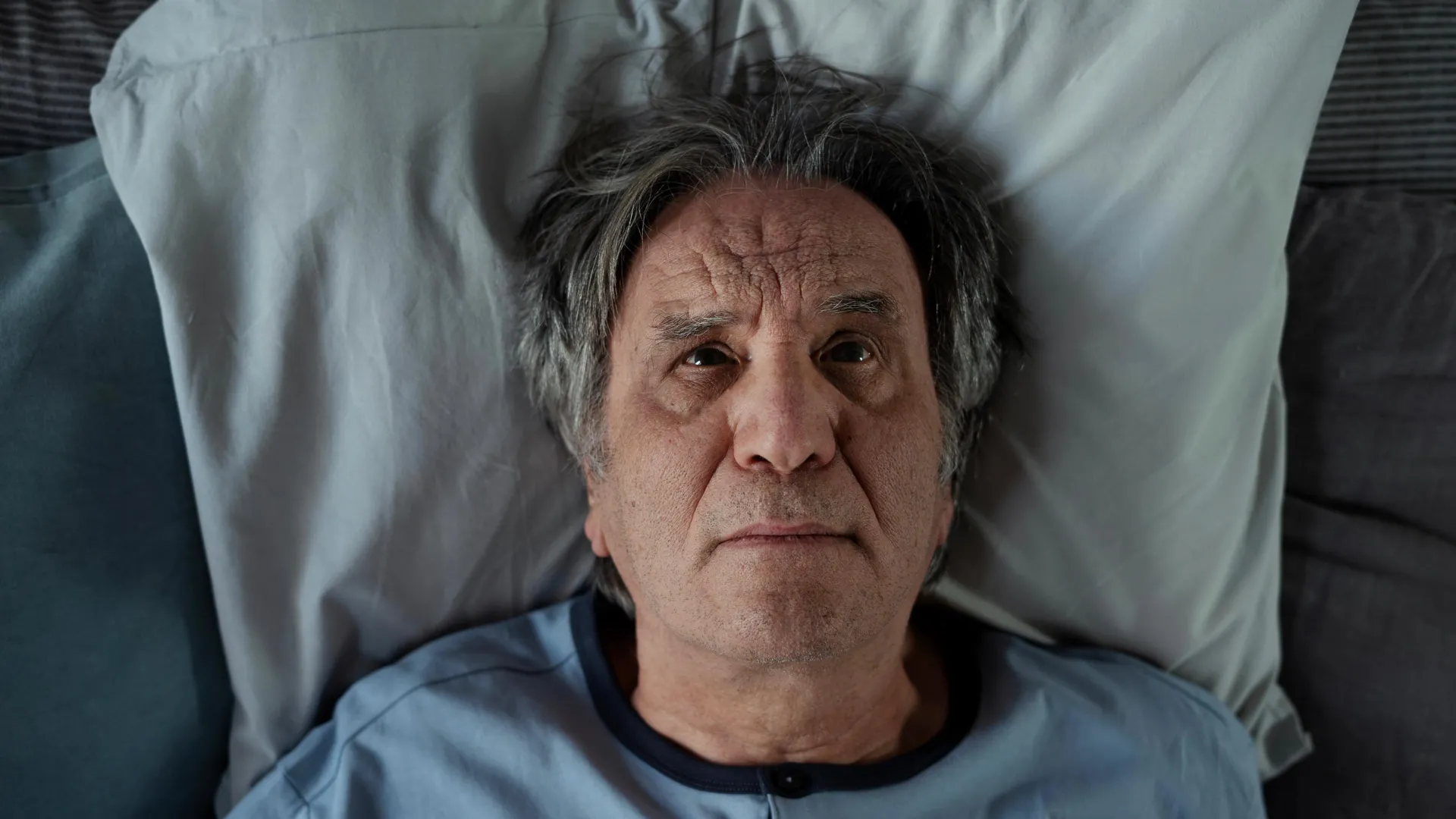
Both too little and too much sleep may accelerate biological aging. Researchers analyzing 23 biological aging clocks found the lowest aging levels among people sleeping approximately 6.4 to 7.8 hours per day. Short or long sleep was associated with numerous health conditions, suggesting a narrow optimal window for sleep duration.
Sleep Improvement Benefits Mental Health Treatment
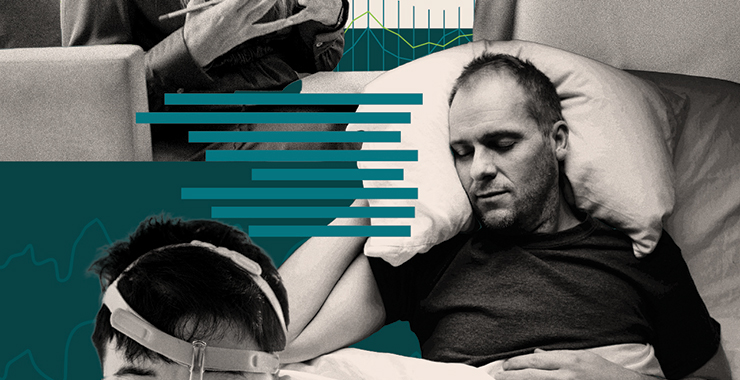
When insomnia coexists with depression or anxiety, treating those conditions alone doesn't reliably improve sleep. However, when sleep starts improving, patients show measurable enhancements in coping mechanisms, stress reactivity, and emotional regulation—which in turn enhances treatment outcomes for depression and anxiety. This suggests sleep should be treated as a primary therapeutic target rather than a secondary symptom.
Analysis
The emerging consensus from recent sleep research points to a paradigm shift: sleep is not merely a symptom of mental health but a foundational pillar of it. The research from the American Psychological Association reveals that behavioral sleep medicine—focusing on improving sleep quality and duration—may be more effective than treating co-occurring conditions in isolation.
This finding has significant clinical implications. Traditional psychiatric approaches treat insomnia as secondary to depression or anxiety. The new evidence suggests that prioritizing sleep improvements first creates a cascade of psychological benefits, making subsequent mental health treatment more effective. The biological aging data further reinforces this by showing that sleep operates at a fundamental physiological level, influencing how quickly our cells age at the molecular level.
The optimal sleep window of 6.4–7.8 hours provides a specific, measurable target for patients and clinicians—departing from the often-vague "8 hours" recommendation and acknowledging individual variation within a science-backed range.
Sleep Hack
Target 6.4–7.8 hours nightly for optimal cellular aging. Rather than aiming for a round number like 8 hours, track your actual sleep duration for one week and identify where within this evidence-based range you feel most alert and recover best. Use this personalized baseline to adjust bedtime and wake time accordingly. This precision approach aligns with biological aging clocks and may slow how quickly your body ages at the molecular level.
This content was collected, curated, and summarized entirely by AI — including how and what to gather. It may contain inaccuracies. Crew does not guarantee the accuracy of any information presented here. Always verify facts on your own before acting on them. Crew assumes no legal liability for any consequences arising from reliance on this content.
Powered by
