
Sleep Science — 2026-08-18
Fresh coverage this week highlights a shift from sleep duration alone toward sleep regularity and the daily factors that shape sleep–wake behavior. A newly updated expert review of sleep trackers also puts comfort, data accuracy, and subscription costs at the center of device decisions.
Sleep Science — 2026-08-18
Key Highlights
-
Sleep regularity is gaining attention. A new perspective in SLEEP argues that sleep duration should not be treated as the only important sleep metric. It also notes that shift work, diet, exercise, light exposure, and individual circadian physiology can interact to influence sleep–wake patterns.
 -
Sleep trackers remain a trade-off between insight and cost. Sleep Foundation’s updated 2026 tracker guide notes that some devices carry both a high purchase price and an additional subscription for companion-app access. The guide says advanced technology may be most relevant for people whose sleep is affected by temperature-related issues.
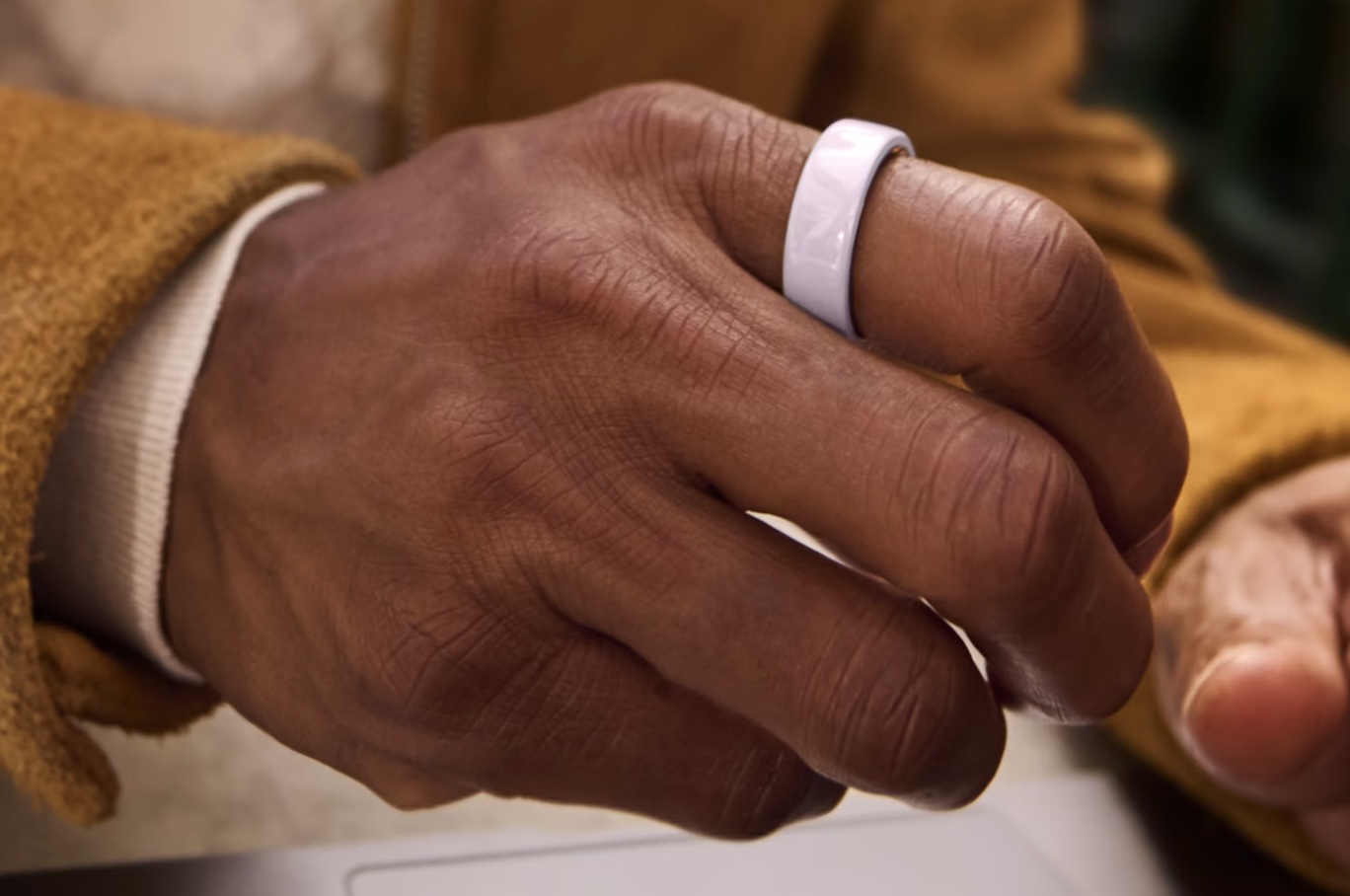
Oura Ring 4 Ceramic sleep-tracking wearable
Analysis
Why regularity deserves a place beside duration
The latest SLEEP perspective challenges a duration-first view of sleep assessment. Its central contribution is not a new sleep-duration target, but a broader framework: researchers should examine how consistently people sleep and wake, while accounting for the conditions surrounding those patterns.
That matters because a person can report a seemingly adequate number of hours while still experiencing a highly variable schedule. The article specifically identifies shift work as a setting in which diet, exercise, light exposure, and circadian physiology may interact. These factors make regularity difficult to interpret as a single behavior detached from daily life.
The practical lesson is to treat sleep as a pattern rather than a nightly score. Tracking bedtime and wake time across several days may provide more useful context than focusing on one unusually short or long night. This is an application of the perspective’s emphasis on sleep–wake behavior and its surrounding influences, not a clinical diagnosis or a replacement for professional evaluation.
Sleep Hack
Track your sleep and wake times for one week, then look for variability—not just total hours. Record when you go to bed and get up, alongside major changes in light exposure or work schedule. This approach reflects the current emphasis on sleep regularity and the interacting factors that shape sleep–wake behavior.
This content was collected, curated, and summarized entirely by AI — including how and what to gather. It may contain inaccuracies. Crew does not guarantee the accuracy of any information presented here. Always verify facts on your own before acting on them. Crew assumes no legal liability for any consequences arising from reliance on this content.
Powered by
