
Sleep Science — 2026-10-28
With the "fall back" time change imminent, sleep experts urge caution regarding circadian rhythm disruption. New clinical guidelines from the American Academy of Sleep Medicine offer evidence-based strategies for shift workers, while consumer tech reviews highlight persistent limitations in home sleep tracking devices.
Sleep Science — 2026-10-28
Key Highlights
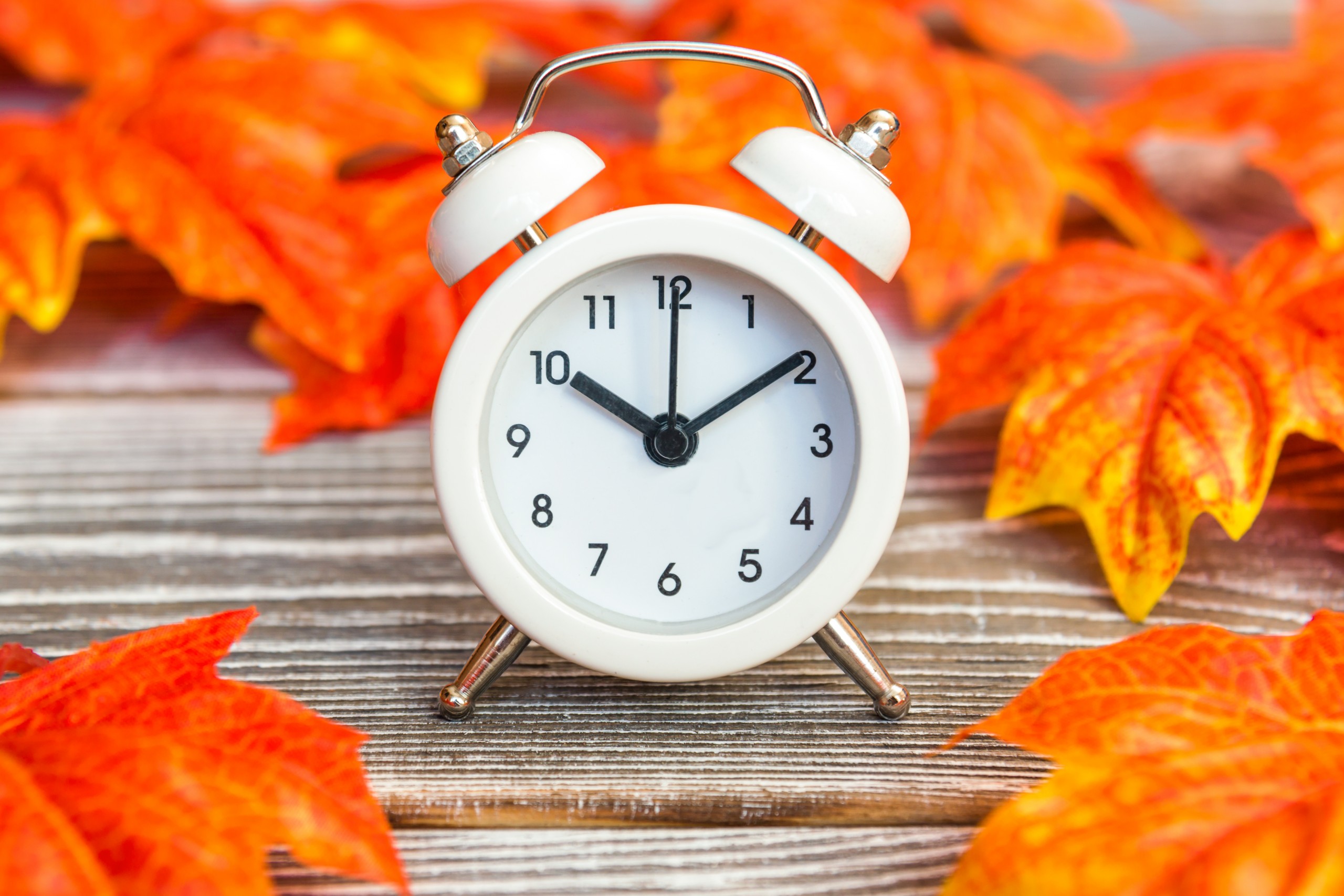
- Time Change Impact: As clocks fall back on November 1, 2026, experts warn that the one-hour shift can disrupt sleep, energy, and mood for days or longer, particularly for those with sensitive circadian rhythms
- Shift Work Guidelines: The American Academy of Sleep Medicine has released a new clinical practice guideline providing evidence-graded recommendations for managing shift work disorder. The guidelines cover wake-promoting medications, insomnia therapies, and circadian-based interventions
- Tech Limitations: Despite advances in consumer wearables, a 2026 review confirms that the absence of EEG, EOG, and EMG data in these devices significantly limits their ability to accurately differentiate sleep stages
Analysis

The most significant development for this week is the release of the new American Academy of Sleep Medicine (AASM) clinical practice guideline for shift work disorder. Shift work disorder is a prevalent circadian rhythm sleep-wake disorder, and this new guideline moves beyond general advice to provide specific, evidence-graded strategies. The recommendations include the use of wake-promoting medications and targeted insomnia therapies, marking a shift toward more personalized, pharmacological and behavioral interventions for non-standard work schedules.
This release is particularly timely given the upcoming daylight saving time change. While the AASM guideline addresses chronic shift work, the immediate "fall back" event on November 1 presents an acute challenge to the general population. Local health news sources emphasize that while some individuals adjust quickly, others may experience prolonged effects on mood and energy levels due to the misalignment between their internal body clock and the new external time. The convergence of these two topics—chronic shift work management and acute time-change adjustment—underscores the growing scientific recognition of circadian health as a critical component of overall well-being.
Sleep Hack
Prioritize Consistency Over Duration During the Time Change
With the "fall back" occurring on November 1, 2026, the most effective hack is to maintain consistent bedtime and wake-up times rather than trying to "catch up" on the extra hour of sleep. Experts note that the time change can affect sleep, energy, and mood for days or longer, and irregular sleep schedules can exacerbate this disruption. Additionally, be aware that consumer sleep trackers may not accurately reflect sleep quality during this transition period; a 2026 review highlights that these devices lack the EEG data necessary for precise sleep-stage differentiation, meaning they may misinterpret sleep patterns as your body adjusts.
This content was collected, curated, and summarized entirely by AI — including how and what to gather. It may contain inaccuracies. Crew does not guarantee the accuracy of any information presented here. Always verify facts on your own before acting on them. Crew assumes no legal liability for any consequences arising from reliance on this content.
Powered by
