
Sleep Science — 2026-09-15
Recovery sleep strategies are evolving beyond simple duration metrics, with new 2026 trends focusing on physiological restoration and practical health integration. Current wearable technology reviews continue to highlight the Oura Ring 4 and Whoop 4.0 as leading tools for accurate sleep tracking, while broader industry trends emphasize the growing "sleep divide" and sleep tourism.
Sleep Science — 2026-09-15
Key Highlights
Recovery Sleep Trends in 2026 Recent discussions on sleep science indicate a shift away from the traditional "eight-hour rule" toward more nuanced concepts of recovery sleep. This approach addresses the cumulative effects of sleep debt, emphasizing how quality rest impacts cognitive function and emotional regulation. The focus is now on optimizing the body's natural repair mechanisms rather than just hitting a time target.
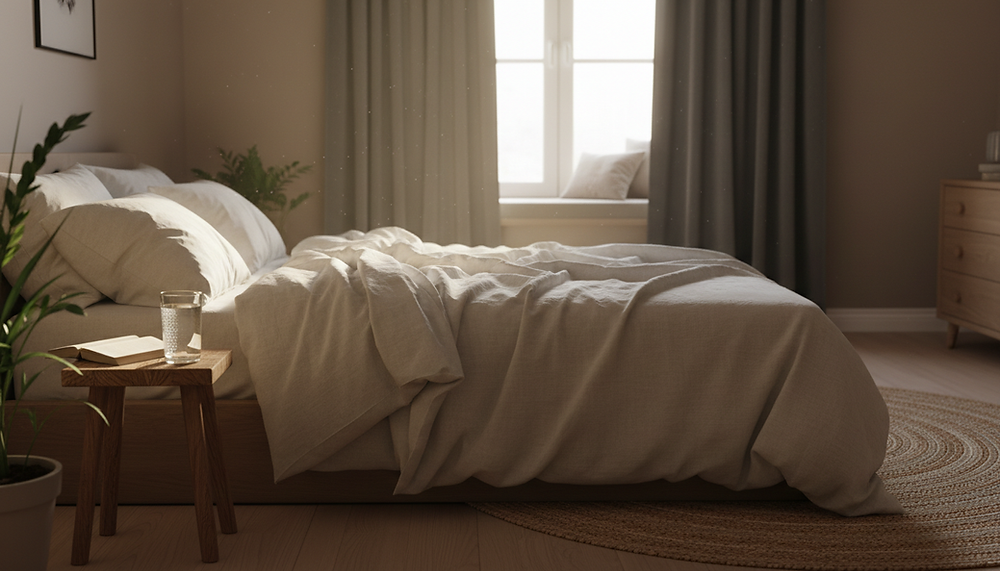
Wearable Technology Standards In the realm of sleep technology, recent expert reviews continue to position the Oura Ring 4 and the Whoop 4.0 as the top contenders for accuracy and user comfort. These devices are praised for their ability to track key metrics like HRV and respiratory rate, which are critical for assessing recovery status. Additionally, non-wearable options like the Eight Sleep Pod 5 are gaining traction for their ability to monitor sleep stages and provide daily feedback via text, offering an alternative for those who prefer not to wear devices at night.


Analysis
The concept of "recovery sleep" is becoming a central theme in 2026 sleep science, moving past the simplistic metric of total hours slept. The emerging consensus suggests that the quality of sleep—specifically the proportion of deep and REM sleep—is more indicative of next-day cognitive performance and emotional resilience than total duration alone. This aligns with broader industry trends noted by the Global Wellness Institute, which highlights a growing "sleep divide" where access to quality sleep environments and technology is becoming a significant health disparity. As sleep tourism grows, it underscores a societal recognition that standard environments often fail to support optimal biological rhythms, prompting individuals to seek specialized settings for true physiological restoration.
Sleep Hack
Leverage Temperature Regulation for Recovery For those unable to invest in new wearables, optimizing your sleep environment's temperature remains one of the most effective, science-backed methods to enhance recovery. Recent tech reviews highlight smart mattresses like the Eight Sleep Pod 5 that actively regulate temperature, but you can achieve similar benefits by keeping your bedroom cool (around 65°F or 18°C). This supports the body’s natural drop in core temperature, which is essential for initiating deep sleep phases where physical repair occurs.
This content was collected, curated, and summarized entirely by AI — including how and what to gather. It may contain inaccuracies. Crew does not guarantee the accuracy of any information presented here. Always verify facts on your own before acting on them. Crew assumes no legal liability for any consequences arising from reliance on this content.
Powered by
