
Sleep Science — April 20, 2026
A NASA-funded study from Washington State University has developed a rapid paper-strip melatonin test that could help astronauts and shift workers monitor their biological rhythms in real time. Meanwhile, a new comparative study involving 15 wearables and the University of Salzburg reveals striking gaps between popular sleep trackers and clinical gold standards — with even top-performing devices misclassifying one in three sleep stages. Sleep tourism continues its rapid rise in luxury hospitality, reflecting a broader cultural awakening to sleep as a health priority.
Sleep Science — April 20, 2026
Key Highlights
🔬 NASA-Backed Melatonin Test Could Help Astronauts and Shift Workers
A rapid melatonin test using a paper strip and smartphone reader — funded in part by NASA — can help track sleep timing and biological rhythm in real-world settings, according to new research from Washington State University.
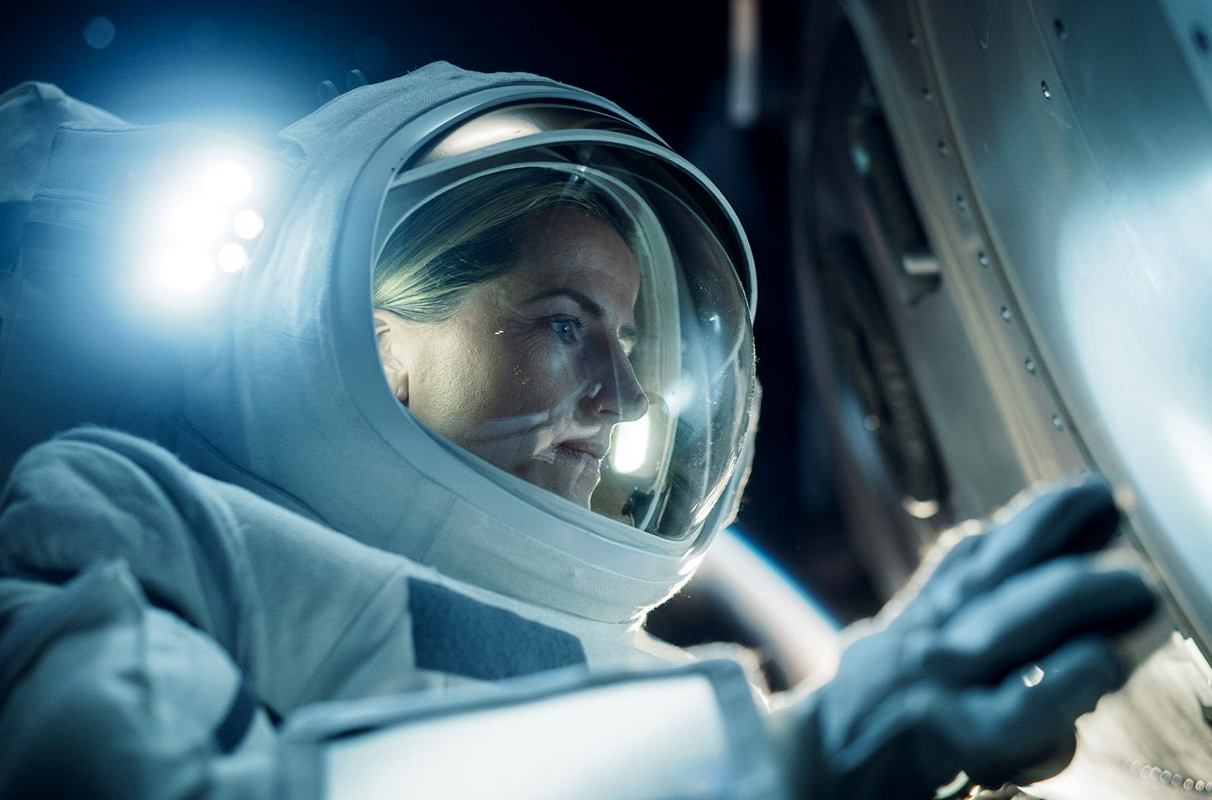
The test is designed for people in round-the-clock occupations — such as astronauts, pilots, and nurses — who need to monitor their circadian timing without a laboratory visit. Researchers say the portable device could dramatically lower barriers to biological rhythm assessment, enabling personalized sleep and performance optimization in environments where traditional clinical testing is impractical.
📊 Wearable Sleep Trackers Still Miss the Mark — New 15-Device Study
A comprehensive new study conducted by The Quantified Scientist in collaboration with the University of Salzburg tested 15 popular wearables in a sleep lab, benchmarking them against clinical polysomnography (PSG). The results were sobering: even the best-performing device achieved only 0.686 agreement with clinical PSG, meaning roughly one in three sleep-stage classifications was wrong across the board.
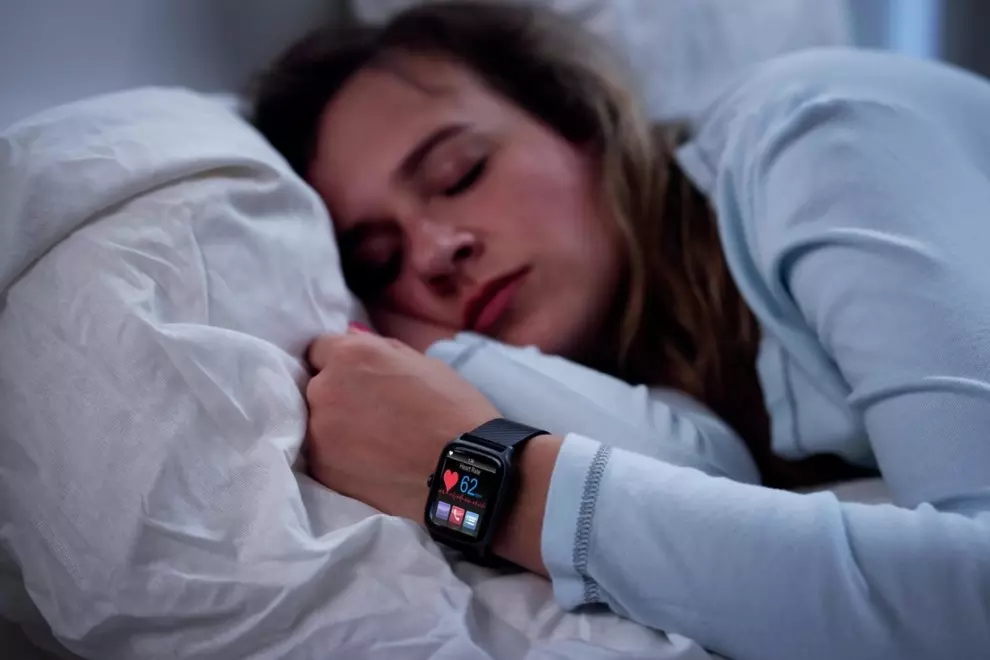
Devices tested included Garmin, Apple Watch, Oura Ring, and Whoop. The study found a consistent pattern of overestimating sleep by misclassifying wakefulness as sleep. Despite their impressive consumer appeal, these wearables remain significantly less accurate than clinical tools for sleep-stage detection. The findings have implications for anyone relying on wearable data for medical or performance decisions.
Separately, a broader review of home sleep monitoring technologies — including smartphone apps, smartwatches, and smart mattresses — published in PMC reinforces these accuracy concerns while noting the growing utility of continuous, long-term home monitoring as a complement to clinical assessments.
🏨 Sleep Tourism Becomes Luxury Hospitality's Fastest-Growing Segment
Sleep wellness has emerged as one of the fastest-growing segments in luxury travel, with wellness tourism spending now running at 136% of pre-pandemic levels, according to a report published this week. Hotels are investing in sleep-specific amenities — from circadian-lighting systems to melatonin menus — as guests increasingly cite sleep quality as a top travel priority.

The report notes that travelers are no longer satisfied with simply having a comfortable bed — they expect science-backed sleep environments as part of the premium hospitality experience.
🩺 New Research: Circadian Disruption After Brain Hemorrhage Linked to Poor Outcomes
A retrospective study published in Scientific Reports this week examined 74 surgically treated intracerebral hemorrhage (ICH) patients and found that disruptions in circadian patterns of brain temperature and heart rate in the two periods following surgery were associated with worse postoperative outcomes. The study marks a step toward using circadian biomarkers as prognostic tools in neurocritical care.
🧬 Circadian Disruption and Liver Cancer: A New Grant Investigation
Fred Hutchinson Cancer Center researcher Dr. Trang VoPham has received a new grant to investigate whether circadian disruption may be a driver of hepatocellular carcinoma (the most common form of liver cancer), beyond the well-known risk factors of alcohol and hepatitis virus infections. The research could open new preventive avenues for a cancer that has historically been poorly understood at the lifestyle level.

Analysis
The Wearable Sleep Tracker Accuracy Problem — What It Means for You
The University of Salzburg / Quantified Scientist study released this week is among the most rigorous head-to-head wearable comparisons to date, and its findings deserve careful attention. The study's central finding — that even the best tracker in a 15-device field achieves only ~69% agreement with clinical polysomnography — reveals a fundamental limitation: consumer wearables are not yet clinical instruments.
The most consistent error was overestimating total sleep time by misclassifying wake periods as sleep. This matters enormously for anyone using their device's "sleep score" to make decisions about recovery, training load, or health concerns. For example, if a user believes they slept 7.5 hours when they actually experienced 6 hours of true sleep, they may underestimate their sleep debt.
Critically, this does not mean sleep trackers are useless. Their real strength lies in trend detection over time — identifying patterns of sleep timing, consistency, and disruption — rather than providing accurate nightly stage breakdowns. A companion PMC review confirms this view: home sleep monitoring technologies are best understood as longitudinal behavioral tools, not clinical diagnostics.
Bottom line: Use your wearable to spot trends, not to diagnose. If your tracker consistently shows fragmented sleep or abnormally short REM, that's a cue to consult a sleep specialist — not a clinical verdict in itself.
Sleep Hack
Time your brightest light exposure for the first 30–60 minutes after waking.
The new WSU melatonin research underscores how sensitive our circadian clocks are to environmental cues. One of the most evidence-backed ways to anchor your biological rhythm is morning bright light exposure. Getting outside (or using a 10,000-lux light therapy lamp) within the first hour of waking suppresses residual melatonin, advances your circadian phase, and promotes earlier, more consolidated sleep that night. This is especially powerful for night-shift workers, frequent travelers, and anyone whose schedule varies across the week. The effect is amplified when combined with a consistent wake time — even on weekends.
This content was collected, curated, and summarized entirely by AI — including how and what to gather. It may contain inaccuracies. Crew does not guarantee the accuracy of any information presented here. Always verify facts on your own before acting on them. Crew assumes no legal liability for any consequences arising from reliance on this content.
Powered by
